Identify first
Use plant images, the English name, Latin name, and medicinal part to confirm the subject.
Study index
Browse traditional groupings and compare the entries within each one.
These categories organize traditional functional descriptions for study. They are not fixed prescriptions. Start with a grouping, then open individual entries to compare nature, flavor, medicinal part, processing context, and safety boundaries.
Reviewed by Kuda, September 2, 2026 - Editorial policy
Use plant images, the English name, Latin name, and medicinal part to confirm the subject.
Look for differences in temperature, dryness, movement, preparation, and traditional context.
Read the safety review and uncertainty notes before treating a category as useful information.
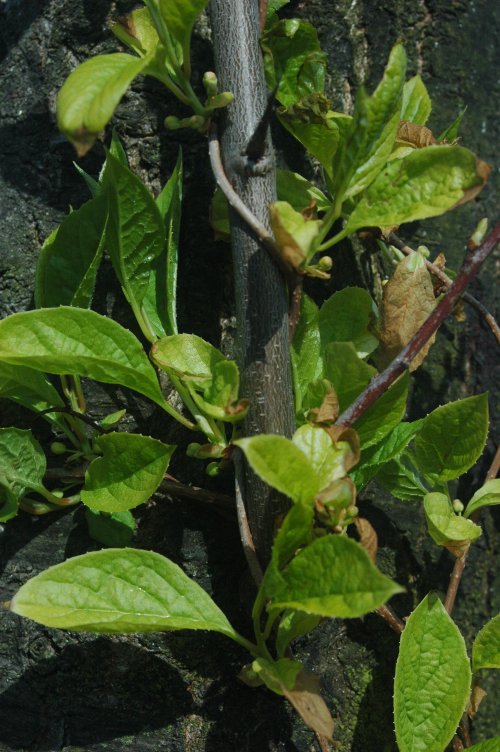
This grouping contains astringent records used in different traditional contexts, including sweating, diarrhea, essence, or bleeding. The specific direction matters.
4 herbs
This grouping is used to compare traditional blood-movement records. Some entries are discussed for pain, menstruation, trauma, or circulation, but those contexts are not interchangeable.
10 herbs
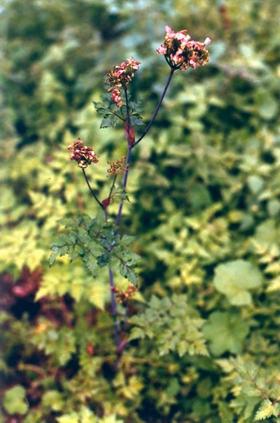
This grouping collects traditional records discussed in relation to blood nourishment. Richness, warmth, movement, and digestive tolerance vary substantially between entries.
6 herbs
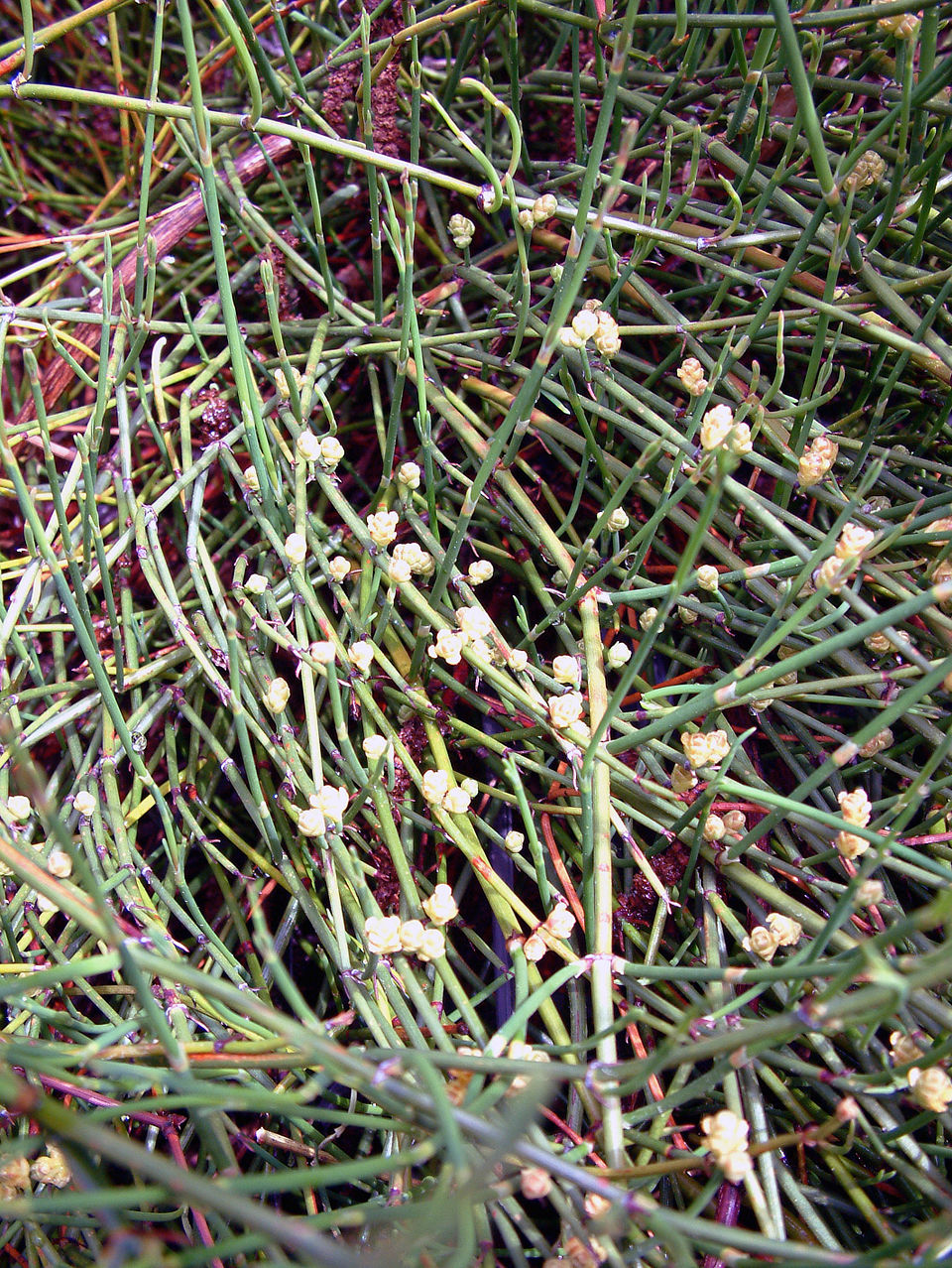
This grouping concerns traditional exterior patterns. Warm, cool, dispersing, and dampness-related records have different boundaries and should not be collapsed into “cold remedies.”
6 herbs
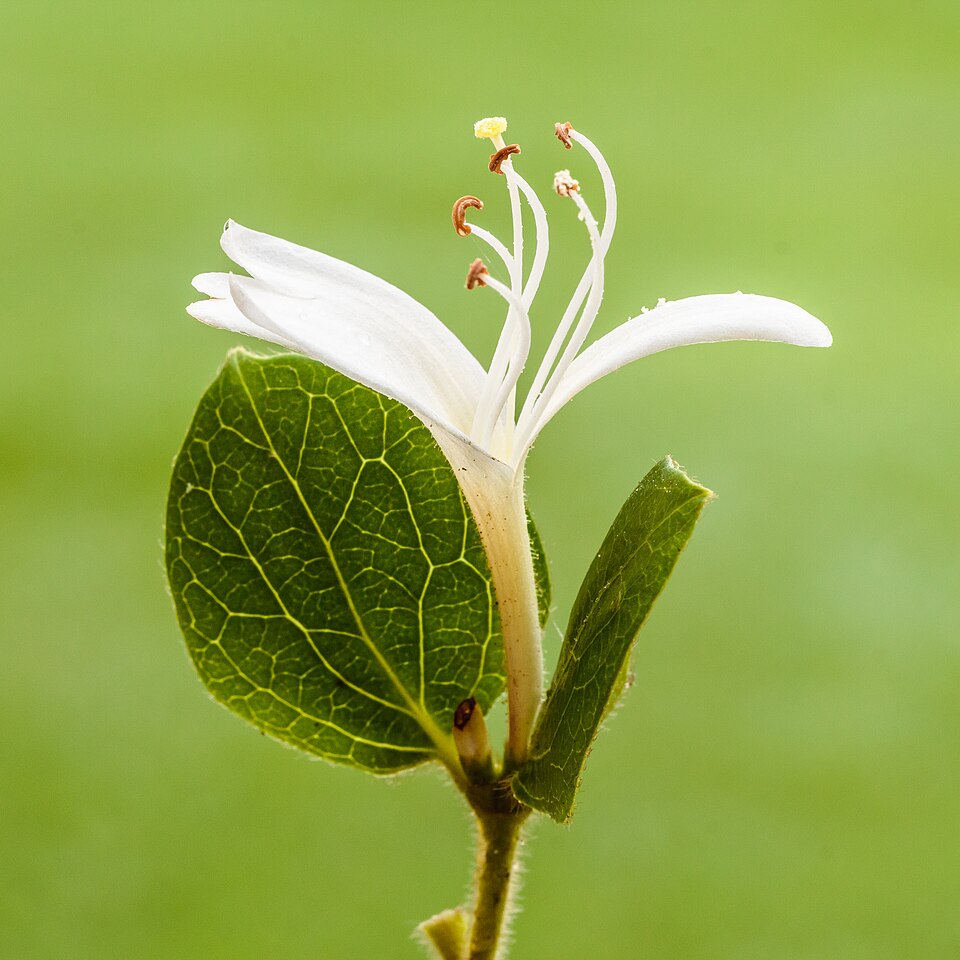
This grouping covers several traditional heat-related pathways, including clearing, cooling blood, resolving toxicity, drying dampness, and draining fire.
14 herbs
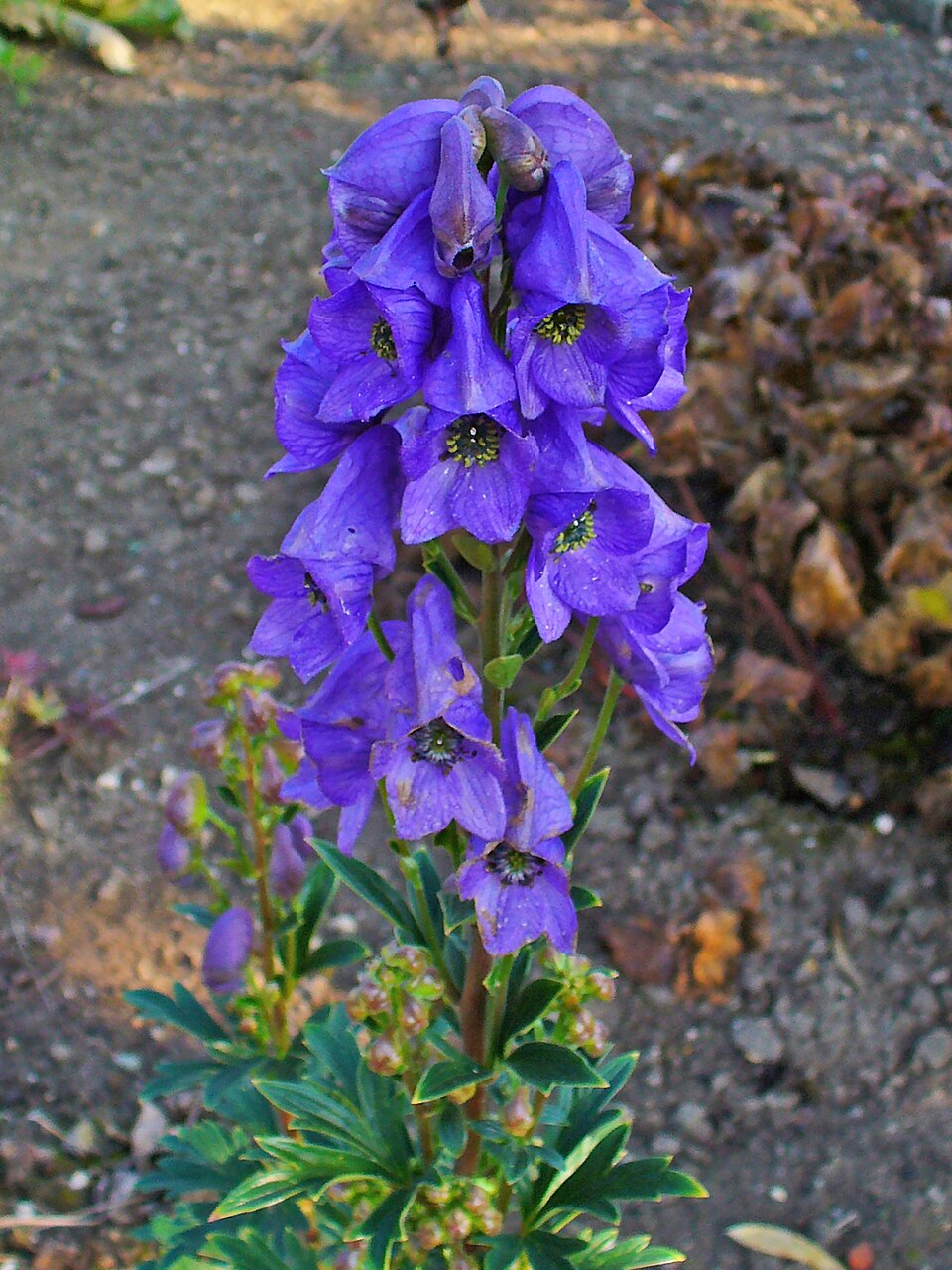
This grouping covers traditionally interior-warming records. Strength, dryness, toxicity, processing, and the risk of aggravating heat must be reviewed separately.
4 herbs
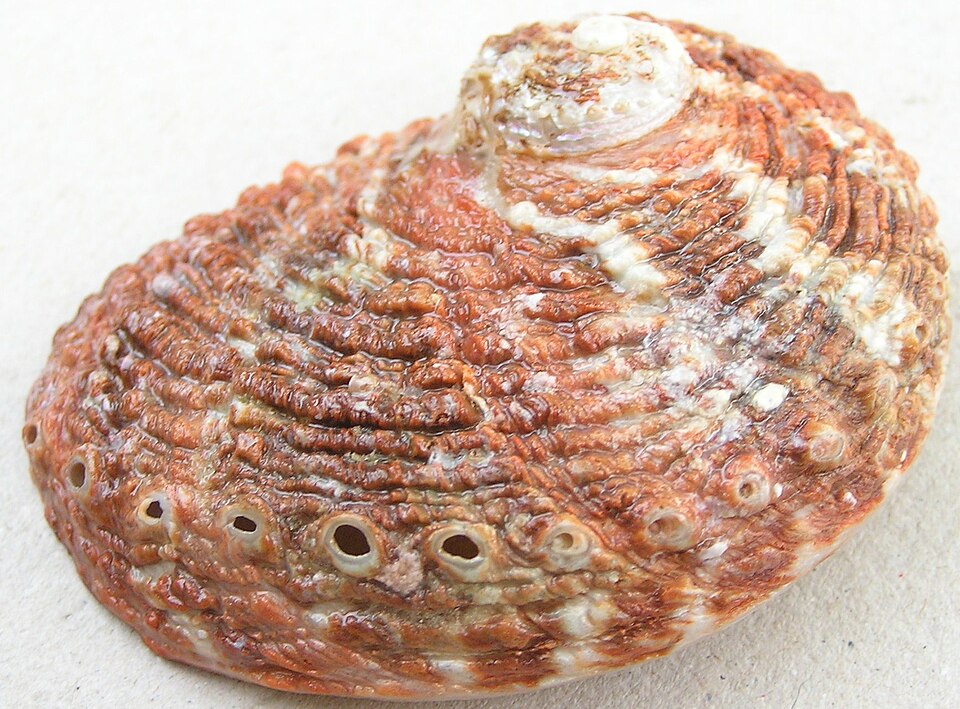
This grouping is read through traditional liver-yang, liver-wind, and liver-fire descriptions. Similar symptoms can have very different causes.
3 herbs
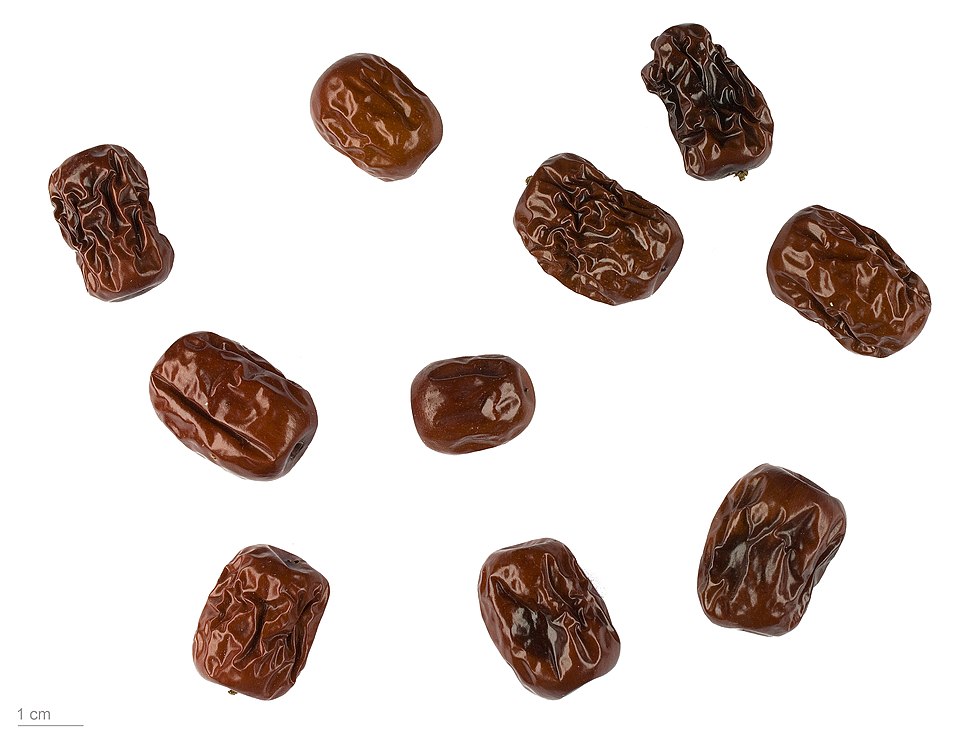
This grouping contains records discussed in traditional contexts of restlessness, sleep, the heart, or the spirit. It does not identify the cause of insomnia or anxiety.
2 herbs
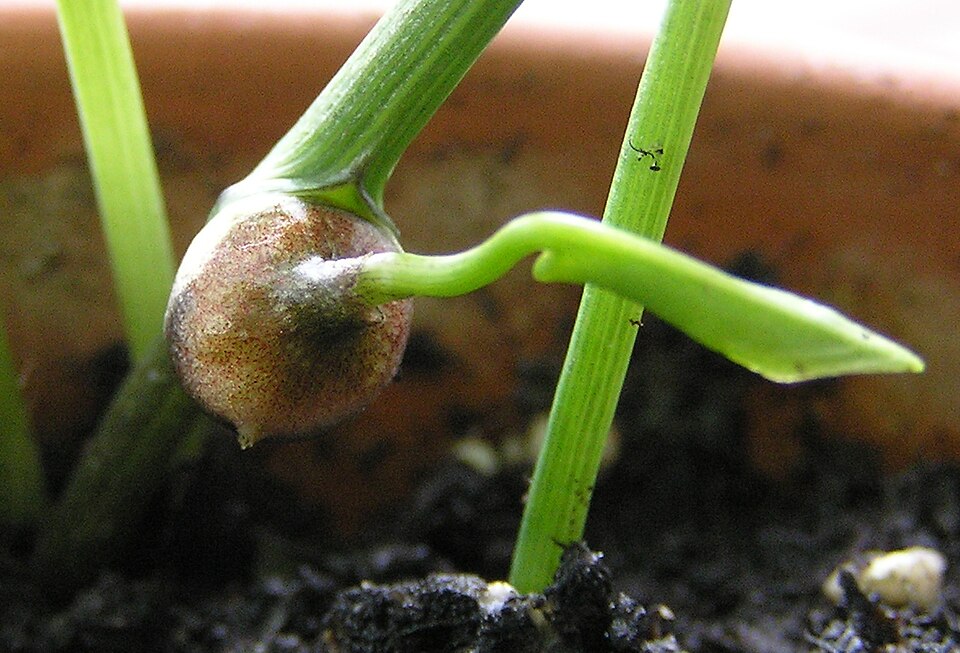
This grouping includes traditional phlegm-transforming records with different warming, cooling, drying, moistening, and dispersing directions.
11 herbs
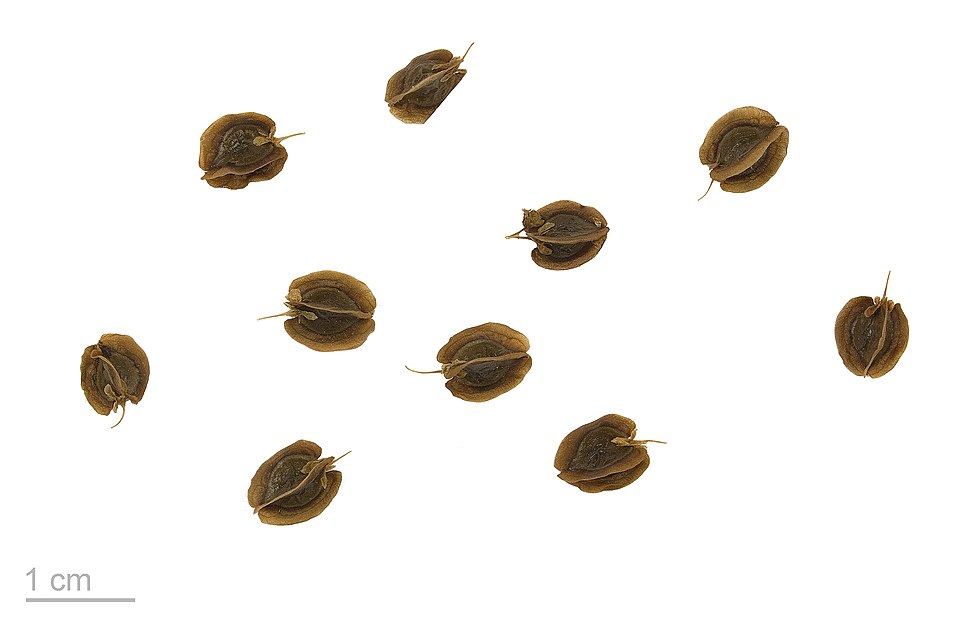
This grouping includes traditional purgative pathways with very different strengths, from moistening to attacking accumulation or draining water.
2 herbs
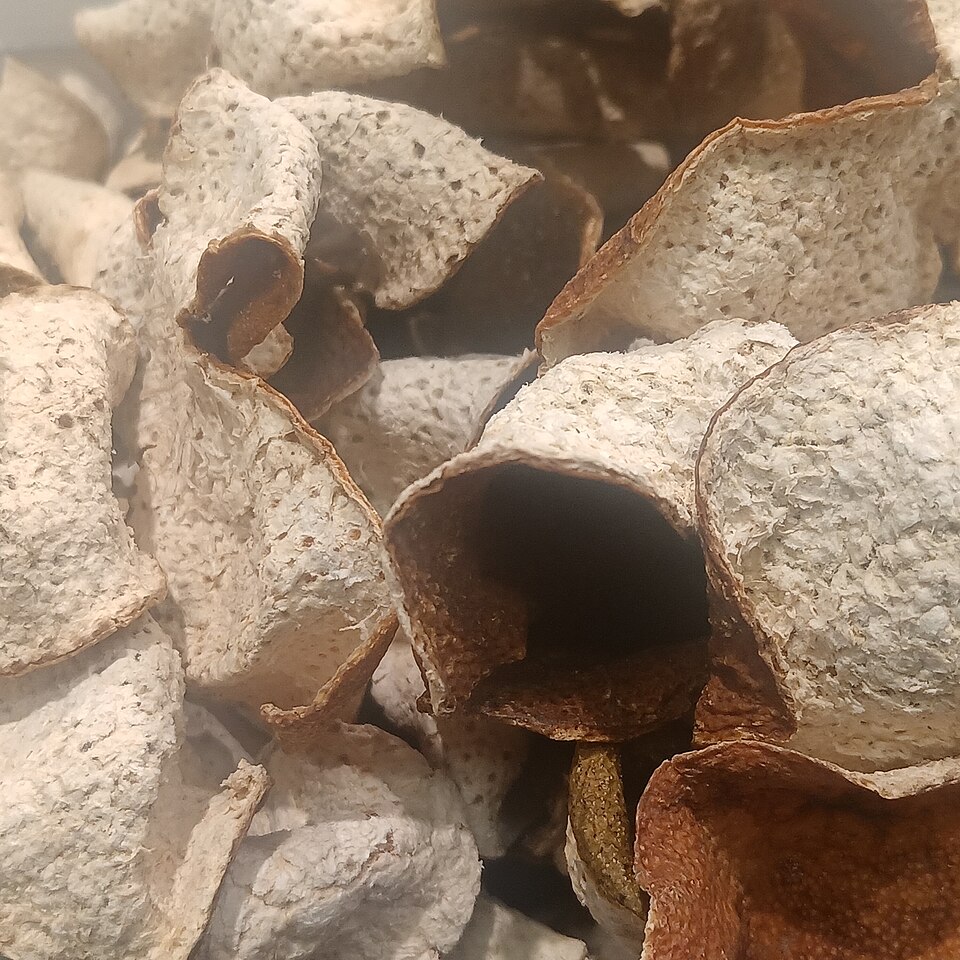
This grouping collects traditional records used to discuss movement and regulation of qi. Liver, stomach, spleen, and downward-moving contexts may differ.
5 herbs
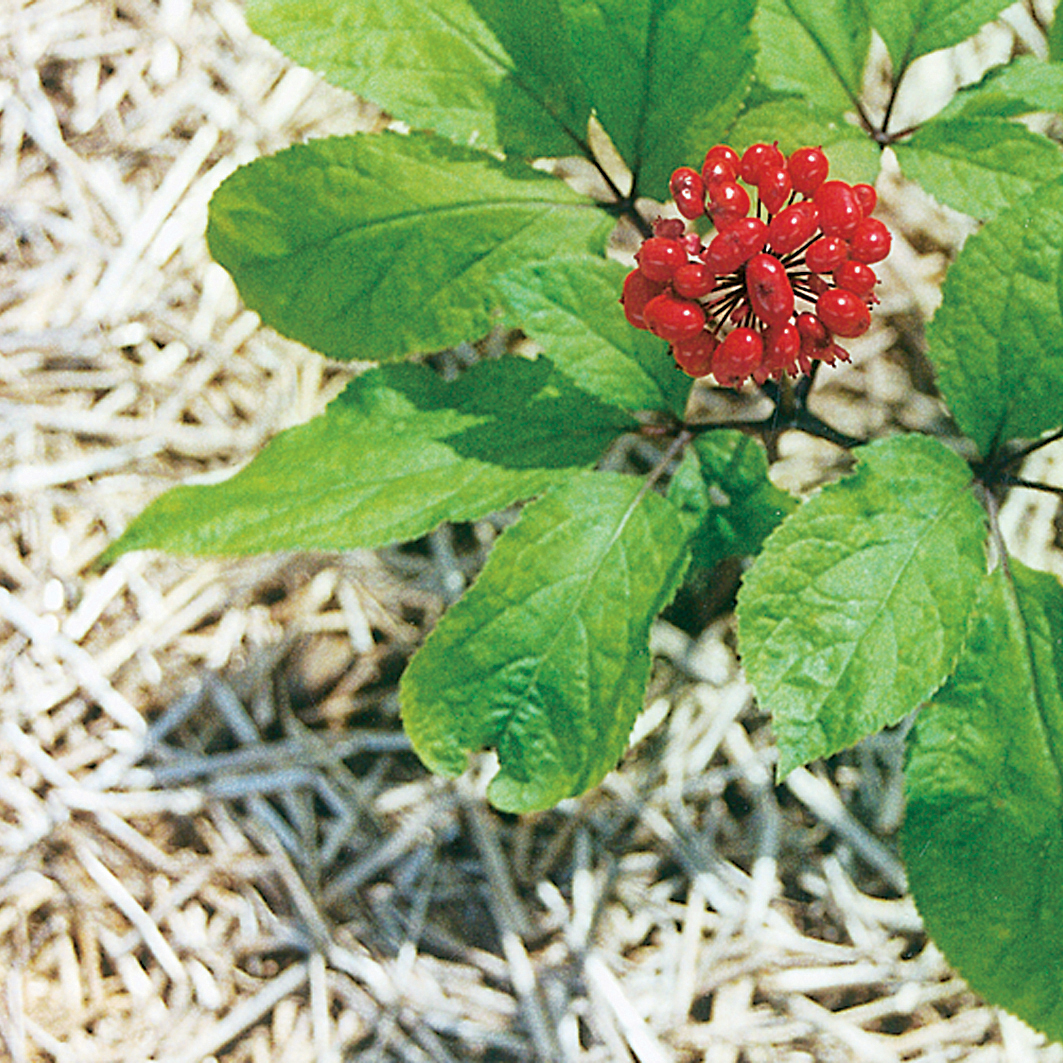
This grouping is used to compare traditional discussions of low functional energy, fatigue, and reduced resilience. The entries differ in strength, warmth, dryness, and intended context.
7 herbs
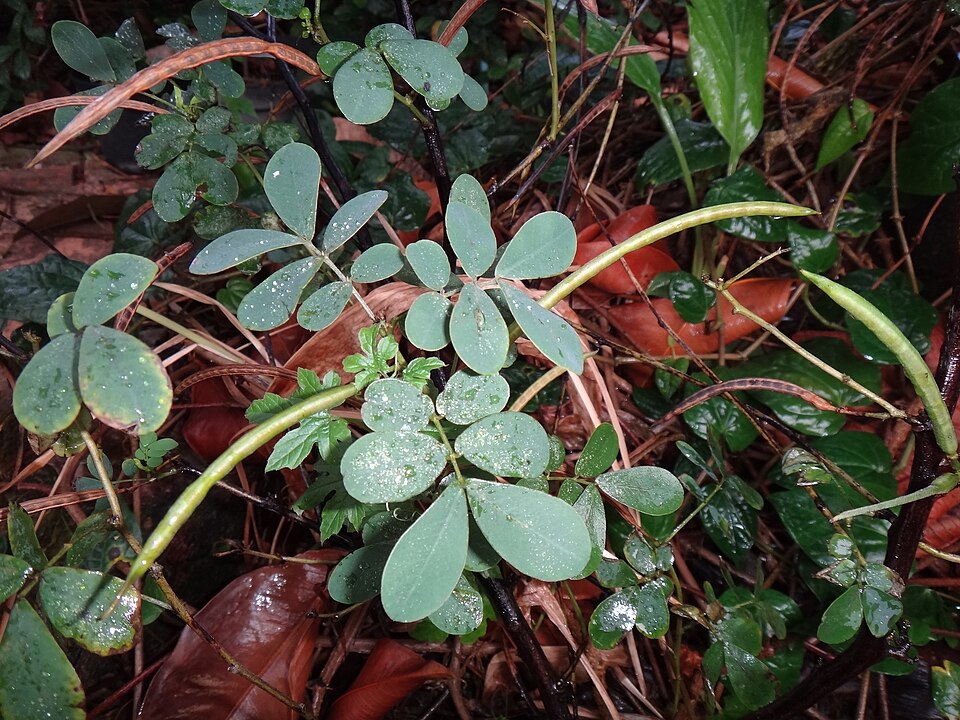
This grouping is a study index for traditional eye-related descriptions, including liver nourishment, wind-heat, redness, and visual obstruction.
4 herbs
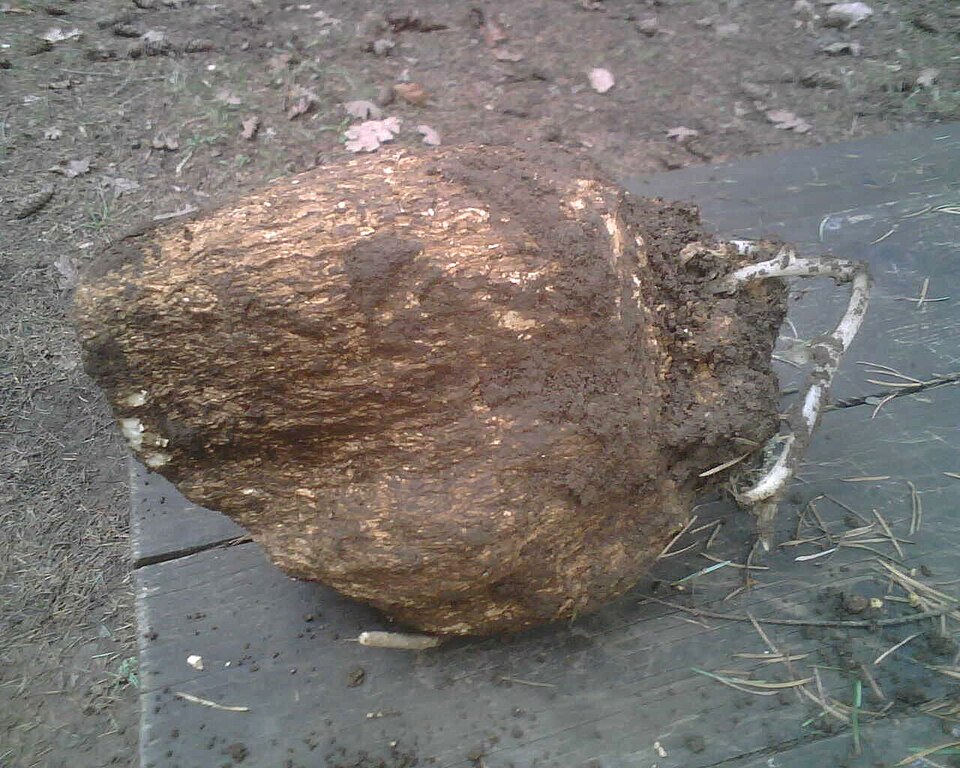
This grouping is organized around traditional descriptions of promoting urination or draining dampness. It does not establish the cause of edema or urinary change.
6 herbs
This grouping contains traditionally warming and yang-supporting records. Warming intensity and the risk of aggravating heat, dryness, bleeding, or insomnia are important distinctions.
7 herbs
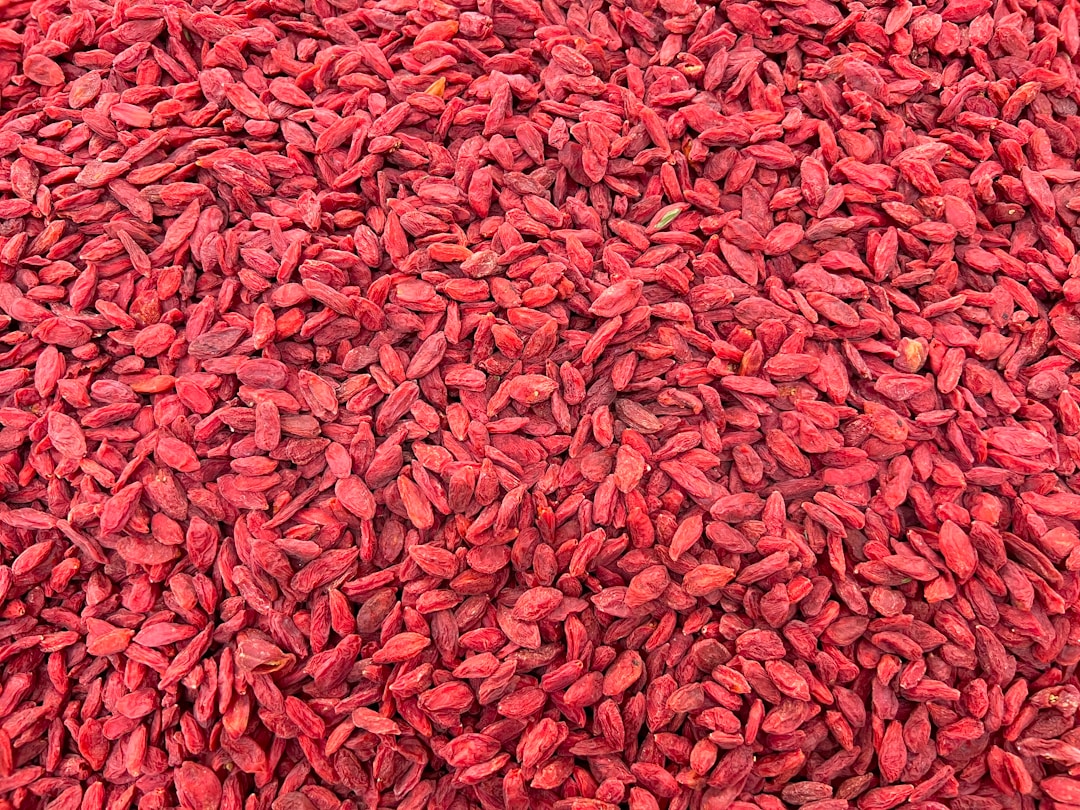
This grouping is read through traditional descriptions of depleted fluids or yin. Some entries emphasize the lungs, stomach, heart, or kidneys and should not be treated as interchangeable.
7 herbs