Traditional diagnostic terminology
28 Pulse Types
Showing 28 of 28 pulse entries
How to use the pulse section
These entries explain traditional tactile descriptions and comparison points. They are educational references, not online diagnosis, emergency guidance, or a replacement for a clinical examination.
- Learn whether a term describes position, speed, width, regularity, texture, or strength.
- Compare combined qualities instead of treating one pulse name as a complete pattern.
- Remember that posture, activity, medication, age, stress, and technique can change a pulse finding.
Reviewed by Kuda, September 2, 2026 - Editorial policy
Suggested orderStart with floating and deep for position, slow and rapid for speed, then compare empty and full, slippery and choppy, and wiry and tight qualities.
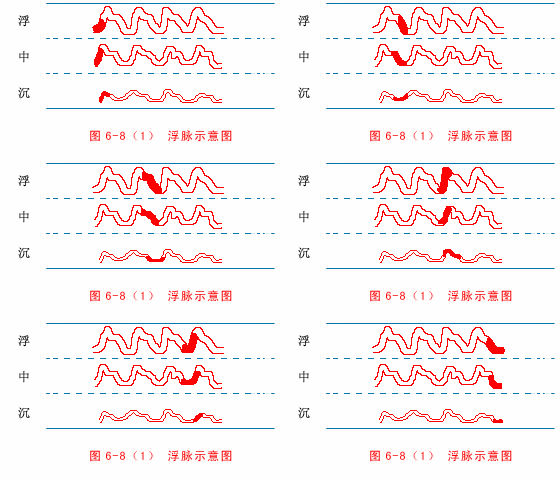
Floating Pulse
Floating
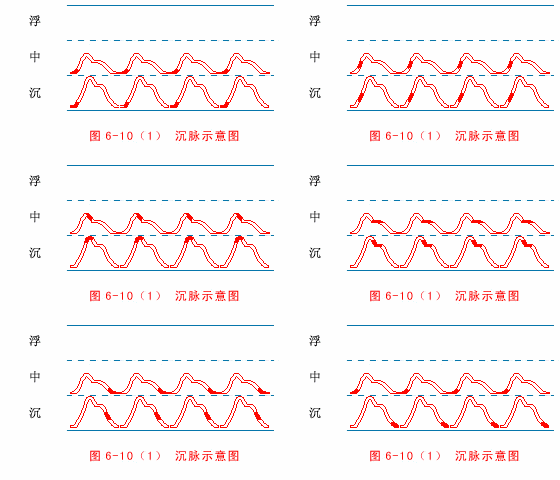
Deep Pulse
Deep
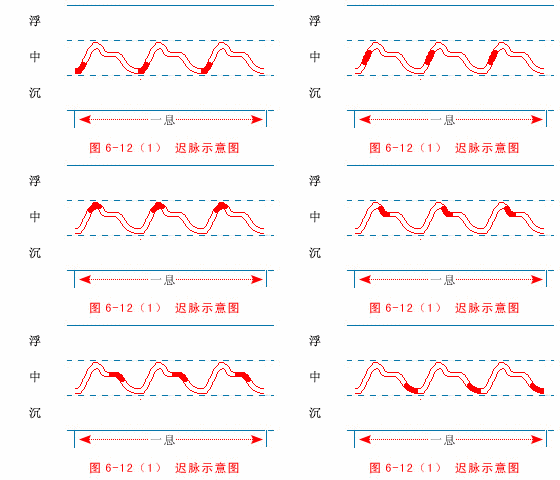
Slow Pulse
Slow
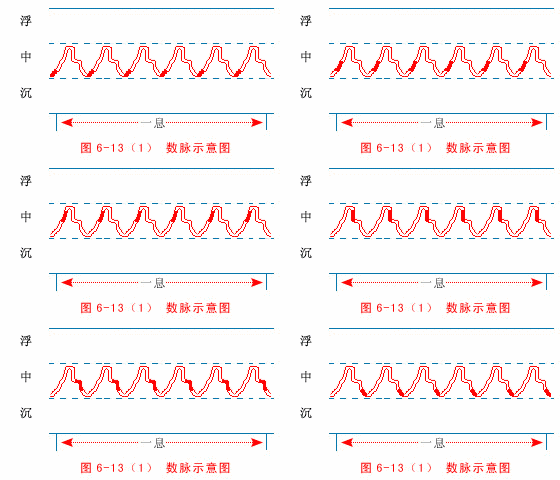
Rapid Pulse
Rapid
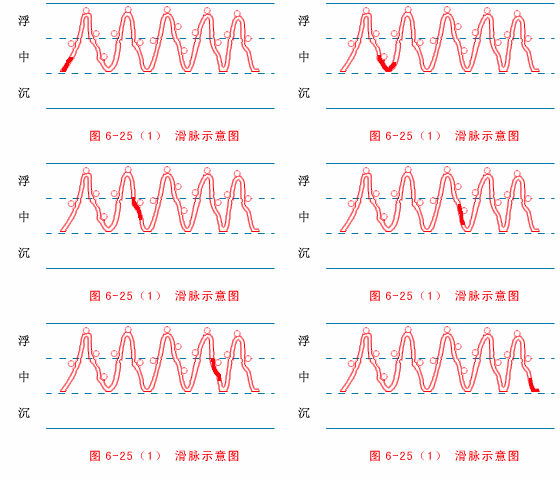
Slippery Pulse
Slippery
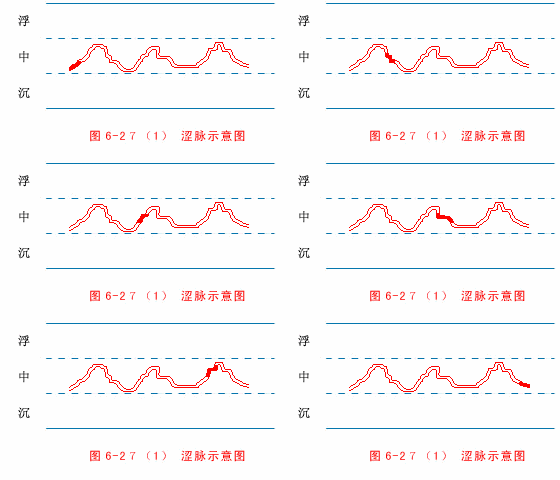
Choppy Pulse
Choppy
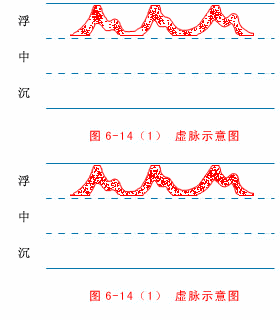
Empty Pulse
Empty
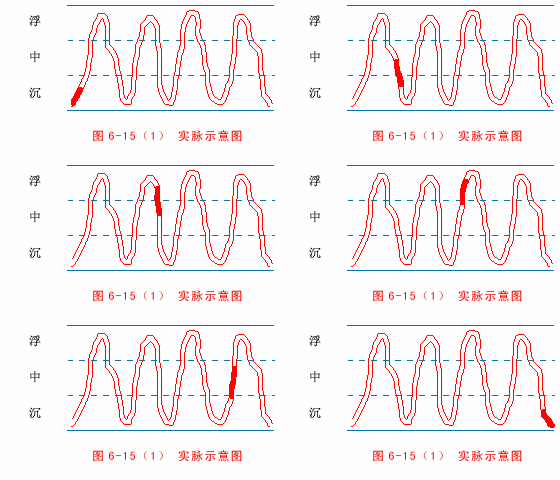
Full Pulse
Full
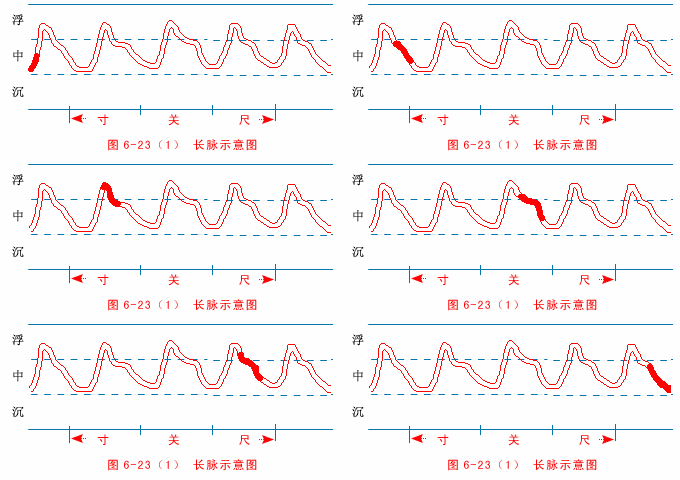
Long Pulse
Long
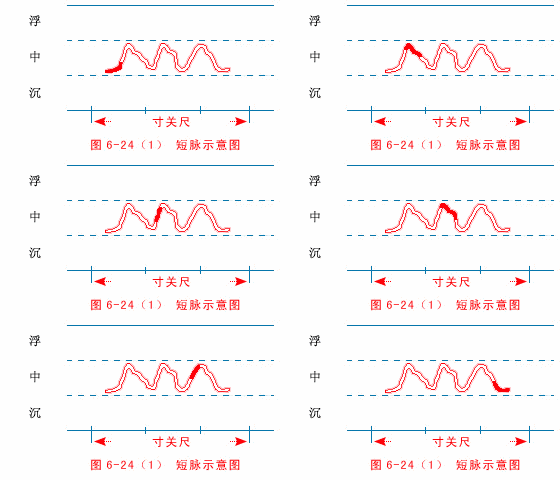
Short Pulse
Short
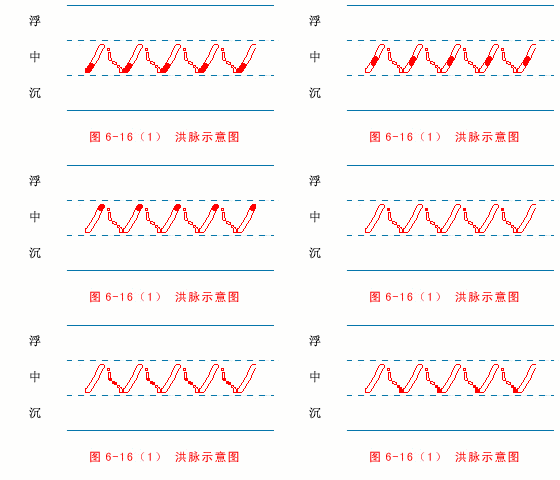
Flooding Pulse
Flooding
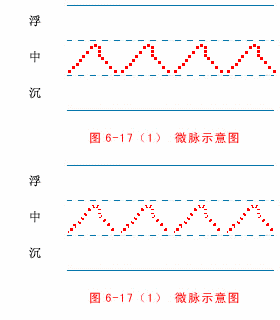
Faint Pulse
Faint
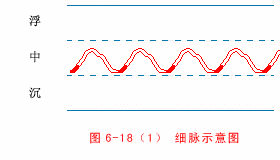
Thin Pulse
Thin
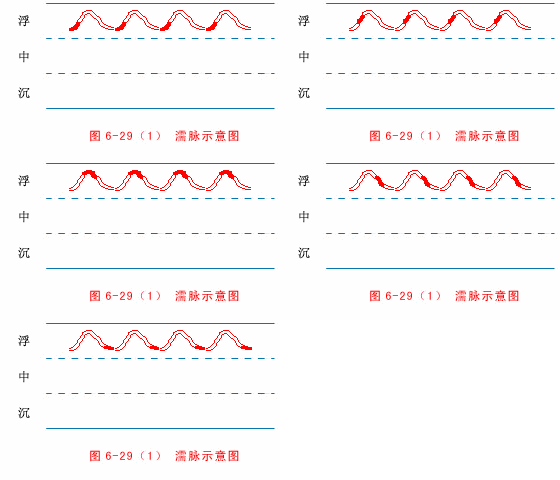
Soft Pulse
Soft
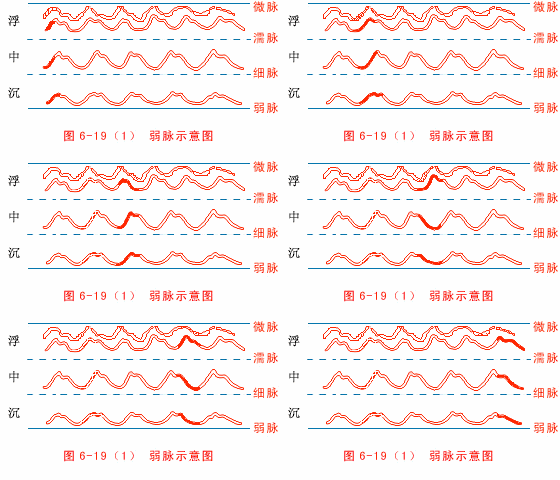
Weak Pulse
Weak
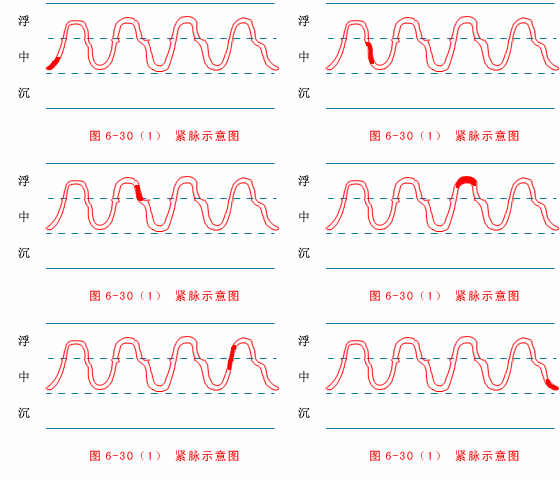
Tight Pulse
Tight
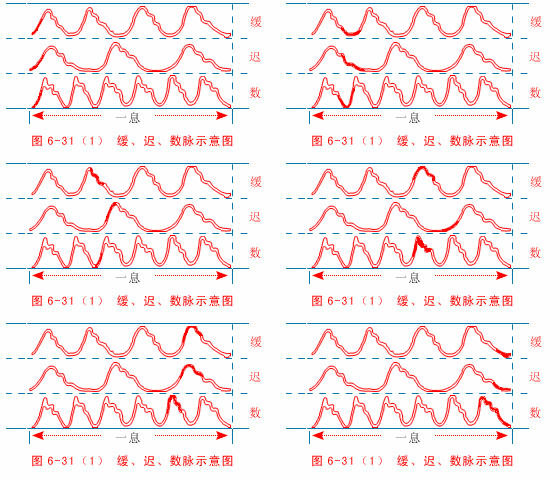
Moderate Pulse
Moderate
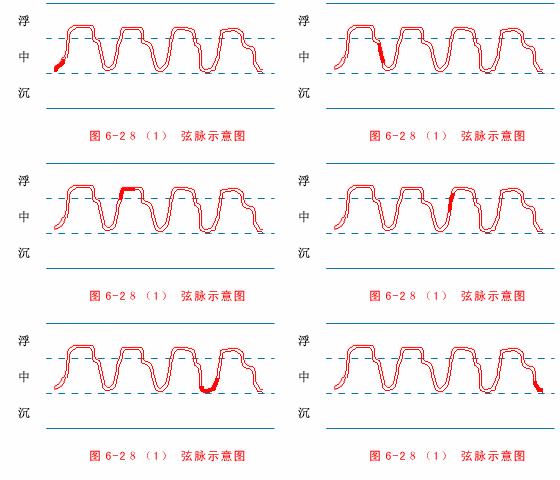
Wiry Pulse
Wiry
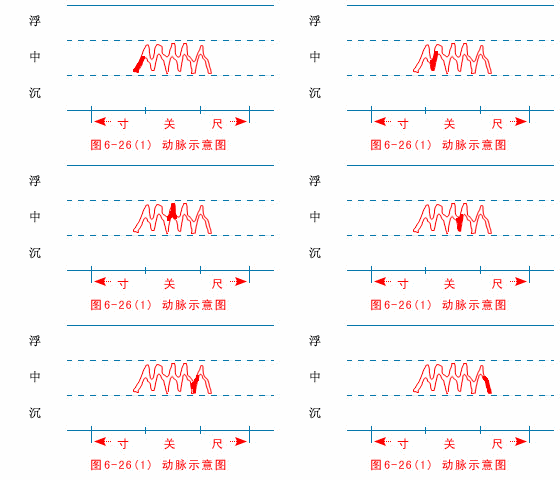
Throbbing Pulse
Throbbing
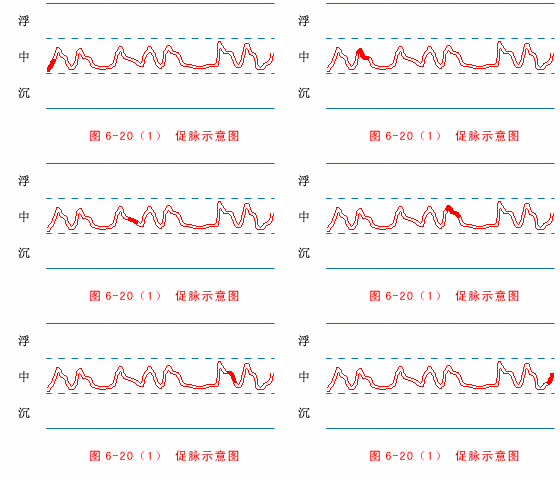
Hasty Pulse
Hasty
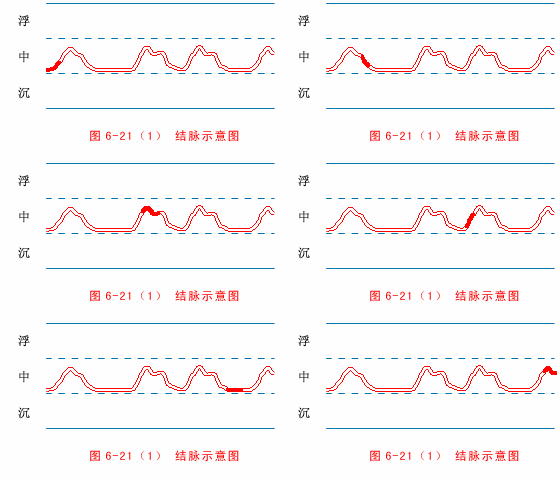
Knotted Pulse
Knotted
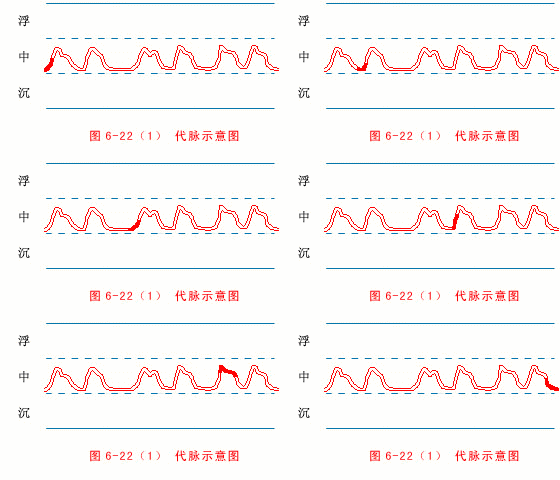
Intermittent Pulse
Intermittent
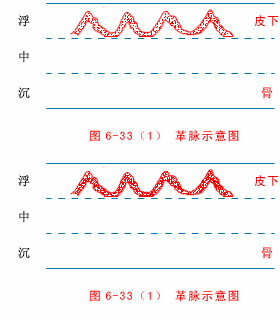
Tympanic Pulse
Tympanic
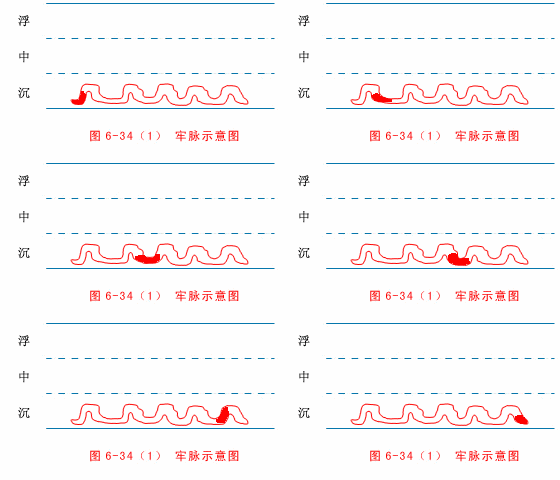
Firm Pulse
Firm
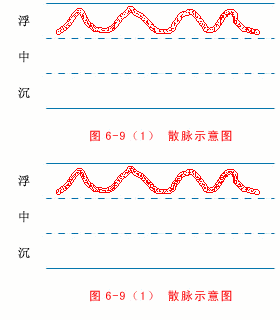
Scattered Pulse
Scattered
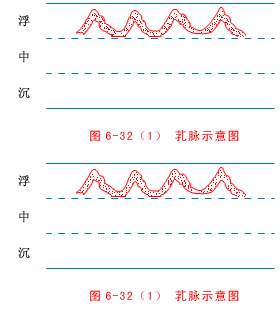
Hollow Pulse
Hollow
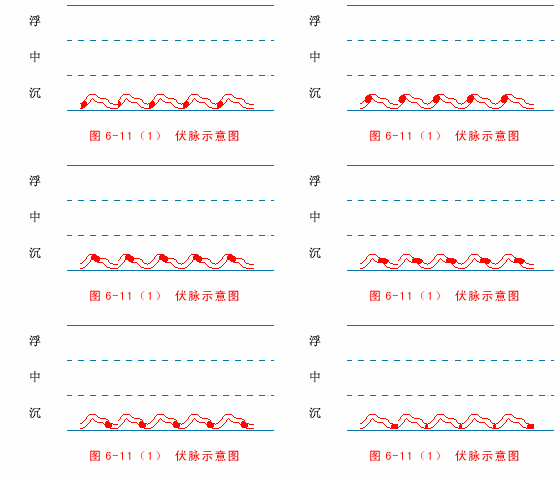
Hidden Pulse
Hidden
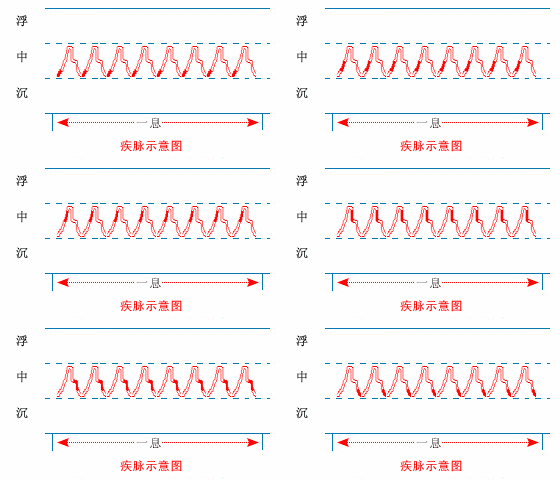
Swift Pulse
Swift