Herb reference entry
Hemp Seed / Cannabis Seed
Hemp Seed / Cannabis Seed
Cannabis sativa L.
Reviewed by Kuda, September 2, 2026 - Editorial policy
OVERVIEW
What This Record Covers
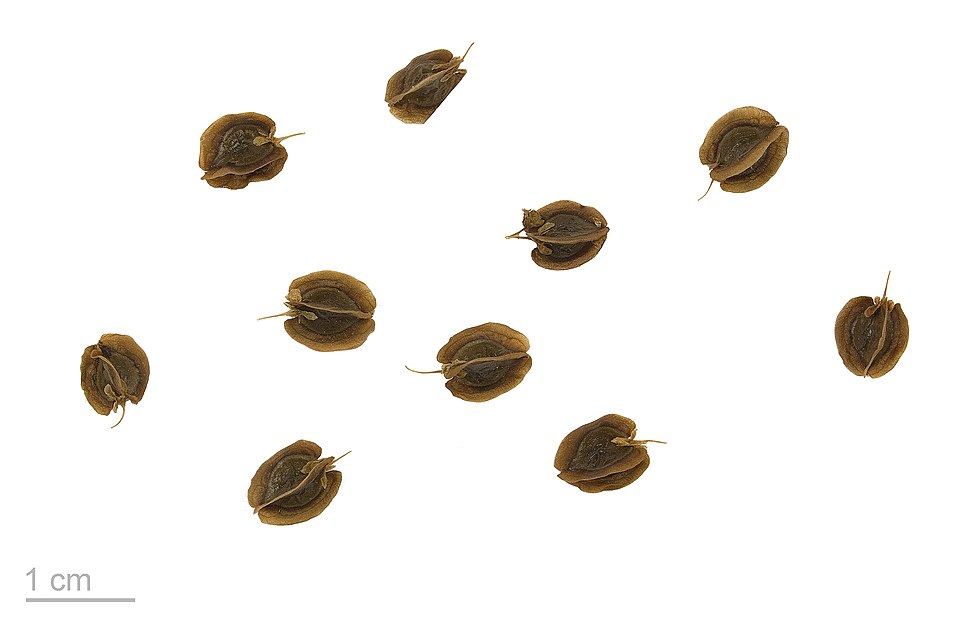
Hemp Seed, called Huo Ma Ren, is the dried seed of Cannabis sativa, the hemp plant, an annual herb of the hemp family (Cannabaceae) cultivated across temperate regions for fiber, food, and oil. The medicinal material is the small, oval, gray-green seed with a hard shell and pale kernel, harvested, cleaned, and dried for use. In trade it appears as whole seeds, shelled kernels, crushed seed, roasted seed, flour, and pressed oil, and the seed, leaf, flower, and resin are different Cannabis materials. Food hemp products, medicinal powders, and cannabinoid-containing products require separate labeling and regulation checks.
- English name
- Hemp Seed / Cannabis Seed
- Latin name
- Cannabis sativa L.
- Traditional category
- Purgative
- Nature
- Neutral
- Flavor description
- Sweet
- Record identifier
- huomaren
IDENTIFICATION
Identification and Image Notes
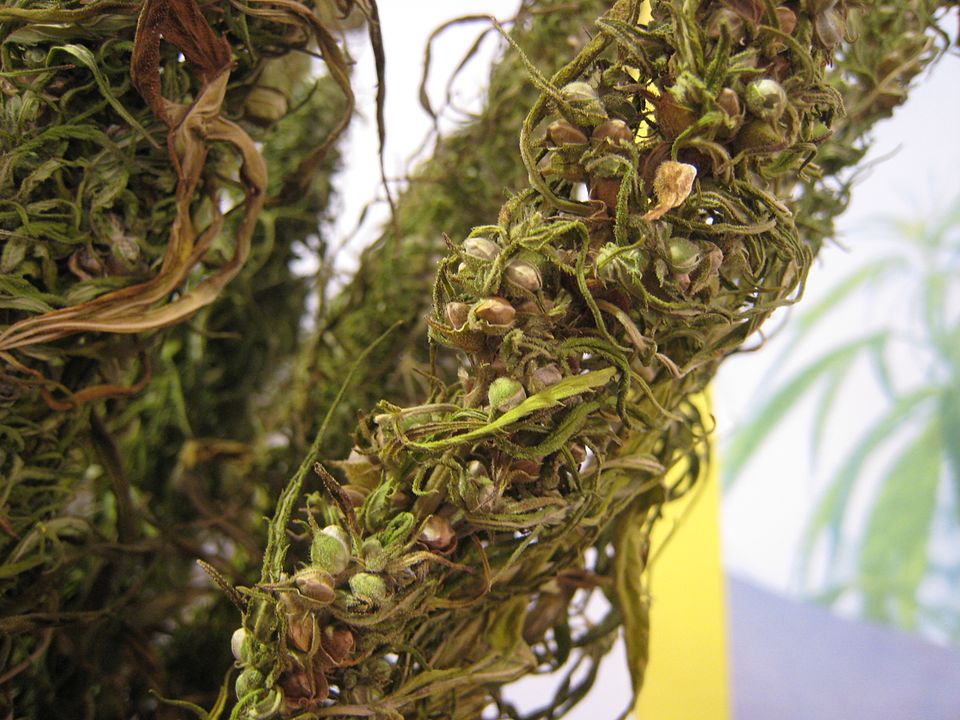
Hemp seeds are small, oval, and gray-green with a hard shell and pale kernel, and seed, leaf, flower, and resin are different Cannabis materials. The shelled kernel is cream-colored and oily, and the whole seed has a faint nutty smell. The small oval seed is distinctive, but the complete label and the regulatory category should be confirmed with the product before any comparison is made.
Images are for orientation only, not definitive species authentication; confirm species, part, source, and labeling with a qualified professional or authoritative monograph.
TRADITIONAL CONTEXT
Traditional Use in Context
Traditional records discuss Hemp Seed for moistening dryness, bowel movement, food-like nourishment, and mild traditional securing language, and it appears in formulas aimed at dry stools, such as Ma Zi Ren Wan, where it is paired with White Peony Root, Apricot Kernel, and other moistening materials for constipation language. Classical texts describe it for moistening the intestines and nourishing without harshness, always within a pattern-based framework. The moistening vocabulary is historical, and persistent constipation deserves clinical assessment of its cause rather than self-treatment. A sudden change in bowel habit, blood in the stool, or unintentional weight loss requires medical evaluation.
PROCESSING CONTEXT
Raw Material, Processing, and Product Form
Seeds may be shelled, crushed, roasted, or pressed for oil, and food hemp products, medicinal powders, and cannabinoid-containing products require separate labeling and regulation checks. Each form carries its own record.
The same name can cover a raw material, decoction piece, powder, extract, or finished product, so record the labeled form rather than assuming it; see the safety review for the questions to ask.
SAFETY REVIEW
Safety Boundaries
Review allergy, diarrhea, pregnancy, drug interactions, and the complete cannabinoid or supplement label, and check the regulatory category of any product. A hemp-seed record should never be used to identify an unknown Cannabis product, and this page is educational and is not a dose recommendation.
This record is not a dose recommendation; risk depends on identity, preparation, amount, duration, contamination, other medicines, and health conditions — a traditional or “natural” label cannot establish safety. For the full framework, read the Chinese Herbal Medicine Safety Review.
COMPARISON
How This Entry Differs
Compare Hemp Seed with Rhubarb Root and Cassia Seed for different bowel mechanisms, food versus medicinal form, and regulatory boundaries. Hemp Seed is the food-like, gentle member of the group with the most regulatory complexity.
Use the related-entry links below to compare identity, part, processing, and safety boundaries — similar categories do not make materials interchangeable.
STUDY METHOD
New to these entries?
Read the four-step method in How to Read a Herb Entry before comparing materials.