Herb reference entry
Polygala Root / Thin-leaved Polygala
Polygala Root / Thin-leaved Polygala
Polygala tenuifolia Willd.
Reviewed by Kuda, September 2, 2026 - Editorial policy
OVERVIEW
What This Record Covers
Polygala Root, called Yuan Zhi, is the dried root of Polygala tenuifolia, thin-leaved polygala, a slender perennial herb of the milkwort family (Polygalaceae) that grows on dry slopes and grasslands across northern China. The medicinal material is the thin, twisted, yellow-brown root with a tough bark that is often removed during preparation, harvested, cleaned, and processed for use. In trade it appears as processed root pieces, slices, powders, granules, and combined formulas. Because the raw root is irritating to the throat, the preparation method is an essential part of the identity and safety record.
- English name
- Polygala Root / Thin-leaved Polygala
- Latin name
- Polygala tenuifolia Willd.
- Traditional category
- Mind Calming
- Nature
- Warm
- Flavor description
- Bitter, Pungent
- Record identifier
- yuanzhi
IDENTIFICATION
Identification and Image Notes
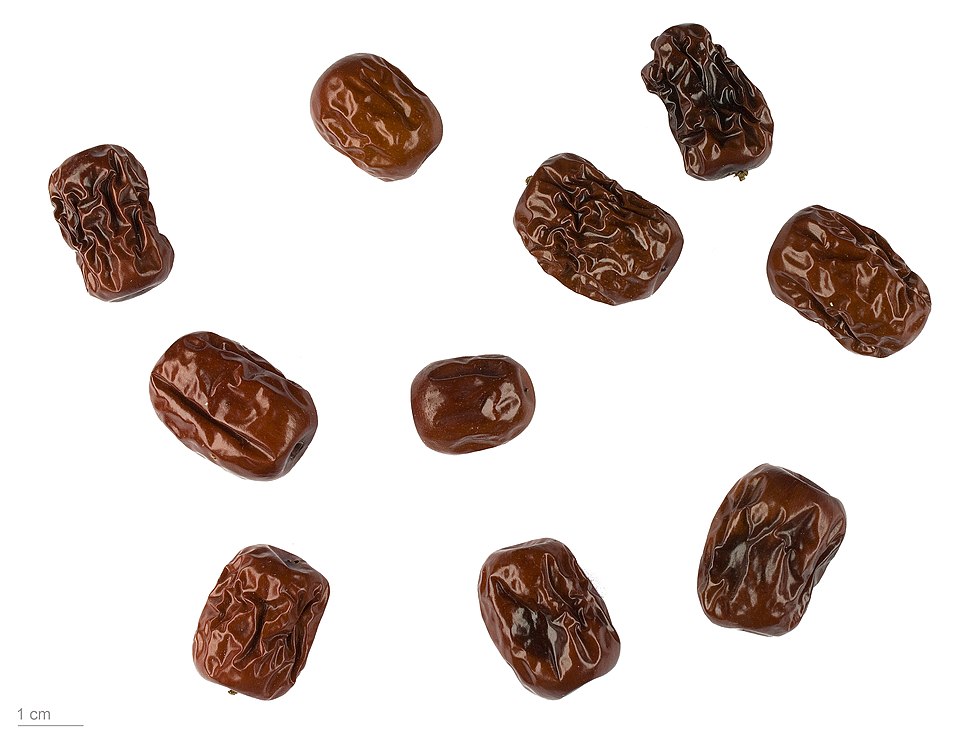
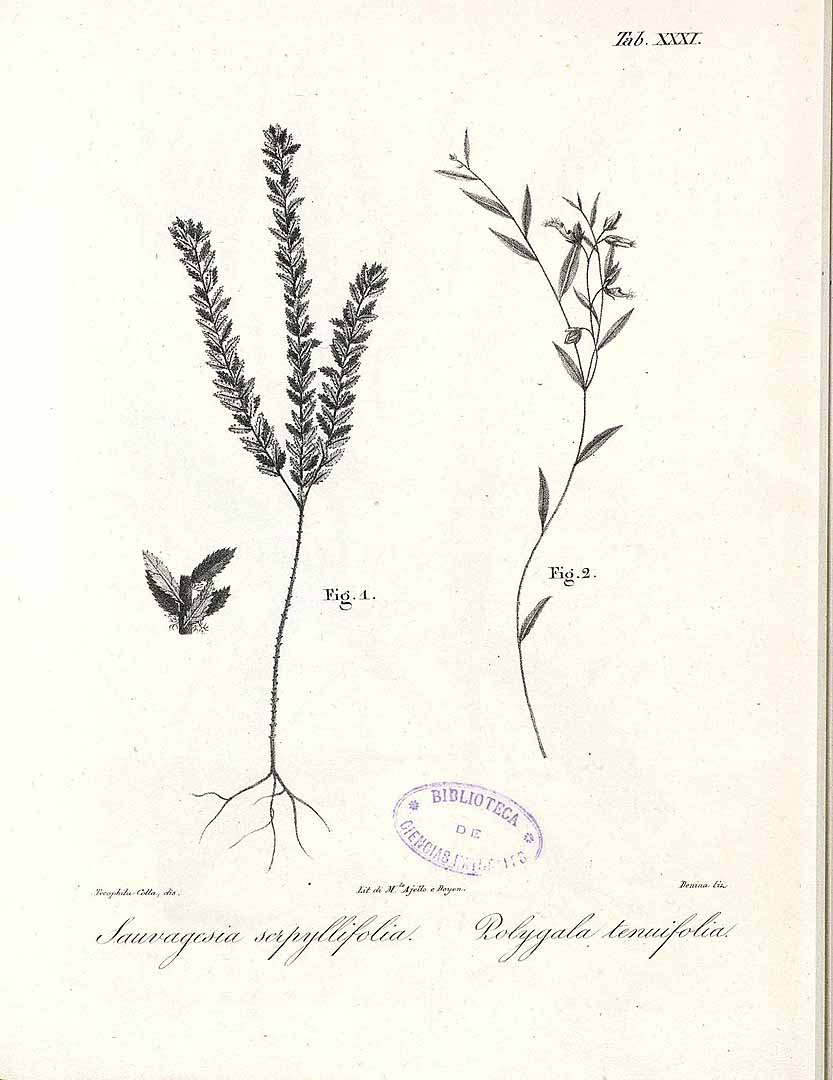
The root is thin, twisted, and yellow-brown, with a tough bark that may be removed, and species and root preparation are important because the raw root is irritating. The dried root is thin and wiry, often twisted, with a yellowish-brown bark and a pale woody core. The thin twisted form is an orientation clue, but the species and preparation should be confirmed with the label, and the core-removed processed form should be recorded separately.
Images are for orientation only, not definitive species authentication; confirm species, part, source, and labeling with a qualified professional or authoritative monograph.
TRADITIONAL CONTEXT
Traditional Use in Context
Traditional records discuss Polygala for calming the spirit, memory, phlegm, and communication between heart and kidney, and it appears in classical formulas aimed at restless sleep, poor memory, and heart-related presentations, such as Ding Zhi Wan, where it is paired with Sour Jujube Seed and Poria. Classical texts describe it for calming the spirit and opening communication between the heart and kidneys, always within a pattern-based framework. The memory vocabulary is historical, and confusion, severe anxiety, or persistent memory change requires clinical evaluation rather than a traditional label.
PROCESSING CONTEXT
Raw Material, Processing, and Product Form
Raw root is commonly treated by removing the core, soaking, and processing with auxiliary materials, and prepared Polygala and unprocessed root should never be presented as one form. The processing record is part of the identity document.
The same name can cover a raw material, decoction piece, powder, extract, or finished product, so record the labeled form rather than assuming it; see the safety review for the questions to ask.
SAFETY REVIEW
Safety Boundaries
Review gastrointestinal irritation, sedation, pregnancy, allergy, and products with sleep or mood medicines, and keep the prepared form separate from the raw root. Confusion, severe anxiety, or persistent memory change needs clinical evaluation, and this page is educational and is not a dose recommendation.
This record is not a dose recommendation; risk depends on identity, preparation, amount, duration, contamination, other medicines, and health conditions — a traditional or “natural” label cannot establish safety. For the full framework, read the Chinese Herbal Medicine Safety Review.
COMPARISON
How This Entry Differs
Compare Polygala Root with Sour Jujube Seed and Longan Aril for calming and heart-related language, but keep the irritation and processing differences explicit. Polygala is the root-based member of the group with the strongest throat-irritation history.
Use the related-entry links below to compare identity, part, processing, and safety boundaries — similar categories do not make materials interchangeable.
STUDY METHOD
New to these entries?
Read the four-step method in How to Read a Herb Entry before comparing materials.