Herb reference entry
Poria / Indian Bread / Tuckahoe
Poria / Indian Bread / Tuckahoe
Wolfiporia extensa (Peck) Ginns(:Poria cocos (Schw.) Wolf)
Reviewed by Kuda, September 2, 2026 - Editorial policy
OVERVIEW
What This Record Covers
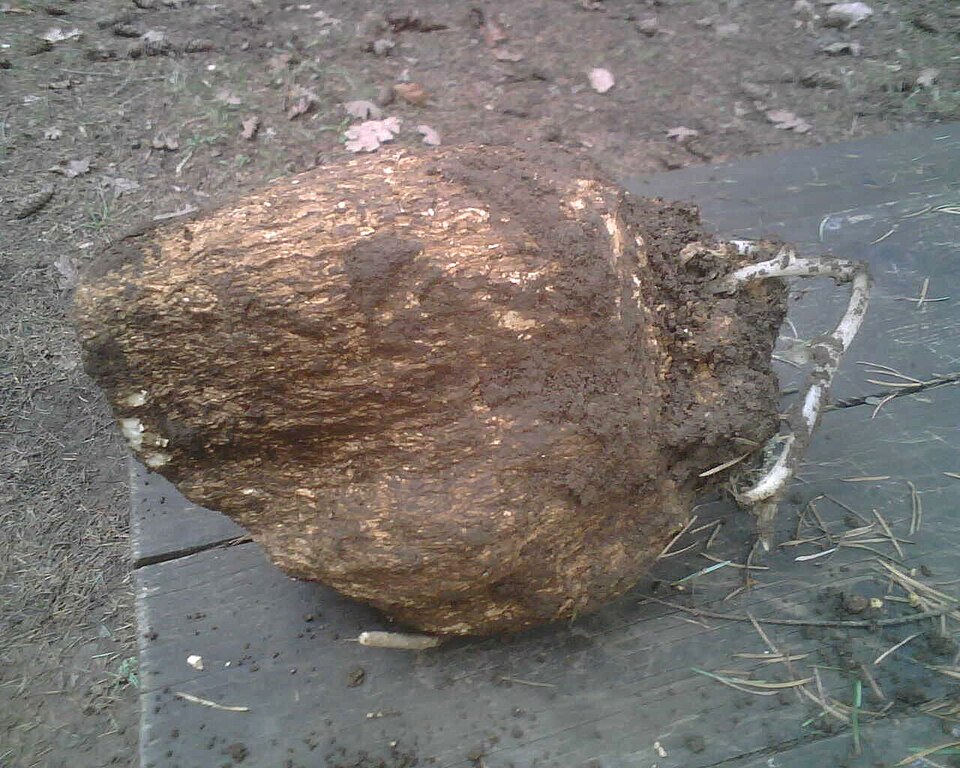
Poria, called Fu Ling, is the dried sclerotium of the fungus Wolfiporia extensa, historically referred to as Poria cocos, a bracket fungus that grows on the roots of pine trees in forests across China. The medicinal material is the pale, cork-like fungal body, which may be cut into white cubes, thin slices, or powder after the dark outer skin is removed. In trade it appears as white cubes, slices, powder, granules, and combined formulas. Because Poria is a fungus rather than a plant root, and because species naming has changed in references, the accepted Latin name and the stated part should accompany any product.
- English name
- Poria / Indian Bread / Tuckahoe
- Latin name
- Wolfiporia extensa (Peck) Ginns(:Poria cocos (Schw.) Wolf)
- Traditional category
- Water Draining
- Nature
- Neutral
- Flavor description
- Sweet, Bland
- Record identifier
- fuling
IDENTIFICATION
Identification and Image Notes
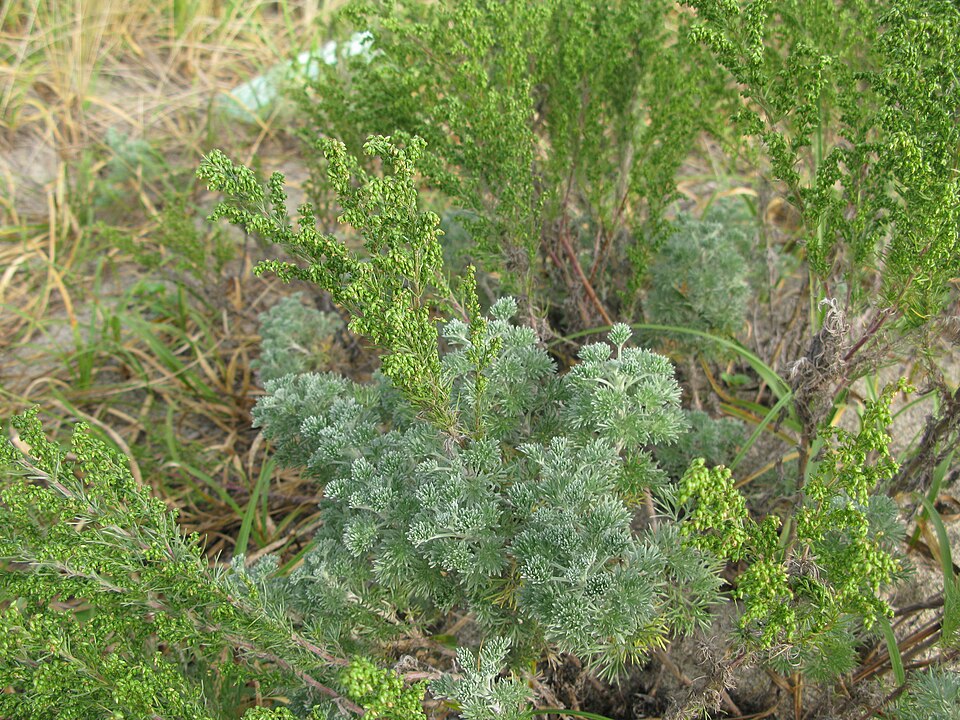
Poria is a pale, cork-like fungal sclerotium that may be cut into white cubes or thin slices, and it is not a plant root. The white inner material is light, chalky, and slightly porous, while the dark outer skin is a separate section sold as a different record. The pale color and light texture are orientation clues, but the fungal species and the product form should be confirmed with the label, since several fungal sclerotia are traded under related names.
Images are for orientation only, not definitive species authentication; confirm species, part, source, and labeling with a qualified professional or authoritative monograph.
TRADITIONAL CONTEXT
Traditional Use in Context
Traditional records discuss Poria for promoting urination, supporting digestion, calming the mind, and managing traditional dampness language, and it is one of the most frequently used ingredients in classical formulas, including Si Jun Zi Tang for digestion, Wu Ling San for fluid movement, and Liu Wei Di Huang Wan for yin nourishment. Classical texts describe it for dampness-related presentations, edema language, and restless sleep, always within a pattern-based framework. The fluid vocabulary is historical, and new edema, reduced urine, or shortness of breath requires clinical assessment to identify the underlying cause.
PROCESSING CONTEXT
Raw Material, Processing, and Product Form
The outer skin may be removed and the sclerotium cut or powdered, and different sections, powders, and extract granules should be listed separately. The white inner material and the dark outer layer are distinct records.
The same name can cover a raw material, decoction piece, powder, extract, or finished product, so record the labeled form rather than assuming it; see the safety review for the questions to ask.
SAFETY REVIEW
Safety Boundaries
Review fluid restrictions, kidney or heart disease, frequent urination, allergy, and product contamination, and check for interactions with diuretics or medicines affecting fluid balance. New edema or reduced urine requires clinical assessment, and this page is educational and is not a dose recommendation.
This record is not a dose recommendation; risk depends on identity, preparation, amount, duration, contamination, other medicines, and health conditions — a traditional or “natural” label cannot establish safety. For the full framework, read the Chinese Herbal Medicine Safety Review.
COMPARISON
How This Entry Differs
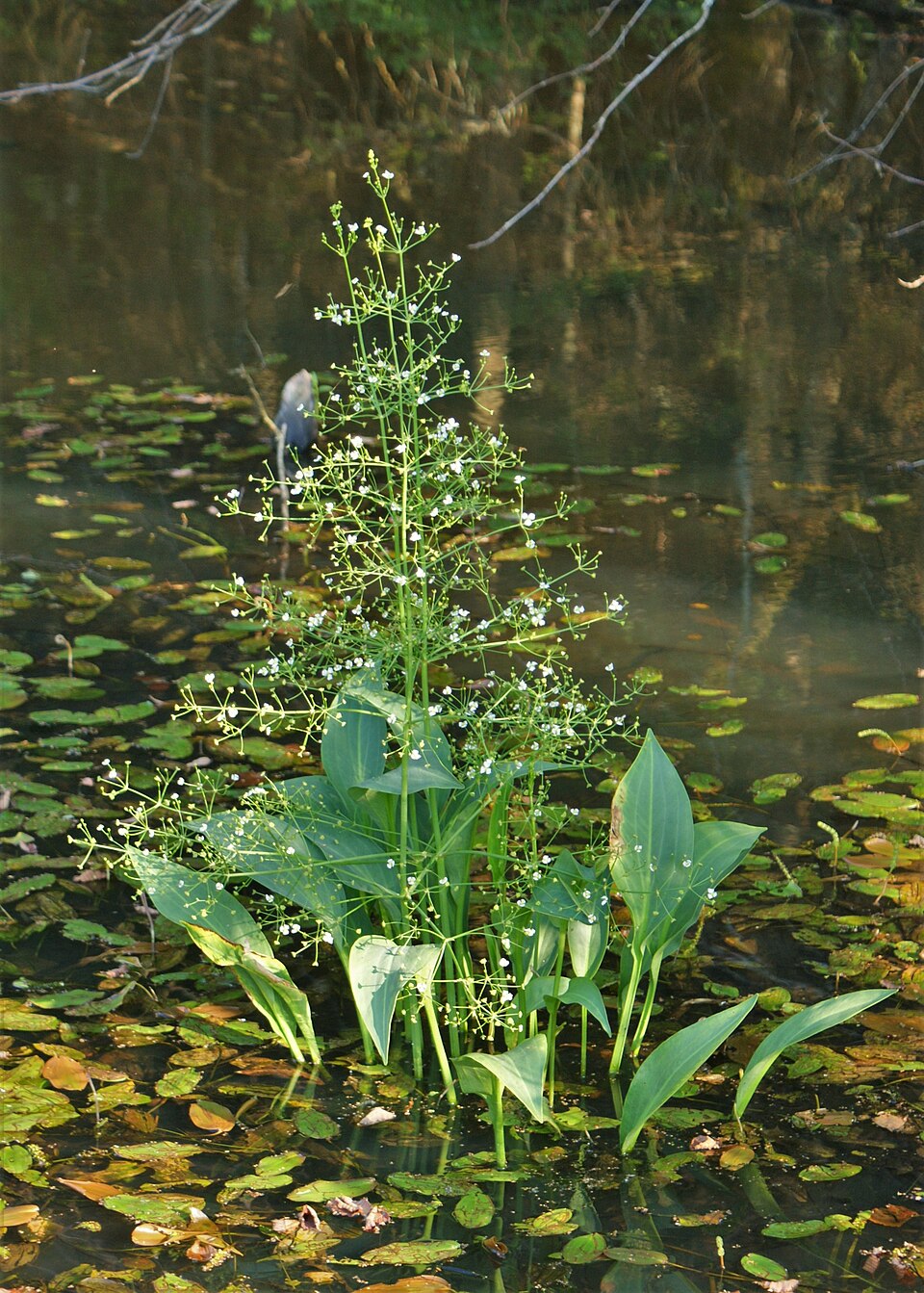
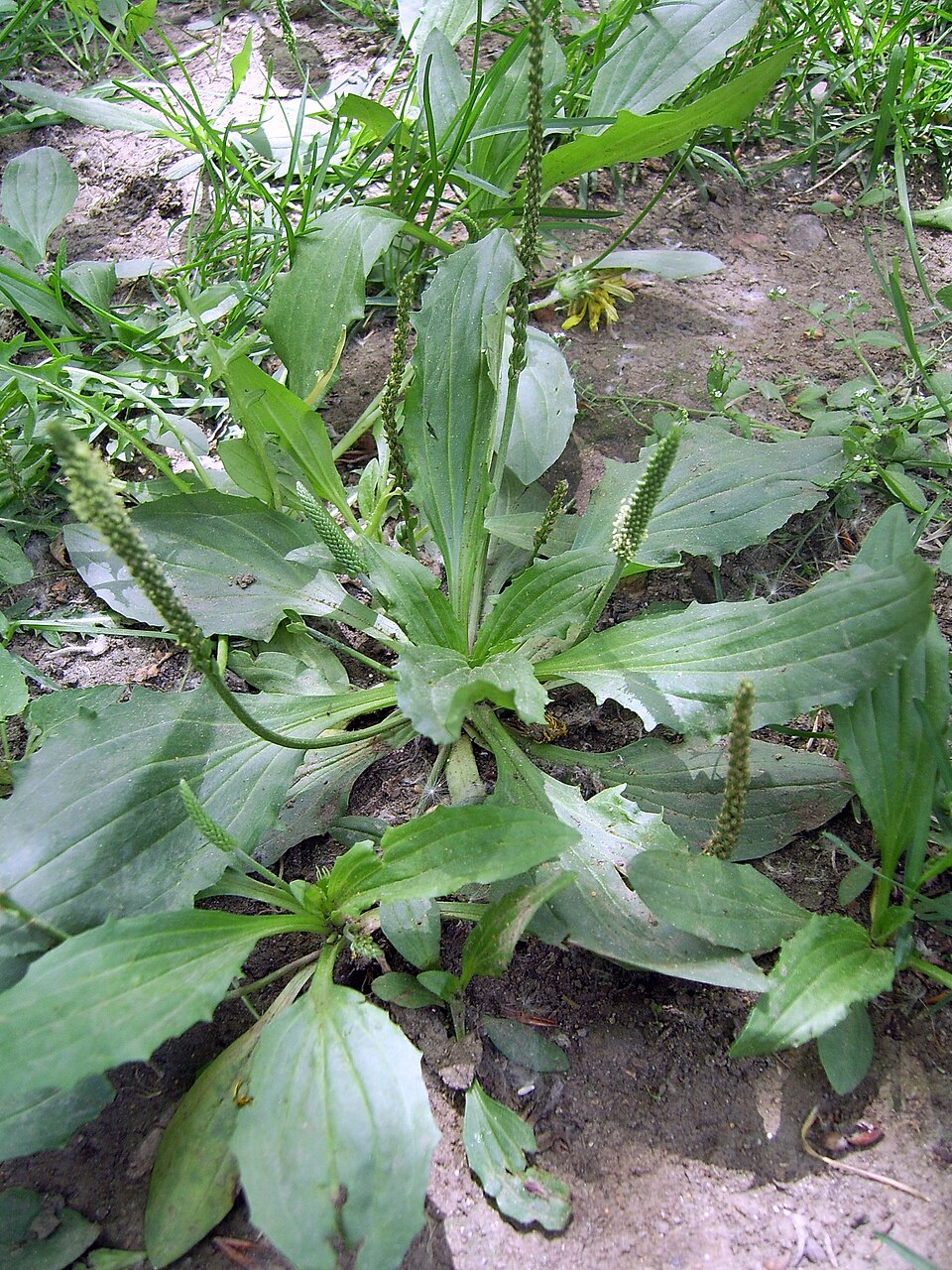
Compare Poria with Alisma Rhizome and Plantain Herb for fluid-related language, while noting the fungal source and the different traditional emphasis on digestion and calmness. Poria is the only fungus of the three and the gentlest in tone.
Use the related-entry links below to compare identity, part, processing, and safety boundaries — similar categories do not make materials interchangeable.
STUDY METHOD
New to these entries?
Read the four-step method in How to Read a Herb Entry before comparing materials.