Herb reference entry
Akebia Stem / Chocolate Vine
Akebia Stem / Chocolate Vine
Akebia quinata (Houtt.) Decne.
Reviewed by Kuda, September 2, 2026 - Editorial policy
OVERVIEW
What This Record Covers
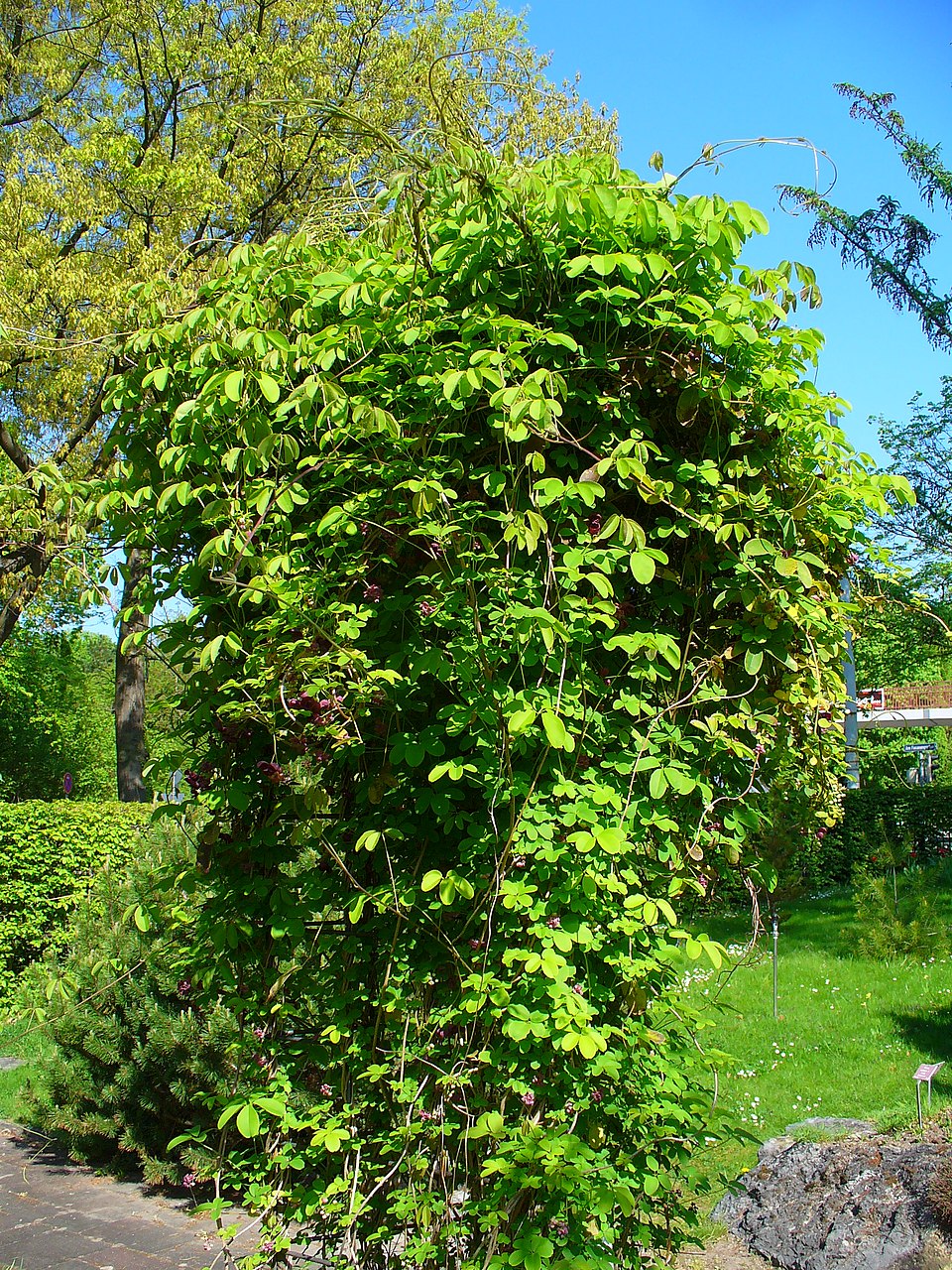
Akebia Stem, called Mu Tong, is the dried stem of Akebia quinata, the chocolate vine, a woody climbing plant of the Lardizabalaceae family native to East Asia. The medicinal material is the cylindrical, woody stem with a pale interior, harvested from mature vines, cut, and dried for use. In trade it appears as stem segments, slices, powders, and combined formulas. The name “Mu Tong” has a history of being applied to different botanical materials, including unrelated vines, which makes source verification essential before any product is identified by name alone.
- English name
- Akebia Stem / Chocolate Vine
- Latin name
- Akebia quinata (Houtt.) Decne.
- Traditional category
- Water Draining
- Nature
- Cold
- Flavor description
- Bitter
- Record identifier
- mutong
IDENTIFICATION
Identification and Image Notes
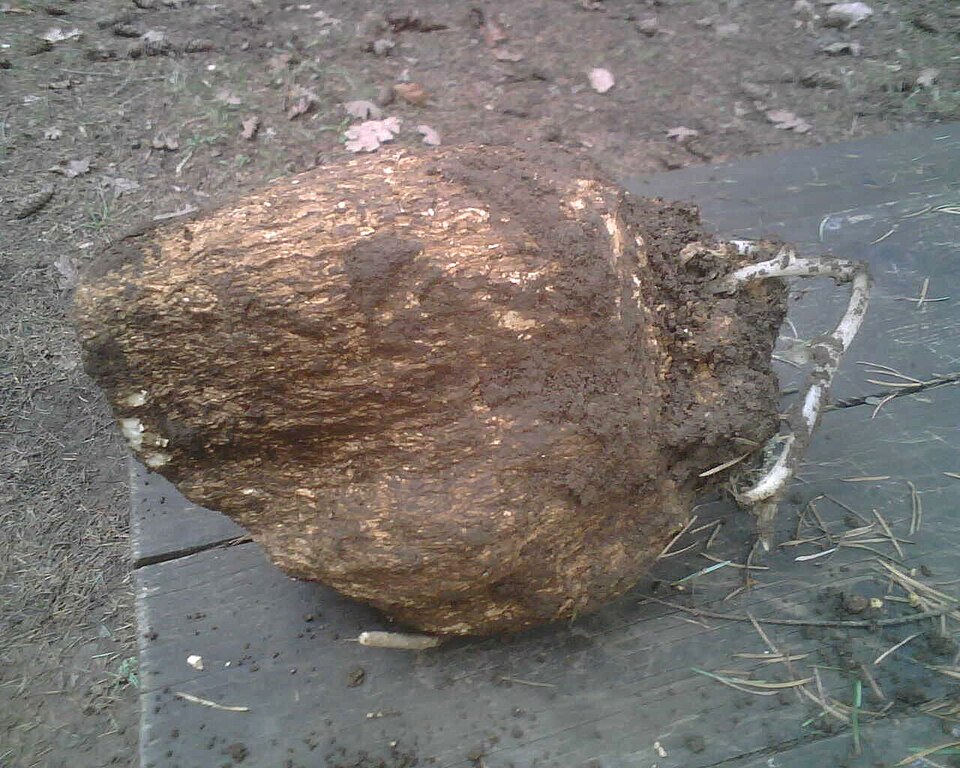
Akebia stems are cylindrical and woody with a pale interior, and the name “Mu Tong” has a history of being applied to different botanical materials, making source verification essential. The dried stem is hard, pale, and finely striated, with a characteristically light texture when sectioned. The Latin name and medicinal part should be printed on any traceable product, and an unknown Mu Tong should never be identified by name alone.
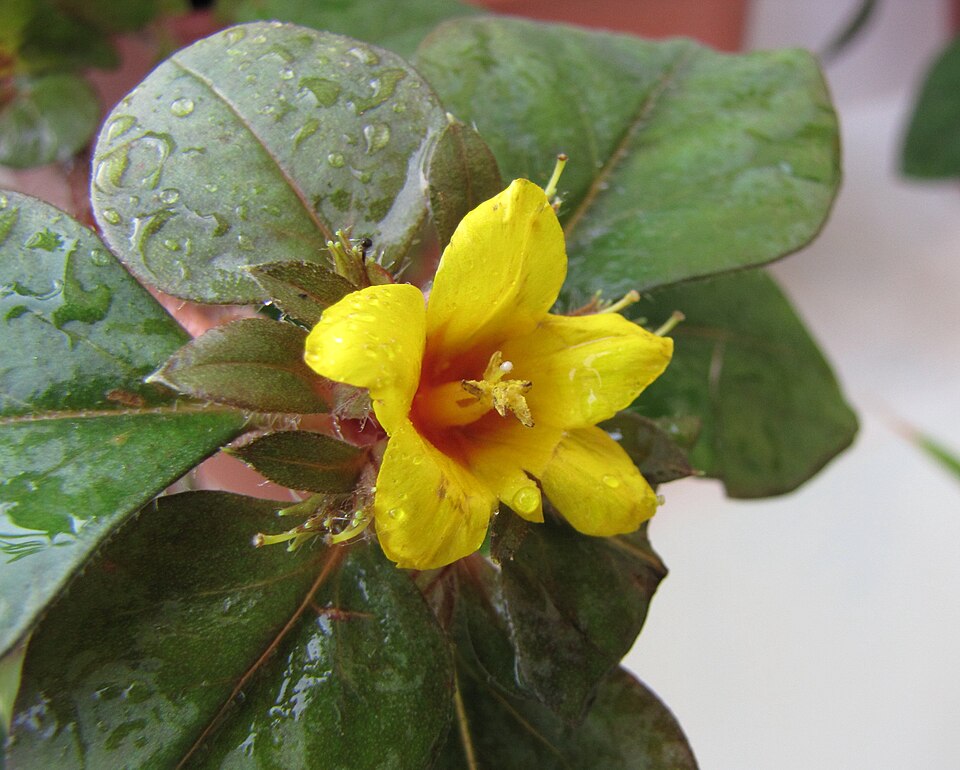
Images are for orientation only, not definitive species authentication; confirm species, part, source, and labeling with a qualified professional or authoritative monograph.
TRADITIONAL CONTEXT
Traditional Use in Context
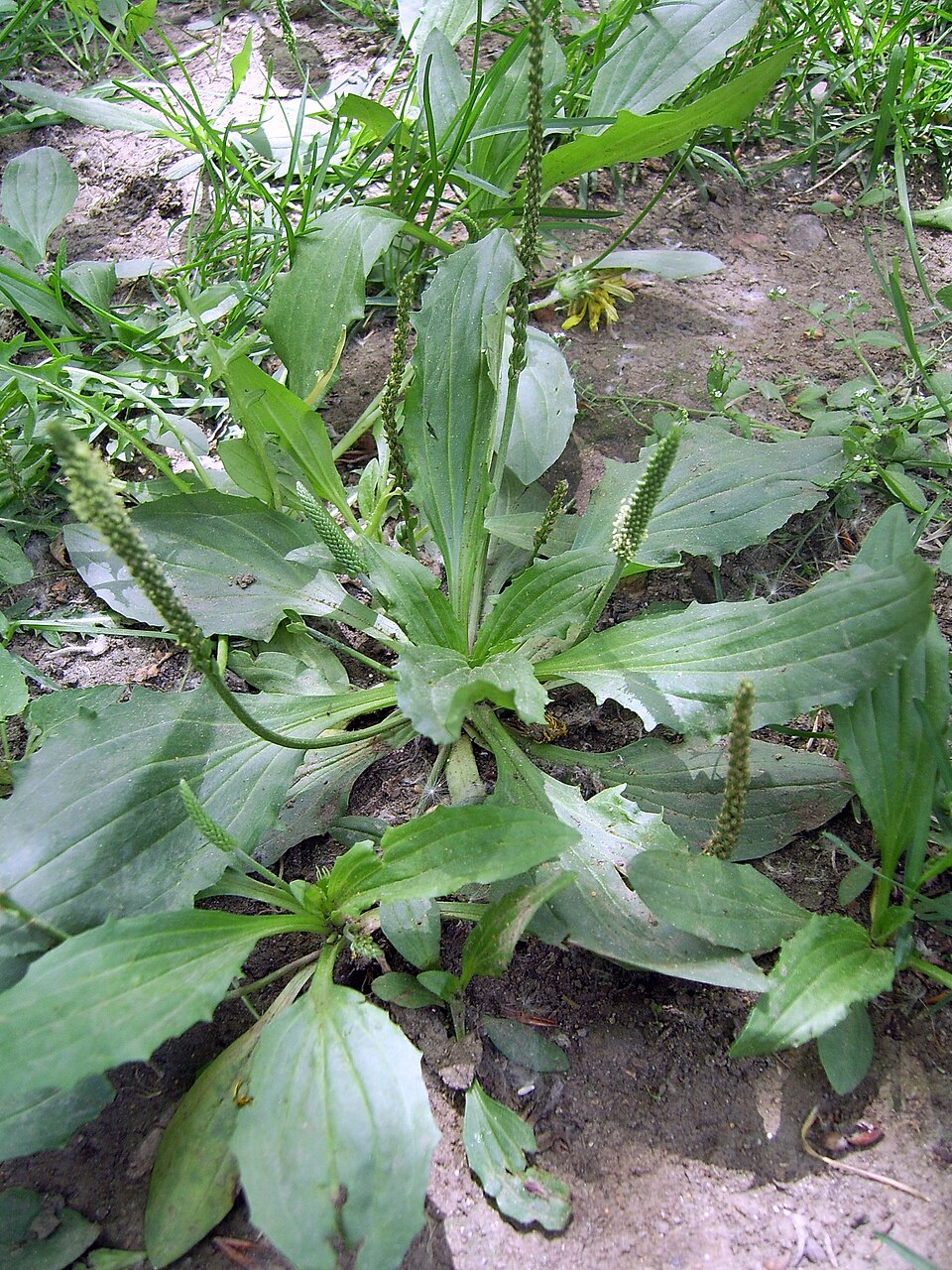
Traditional records discuss Akebia Stem for promoting urination, lactation-related historical language, and heart or small-intestine heat descriptions, and it appears in formulas aimed at urinary discomfort and heat-related presentations, such as Dao Chi San, where it is paired with Rehmannia and Plantain Herb. Classical texts describe it for promoting urination and clearing heat, always within a pattern-based framework. The urinary vocabulary is historical, and urinary symptoms, reduced urine, or new swelling requires clinical assessment rather than a traditional label. Dark urine, blood in the urine, or pain with urination needs medical evaluation.
PROCESSING CONTEXT
Raw Material, Processing, and Product Form
Stems are cut and dried, while powders and combined products may use a different source, and the Latin name and medicinal part should be printed on any traceable product. Each form carries its own identity and quality record.
The same name can cover a raw material, decoction piece, powder, extract, or finished product, so record the labeled form rather than assuming it; see the safety review for the questions to ask.
SAFETY REVIEW
Safety Boundaries
Do not identify an unknown Mu Tong by name alone, and review kidney disease, dehydration, pregnancy, breastfeeding, and the possibility of substitution with a professional. Reduced urine, swelling, or urinary symptoms requires medical assessment, and this page is educational and is not a dose recommendation.
This record is not a dose recommendation; risk depends on identity, preparation, amount, duration, contamination, other medicines, and health conditions — a traditional or “natural” label cannot establish safety. For the full framework, read the Chinese Herbal Medicine Safety Review.
COMPARISON
How This Entry Differs
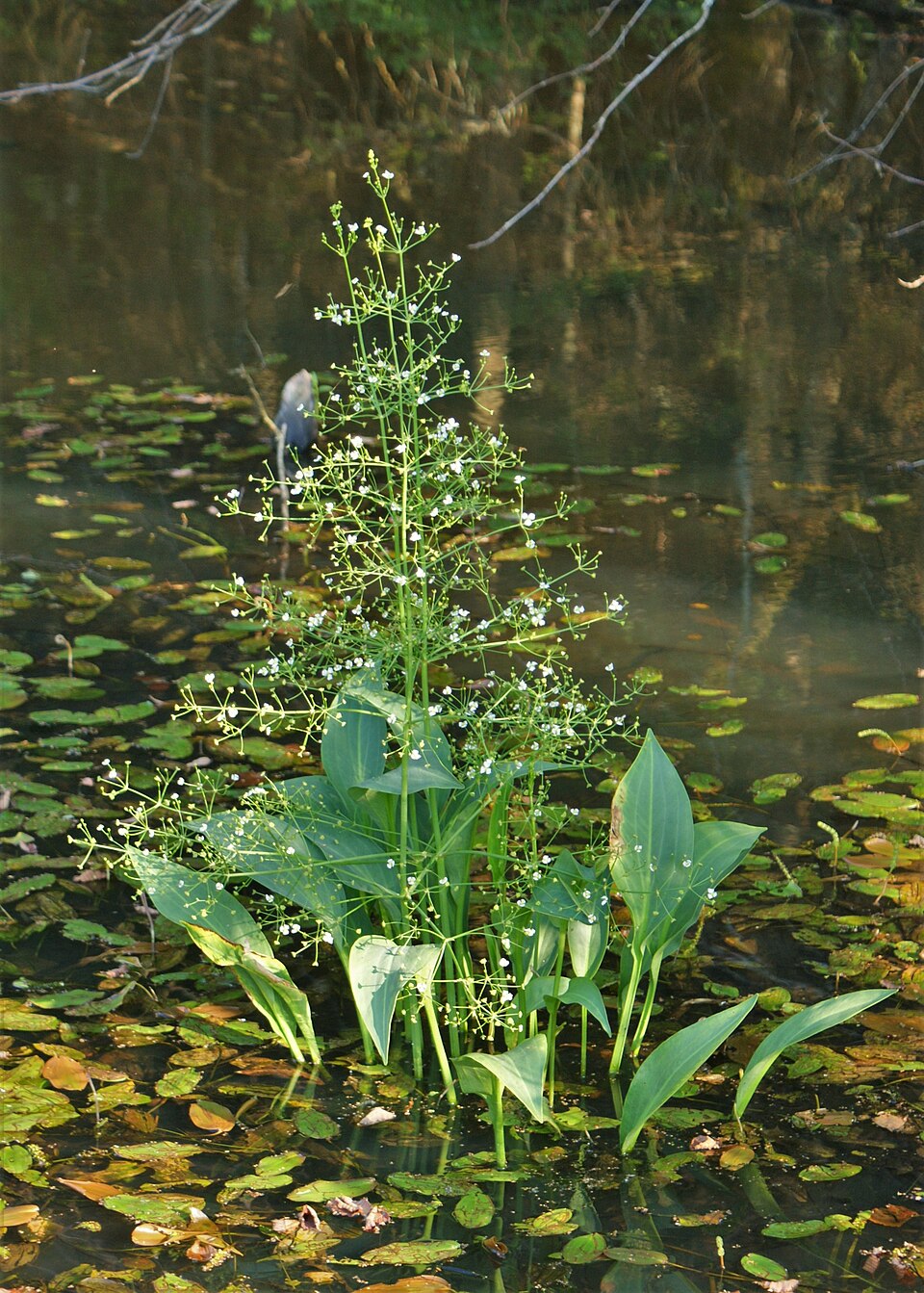
Compare Akebia Stem with Alisma Rhizome and Plantain Herb for fluid movement, but give this name extra attention because historical source confusion changes the safety review. The stem identity and the substitution history set it apart from the other two.
Use the related-entry links below to compare identity, part, processing, and safety boundaries — similar categories do not make materials interchangeable.
STUDY METHOD
New to these entries?
Read the four-step method in How to Read a Herb Entry before comparing materials.