Herb reference entry
Alisma Rhizome / Water Plantain
Alisma Rhizome / Water Plantain
Alisma plantago-aquatica L.
Reviewed by Kuda, September 2, 2026 - Editorial policy
OVERVIEW
What This Record Covers
Alisma Rhizome, called Ze Xie, is the dried rhizome of Alisma plantago-aquatica and accepted Alisma sources, a perennial aquatic herb of the water-plantain family (Alismataceae) that grows in shallow water and wet fields across Asia. The medicinal part is the round or irregular underground rhizome, which is pale outside and ringed inside, dug, cleaned, and dried for use as slices. In trade it appears as rhizome slices, powders, granules, and combined formulas. Because species, habitat, and the distinction between the rhizome and the leaf should be documented, the label should state the part and the cultivation record.
- English name
- Alisma Rhizome / Water Plantain
- Latin name
- Alisma plantago-aquatica L.
- Traditional category
- Water Draining
- Nature
- Cold
- Flavor description
- Sweet, Bland
- Record identifier
- zexie
IDENTIFICATION
Identification and Image Notes
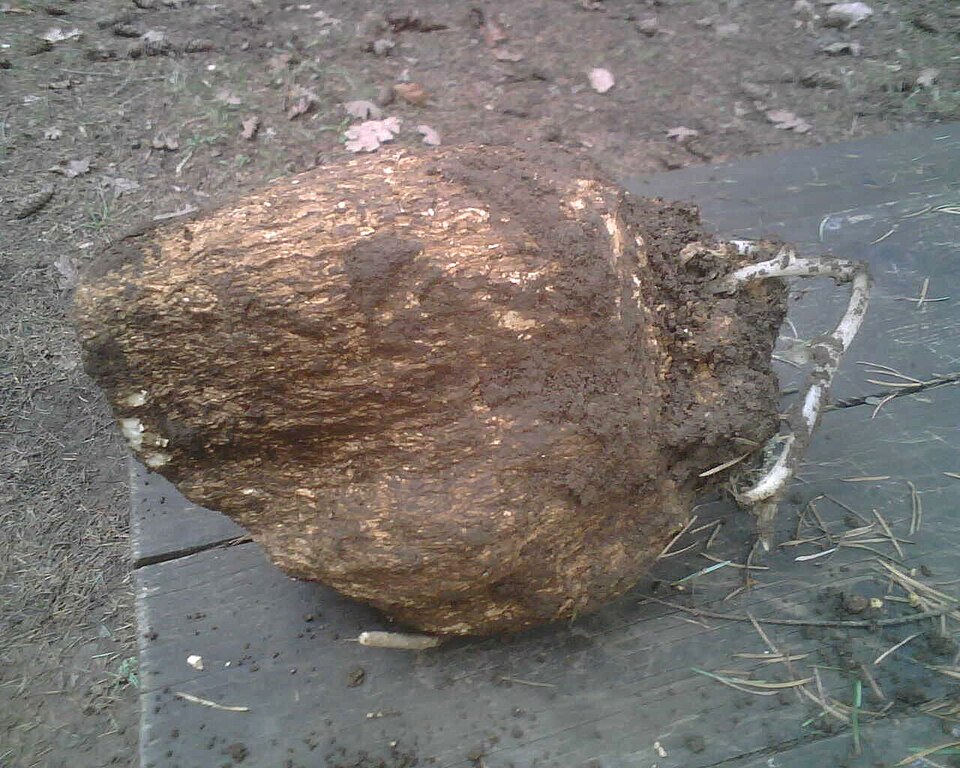
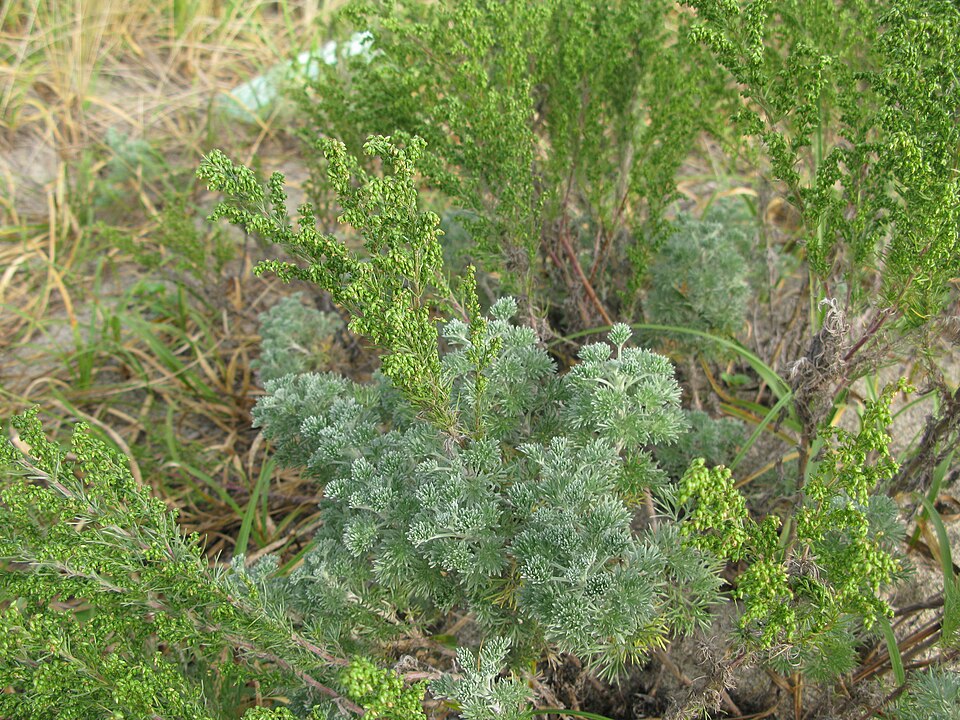
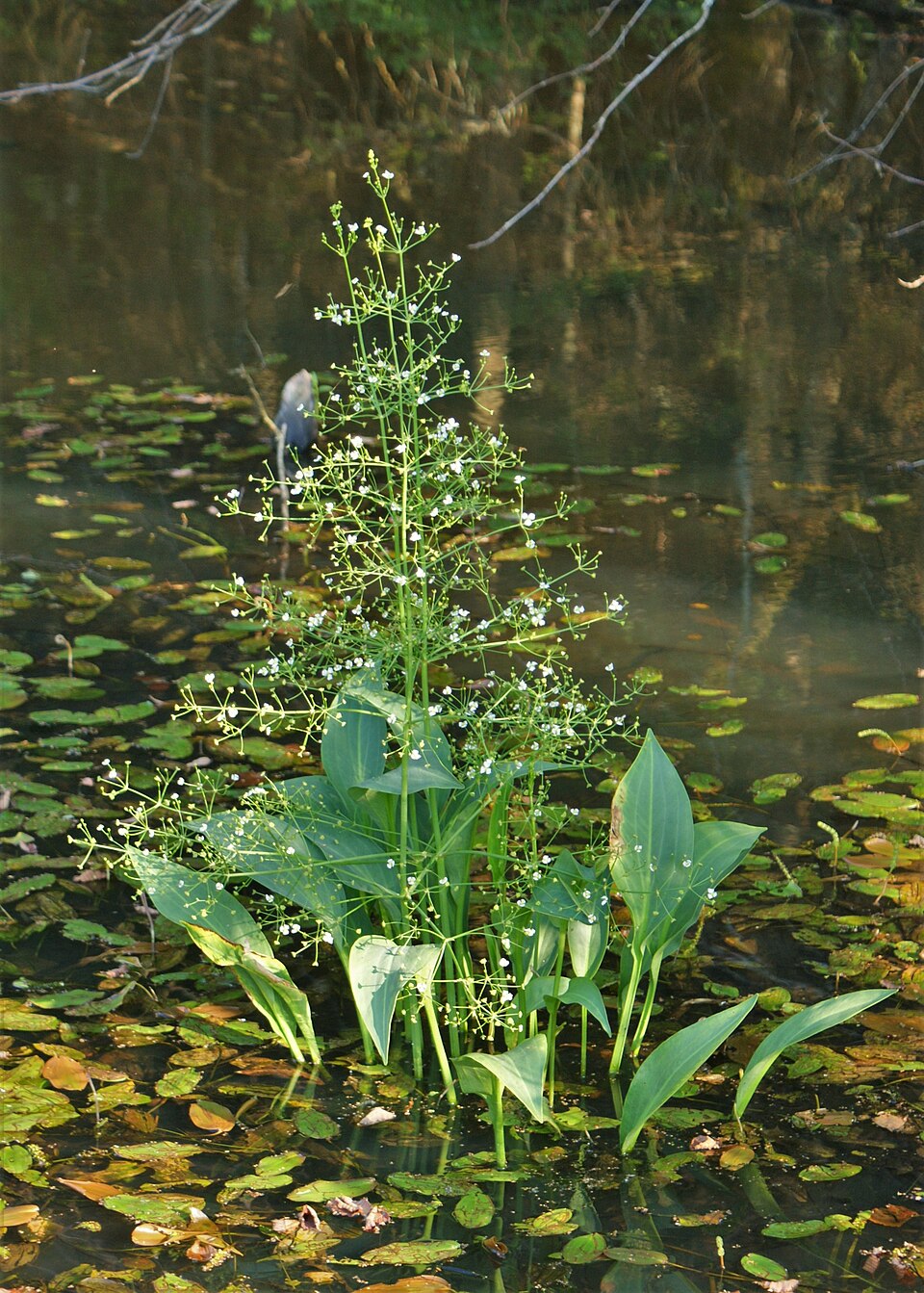
The rhizome is round or irregular, pale outside, and ringed inside, and species, habitat, and the distinction between rhizome and leaf products should be documented. The dried slices are pale and starchy with a distinctive pattern of fine concentric rings, and the texture is firm and slightly spongy. The ringed interior is an orientation clue, but the species and slice form need a traceable label, and aquatic habitat should be confirmed with the source.
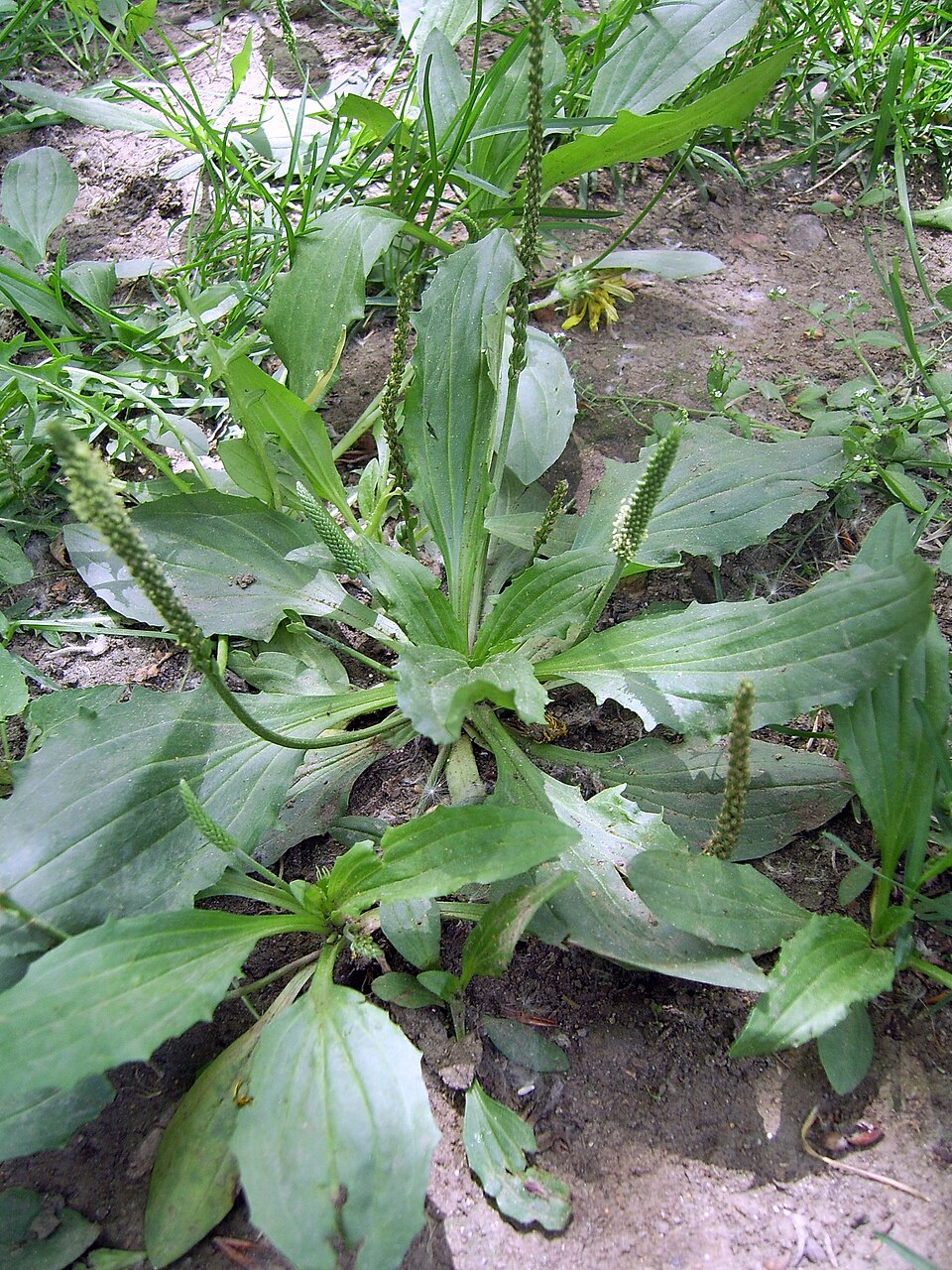
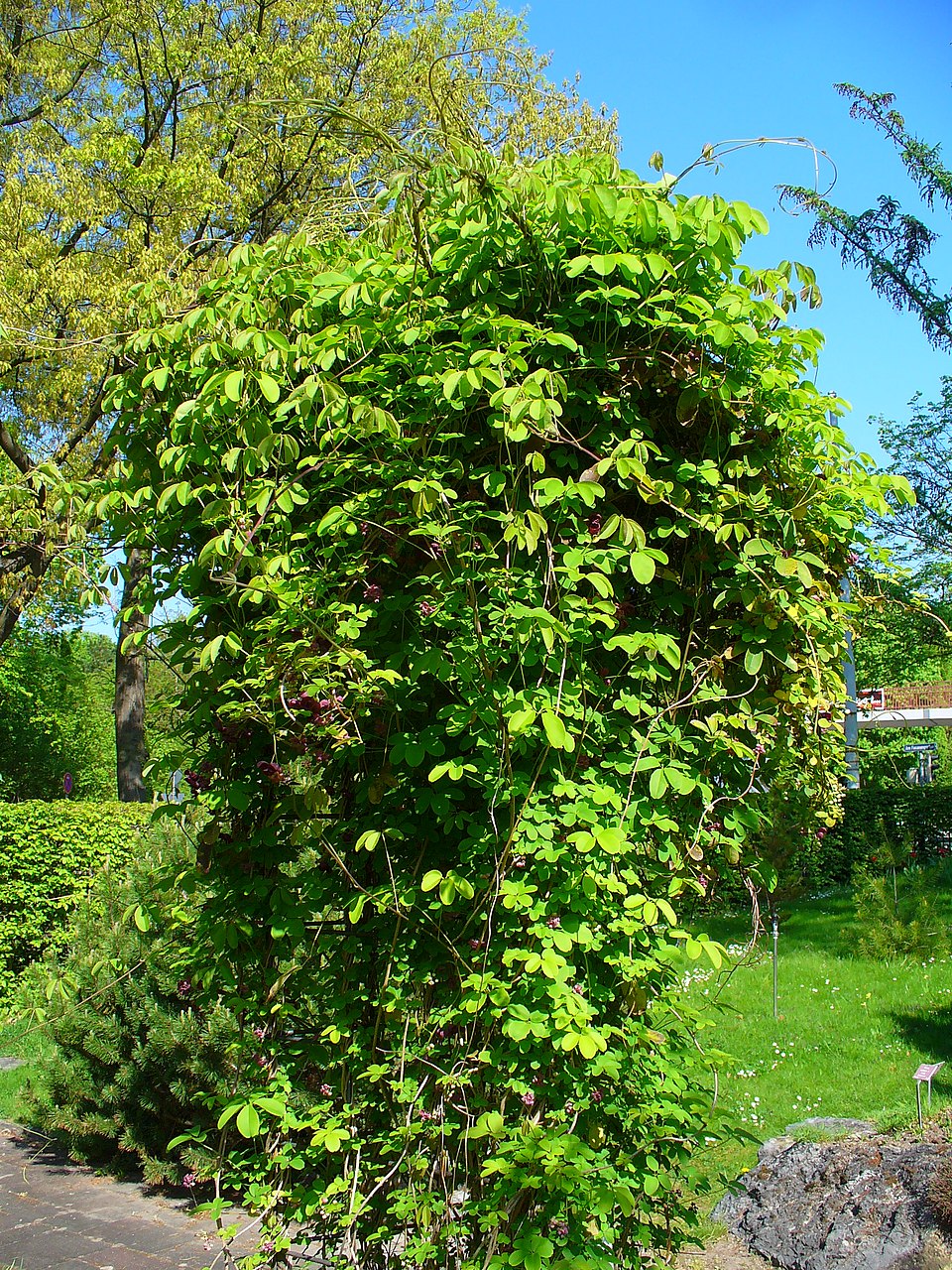
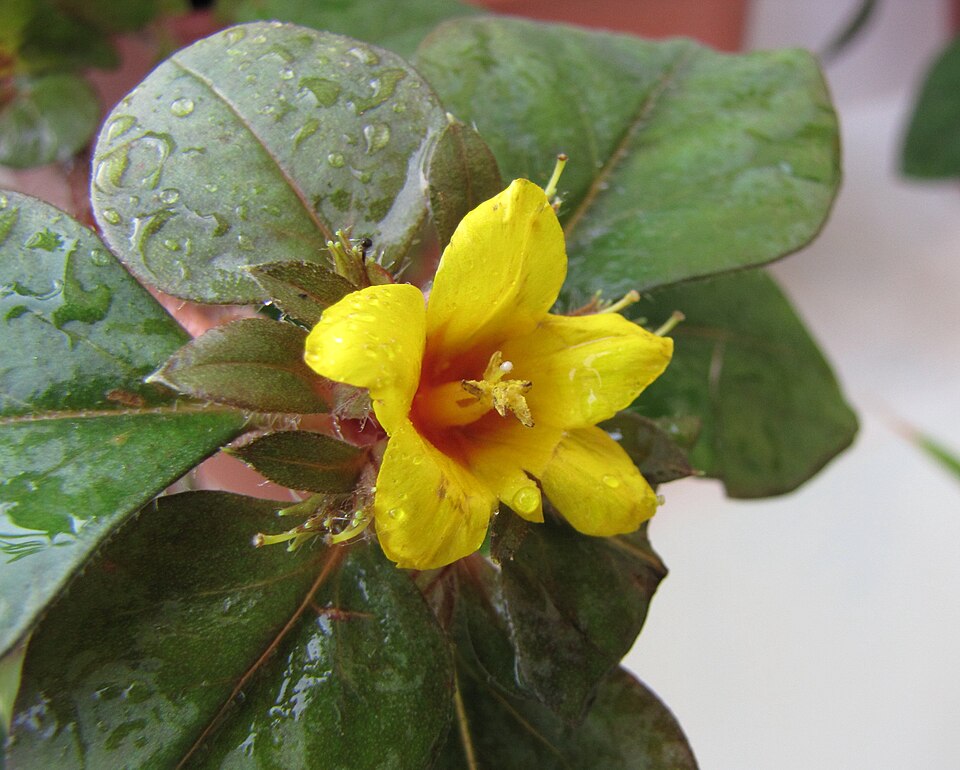
Images are for orientation only, not definitive species authentication; confirm species, part, source, and labeling with a qualified professional or authoritative monograph.
TRADITIONAL CONTEXT
Traditional Use in Context
Traditional records discuss Alisma for promoting urination, draining dampness, and lower-body fluid or heat language, and it appears in classical formulas aimed at dampness and edema, including Liu Wei Di Huang Wan as a draining partner and Wu Ling San as a fluid-moving combination, where it is paired with Poria and Polyporus. Classical texts describe it for edema language and for damp-heat in the lower body, always within a pattern-based framework. The fluid vocabulary is historical, and edema can signal heart, kidney, liver, or vascular disease, so the underlying cause must be assessed rather than assumed, and new or worsening swelling requires medical evaluation.
PROCESSING CONTEXT
Raw Material, Processing, and Product Form
Raw rhizome and salt-processed rhizome are separate records, and slices, powders, and concentrated diuretic products should not be summarized as one form. Each form has its own concentration and traditional emphasis.
The same name can cover a raw material, decoction piece, powder, extract, or finished product, so record the labeled form rather than assuming it; see the safety review for the questions to ask.
SAFETY REVIEW
Safety Boundaries
Review kidney disease, dehydration, fluid restriction, frequent urination, and medicines with diuretic effects, and check for electrolyte or fluid-balance effects with long-term use. Edema can signal heart, kidney, liver, or vascular disease, and new or worsening swelling requires medical assessment.
This record is not a dose recommendation; risk depends on identity, preparation, amount, duration, contamination, other medicines, and health conditions — a traditional or “natural” label cannot establish safety. For the full framework, read the Chinese Herbal Medicine Safety Review.
COMPARISON
How This Entry Differs
Compare Alisma Rhizome with Poria and Plantain Herb for fluid movement, source part, cooling direction, and the need to identify the cause of edema. Alisma is the most actively draining of the three in classical language. The salt-processed form is recorded separately and is described as gentler in traditional practice than the raw rhizome.
Use the related-entry links below to compare identity, part, processing, and safety boundaries — similar categories do not make materials interchangeable.
STUDY METHOD
New to these entries?
Read the four-step method in How to Read a Herb Entry before comparing materials.