Herb reference entry
Uncaria Stem with Hooks / Gambir Plant
Uncaria Stem with Hooks / Gambir Plant
Uncaria rhynchophylla (Miq.) Miq. ex Havil.
Reviewed by Kuda, September 2, 2026 - Editorial policy
OVERVIEW
What This Record Covers
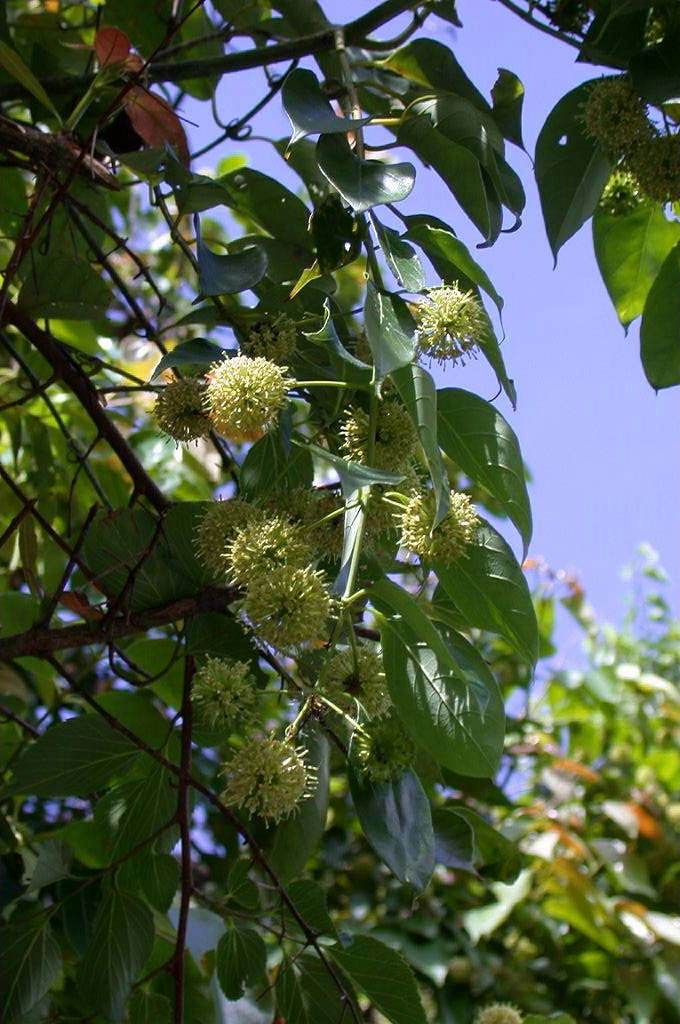
Uncaria Stem with Hooks, called Gou Teng, is the hooked stems of Uncaria rhynchophylla and accepted Uncaria species, woody climbing vines of the coffee family (Rubiaceae) that grow in forests across southern China and Southeast Asia. The medicinal material is the slender woody stem with paired curved hooks at the nodes, cut and dried for use. In trade it appears as hooked stem pieces, cut stems, powders, granules, and combined formulas, and stem age, hook presence, and species affect the record. The hooks are the distinctive feature, and the material should be distinguished from the leaf and bark of the same vine.
- English name
- Uncaria Stem with Hooks / Gambir Plant
- Latin name
- Uncaria rhynchophylla (Miq.) Miq. ex Havil.
- Traditional category
- Liver Pacifying
- Nature
- Cool
- Flavor description
- Sweet
- Record identifier
- gouteng
IDENTIFICATION
Identification and Image Notes
The material is a slender woody stem with paired curved hooks, and stem age, hook presence, species, and the difference from leaf or bark products matter. The dried stems are thin, hard, and brown, with two small recurved hooks at each node that give the material its name, and the hooks may be present or broken off in older lots. The paired hooks are the distinctive orientation clue, but the species should be confirmed with the label, and the stems should not be confused with the leaves or bark of the same vine.
Images are for orientation only, not definitive species authentication; confirm species, part, source, and labeling with a qualified professional or authoritative monograph.
TRADITIONAL CONTEXT
Traditional Use in Context
Traditional records discuss Uncaria for liver-yang, headache, dizziness, convulsion, and calming upward movement, and it is a defining ingredient of the classical formula Tian Ma Gou Teng Yin for dizziness and headache, where it is paired with Gastrodia Rhizome, Chrysanthemum Flower, and other calming materials. Classical texts describe it for calming upward liver-yang and stopping convulsion-related presentations, always within a pattern-based framework. The liver-yang vocabulary is historical, and sudden severe headache, fainting, or neurological change requires urgent care rather than a traditional label. Dizziness with weakness, numbness, or speech change demands immediate medical evaluation, since it can signal stroke or other vascular causes.
PROCESSING CONTEXT
Raw Material, Processing, and Product Form
Stems are cut and dried, often added late in traditional preparation because of volatile components, and decoction pieces, powders, and extracts need separate handling instructions. Each form carries its own preparation record.
The same name can cover a raw material, decoction piece, powder, extract, or finished product, so record the labeled form rather than assuming it; see the safety review for the questions to ask.
SAFETY REVIEW
Safety Boundaries
Review low blood pressure, dizziness, pregnancy, anticoagulants, and blood-pressure medicines, and check for interactions with blood pressure treatment. Sudden severe headache, fainting, or neurological change requires urgent care, and this page is educational and is not a dose recommendation.
This record is not a dose recommendation; risk depends on identity, preparation, amount, duration, contamination, other medicines, and health conditions — a traditional or “natural” label cannot establish safety. For the full framework, read the Chinese Herbal Medicine Safety Review.
COMPARISON
How This Entry Differs
Compare Uncaria Stem with Hooks with Gastrodia Rhizome and Chrysanthemum Flower for traditional liver-yang language, plant part, and blood-pressure boundaries. Uncaria is the vine-stem member of the group with the strongest blood-pressure interaction questions.
Use the related-entry links below to compare identity, part, processing, and safety boundaries — similar categories do not make materials interchangeable.
STUDY METHOD
New to these entries?
Read the four-step method in How to Read a Herb Entry before comparing materials.