Herb reference entry
Gastrodia Rhizome / Tian Ma
Gastrodia Rhizome / Tian Ma
Gastrodia elata Blume
Reviewed by Kuda, September 2, 2026 - Editorial policy
OVERVIEW
What This Record Covers
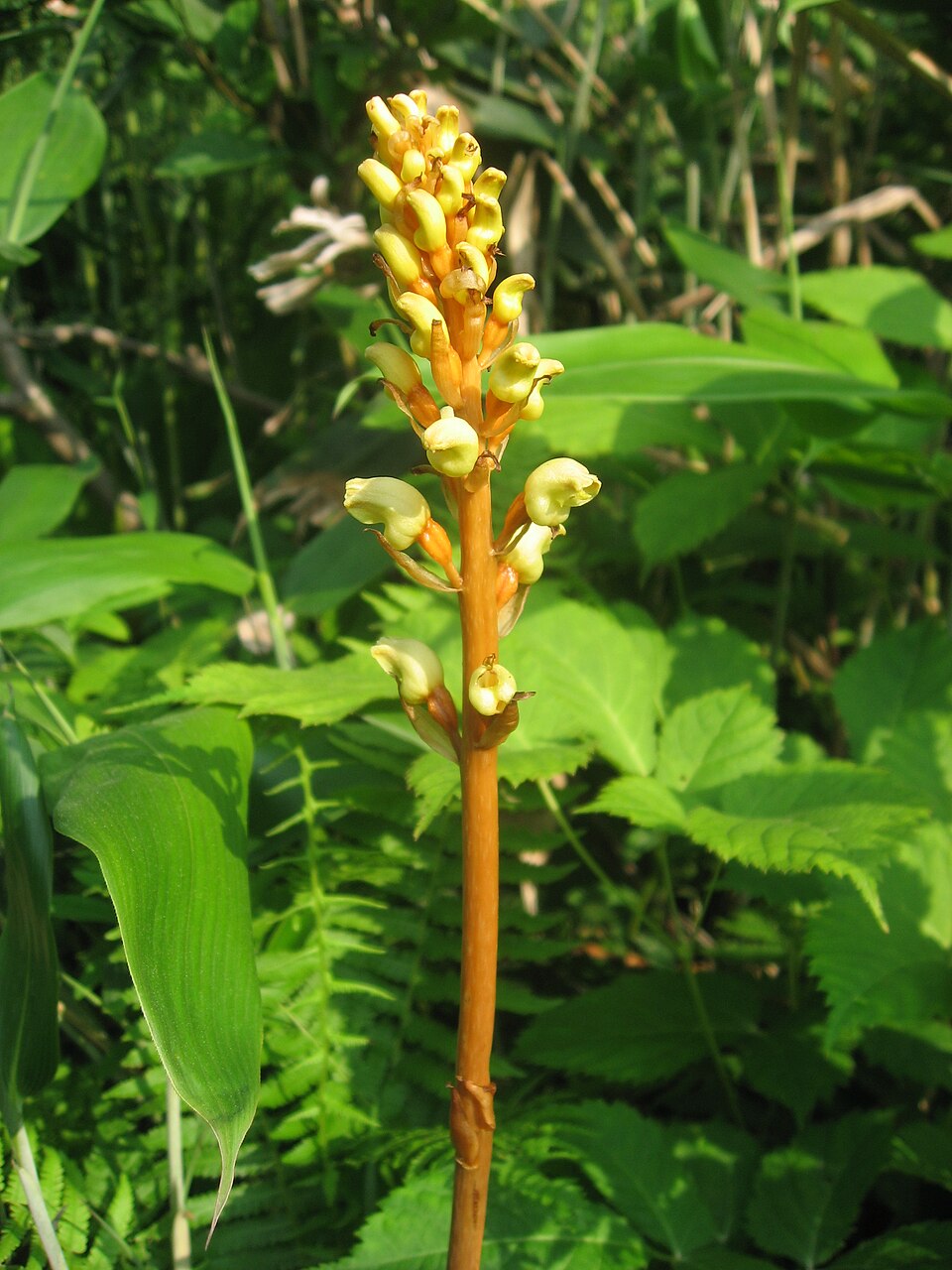
Gastrodia Rhizome, called Tian Ma, is the dried rhizome of Gastrodia elata, a leafless parasitic orchid that grows attached to a fungus in shady mountain forests across China. The medicinal part is the stout, pale yellow-white underground rhizome, harvested, steamed or boiled, and dried for use. In trade it appears as firm dried rhizomes, slices, powder, granules, and combined formulas, and cultivation and fungal symbiosis affect source quality. Because the plant has no leaves and is a parasite, the rhizome is the entire visible medicinal record, and the processed form should be stated on the label.
- English name
- Gastrodia Rhizome / Tian Ma
- Latin name
- Gastrodia elata Blume
- Traditional category
- Liver Pacifying
- Nature
- Neutral
- Flavor description
- Sweet
- Record identifier
- tianma
IDENTIFICATION
Identification and Image Notes
Gastrodia is a leafless parasitic orchid with a stout underground rhizome, and dried rhizomes are yellow-white and firm, while cultivation and fungal symbiosis affect source quality. The dried rhizome is elongated, slightly translucent, and horn-like when fully dried, with faint ring-like wrinkles on the surface, and it is usually sold as whole pieces or slices. The firm pale rhizome is an orientation clue, but the species and processed form should be confirmed with the label, and powder and extract forms should be recorded separately.
Images are for orientation only, not definitive species authentication; confirm species, part, source, and labeling with a qualified professional or authoritative monograph.
TRADITIONAL CONTEXT
Traditional Use in Context
Traditional records discuss Gastrodia for wind, dizziness, headache, tremor, and convulsion-related historical descriptions, and it appears in classical formulas aimed at dizziness and headache read as liver-wind, such as Tian Ma Gou Teng Yin, where it is paired with Uncaria and Chrysanthemum Flower, and in Ban Xia Bai Zhu Tian Ma Tang for phlegm-related dizziness. Classical texts describe it for calming wind and stopping tremor-related presentations, always within a pattern-based framework. The wind vocabulary is historical and does not identify the cause of vertigo or tremor, and neurological symptoms require medical assessment rather than a traditional label.
PROCESSING CONTEXT
Raw Material, Processing, and Product Form
Rhizomes are steamed or boiled before drying in many traditional records, and raw, steamed, sliced, powder, and extract forms should remain distinct. Each processed form carries its own record.
The same name can cover a raw material, decoction piece, powder, extract, or finished product, so record the labeled form rather than assuming it; see the safety review for the questions to ask.
SAFETY REVIEW
Safety Boundaries
Review sedation, dizziness, allergy, pregnancy, and neurological or vascular symptoms that need assessment, and check for interactions with sedating medicines or blood pressure treatment. A wind category does not identify the cause of vertigo or tremor, and sudden severe symptoms require urgent care.
This record is not a dose recommendation; risk depends on identity, preparation, amount, duration, contamination, other medicines, and health conditions — a traditional or “natural” label cannot establish safety. For the full framework, read the Chinese Herbal Medicine Safety Review.
COMPARISON
How This Entry Differs
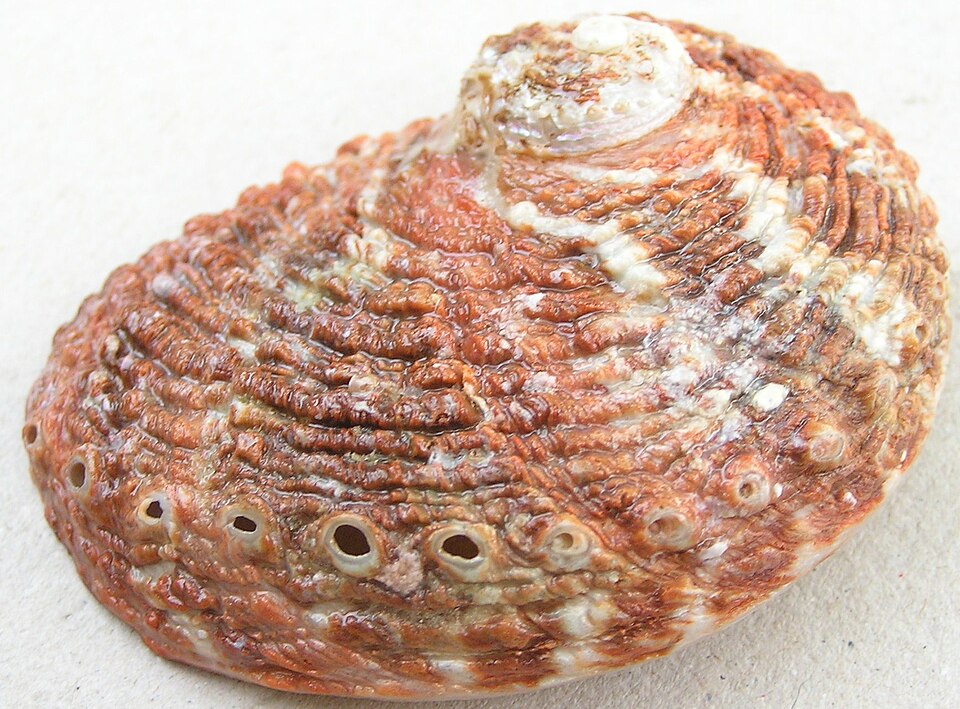
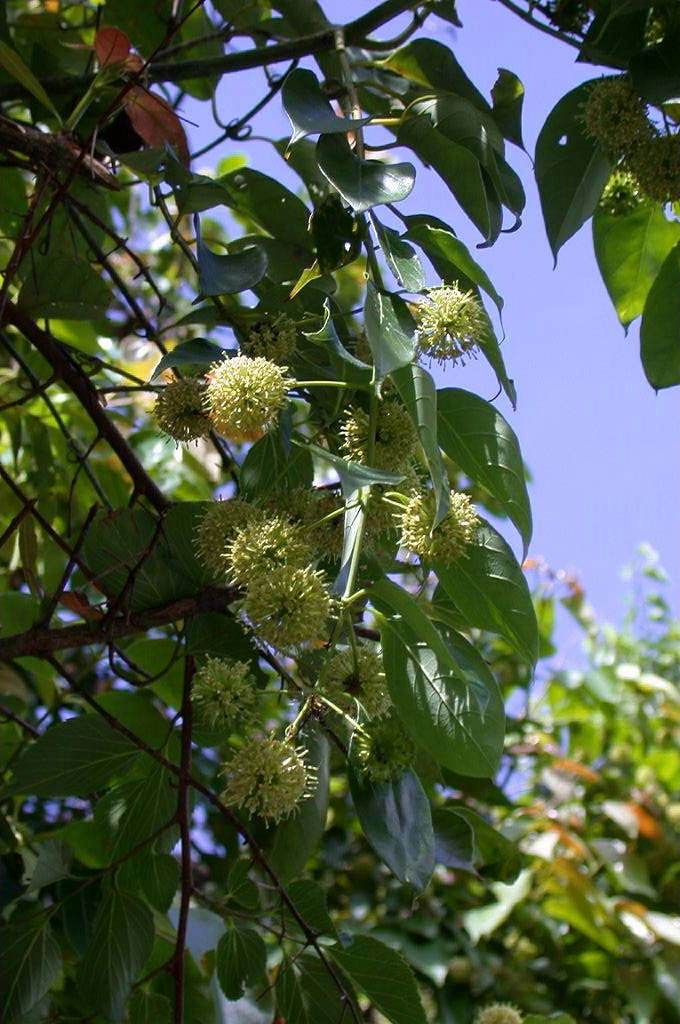
Compare Gastrodia Rhizome with Uncaria Stem and Abalone Shell for different plant or animal sources, preparation, and traditional wind language. Gastrodia is the orchid rhizome of the trio and the one most tied to dizziness and tremor records.
Use the related-entry links below to compare identity, part, processing, and safety boundaries — similar categories do not make materials interchangeable.
STUDY METHOD
New to these entries?
Read the four-step method in How to Read a Herb Entry before comparing materials.