Herb reference entry
Pipewort Flower / Eriocaulon
Pipewort Flower / Eriocaulon
Eriocaulon buergerianum Koern.
Reviewed by Kuda, September 2, 2026 - Editorial policy
OVERVIEW
What This Record Covers
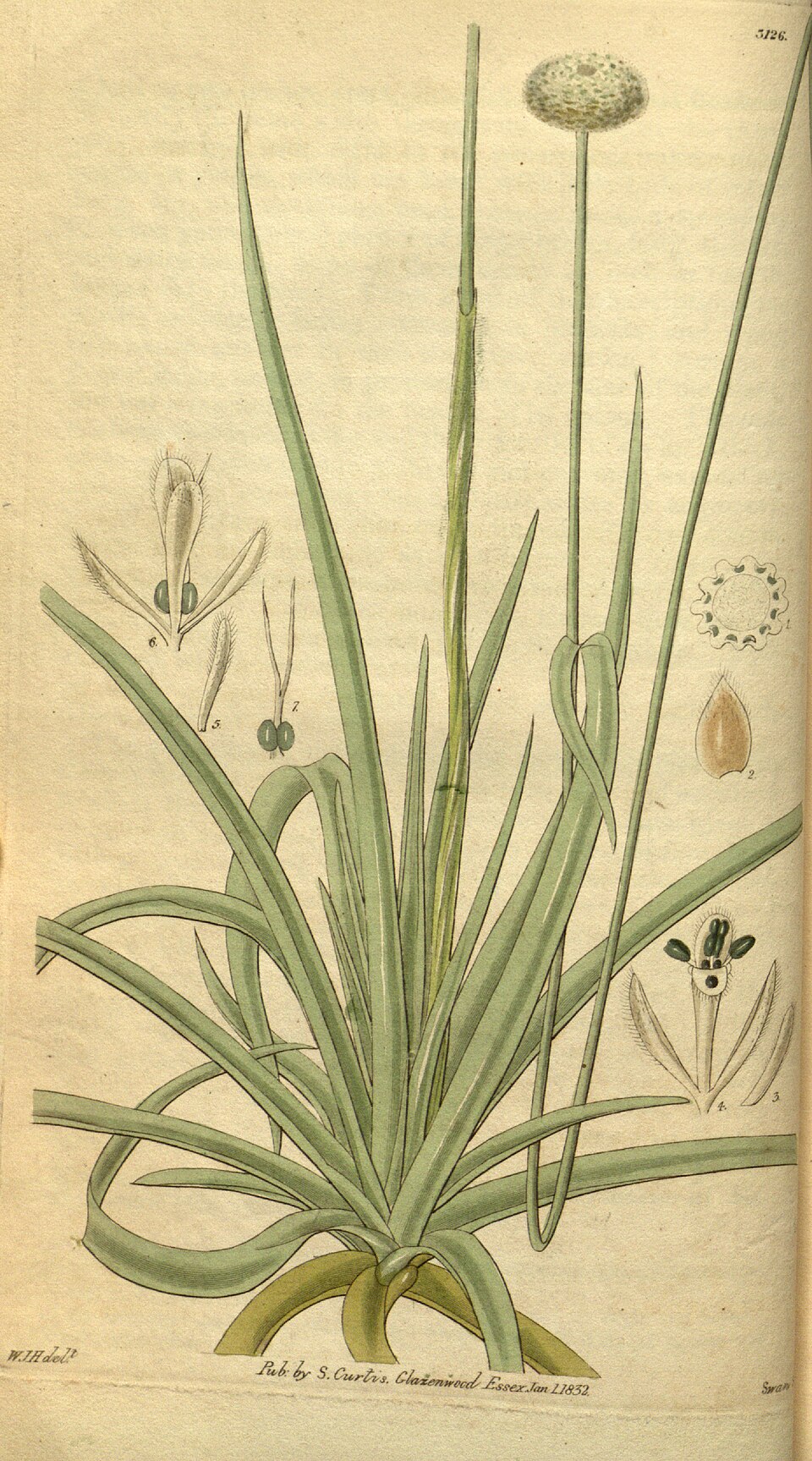
Pipewort Flower, called Gu Jing Cao, is the dried flower head of Eriocaulon buergerianum, pipewort, a small perennial herb of the pipewort family (Eriocaulaceae) that grows in wet meadows and shallow water across eastern Asia. The medicinal material consists of small, rounded, white flower heads on thin stalks, harvested and dried with care to avoid breakage. In trade it appears as whole flower heads, loose heads, cut material, powders, and combined formulas, and the flower head, the stalk, the species, and the harvest condition should be recorded because the material is delicate. The dried heads are small and easily confused with other white flower materials.
- English name
- Pipewort Flower / Eriocaulon
- Latin name
- Eriocaulon buergerianum Koern.
- Traditional category
- Vision Improving
- Nature
- Neutral
- Flavor description
- Pungent, Sweet
- Record identifier
- gujingcao
IDENTIFICATION
Identification and Image Notes
The material has small rounded white flower heads on thin stalks, and flower head, stalk, species, and harvest condition should be recorded because the material is delicate. The dried heads are tiny, white, and velvety, about the size of a peppercorn, with a short fine stalk, and they break easily. The small white head is an orientation clue, but the species and the harvest record should be confirmed with the label, and the material should be stored dry to avoid mold.
Images are for orientation only, not definitive species authentication; confirm species, part, source, and labeling with a qualified professional or authoritative monograph.
TRADITIONAL CONTEXT
Traditional Use in Context
Traditional records discuss Pipewort Flower for wind-heat affecting the eyes, blurred vision, and superficial eye-related language, and it appears in formulas aimed at eye redness and blurred vision read as wind-heat, often paired with Chrysanthemum Flower and other eye herbs. Classical texts describe it for clearing wind-heat from the eyes, always within a pattern-based framework. The eye vocabulary is historical, and eye pain, discharge, infection, or visual loss requires direct eye care rather than a traditional label. Sudden visual change, severe pain, or persistent redness needs prompt examination.
PROCESSING CONTEXT
Raw Material, Processing, and Product Form
Flower heads are cleaned and dried with care to avoid breakage, and powders and eye washes are not equivalent to the dried flower material and need separate standards. Each form carries its own quality record.
The same name can cover a raw material, decoction piece, powder, extract, or finished product, so record the labeled form rather than assuming it; see the safety review for the questions to ask.
SAFETY REVIEW
Safety Boundaries
Review eye pain, infection, visual loss, allergy, and contamination, and do not place an unverified herb product in the eye or delay an eye examination. Sudden visual change, severe pain, or discharge requires urgent eye care, and this page is educational and is not a dose recommendation.
This record is not a dose recommendation; risk depends on identity, preparation, amount, duration, contamination, other medicines, and health conditions — a traditional or “natural” label cannot establish safety. For the full framework, read the Chinese Herbal Medicine Safety Review.
COMPARISON
How This Entry Differs
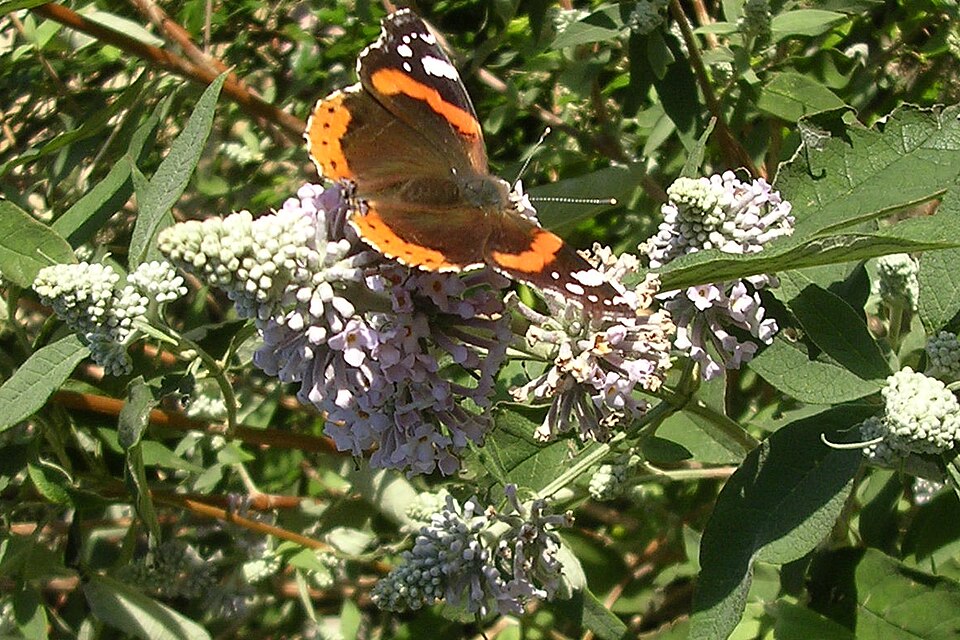
Compare Pipewort Flower with Buddleja Flower and Chrysanthemum Flower for eye terminology, flower identity, and the need for direct eye care. Pipewort is the smallest and most delicate of the three flower heads.
Use the related-entry links below to compare identity, part, processing, and safety boundaries — similar categories do not make materials interchangeable.
STUDY METHOD
New to these entries?
Read the four-step method in How to Read a Herb Entry before comparing materials.