Herb reference entry
Buddleja Flower / Pale Butterfly Bush Flower
Buddleja Flower / Pale Butterfly Bush Flower
Buddleja officinalis Maxim.
Reviewed by Kuda, September 2, 2026 - Editorial policy
OVERVIEW
What This Record Covers
Buddleja Flower, called Mi Meng Hua, is the dried flower buds of Buddleja officinalis, pale butterfly bush, a shrub of the figwort family (Scrophulariaceae) native to mountain regions of central and southern China. The medicinal material is made of small pale yellow flower buds arranged on branched clusters, harvested before full opening and dried carefully to preserve the flower structure. In trade it appears as loose dried buds, cut material, tea blends, and extracts. Because Buddleja species and ornamental flowers need to be distinguished from the medicinal source, the species and the harvest stage should be stated on the label.
- English name
- Buddleja Flower / Pale Butterfly Bush Flower
- Latin name
- Buddleja officinalis Maxim.
- Traditional category
- Vision Improving
- Nature
- Slightly Cold
- Flavor description
- Sweet
- Record identifier
- mimenghua
IDENTIFICATION
Identification and Image Notes
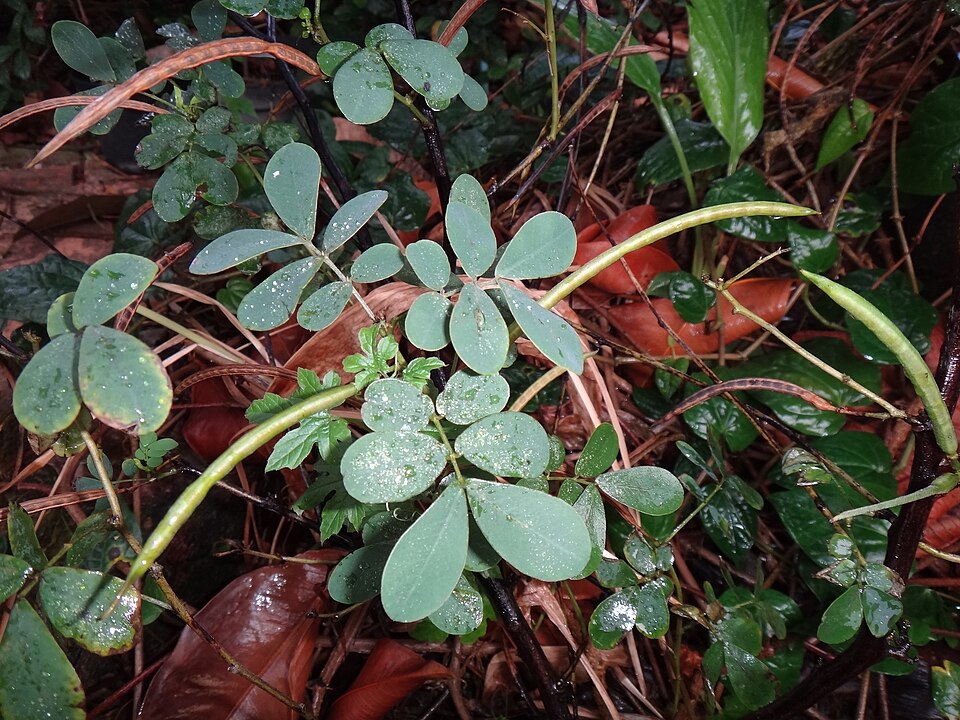
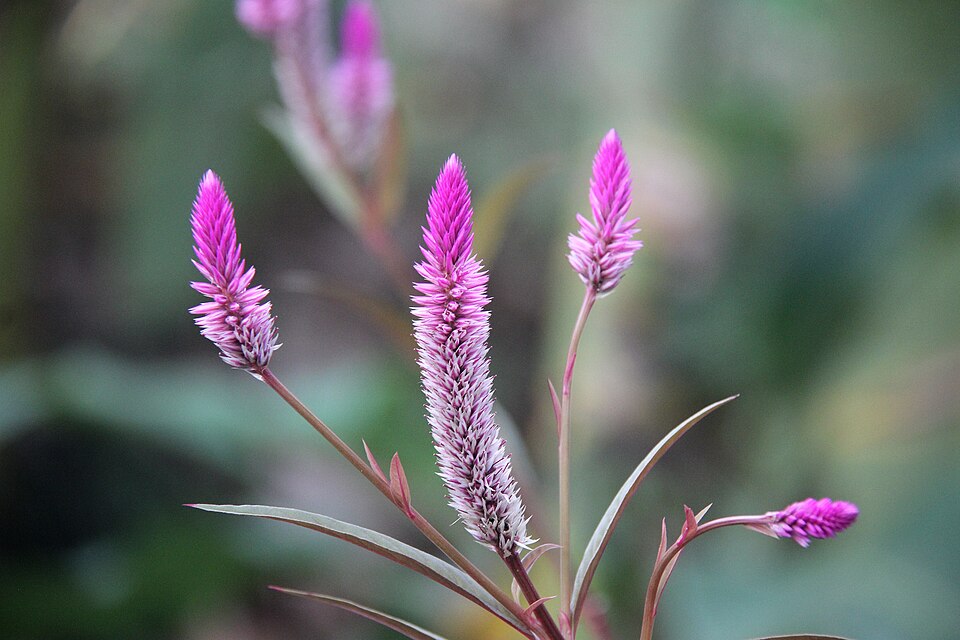
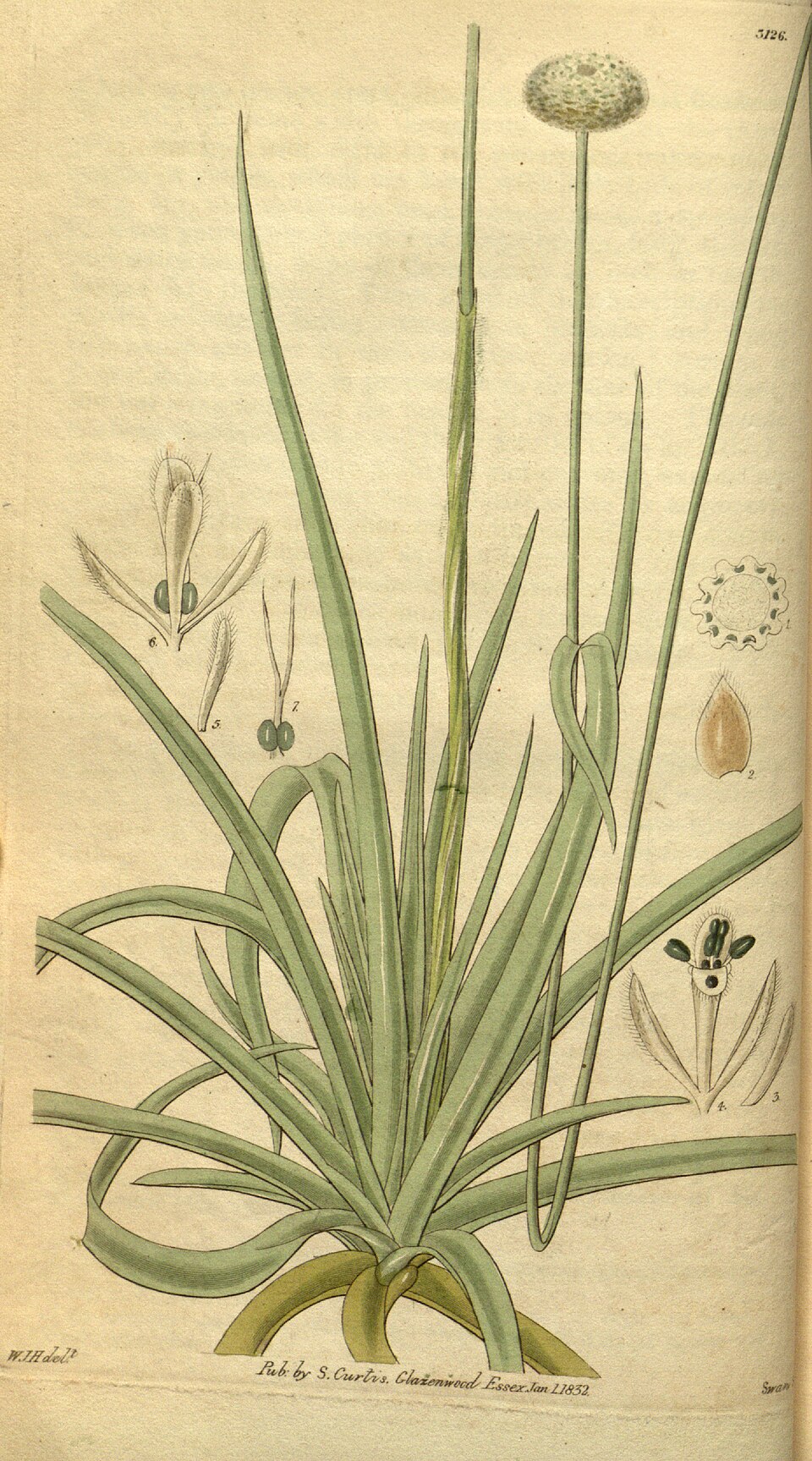
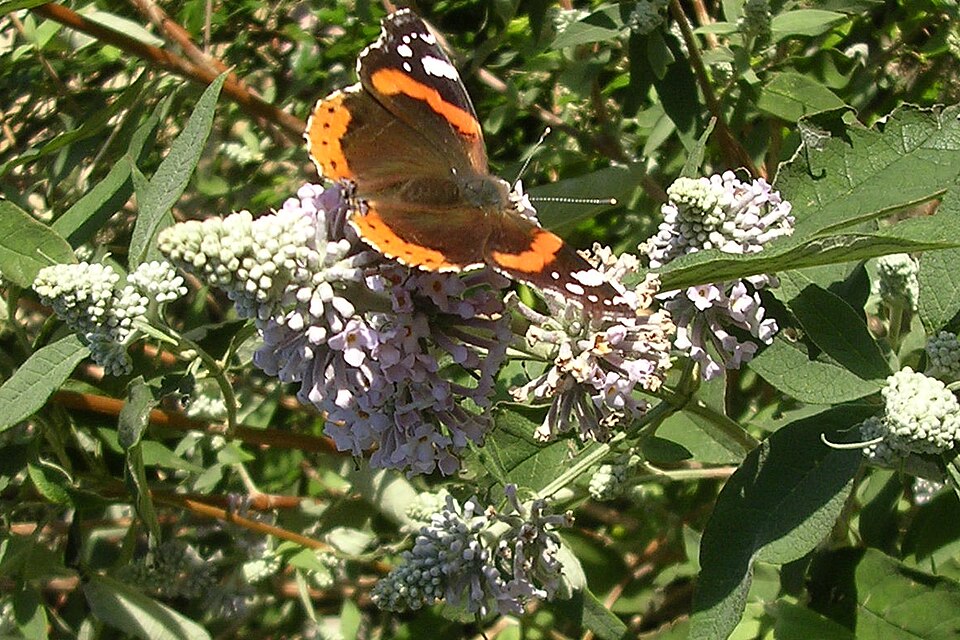
The material is made of small pale yellow flower buds on branched clusters, and Buddleja species and ornamental flowers need to be distinguished from the medicinal source. The buds are tiny, tubular, and gray-yellow when dried, arranged in short branched clusters, and the material is lightweight and easily crushed. The small bud clusters are an orientation clue, but the species and harvest stage should be confirmed with the label, and tea blends should be checked for added ingredients.
Images are for orientation only, not definitive species authentication; confirm species, part, source, and labeling with a qualified professional or authoritative monograph.
TRADITIONAL CONTEXT
Traditional Use in Context
Traditional records discuss Buddleja Flower for liver heat, eye redness, blurred vision, and cooling flower-based descriptions, and it appears in formulas aimed at red or blurred eyes read as liver heat, often paired with Chrysanthemum Flower and Cassia Seed in eye-focused combinations, and the buds are added to teas and washes in some regional records. Classical texts describe it for clearing liver heat and improving vision-related presentations, always within a pattern-based framework. The bright-eyes vocabulary is historical and does not establish an eye diagnosis, and persistent, painful, or sudden visual change requires eye care rather than a traditional label.
PROCESSING CONTEXT
Raw Material, Processing, and Product Form
Buds are harvested before full opening and dried carefully to preserve the flower structure, and tea blends and extracts require separate ingredient and concentration records. Each form carries its own record.
The same name can cover a raw material, decoction piece, powder, extract, or finished product, so record the labeled form rather than assuming it; see the safety review for the questions to ask.
SAFETY REVIEW
Safety Boundaries
Review allergy, pregnancy, eye disease, and persistent or sudden visual change, and check the complete ingredients of any tea blend. Flower color or a bright-eyes claim cannot establish an eye diagnosis, and sudden visual change requires urgent eye care.
This record is not a dose recommendation; risk depends on identity, preparation, amount, duration, contamination, other medicines, and health conditions — a traditional or “natural” label cannot establish safety. For the full framework, read the Chinese Herbal Medicine Safety Review.
COMPARISON
How This Entry Differs
Compare Buddleja Flower with Chrysanthemum Flower for the two flower identities, and with Celosia Seed for the seed-based alternative. Buddleja is the bud-cluster member of the group with the most eye-specific vocabulary. The small buds should not be confused with the ornamental butterfly-bush flowers grown in gardens, which belong to a different record.
Use the related-entry links below to compare identity, part, processing, and safety boundaries — similar categories do not make materials interchangeable.
STUDY METHOD
New to these entries?
Read the four-step method in How to Read a Herb Entry before comparing materials.