Herb reference entry
Cassia Seed / Sickle Senna Seed / Fetid Cassia
Cassia Seed / Sickle Senna Seed / Fetid Cassia
Senna tora (L.) Roxb.(Cassia tora L.)
Reviewed by Kuda, September 2, 2026 - Editorial policy
OVERVIEW
What This Record Covers
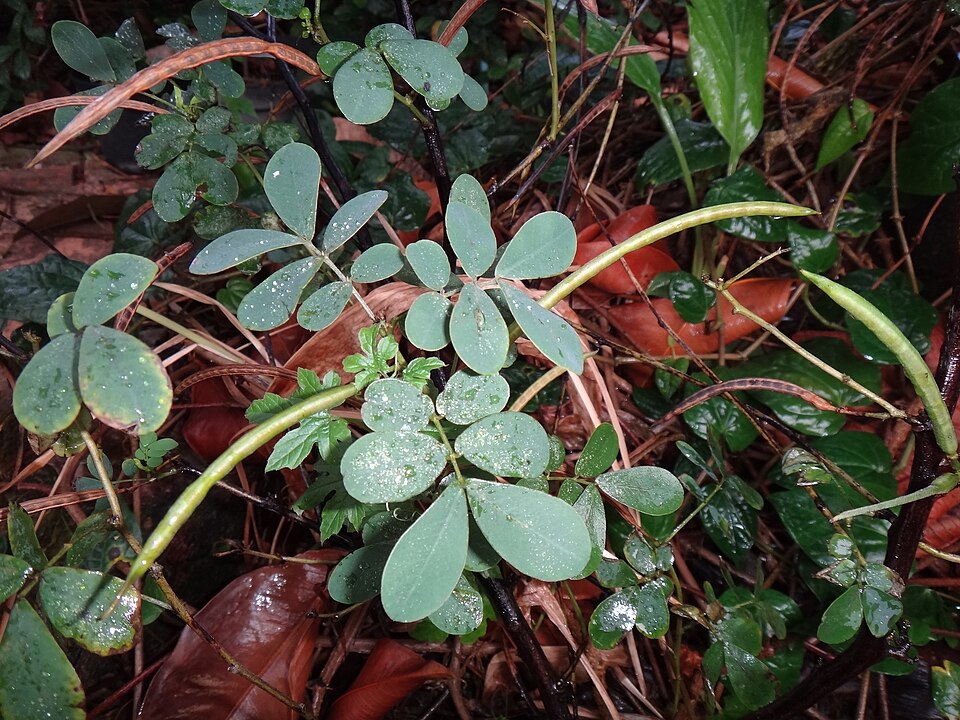
Cassia Seed, called Jue Ming Zi, is the dried seed of Senna tora, also known as Cassia tora, an annual herb of the pea family (Fabaceae) that grows as a common weed in warm regions of Asia. The medicinal material is the flat, angular, dark brown seed with a distinctive shape, harvested, cleaned, and dried for use. In trade it appears as whole seeds, crushed seed, powder, tea bags, and combined formulas, and Cassia species have similar names, so the Latin source and the seed lot should be recorded. The seed is also a familiar roasted-tea ingredient in some regions.
- English name
- Cassia Seed / Sickle Senna Seed / Fetid Cassia
- Latin name
- Senna tora (L.) Roxb.(Cassia tora L.)
- Traditional category
- Vision Improving
- Nature
- Slightly Cold
- Flavor description
- Sweet, Bitter, Salty
- Record identifier
- juemingzi
IDENTIFICATION
Identification and Image Notes
The seeds are flat, angular, and dark brown with a distinctive rhomboid shape, and Cassia species have similar names, so the Latin source and the seed lot should be recorded. The dried seed is hard, glossy, and about half a centimeter long, with a characteristic four-sided, angular outline. The angular form is an orientation clue, but the species and the batch should be confirmed with the label, and roasted tea forms should be recorded separately from the raw seed.
Images are for orientation only, not definitive species authentication; confirm species, part, source, and labeling with a qualified professional or authoritative monograph.
TRADITIONAL CONTEXT
Traditional Use in Context
Traditional records discuss Cassia Seed for liver and eye language, bowel movement, wind-heat, and cooling downward action, and it appears in formulas aimed at eye discomfort, constipation, and heat-related presentations, often paired with Chrysanthemum Flower in eye combinations and with other moistening seeds in bowel formulas, and the roasted seed is a familiar tea ingredient. Classical texts describe it for clearing liver heat affecting the eyes and for moistening the bowels, always within a pattern-based framework. The eye vocabulary is historical, and eye symptoms and constipation may have causes that need clinical assessment rather than a traditional label. Sudden visual change, severe eye pain, or a change in bowel habit deserves medical evaluation.
PROCESSING CONTEXT
Raw Material, Processing, and Product Form
Raw and stir-fried seeds occur in traditional records, and powders and teas are common modern forms, while processing and concentration can change the bowel effect. Each form carries its own concentration record.
The same name can cover a raw material, decoction piece, powder, extract, or finished product, so record the labeled form rather than assuming it; see the safety review for the questions to ask.
SAFETY REVIEW
Safety Boundaries
Review diarrhea, dehydration, electrolyte problems, pregnancy, kidney disease, and repeated laxative use, and check for interactions with diuretics or medicines affecting electrolytes. Eye symptoms and constipation may have causes that need clinical assessment, and sudden visual change requires urgent eye care.
This record is not a dose recommendation; risk depends on identity, preparation, amount, duration, contamination, other medicines, and health conditions — a traditional or “natural” label cannot establish safety. For the full framework, read the Chinese Herbal Medicine Safety Review.
COMPARISON
How This Entry Differs
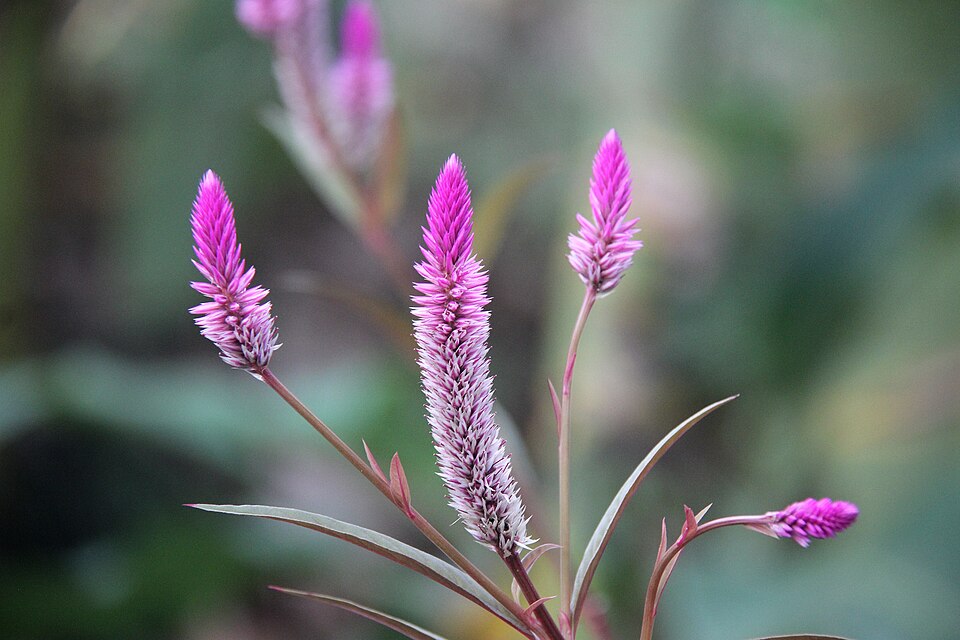
Compare Cassia Seed with Celosia Seed and Buddleja Flower for eye language, while keeping seed species, bowel effects, and cooling strength separate. Cassia Seed is the only one of the three with a significant bowel-moving record. The roasted seed, which is drunk as an everyday tea in some regions, is yet another distinct product from the raw medicinal seed.
Use the related-entry links below to compare identity, part, processing, and safety boundaries — similar categories do not make materials interchangeable.
STUDY METHOD
New to these entries?
Read the four-step method in How to Read a Herb Entry before comparing materials.