Herb reference entry
Gordon Euryale Seed / Fox Nut
Gordon Euryale Seed / Fox Nut
Euryale ferox Salisb.
Reviewed by Kuda, September 2, 2026 - Editorial policy
OVERVIEW
What This Record Covers
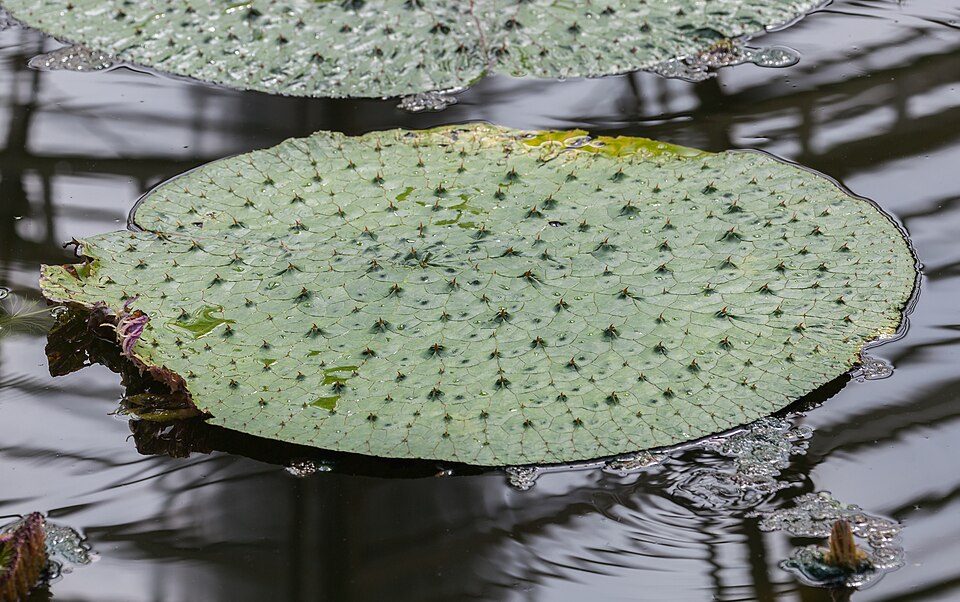
Gordon Euryale Seed, called Qian Shi, is the dried seed of Euryale ferox, the Gordon euryale or fox nut, a large aquatic plant of the water-lily family (Nymphaeaceae) that grows in ponds and slow rivers across Asia. The medicinal material is the hard, round seed, dark outside with a white starchy interior, harvested, shelled, and dried for use. In trade it appears as shelled seeds, roasted seeds, flour, powder, and combined formulas, and shelling, roasting, and the distinction from lotus seed are useful identity details. The seed is also eaten as a food, and the food and concentrated forms should be recorded separately.
- English name
- Gordon Euryale Seed / Fox Nut
- Latin name
- Euryale ferox Salisb.
- Traditional category
- Astringent
- Nature
- Neutral
- Flavor description
- Sweet, Astringent
- Record identifier
- qianshi
IDENTIFICATION
Identification and Image Notes
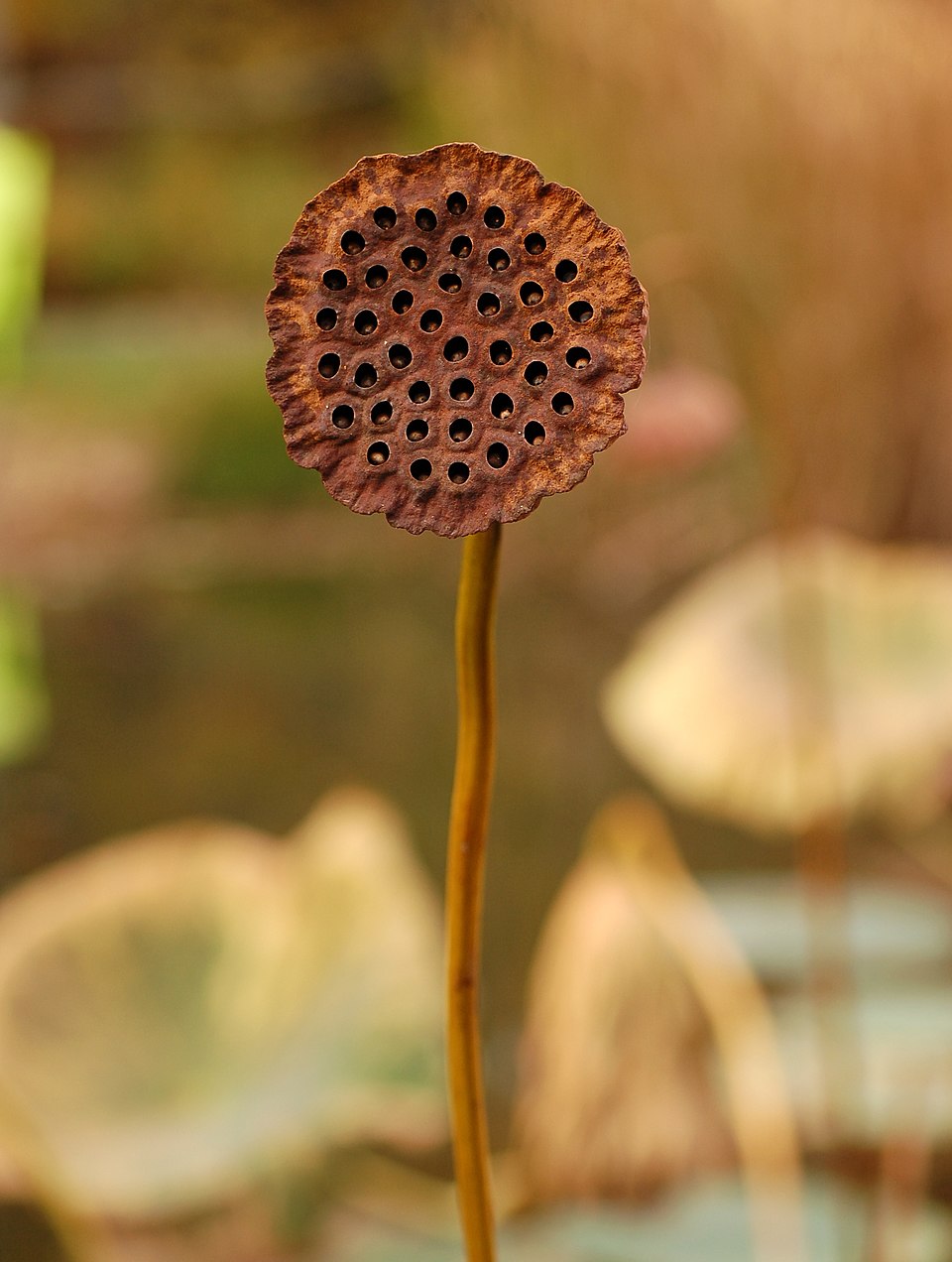
The seeds are hard, round, and dark outside with a white starchy interior, and shelling, roasting, and the distinction from lotus seed are useful identity details. The dried seed is smooth, dark brown, and about the size of a pea, with a powdery white kernel that is starch-rich and slightly sweet. The hard round form resembles Lotus Seed, so the species should be confirmed with the label, and roasted snack forms should not be mistaken for the unprocessed medicinal seed.
Images are for orientation only, not definitive species authentication; confirm species, part, source, and labeling with a qualified professional or authoritative monograph.
TRADITIONAL CONTEXT
Traditional Use in Context
Traditional records discuss Gordon Euryale Seed for spleen and kidney support, securing, dampness, and discharge-related historical descriptions, and it appears in formulas aimed at loose stools, dampness, and deficiency-type discharge, often combined with Lotus Seed and Chinese Yam in digestive-supporting decoctions, always within a pattern-based framework. Classical texts describe it for supporting the spleen and securing leakage, and it is frequently paired with Lotus Seed in digestive formulas because the two seeds are read as complementary. The securing vocabulary is historical, and persistent discharge, diarrhea, or urinary change requires medical evaluation rather than self-treatment with astringent seeds.
PROCESSING CONTEXT
Raw Material, Processing, and Product Form
Seeds are shelled, dried, and often stir-fried or ground, and roasted snack products and medicinal powders can differ in added ingredients and exposure. Each form carries its own ingredient record.
The same name can cover a raw material, decoction piece, powder, extract, or finished product, so record the labeled form rather than assuming it; see the safety review for the questions to ask.
SAFETY REVIEW
Safety Boundaries
Review constipation, digestive tolerance, allergy, pregnancy, and combined astringent products, and check the added ingredients of roasted snack forms. Persistent discharge or urinary change requires medical evaluation, and this page is educational and is not a dose recommendation.
This record is not a dose recommendation; risk depends on identity, preparation, amount, duration, contamination, other medicines, and health conditions — a traditional or “natural” label cannot establish safety. For the full framework, read the Chinese Herbal Medicine Safety Review.
COMPARISON
How This Entry Differs
Compare Gordon Euryale Seed with Lotus Seed and Cuscuta Seed for seed identity, astringency, digestive burden, and traditional kidney language. Gordon Euryale is the starchier, more dampness-oriented member of the aquatic seed pair.
Use the related-entry links below to compare identity, part, processing, and safety boundaries — similar categories do not make materials interchangeable.
STUDY METHOD
New to these entries?
Read the four-step method in How to Read a Herb Entry before comparing materials.