Herb reference entry
Cornus Fruit / Dogwood Fruit / Asiatic Cornelian Cherry
Cornus Fruit / Dogwood Fruit / Asiatic Cornelian Cherry
Cornus officinalis Siebold & Zucc.
Reviewed by Kuda, September 2, 2026 - Editorial policy
OVERVIEW
What This Record Covers
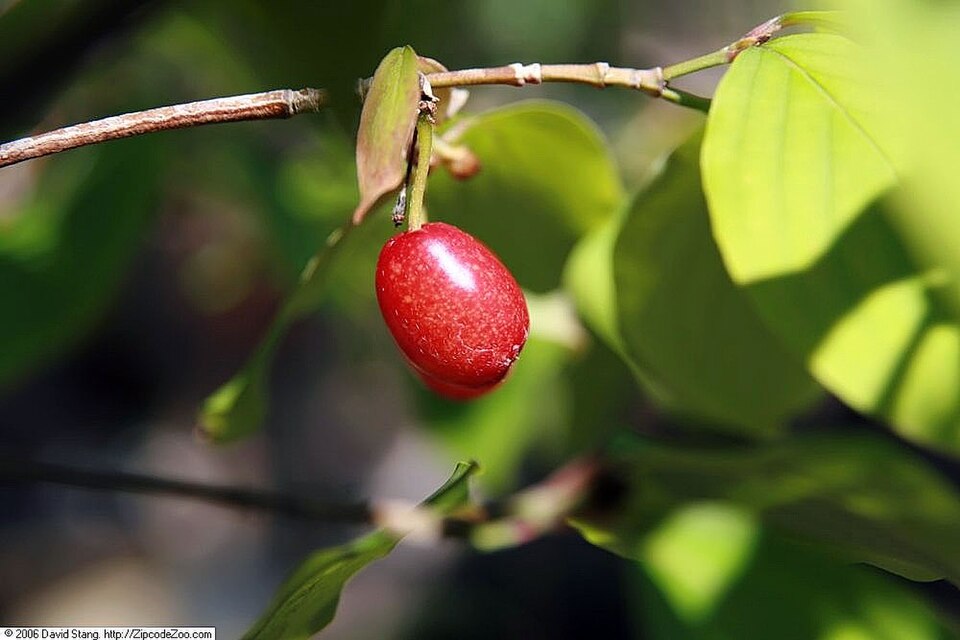
Cornus Fruit, called Shan Zhu Yu, is the dried fruit pulp of Cornus officinalis, the Asiatic cornelian cherry, a small tree or shrub of the dogwood family (Cornaceae) native to mountain forests of central and eastern China. The medicinal material is the wrinkled red fruit pulp with the pit removed, harvested when mature, dried, and sometimes wine-processed. In trade it appears as dried pulp, whole fruit, broken pieces, powders, and combined formulas. Because the whole fruit, the pit, the dried pulp, and extracts differ sharply, the product record should state which form is present.
- English name
- Cornus Fruit / Dogwood Fruit / Asiatic Cornelian Cherry
- Latin name
- Cornus officinalis Siebold & Zucc.
- Traditional category
- Astringent
- Nature
- Slightly Warm
- Flavor description
- Sour, Astringent
- Record identifier
- shanzhuyu
IDENTIFICATION
Identification and Image Notes
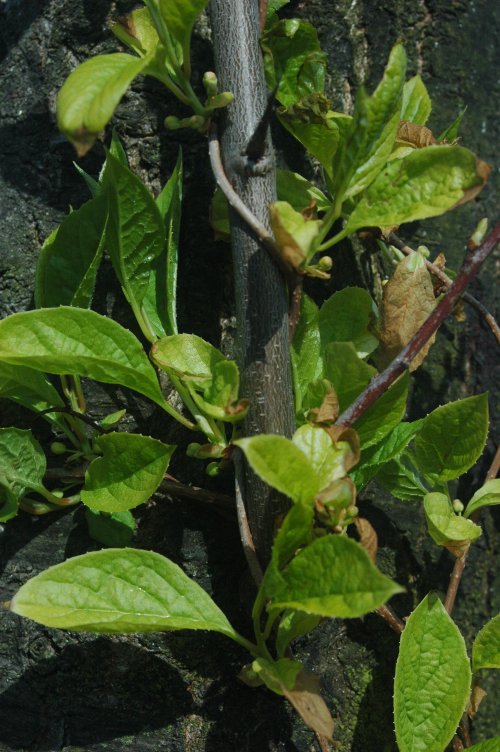
The material is wrinkled red fruit pulp with the pit removed, and whole fruit, pit, dried pulp, and extracts should be differentiated in a product record. The dried pulp is soft, sticky, and deep red to brown, and the pit is hard and pale; a product labeled as pulp should not contain whole pits. The wrinkled pulp is an orientation clue, but the species and the processed form should be confirmed with the label.
Images are for orientation only, not definitive species authentication; confirm species, part, source, and labeling with a qualified professional or authoritative monograph.
TRADITIONAL CONTEXT
Traditional Use in Context
Traditional records discuss Cornus Fruit for securing essence, liver and kidney nourishment, sweating, urination, and lower-body deficiency language, and it is a classic ingredient of formulas such as Liu Wei Di Huang Wan and Jin Gui Shen Qi Wan, where it is paired with Prepared Rehmannia and Chinese Yam. Classical texts describe it for securing essence and stopping leakage-type presentations such as excessive sweating and frequent urination, always within a pattern-based framework. The astringent vocabulary is historical and does not explain the cause of bleeding, sweating, or urinary change, which requires clinical assessment. Night sweats, drenching sweats, or blood in the urine deserve medical evaluation rather than an astringent label.
PROCESSING CONTEXT
Raw Material, Processing, and Product Form
Fruit is collected when mature, pitted, dried, and sometimes wine-processed, and moisture and mold control are important for sticky dried fruit. Each processed form carries a different traditional emphasis.
The same name can cover a raw material, decoction piece, powder, extract, or finished product, so record the labeled form rather than assuming it; see the safety review for the questions to ask.
SAFETY REVIEW
Safety Boundaries
Review digestive tolerance, pregnancy, urinary symptoms, and combined products, and check the ingredients of any multi-herb formula. Astringent language does not explain the cause of bleeding, sweating, or urinary change, and persistent symptoms require medical assessment.
This record is not a dose recommendation; risk depends on identity, preparation, amount, duration, contamination, other medicines, and health conditions — a traditional or “natural” label cannot establish safety. For the full framework, read the Chinese Herbal Medicine Safety Review.
COMPARISON
How This Entry Differs
Compare Cornus Fruit with Schisandra Fruit and Cuscuta Seed for securing language, fruit versus seed form, and warming or cooling differences. Cornus is the pitted-fruit-pulp member of the group and the most astringent.
Use the related-entry links below to compare identity, part, processing, and safety boundaries — similar categories do not make materials interchangeable.
STUDY METHOD
New to these entries?
Read the four-step method in How to Read a Herb Entry before comparing materials.