Herb reference entry
Schisandra Fruit / Magnolia Vine Fruit
Schisandra Fruit / Magnolia Vine Fruit
Schisandra chinensis (Turcz.) Baill.
Reviewed by Kuda, September 2, 2026 - Editorial policy
OVERVIEW
What This Record Covers
Schisandra Fruit, called Wu Wei Zi, is the dried fruit of Schisandra chinensis, the magnolia vine, a climbing woody vine of the Schisandraceae family that grows in forests of northeastern China and neighboring regions. The medicinal material is the cluster of small, wrinkled, red berries with a complex taste described traditionally as sour, sweet, bitter, pungent, and salty. In trade it appears as whole dried berries, broken fruit, powder, granules, and standardized extracts, and fruit quality and source species matter. The compound taste is the basis of the Chinese name, which means “five flavors,” and it should be confirmed with the label.
- English name
- Schisandra Fruit / Magnolia Vine Fruit
- Latin name
- Schisandra chinensis (Turcz.) Baill.
- Traditional category
- Astringent
- Nature
- Warm
- Flavor description
- Sour, Sweet
- Record identifier
- wuweizi
IDENTIFICATION
Identification and Image Notes
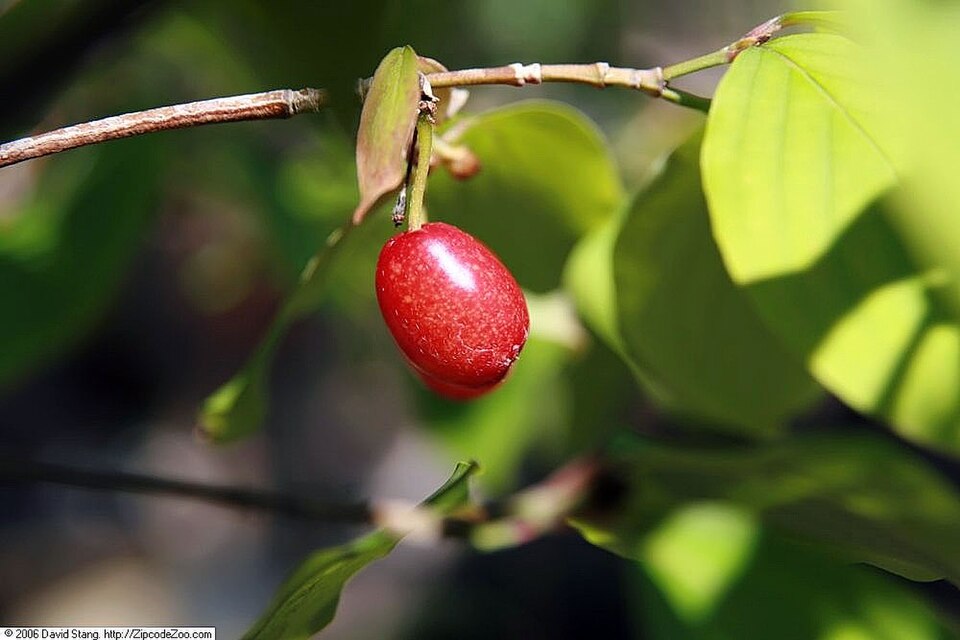
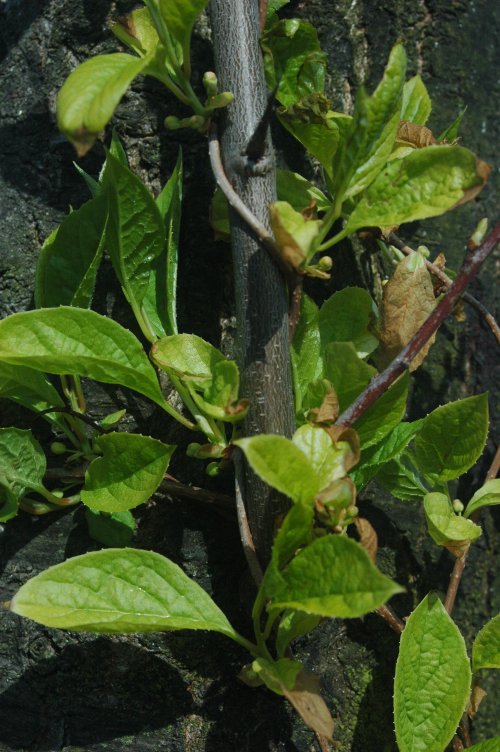
The fruit is a cluster of wrinkled red berries with a complex sour, sweet, bitter, pungent, and salty taste profile, and fruit quality and source species matter. The dried berries are small, soft, and deep red to dark, clustered on a short stem, and the compound five-taste profile is the traditional name source. The wrinkled red berry form is an orientation clue, but the species and harvest record should be confirmed with the label, and standardized lignan extracts are a separate record.
Images are for orientation only, not definitive species authentication; confirm species, part, source, and labeling with a qualified professional or authoritative monograph.
TRADITIONAL CONTEXT
Traditional Use in Context
Traditional records discuss Schisandra for securing leakage, generating fluids, calming the spirit, and supporting lung or kidney-related deficiency language, and it appears in classical formulas such as Sheng Mai San (with Ginseng and Dwarf Lilyturf Root) and in cough and essence-securing combinations with other astringent fruits, where the five-flavor fruit is valued for its sour securing quality. Classical texts describe it for dry cough, sweating, and deficiency-related leakage, always within a pattern-based framework. The securing vocabulary is historical and should not delay evaluation of persistent cough, diarrhea, or sweating, and drenching night sweats, unexplained weight loss, or blood in the stool require medical assessment.
PROCESSING CONTEXT
Raw Material, Processing, and Product Form
Fruit may be used raw, steamed, or vinegar-processed, and seed, peel, powder, and standardized lignan extracts should be identified as separate forms. Each form carries its own concentration record.
The same name can cover a raw material, decoction piece, powder, extract, or finished product, so record the labeled form rather than assuming it; see the safety review for the questions to ask.
SAFETY REVIEW
Safety Boundaries
Review liver disease, drug metabolism interactions, pregnancy, and products with sedating or stimulant ingredients, and check for interactions with medicines processed by the liver. A securing label should not delay evaluation of persistent cough, diarrhea, or sweating, and persistent symptoms require medical assessment.
This record is not a dose recommendation; risk depends on identity, preparation, amount, duration, contamination, other medicines, and health conditions — a traditional or “natural” label cannot establish safety. For the full framework, read the Chinese Herbal Medicine Safety Review.
COMPARISON
How This Entry Differs
Compare Schisandra Fruit with Cornus Fruit and Lotus Seed for securing language, fruit or seed identity, processing, and interaction concerns. Schisandra is distinguished by its compound five-flavor profile and its stronger drug-interaction literature. Its five-flavor description is unusual because few single materials carry all five traditional taste categories at once.
Use the related-entry links below to compare identity, part, processing, and safety boundaries — similar categories do not make materials interchangeable.
STUDY METHOD
New to these entries?
Read the four-step method in How to Read a Herb Entry before comparing materials.