Herb reference entry
Peppermint / Field Mint
Peppermint / Field Mint
Mentha haplocalyx Briq.
Reviewed by Kuda, September 2, 2026 - Editorial policy
OVERVIEW
What This Record Covers
Peppermint, called Bo He, is the dried aerial parts of Mentha haplocalyx, a field mint of the Lamiaceae family native to East Asia, harvested near flowering for its aromatic leaves and stems. The plant has square stems and opposite leaves with a strong cooling volatile aroma, and it is cut and dried quickly for use. In trade it appears as cut dried herb, loose-leaf teas, powders, extracts, and essential oils. Because the aroma depends on volatile oils that fade with age and heat, the species, the fresh-versus-dried form, and the storage condition should be stated, and culinary and medicinal use should be separated.
- English name
- Peppermint / Field Mint
- Latin name
- Mentha haplocalyx Briq.
- Traditional category
- Exterior Releasing
- Nature
- Cool
- Flavor description
- Pungent
- Record identifier
- bohe
IDENTIFICATION
Identification and Image Notes
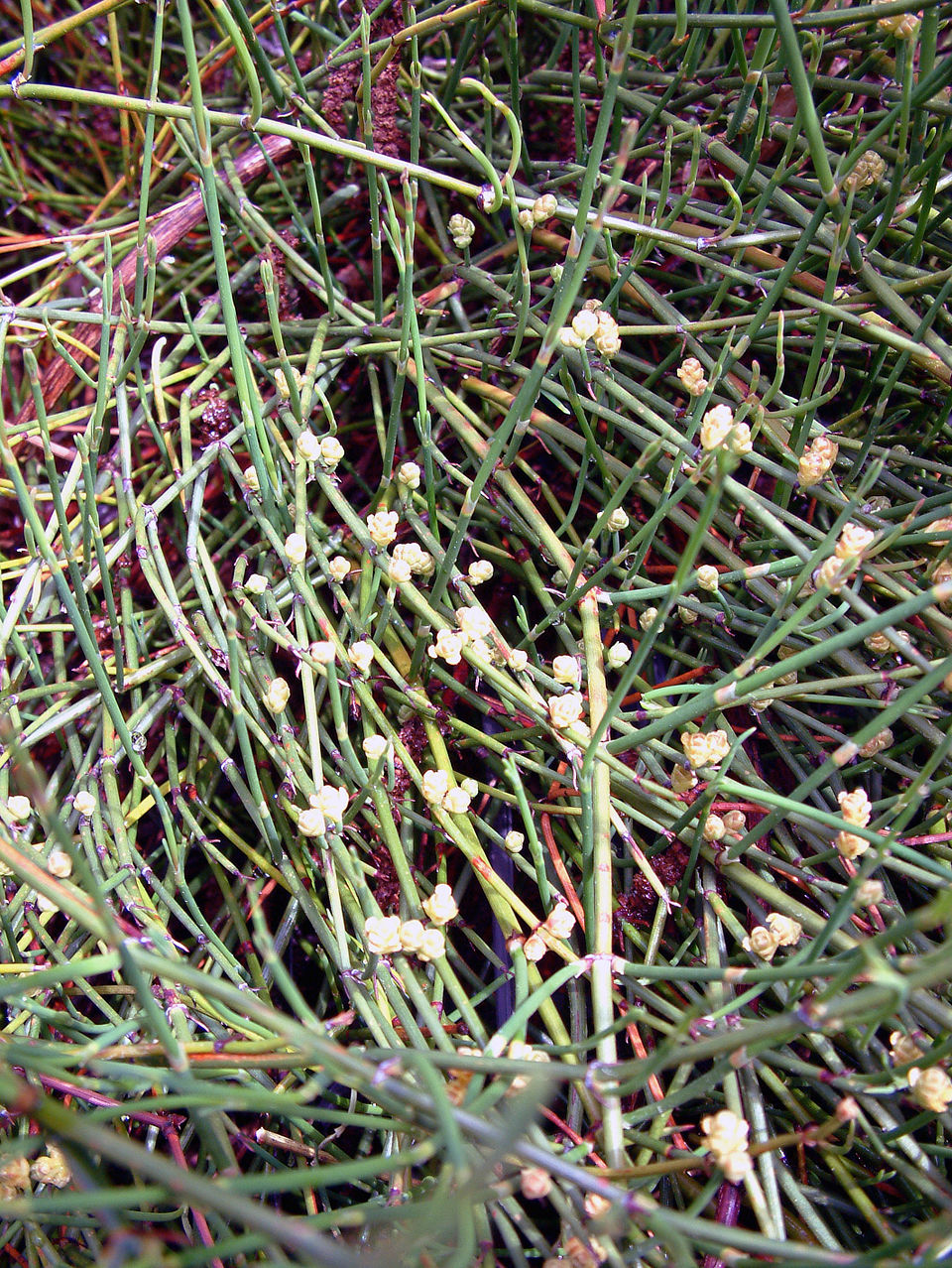
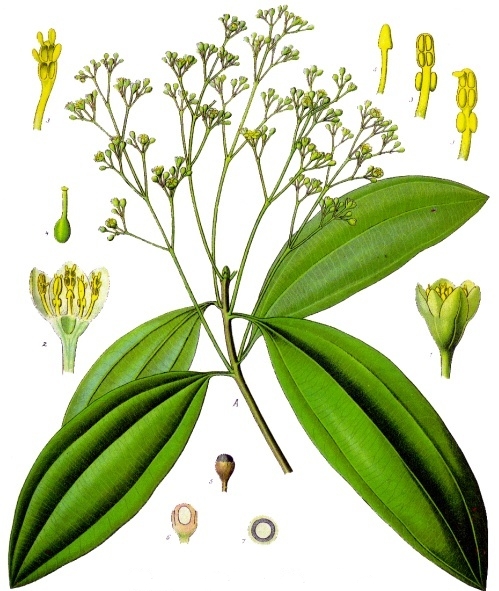
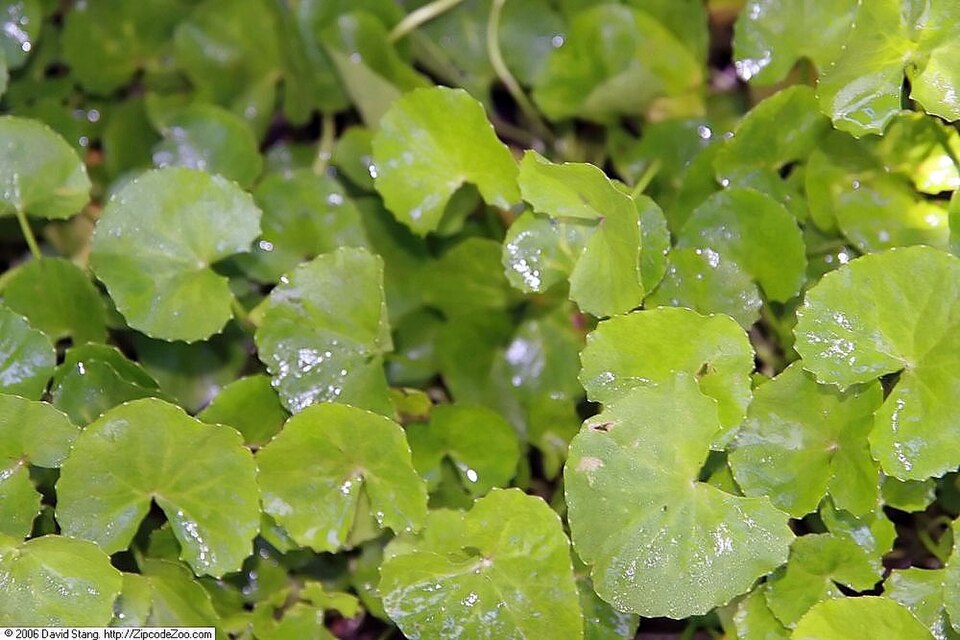
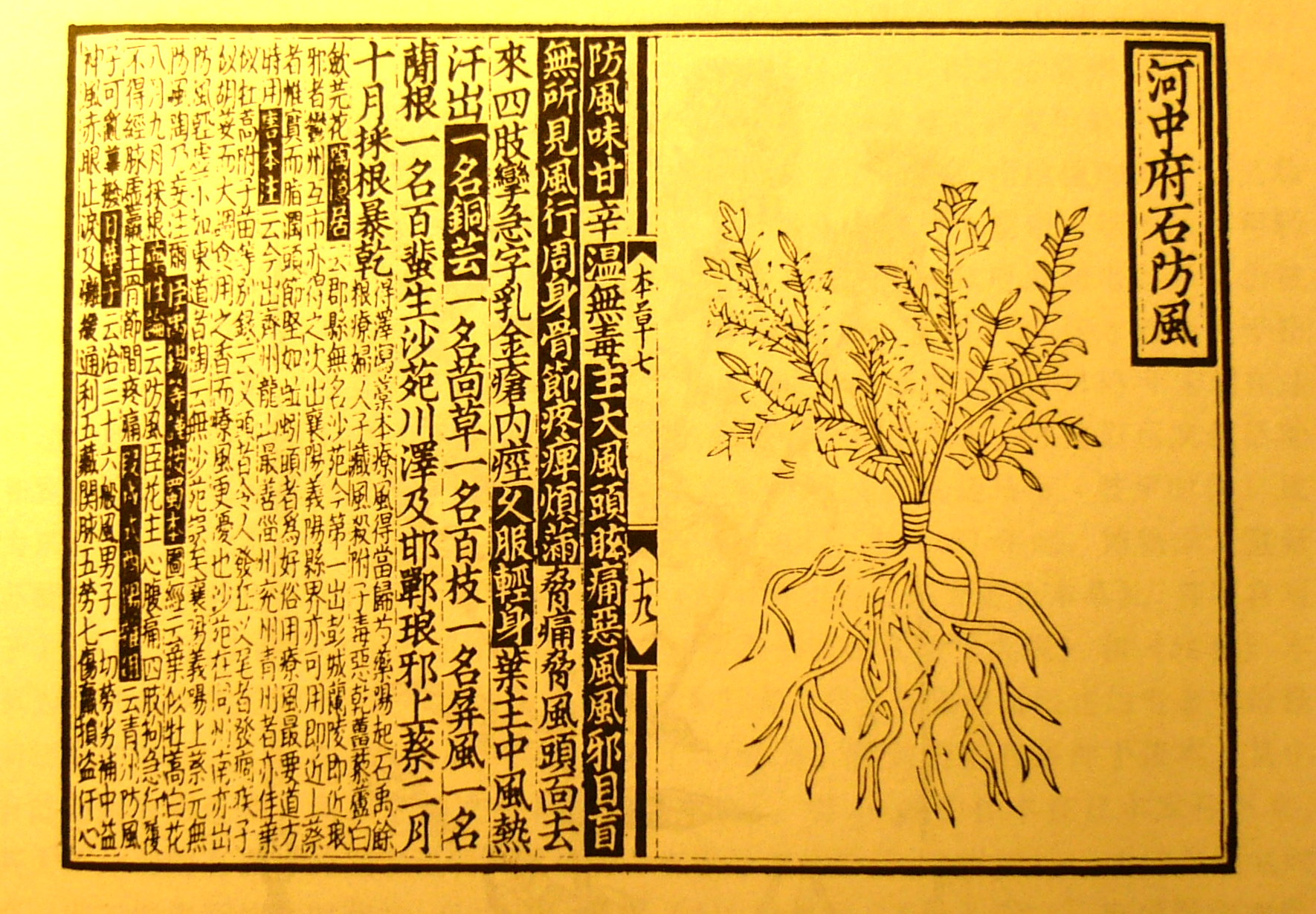
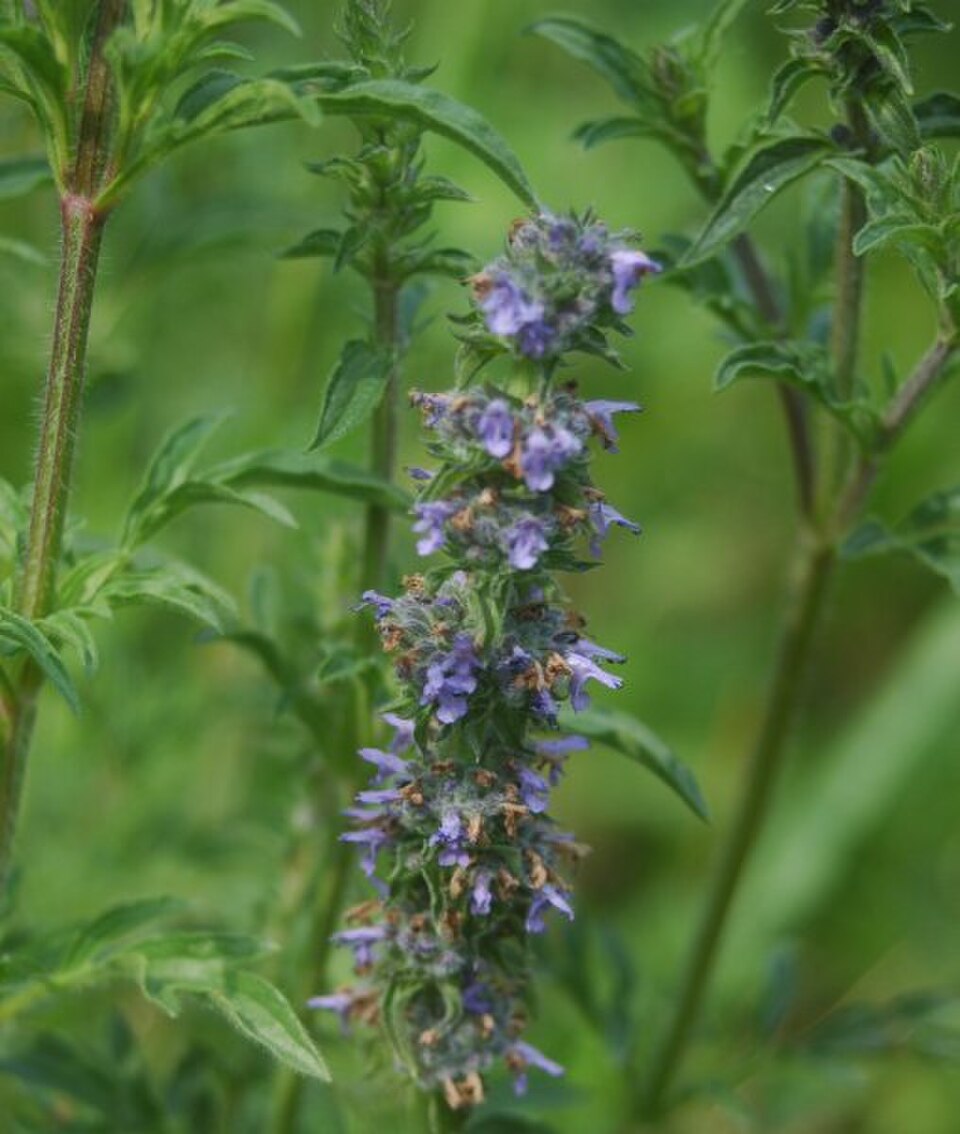
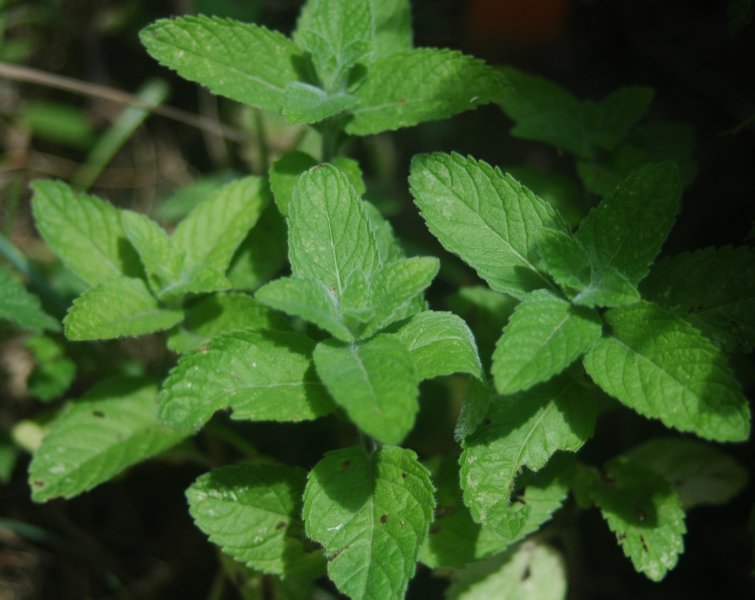
Mint has square stems, opposite leaves, and a strong volatile aroma, and species, fresh versus dried herb, and culinary versus medicinal use should be separated. The leaves are dark green with serrated edges and a cooling, pungent taste, and the dried herb keeps a milder version of the fresh aroma. The cooling taste is an orientation clue, but the species and the harvest stage still need a traceable label, and essential-oil products are a separate and more concentrated record.
Images are for orientation only, not definitive species authentication; confirm species, part, source, and labeling with a qualified professional or authoritative monograph.
TRADITIONAL CONTEXT
Traditional Use in Context
Traditional records discuss Peppermint for light exterior release, throat and head discomfort, constrained qi, and cooling aromatic movement, and it appears in formulas aimed at early-stage wind-heat, sore throat, and constrained emotional presentations, such as Xiao Yao San with Bupleurum and White Peony. Classical texts describe it for dispersing exterior heat lightly and for soothing constrained qi, always within a pattern-based framework. The cooling vocabulary is historical, and a cooling aromatic tea is not a treatment for persistent cough, fever, or breathing difficulty, which require medical assessment.
PROCESSING CONTEXT
Raw Material, Processing, and Product Form
The aerial parts are harvested near flowering and dried quickly to protect volatile oils, and long storage, heat, or an essential-oil product changes the exposure profile. The dried herb, the tea, and the concentrated oil are separate records.
The same name can cover a raw material, decoction piece, powder, extract, or finished product, so record the labeled form rather than assuming it; see the safety review for the questions to ask.
SAFETY REVIEW
Safety Boundaries
Review mint allergy, reflux, pregnancy, children, and concentrated essential oils, and keep oil products away from the face of infants and small children. A cooling aromatic tea is not a treatment for persistent cough, fever, or breathing difficulty, and persistent symptoms require medical assessment.
This record is not a dose recommendation; risk depends on identity, preparation, amount, duration, contamination, other medicines, and health conditions — a traditional or “natural” label cannot establish safety. For the full framework, read the Chinese Herbal Medicine Safety Review.
COMPARISON
How This Entry Differs
Compare Peppermint with Chinese Schizonepeta for the two aromatic exterior herbs, and with Chrysanthemum Flower for the flower-based cooling alternative. Peppermint is distinguished by its strong volatile-oil content and its cooling, dispersing character.
Use the related-entry links below to compare identity, part, processing, and safety boundaries — similar categories do not make materials interchangeable.
STUDY METHOD
New to these entries?
Read the four-step method in How to Read a Herb Entry before comparing materials.