Herb reference entry
Bupleurum Root / Chinese Thoroughwax
Bupleurum Root / Chinese Thoroughwax
Bupleurum chinense DC.
Reviewed by Kuda, September 2, 2026 - Editorial policy
OVERVIEW
What This Record Covers
Bupleurum Root, called Chai Hu, is the dried root of Bupleurum chinense and selected Bupleurum species, perennial herbs of the parsley family (Apiaceae) that grow in dry slopes and grasslands across China. The medicinal part is the slender, cylindrical root with a yellow-brown surface and fine longitudinal lines, harvested, cleaned, and dried for use as slices. In trade it appears as root slices, powders, granules, and combined formulas. Because closely related roots in the same family can look similar, the species and source documentation should accompany any product.
- English name
- Bupleurum Root / Chinese Thoroughwax
- Latin name
- Bupleurum chinense DC.
- Traditional category
- Exterior Releasing
- Nature
- Slightly Cold
- Flavor description
- Pungent, Bitter
- Record identifier
- chaihu
IDENTIFICATION
Identification and Image Notes
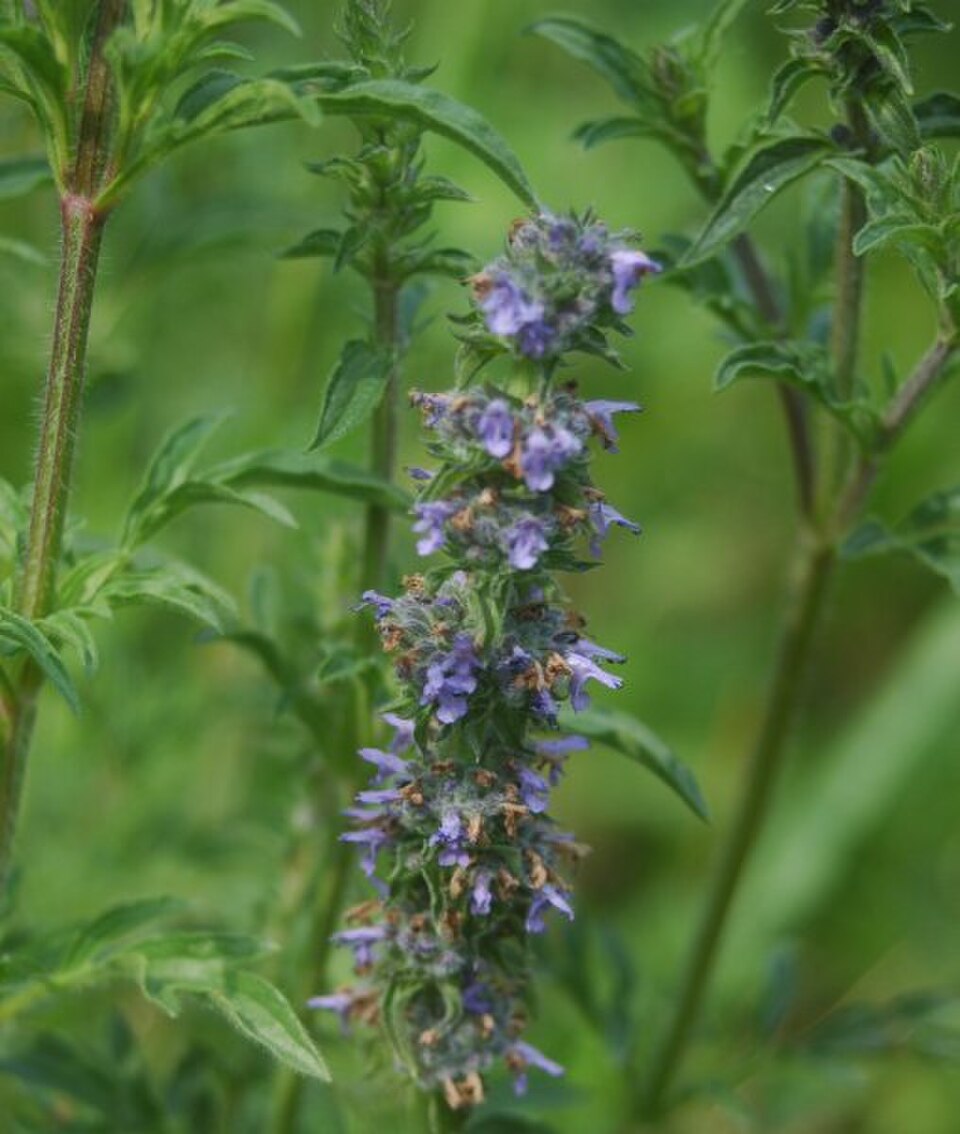
Bupleurum roots are slender and cylindrical, with a yellow-brown surface and fine longitudinal lines, and closely related roots can look similar, so species and source documentation matter. The dried root is thin and wiry, with a pale yellow-brown bark and a distinctive musky-aromatic smell when fresh. The fine lines are an orientation clue, but the Latin name and the slice form should be confirmed with the label, and vinegar- and wine-processed forms should be recorded separately.
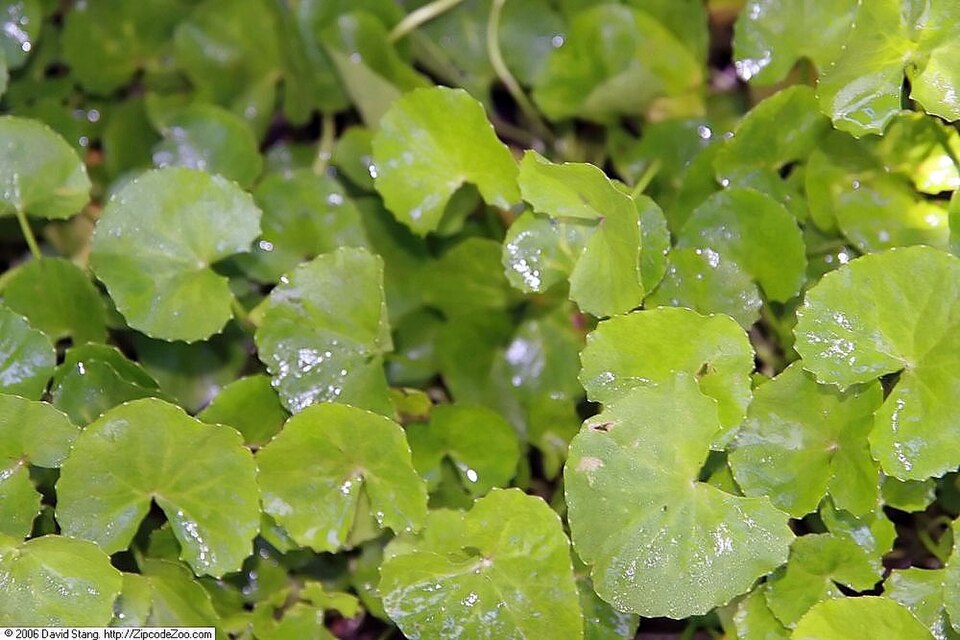
Images are for orientation only, not definitive species authentication; confirm species, part, source, and labeling with a qualified professional or authoritative monograph.
TRADITIONAL CONTEXT
Traditional Use in Context
Traditional records discuss Bupleurum for alternating fever and chills, constrained qi, liver and gallbladder pathways, and upward or outward movement, and it is the defining ingredient of the classical formula Xiao Chai Hu Tang and of liver-qi-moving combinations such as Chai Hu Shu Gan San and Xiao Yao San with White Peony and Mint, where it is processed differently for each role. Classical texts describe it for a specific pattern of alternating cold and heat and for constrained liver qi, always within a pattern-based framework. The alternating fever vocabulary is historical, and persistent fever, jaundice, or severe pain cannot be explained by a “lesser yang” label alone, and such symptoms require medical assessment rather than a traditional reading.
PROCESSING CONTEXT
Raw Material, Processing, and Product Form
Raw, vinegar-processed, and wine-processed roots are described in different traditions, and the processing record should remain linked to the root source and product form. Each processed form is a separate record with a different traditional emphasis.
The same name can cover a raw material, decoction piece, powder, extract, or finished product, so record the labeled form rather than assuming it; see the safety review for the questions to ask.
SAFETY REVIEW
Safety Boundaries
Review liver disease, allergy, pregnancy, and medicines metabolized by the liver, and check for herb-drug interactions involving hepatic metabolism. Persistent fever, jaundice, or severe pain requires medical assessment rather than a traditional label, and this page is educational and is not a dose recommendation.
This record is not a dose recommendation; risk depends on identity, preparation, amount, duration, contamination, other medicines, and health conditions — a traditional or “natural” label cannot establish safety. For the full framework, read the Chinese Herbal Medicine Safety Review.
COMPARISON
How This Entry Differs
Compare Bupleurum Root with Saposhnikovia Root and Cassia Twig for exterior movement, organ-system language, processing, and liver-safety questions. Bupleurum is the root most tied to the liver and gallbladder pathways and the one with the strongest interaction literature. Vinegar processing is used in traditional practice to redirect its action toward the liver, a detail that changes how the entry is compared with the other exterior roots.
Use the related-entry links below to compare identity, part, processing, and safety boundaries — similar categories do not make materials interchangeable.
STUDY METHOD
New to these entries?
Read the four-step method in How to Read a Herb Entry before comparing materials.