Herb reference entry
Saposhnikovia Root / Divaricate Saposhnikovia
Saposhnikovia Root / Divaricate Saposhnikovia
Saposhnikovia divaricata (Turcz.) Schischk.
Reviewed by Kuda, September 2, 2026 - Editorial policy
OVERVIEW
What This Record Covers
Saposhnikovia Root, called Fang Feng, is the dried root of Saposhnikovia divaricata, a perennial herb of the parsley family (Apiaceae) that grows in dry, sunny slopes and grasslands of northern China. The medicinal part is the cylindrical, ridged root with a pale yellow interior and a distinctive aromatic smell, harvested, cleaned, and dried for use as slices. In trade it appears as root slices, powders, granules, and combined formulas. Because roots from related Apiaceae plants can be confused with it, the species statement, the aroma, and the slice form should accompany any product.
- English name
- Saposhnikovia Root / Divaricate Saposhnikovia
- Latin name
- Saposhnikovia divaricata (Turcz.) Schischk.
- Traditional category
- Exterior Releasing
- Nature
- Slightly Warm
- Flavor description
- Pungent, Sweet
- Record identifier
- fangfeng
IDENTIFICATION
Identification and Image Notes
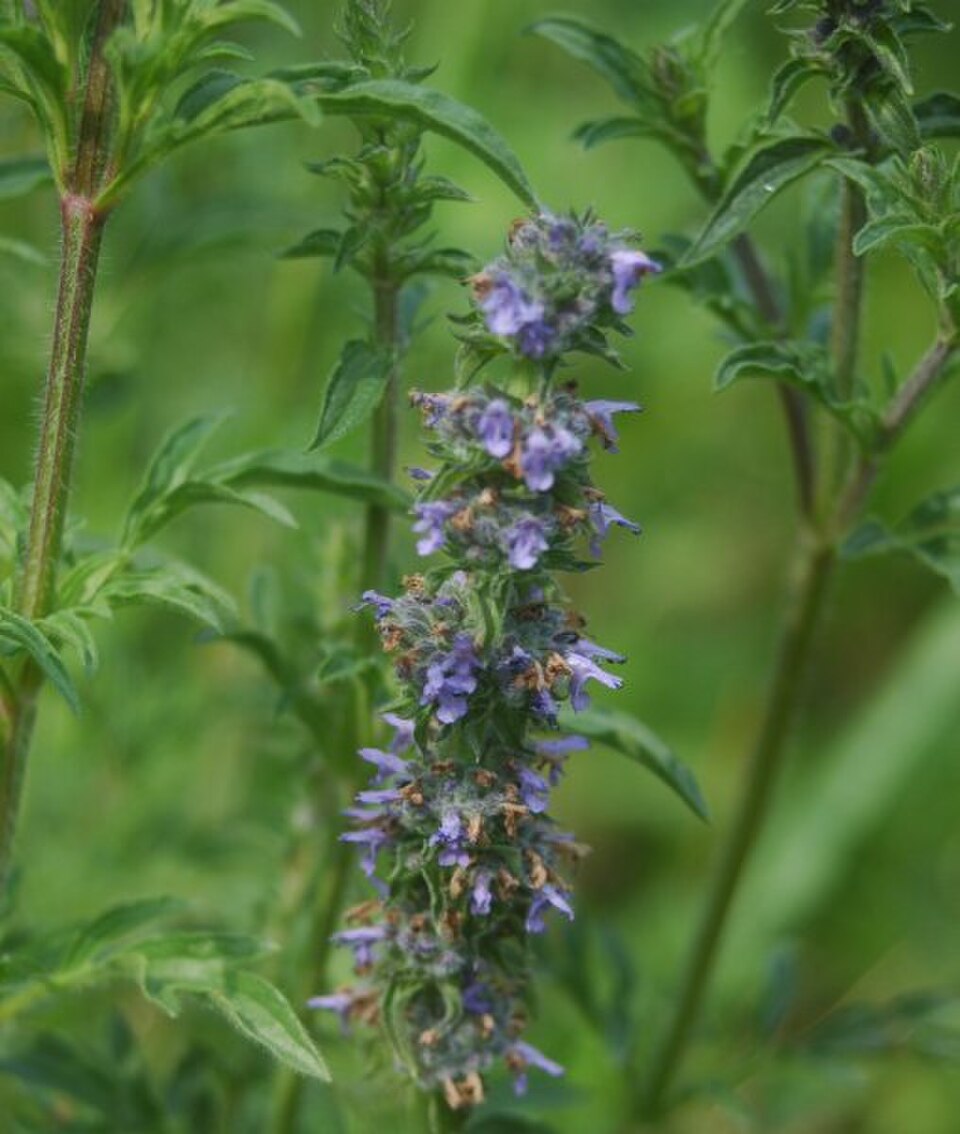
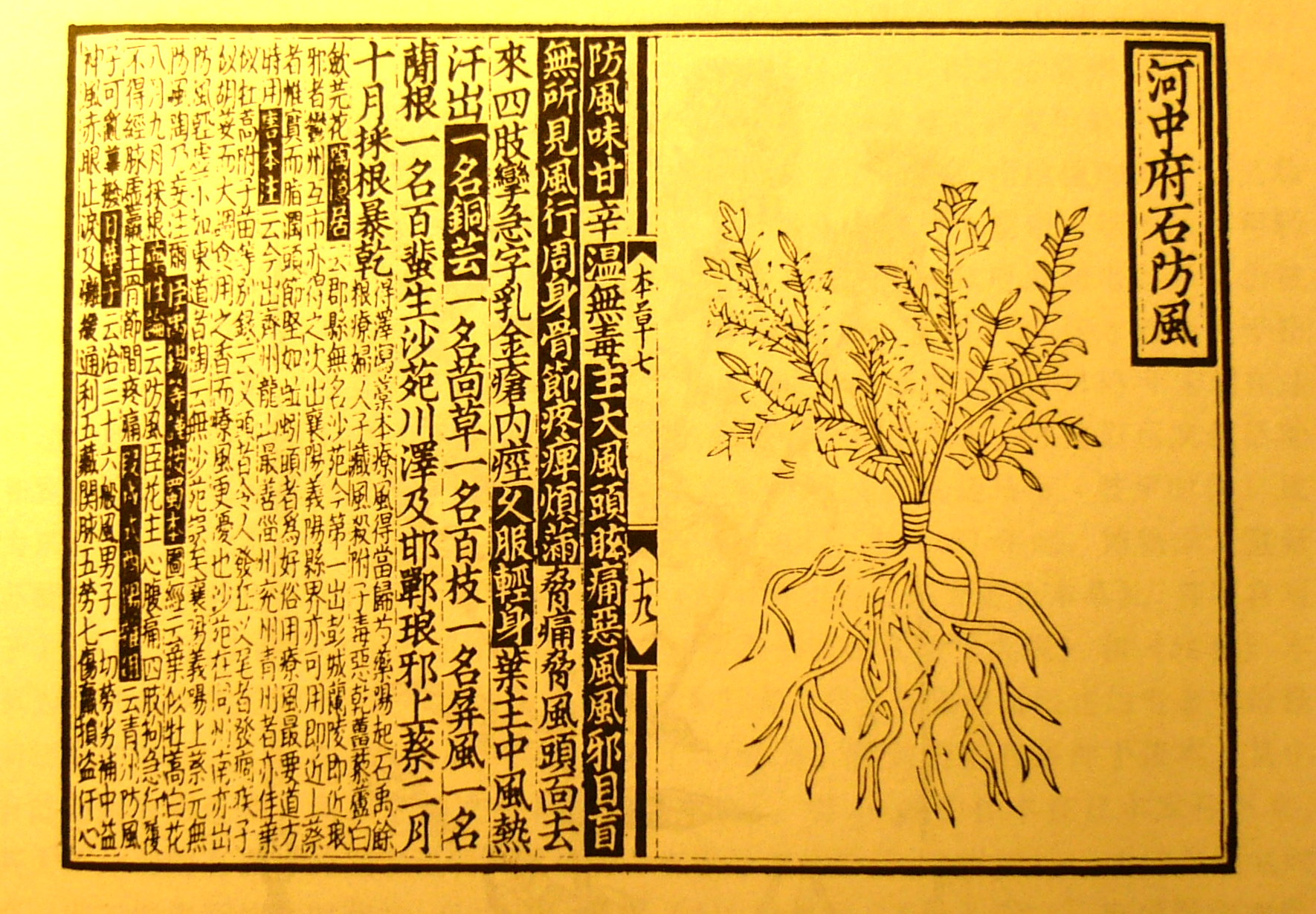
The root is cylindrical and ridged with a pale yellow interior and a distinctive aromatic smell, and roots from related Apiaceae plants can be confused with it. The dried root is firm, with fine longitudinal ridges and a gray-yellow surface, and it breaks with a fibrous, somewhat woody texture. The aroma and the ridged surface are orientation clues, but the Latin name and source should be confirmed with the label, since celery-family roots resemble it.
Images are for orientation only, not definitive species authentication; confirm species, part, source, and labeling with a qualified professional or authoritative monograph.
TRADITIONAL CONTEXT
Traditional Use in Context
Traditional records discuss Saposhnikovia for wind-related exterior symptoms, itching, pain, and protection from excessive dispersal in traditional formulas, and it appears in combinations aimed at wind-type headache, body aches, and itching, such as Jing Fang Bai Du San with Schizonepeta, and in formulas where its moderate action tempers stronger dispersing herbs. Classical texts describe it as a moderate wind-dispersing root that is also used to restrain overly strong dispersing formulas, always within a pattern-based framework. The wind vocabulary is historical and is not a diagnosis of an allergic or infectious condition, and persistent rash, fever, or joint symptoms requires clinical assessment.
PROCESSING CONTEXT
Raw Material, Processing, and Product Form
The root is cleaned, sliced, and dried, and some records use rice-bran processing. Product labels should state whether the material is raw, processed, or part of a blend, because each form is a separate record.
The same name can cover a raw material, decoction piece, powder, extract, or finished product, so record the labeled form rather than assuming it; see the safety review for the questions to ask.
SAFETY REVIEW
Safety Boundaries
Review Apiaceae allergy, pregnancy, anticoagulants, and persistent rash or fever, and check for cross-allergy with carrot, celery, and related plants. “Wind” is a historical term, not a diagnosis of an allergic or infectious condition, and persistent symptoms need ordinary medical assessment.
This record is not a dose recommendation; risk depends on identity, preparation, amount, duration, contamination, other medicines, and health conditions — a traditional or “natural” label cannot establish safety. For the full framework, read the Chinese Herbal Medicine Safety Review.
COMPARISON
How This Entry Differs
Compare Saposhnikovia Root with Chinese Schizonepeta for the root-versus-herb pair in wind-dispersing formulas, and with Bupleurum Root for the organ-system end of the exterior vocabulary. Saposhnikovia is the most restrained and protection-oriented of the three. Its celery-family identity also explains an allergy boundary that does not apply to most exterior herbs.
Use the related-entry links below to compare identity, part, processing, and safety boundaries — similar categories do not make materials interchangeable.
STUDY METHOD
New to these entries?
Read the four-step method in How to Read a Herb Entry before comparing materials.