Herb reference entry
Ephedra Herb
Ephedra Herb
Ephedra sinica Stapf
Reviewed by Kuda, September 2, 2026 - Editorial policy
OVERVIEW
What This Record Covers
Ephedra Herb, called Ma Huang, is the dried green stems of Ephedra sinica and accepted Ephedra species, low shrubs of the Ephedraceae family that grow in arid, sandy regions of northern China and Mongolia. The medicinal material is the jointed, green, nearly leafless stem, harvested, cleaned, and dried for use as cut pieces. In trade it appears as cut green stems, powders, granules, and a wide range of stimulant-style supplements, and the isolated alkaloid products are a separate and stricter category. Because Ephedra species, alkaloid content, and the difference between herb material and isolated stimulant products vary enormously, the label and batch record must be verified before any use.
- English name
- Ephedra Herb
- Latin name
- Ephedra sinica Stapf
- Traditional category
- Exterior Releasing
- Nature
- Warm
- Flavor description
- Pungent, Slightly Bitter
- Record identifier
- mahuang
IDENTIFICATION
Identification and Image Notes
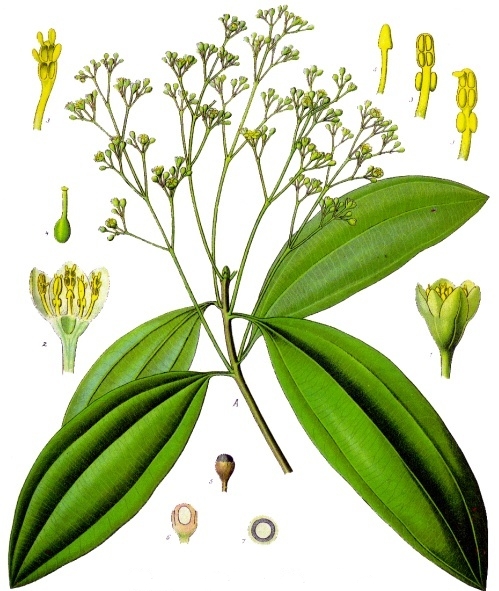
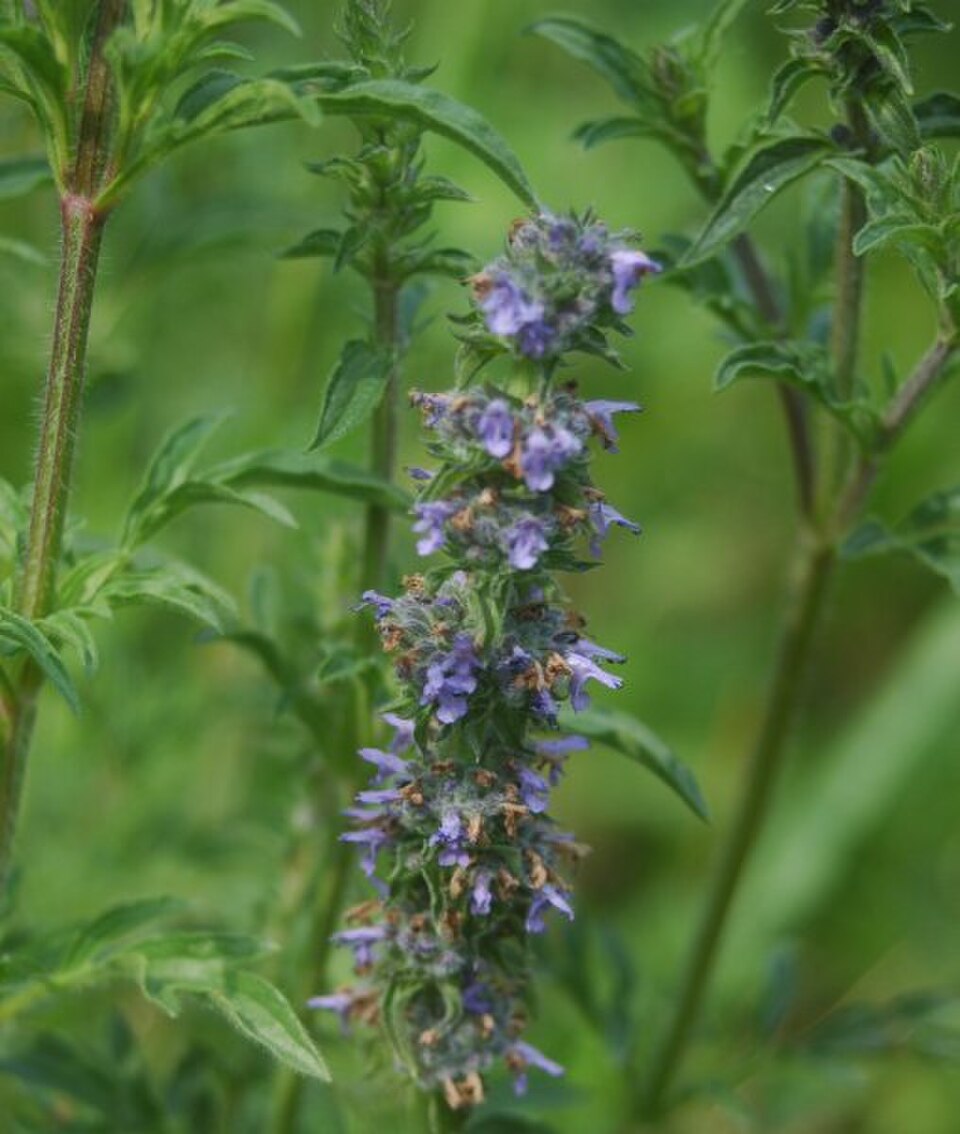
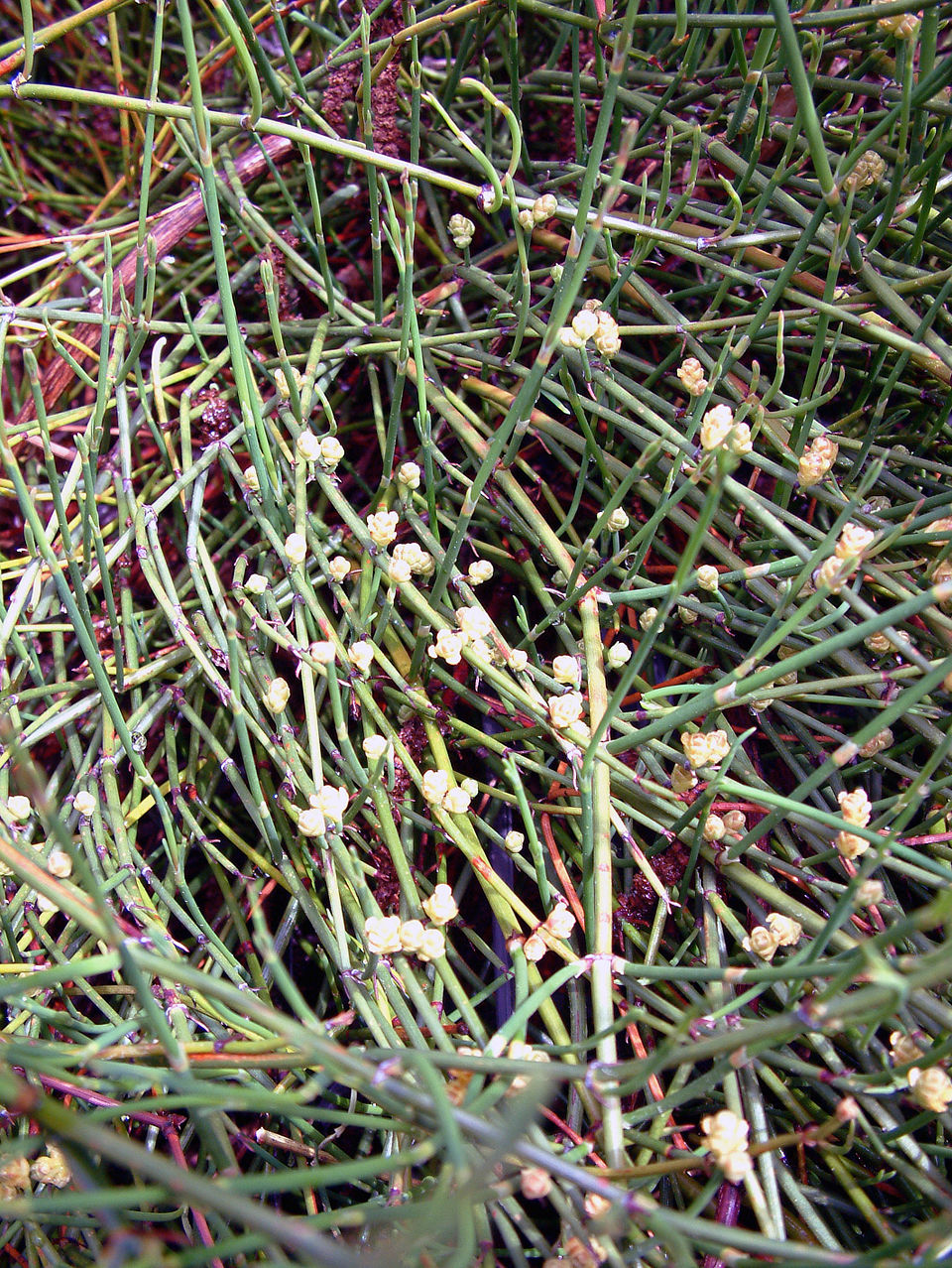
The medicinal material is a jointed, green, nearly leafless stem, and Ephedra species, alkaloid content, and the difference between herb material and isolated stimulant products must be verified. The dried stems are thin, pale green to yellow-green, and jointed like a reed, with a faint hay-like smell and a slightly bitter taste. The jointed stem is an orientation clue, but alkaloid concentration cannot be read from appearance, and the batch record should document the species and harvest.
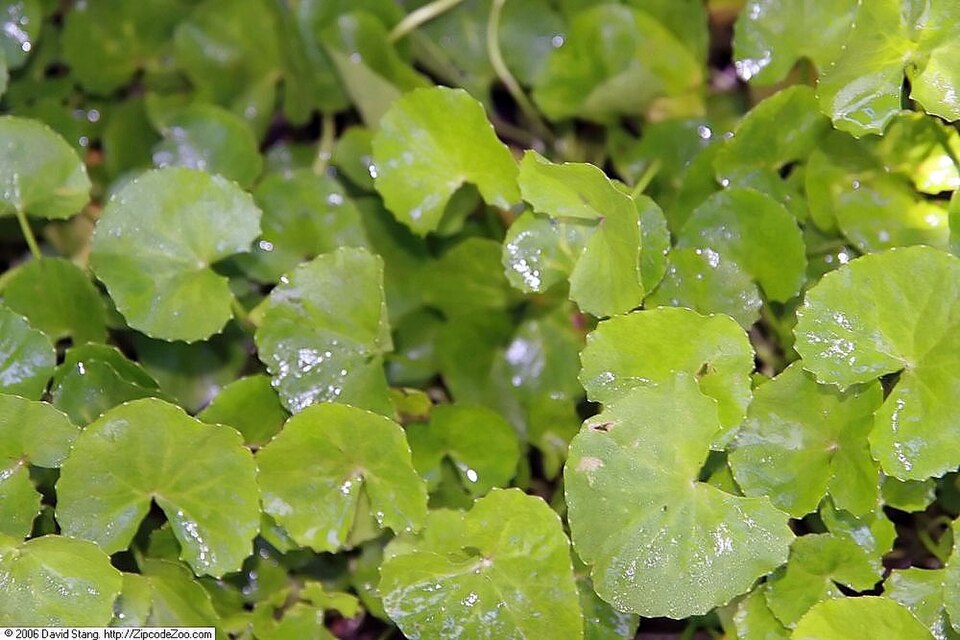
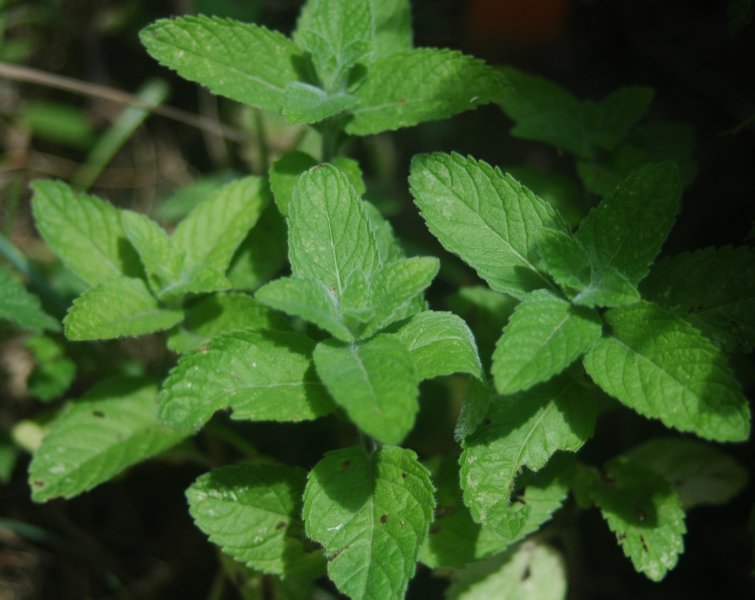
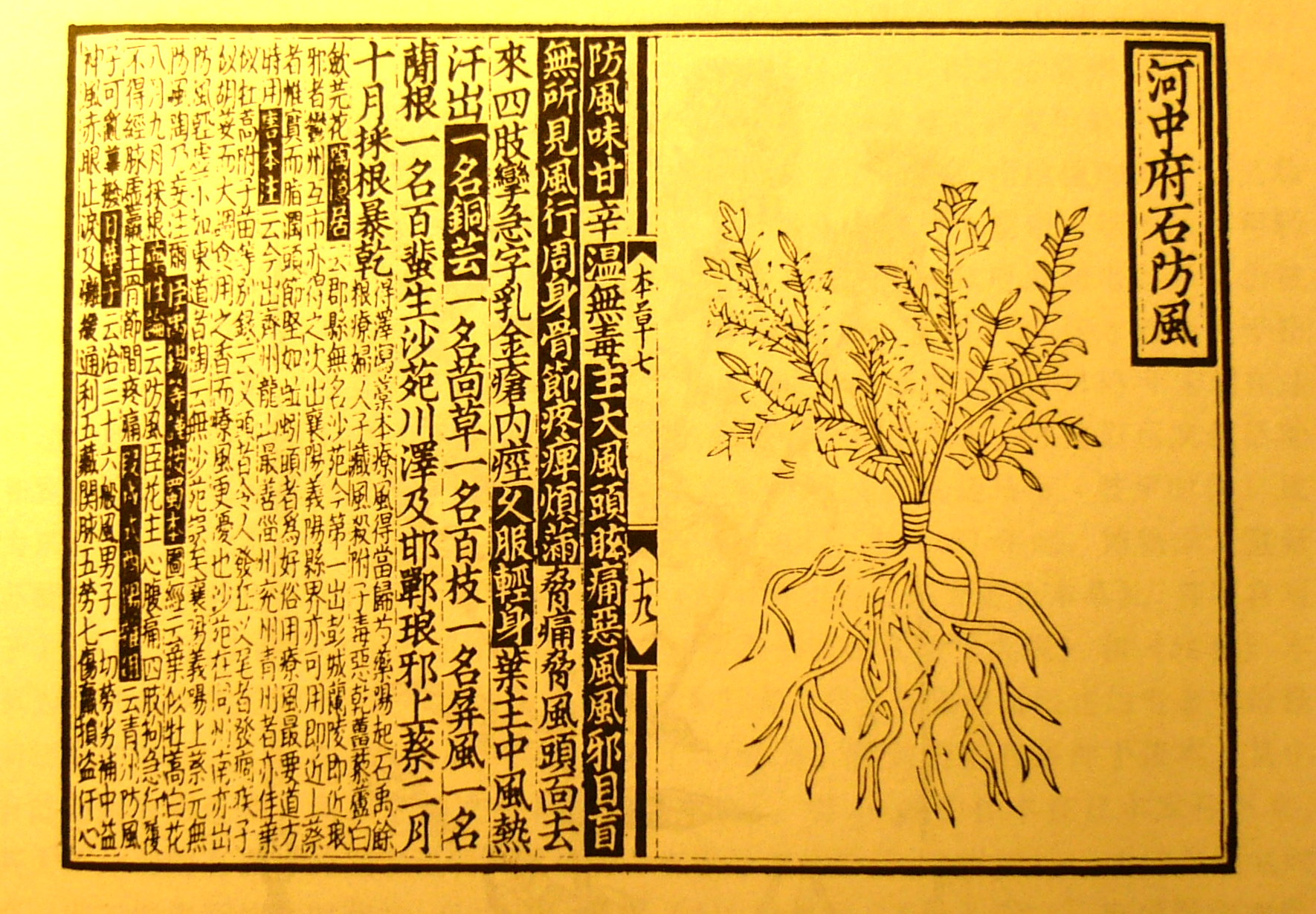
Images are for orientation only, not definitive species authentication; confirm species, part, source, and labeling with a qualified professional or authoritative monograph.
TRADITIONAL CONTEXT
Traditional Use in Context
Traditional records discuss Ephedra for exterior release, sweating, lung qi movement, wheezing, and water-related historical descriptions, and it is the defining ingredient of classical formulas such as Ma Huang Tang and Xiao Qing Long Tang, in both cases paired with Cassia Twig and Apricot Kernel. Classical texts describe it for exterior-cold presentations with body aches and for wheezing, always within a pattern-based framework. The sweating and wheezing vocabulary is historical and does not establish the cause of asthma or respiratory illness, and wheezing or shortness of breath requires medical care rather than a traditional label.
PROCESSING CONTEXT
Raw Material, Processing, and Product Form
Stems are cleaned, cut, and dried, and honey-processing appears in selected traditional records. Processing does not make an unknown or concentrated stimulant product safe, and the isolated alkaloid category requires its own regulatory review.
The same name can cover a raw material, decoction piece, powder, extract, or finished product, so record the labeled form rather than assuming it; see the safety review for the questions to ask.
SAFETY REVIEW
Safety Boundaries
This is a higher-attention material because stimulant alkaloids can affect heart rate, blood pressure, sleep, and anxiety, and cardiovascular disease, pregnancy, glaucoma, and all stimulant medicines deserve professional review. Palpitations, chest pain, or breathing difficulty requires urgent care, and this page is educational and is not a dose recommendation.
This record is not a dose recommendation; risk depends on identity, preparation, amount, duration, contamination, other medicines, and health conditions — a traditional or “natural” label cannot establish safety. For the full framework, read the Chinese Herbal Medicine Safety Review.
COMPARISON
How This Entry Differs
Compare Ephedra Herb with Cassia Twig for the warming exterior pair, and with Peppermint for the cooling end of the exterior vocabulary. Ephedra is distinguished from both by its stimulant alkaloid content and the strict verification its products require.
Use the related-entry links below to compare identity, part, processing, and safety boundaries — similar categories do not make materials interchangeable.
STUDY METHOD
New to these entries?
Read the four-step method in How to Read a Herb Entry before comparing materials.