Herb reference entry
Prepared Aconite Root / Monkshood
Prepared Aconite Root / Monkshood
Aconitum carmichaelii Debeaux
Reviewed by Kuda, September 2, 2026 - Editorial policy
OVERVIEW
What This Record Covers
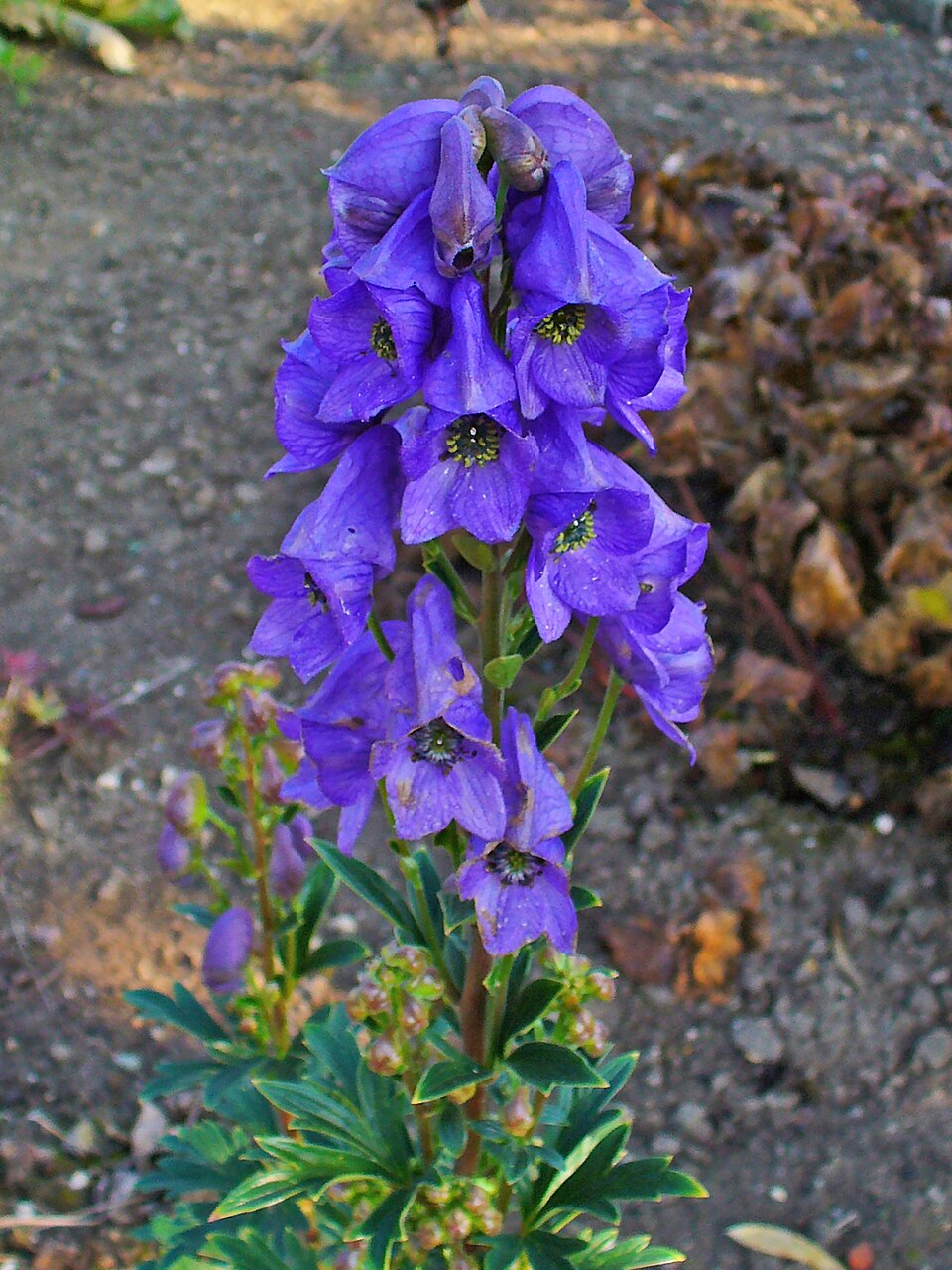
Prepared Aconite, called Fu Zi, is the processed lateral root of Aconitum carmichaelii, a perennial herb of the buttercup family (Ranunculaceae) cultivated in mountainous regions of western and central China. The medicinal material is the small lateral root attached to the main aconite root, and it is used only after a standardized detoxifying processing method, never raw. In trade it appears as processed root slices, powders, granules, and combined formulas, and the processed form is a different material from the raw root. Because raw aconite and improperly processed products contain dangerous alkaloids, the source, label, and preparation must be verified before any product is identified.
- English name
- Prepared Aconite Root / Monkshood
- Latin name
- Aconitum carmichaelii Debeaux
- Traditional category
- Interior Warming
- Nature
- Extremely Hot
- Flavor description
- Pungent, Sweet
- Record identifier
- fuzi
IDENTIFICATION
Identification and Image Notes
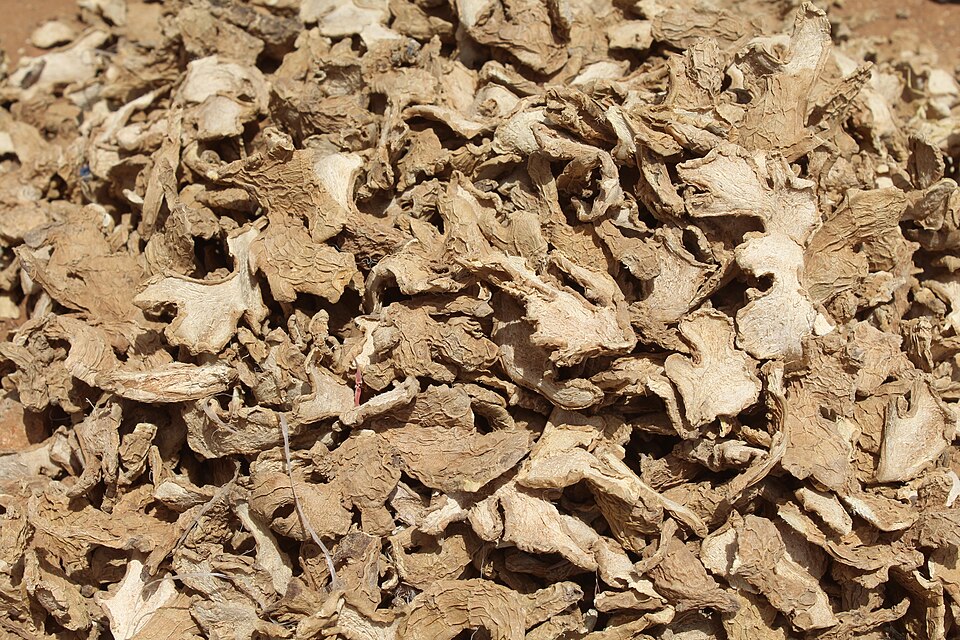
The raw and processed lateral roots are both tuberous but must be distinguished by source, label, and preparation, and Aconitum species are not interchangeable with ordinary culinary roots. The processed root is dark brown, translucent, and slightly horn-like in texture, cut into slices that are firmer than the raw material. The processed form cannot be authenticated by appearance, so the batch and processing record is the identity document, and raw material should never be substituted.
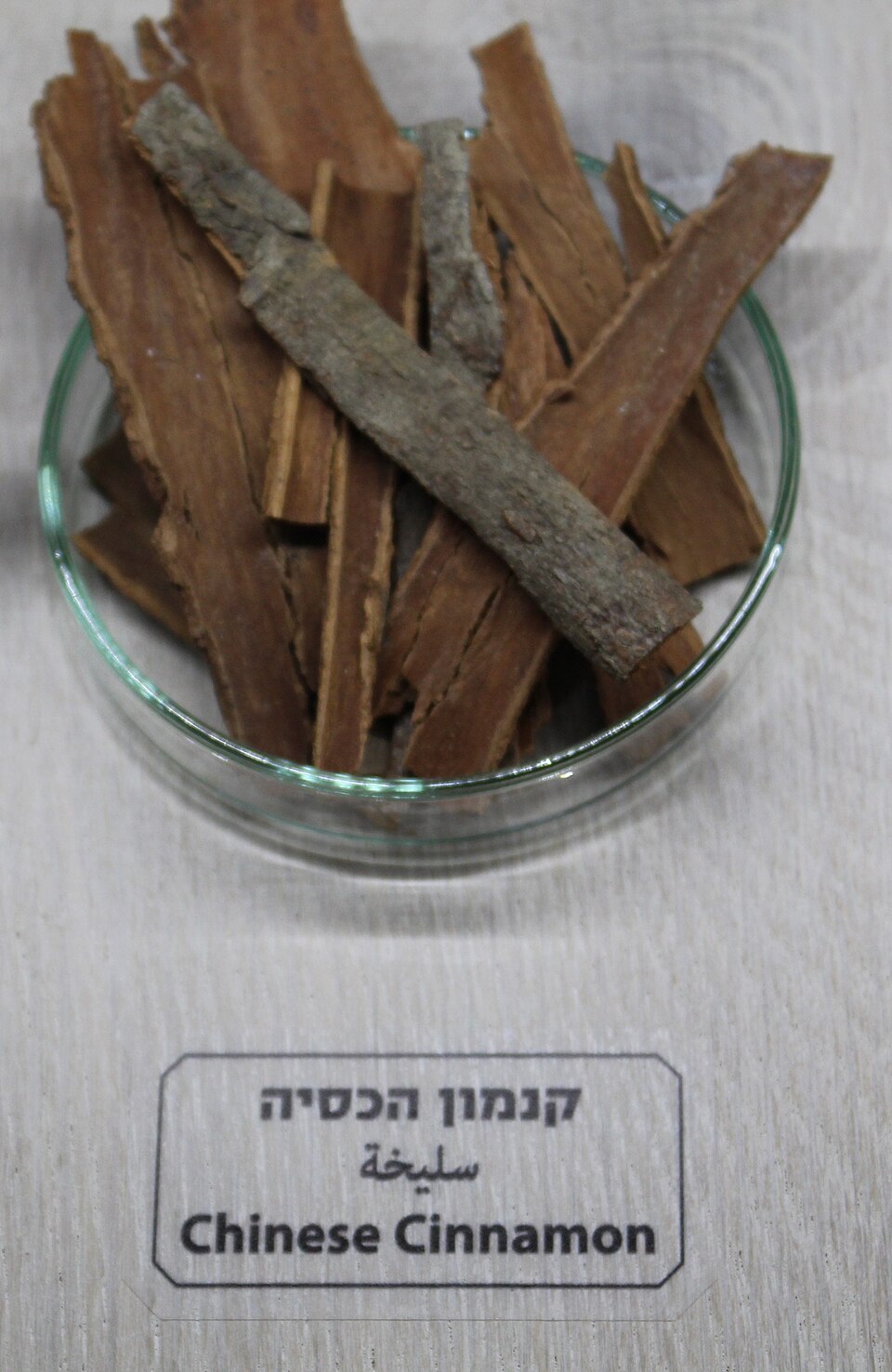
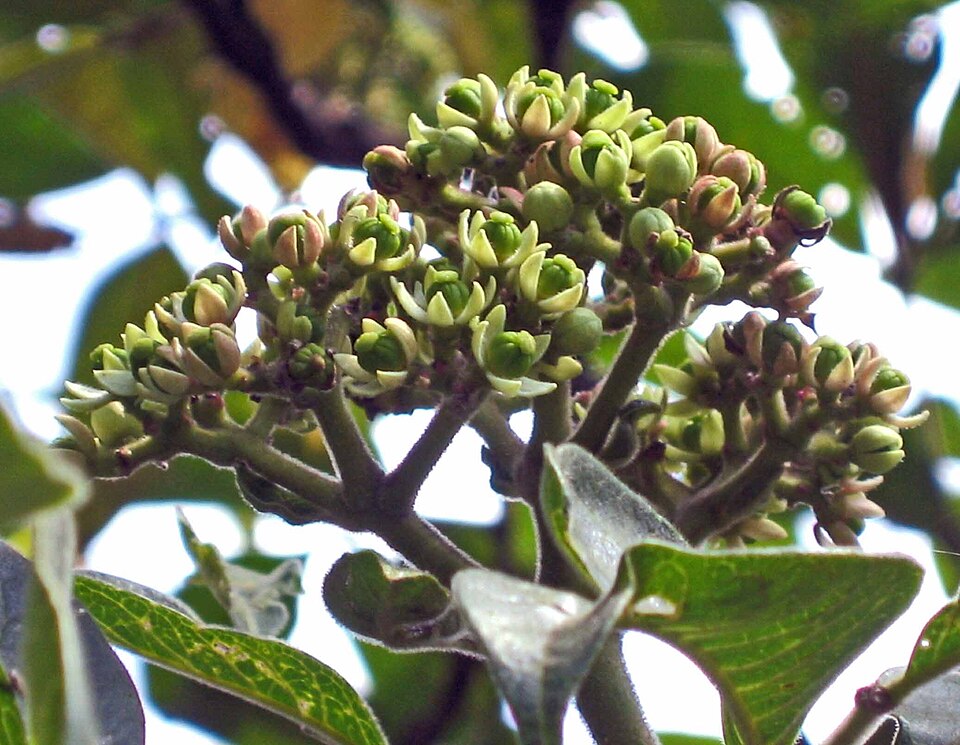
Images are for orientation only, not definitive species authentication; confirm species, part, source, and labeling with a qualified professional or authoritative monograph.
TRADITIONAL CONTEXT
Traditional Use in Context
Traditional records discuss Prepared Aconite for restoring yang, warming interior cold, relieving pain, and supporting collapse-related historical descriptions, and it is a central ingredient of classical formulas such as Si Ni Tang (with Dried Ginger and Liquorice) and Shen Fu Tang (with Ginseng), and of warming formulas like Zhen Wu Tang with Poria and White Peony. Classical texts describe it for yang collapse and severe interior cold presentations, always within a pattern-based framework. The collapse vocabulary is historical and does not authorize self-treatment, and collapse, fainting, or severe illness requires emergency care rather than a traditional reading.
PROCESSING CONTEXT
Raw Material, Processing, and Product Form
Detoxifying processing is an essential part of the prepared record and must follow a standardized method, and raw aconite and improperly processed products can contain dangerous alkaloids and are not acceptable substitutes. The processing record must be traceable.
The same name can cover a raw material, decoction piece, powder, extract, or finished product, so record the labeled form rather than assuming it; see the safety review for the questions to ask.
SAFETY REVIEW
Safety Boundaries
Treat this as a high-risk material with potential cardiac and neurologic toxicity: do not use an unknown form, and do not assume a product is safe because it carries the common name. Palpitations, numbness, weakness, nausea, or breathing difficulty requires emergency care, and this page is educational and is not a dose recommendation.
This record is not a dose recommendation; risk depends on identity, preparation, amount, duration, contamination, other medicines, and health conditions — a traditional or “natural” label cannot establish safety. For the full framework, read the Chinese Herbal Medicine Safety Review.
COMPARISON
How This Entry Differs
Compare Prepared Aconite with Dried Ginger and Cinnamon Bark only for traditional warming direction; their processing requirements and toxicity boundaries are not transferable. Aconite is the only one of the three with strict detoxifying processing and high-risk toxicity questions.
Use the related-entry links below to compare identity, part, processing, and safety boundaries — similar categories do not make materials interchangeable.
STUDY METHOD
New to these entries?
Read the four-step method in How to Read a Herb Entry before comparing materials.