Herb reference entry
Cinnamon Bark / Cassia Bark
Cinnamon Bark / Cassia Bark
Cinnamomum cassia (L.) J.Presl
Reviewed by Kuda, September 2, 2026 - Editorial policy
OVERVIEW
What This Record Covers
Cinnamon Bark, called Rou Gui, is the dried bark of Cinnamomum cassia, mature cinnamon, an evergreen tree of the laurel family (Lauraceae) native to southern China and Southeast Asia. The medicinal material is the rolled or quilled bark harvested from mature stems, which is reddish-brown, aromatic, and sweet-spicy, and it is dried whole or cut for use. In trade it appears as bark rolls, quills, cut pieces, powder, culinary spice, essential oil, and concentrated extracts, and the twig of the same tree is a separate medicinal material. Bark thickness, species, and product concentration should be stated on the label.
- English name
- Cinnamon Bark / Cassia Bark
- Latin name
- Cinnamomum cassia (L.) J.Presl
- Traditional category
- Interior Warming
- Nature
- Extremely Hot
- Flavor description
- Pungent, Sweet
- Record identifier
- rougui
IDENTIFICATION
Identification and Image Notes
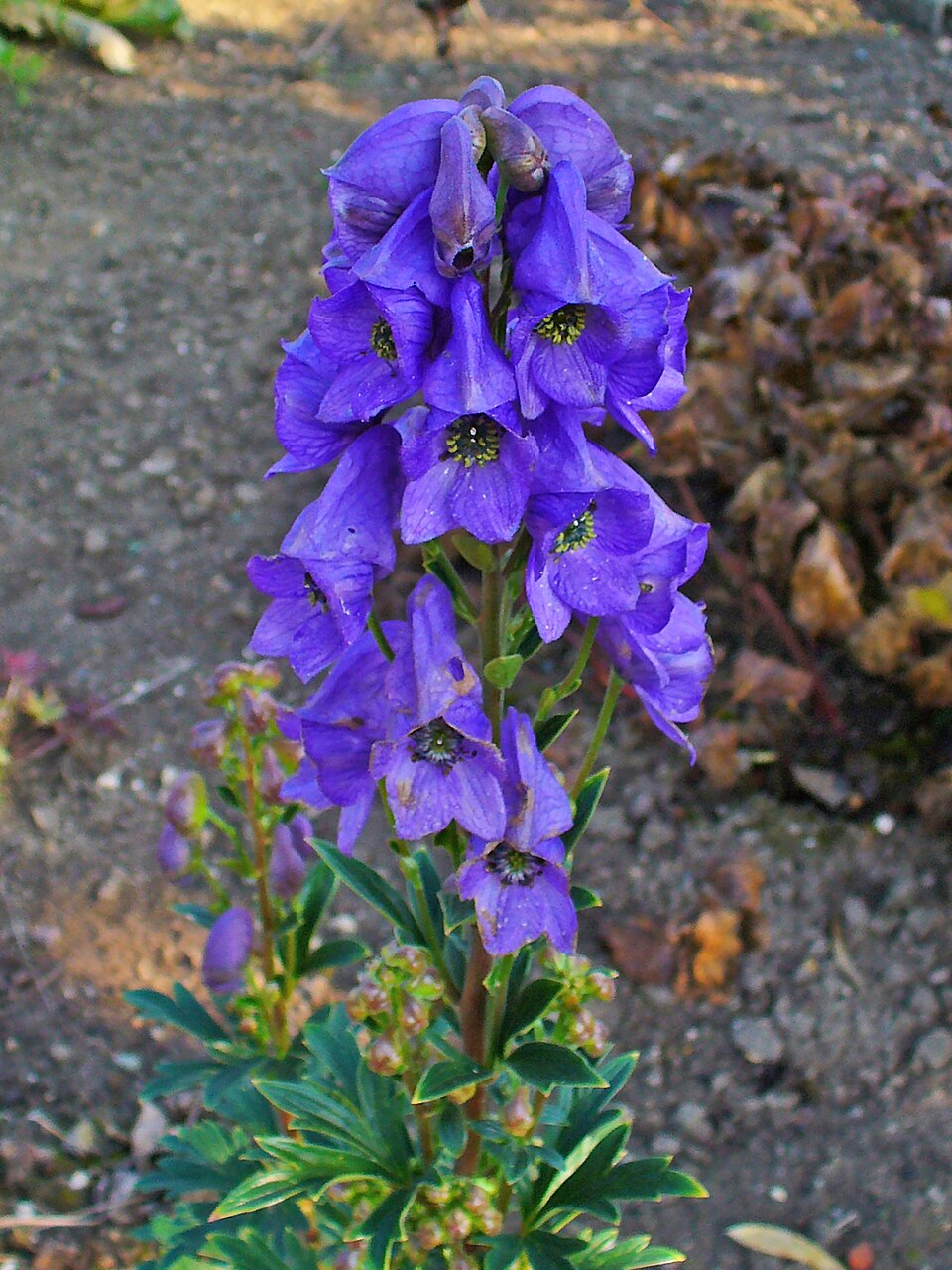
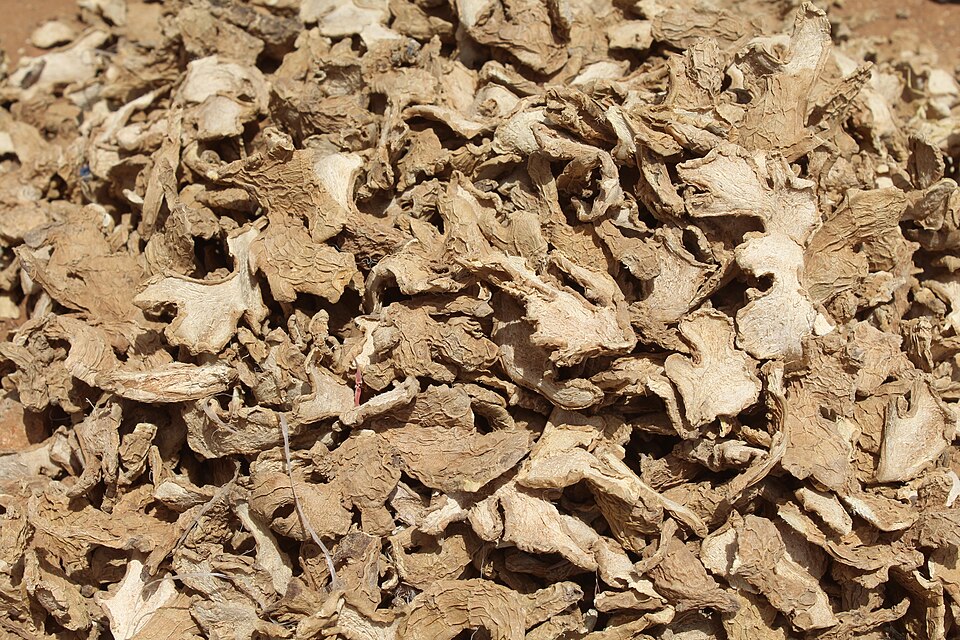
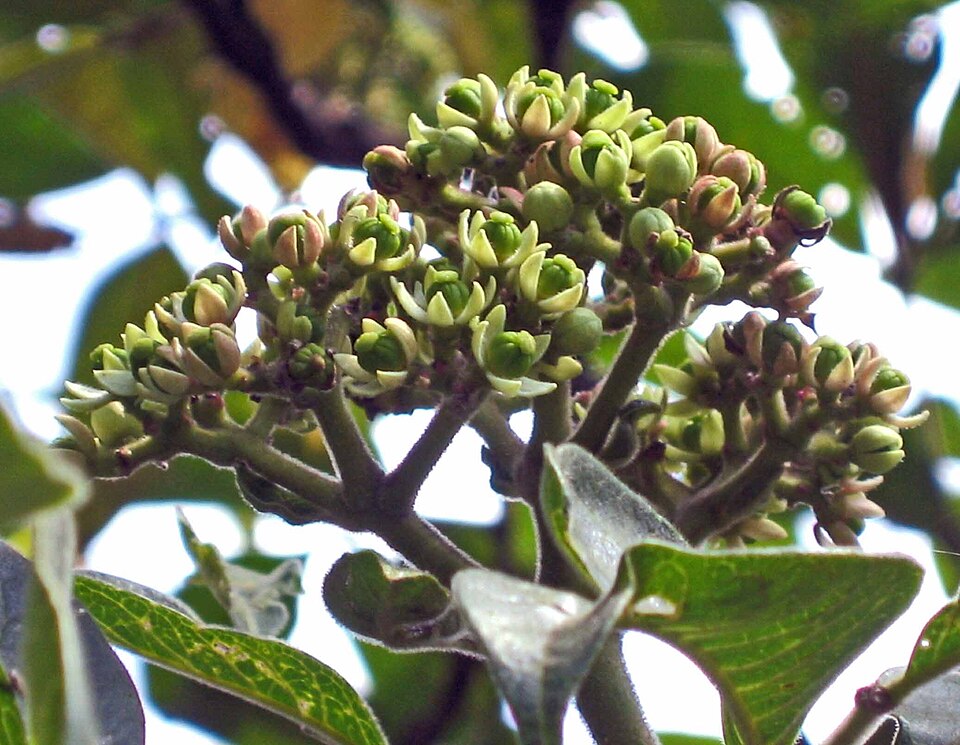
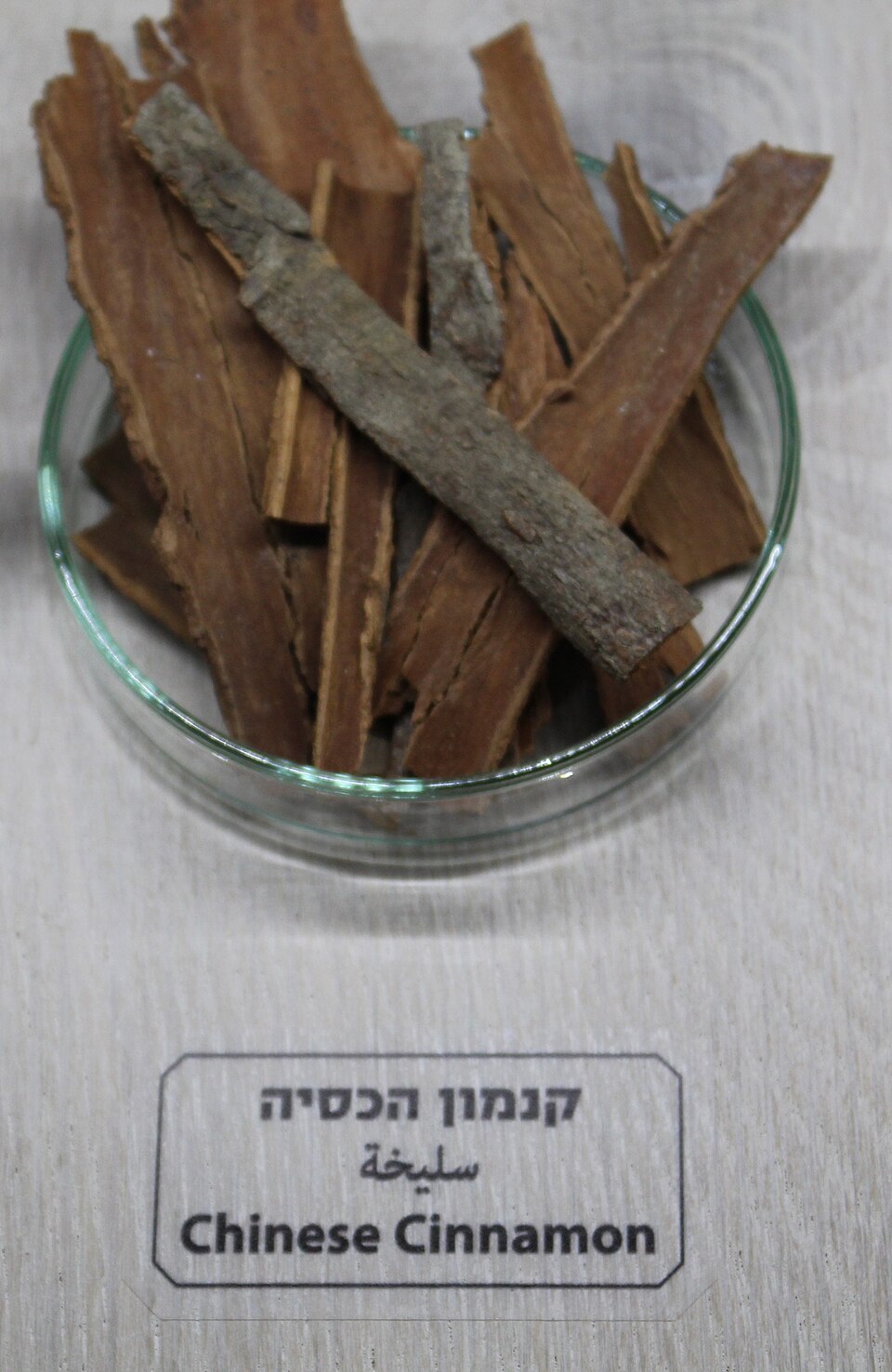
Cinnamon bark is rolled or quilled, aromatic, and reddish-brown, while cinnamon twig is thin and green-brown, and bark thickness and species help separate the two. The bark is harvested in rolls or flattened quills with a smooth inner surface and a pungent-sweet taste that persists on the tongue. The aroma is shared with the twig and with culinary cinnamon, so the plant part and the concentration should be confirmed with the label, and oils and extracts are separate records.
Images are for orientation only, not definitive species authentication; confirm species, part, source, and labeling with a qualified professional or authoritative monograph.
TRADITIONAL CONTEXT
Traditional Use in Context
Traditional records discuss Cinnamon Bark for warming kidney and interior yang, moving blood, warming channels, and strong lower-body cold language, and it is a central ingredient of formulas such as You Gui Wan and Jin Gui Shen Qi Wan, where it is paired with Prepared Aconite and Prepared Rehmannia. Classical texts describe it for interior cold and yang-supporting presentations, always within a pattern-based framework. The warming vocabulary is historical, and strong warming language is not a home treatment for pain, fever, or circulation symptoms, which require medical assessment of their cause.
PROCESSING CONTEXT
Raw Material, Processing, and Product Form
Bark is dried whole or cut, and oils, culinary spice, and concentrated extracts are distinct forms, while coumarin content and product concentration should be considered. Each form carries its own exposure record.
The same name can cover a raw material, decoction piece, powder, extract, or finished product, so record the labeled form rather than assuming it; see the safety review for the questions to ask.
SAFETY REVIEW
Safety Boundaries
Review liver disease, pregnancy, bleeding, allergy, and concentrated cinnamon products, and check the coumarin content of any extract or supplement. Strong warming language is not a home treatment for pain, fever, or circulation symptoms, and persistent symptoms need medical assessment.
This record is not a dose recommendation; risk depends on identity, preparation, amount, duration, contamination, other medicines, and health conditions — a traditional or “natural” label cannot establish safety. For the full framework, read the Chinese Herbal Medicine Safety Review.
COMPARISON
How This Entry Differs
Compare Cinnamon Bark with Cassia Twig for the bark-versus-twig difference in plant part and intensity, and with Dried Ginger for the warming pair. Cinnamon Bark is the stronger and more concentrated member of the cinnamon pair.
Use the related-entry links below to compare identity, part, processing, and safety boundaries — similar categories do not make materials interchangeable.
STUDY METHOD
New to these entries?
Read the four-step method in How to Read a Herb Entry before comparing materials.