Herb reference entry
Lily Bulb
Lily Bulb
Lilium brownii F.E.Brown ex Miellez var. viridulum Baker;Lilium lancifolium Thunb.;Lilium pumilum DC.
Reviewed by Kuda, September 2, 2026 - Editorial policy
OVERVIEW
What This Record Covers
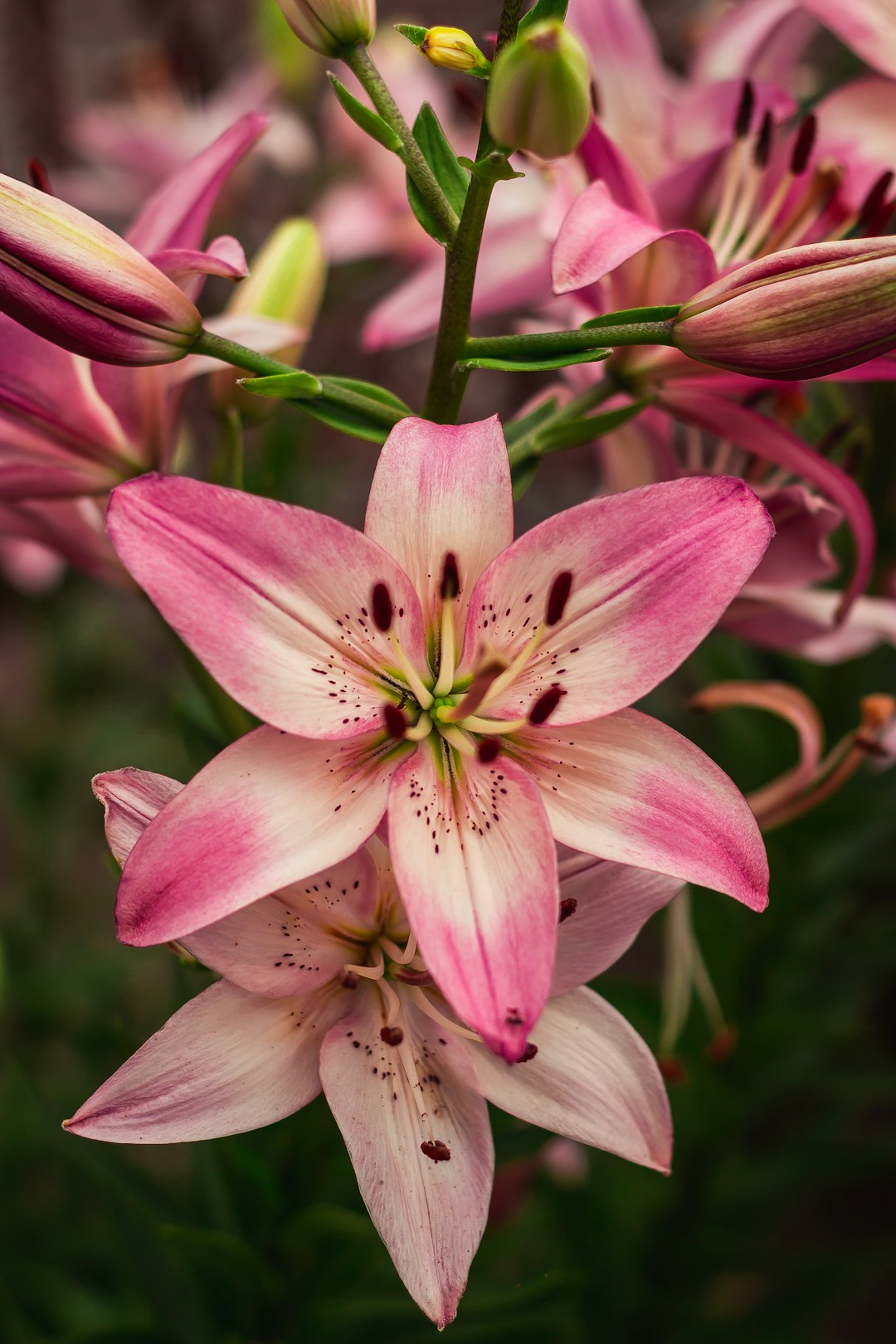
Lily Bulb is the dried bulb scales of selected Lilium species, including Lilium brownii and Lilium lancifolium, herbaceous perennials of the lily family that grow in temperate gardens and fields across Asia. The medicinal material consists of overlapping white or cream scales separated from the bulb, not the flower petals. The scales are cleaned, sometimes blanched, and dried for use, and they appear as whole scales, broken pieces, powders, and extracts. The record is a lung- and calm-related entry, and the Lilium species and whether the scales are intact or broken are useful identity details.
- English name
- Lily Bulb
- Latin name
- Lilium brownii F.E.Brown ex Miellez var. viridulum Baker;Lilium lancifolium Thunb.;Lilium pumilum DC.
- Traditional category
- Yin Tonifying
- Nature
- Slightly Cold
- Flavor description
- Sweet
- Record identifier
- baihe
IDENTIFICATION
Identification and Image Notes
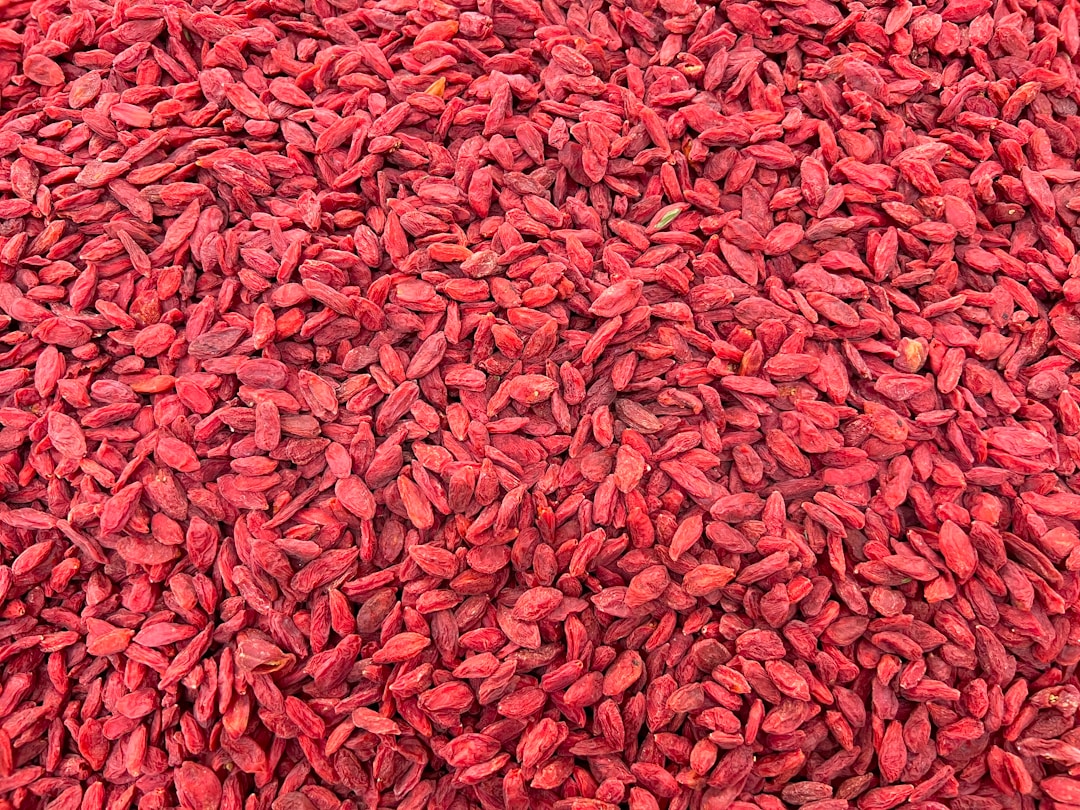
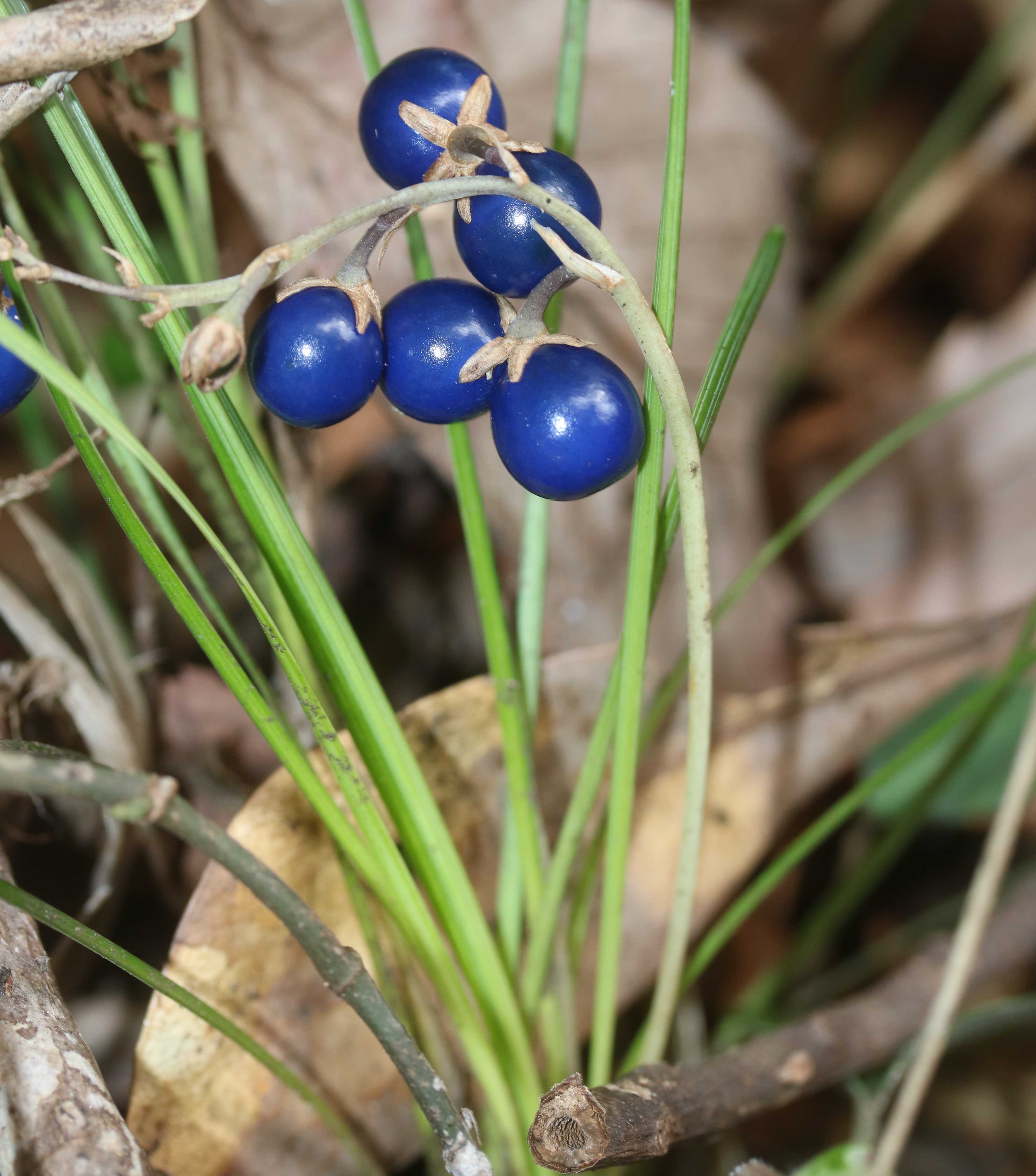
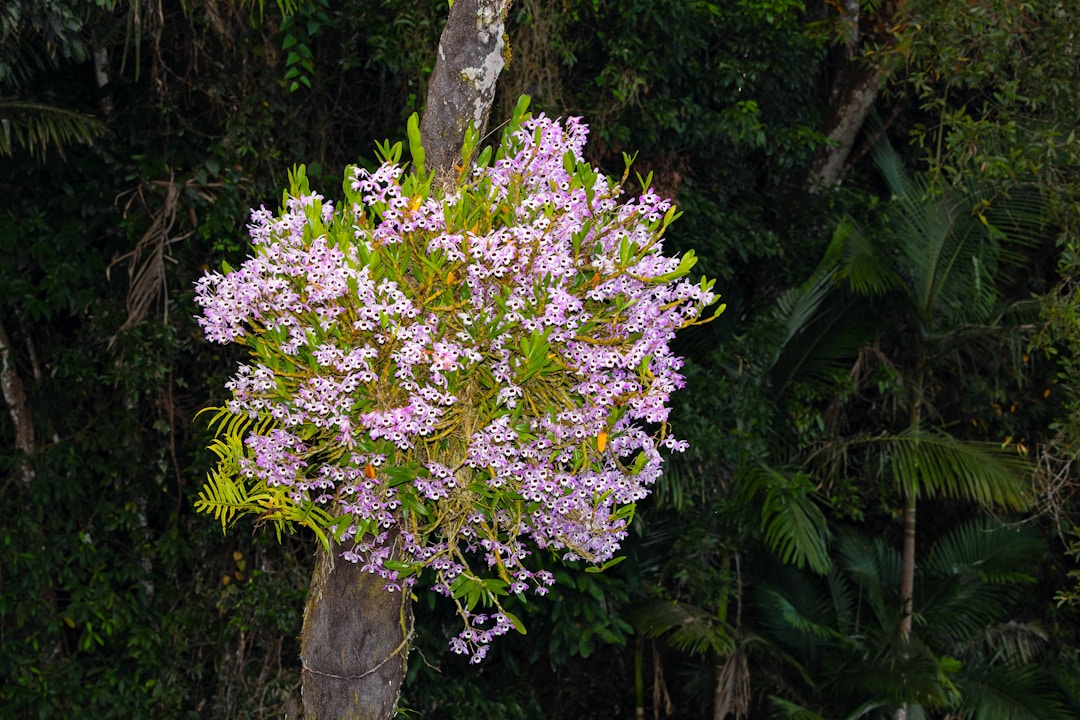
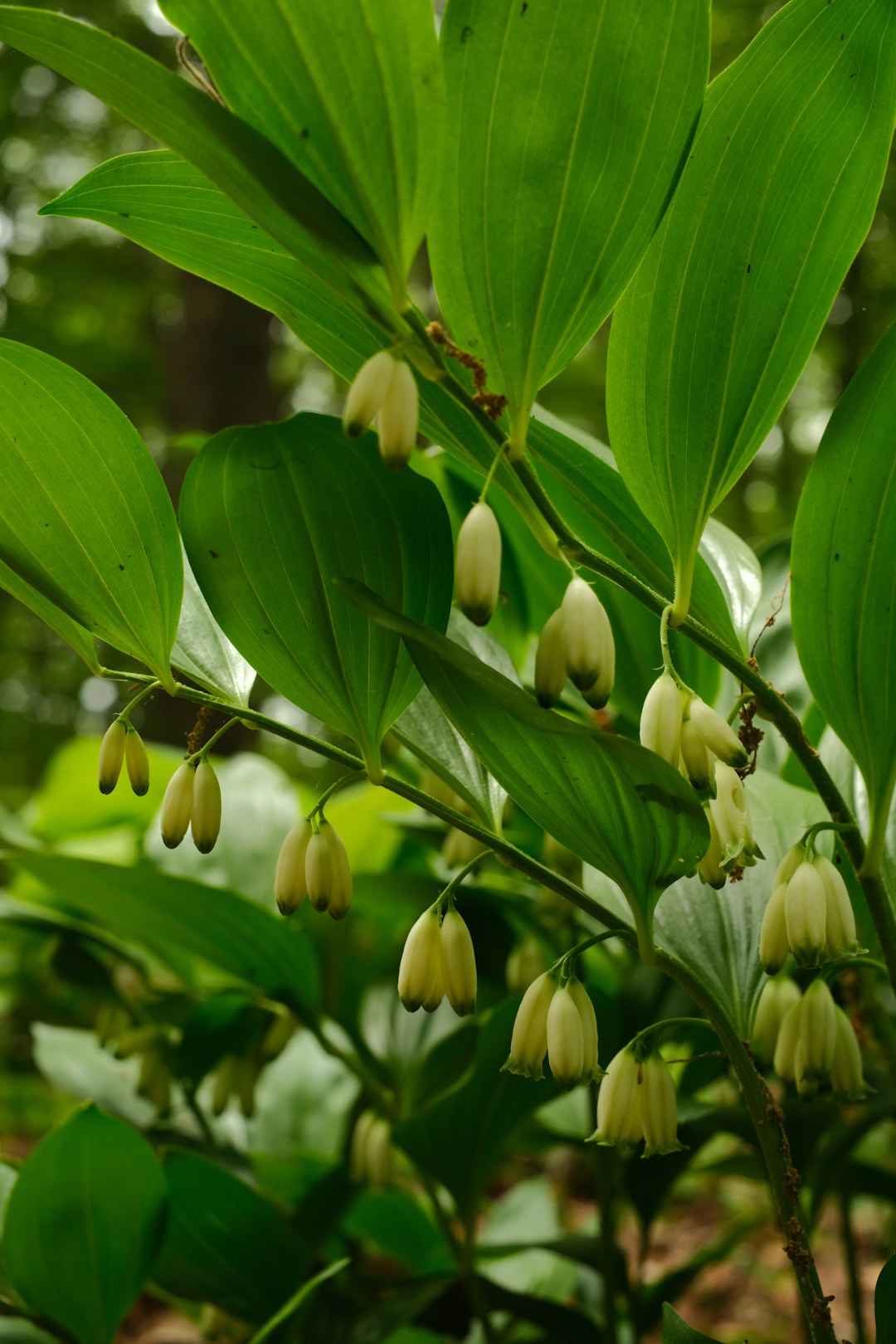
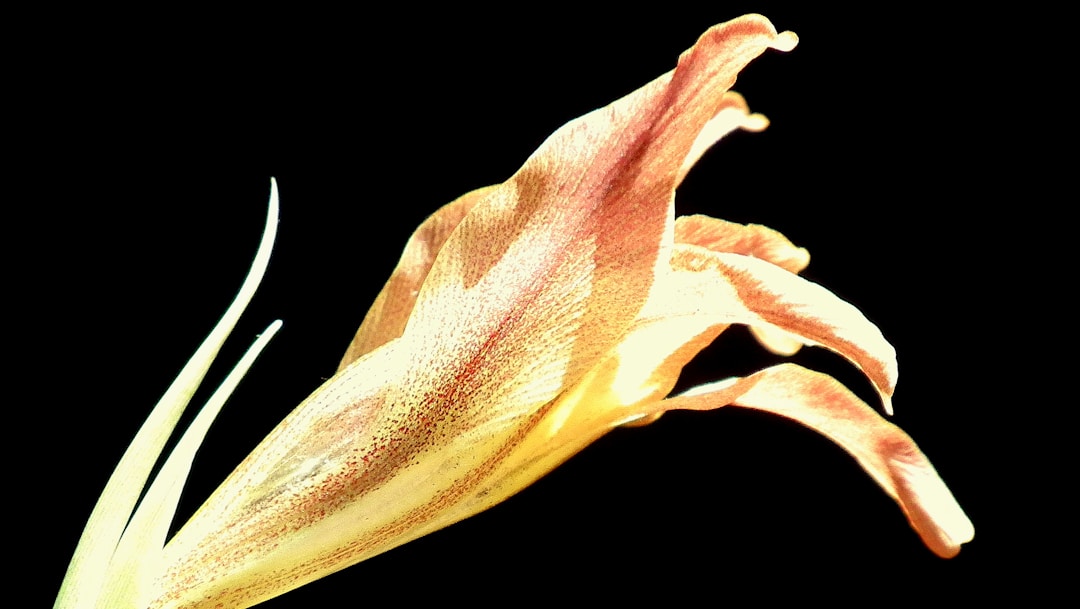
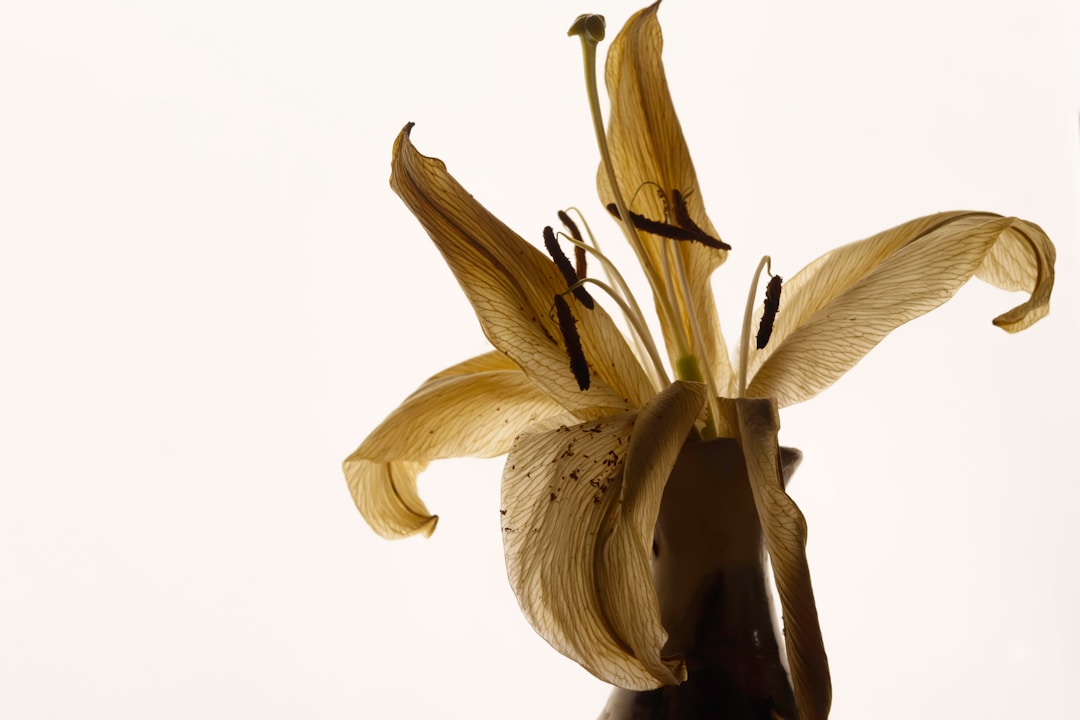
The material consists of overlapping white or cream bulb scales, not the flower petals, and the Lilium species and whether the scales are intact or broken are useful identity details. The fresh scales are fleshy and crisp, and the dried scales become papery, slightly sweet, and pale cream in color. The dried scales can be confused with other pale bulb materials, so the Latin name matters, and powder or extract products should be recorded separately from the whole scales.
Images are for orientation only, not definitive species authentication; confirm species, part, source, and labeling with a qualified professional or authoritative monograph.
TRADITIONAL CONTEXT
Traditional Use in Context
Traditional records place Lily Bulb in lung nourishment, dry cough, throat discomfort, and calmness-related historical descriptions, often in formulas for dry cough and restless sleep, such as Bai He Gu Jin Tang, where it is paired with Prepared Rehmannia and Dwarf Lilyturf Root. Classical texts describe the scales as a moistening, calming material for the lungs and the spirit, and the bulb appears in both respiratory and mind-related combinations. The calming and lung-related language is historical and does not establish efficacy for insomnia, anxiety, or respiratory disease, and it does not authorize self-treatment of breathing or sleep symptoms.
PROCESSING CONTEXT
Raw Material, Processing, and Product Form
Bulb scales are separated, cleaned, blanched or dried according to the record, and stored away from moisture. Powder and extract products require their own label and quality review, and the processed form should be stated on the product.
The same name can cover a raw material, decoction piece, powder, extract, or finished product, so record the labeled form rather than assuming it; see the safety review for the questions to ask.
SAFETY REVIEW
Safety Boundaries
Check lily-family allergy, digestive tolerance, diarrhea, and product contamination. A traditional calming or lung-related description should not delay assessment of breathing symptoms, and persistent cough or insomnia deserves clinical evaluation.
This record is not a dose recommendation; risk depends on identity, preparation, amount, duration, contamination, other medicines, and health conditions — a traditional or “natural” label cannot establish safety. For the full framework, read the Chinese Herbal Medicine Safety Review.
COMPARISON
How This Entry Differs
Compare Lily Bulb with Dwarf Lilyturf Root and Fragrant Solomonseal Rhizome for plant part, moistening language, and different digestive boundaries. Lily is distinguished by its bulb scales and its calmness-related traditional role.
Use the related-entry links below to compare identity, part, processing, and safety boundaries — similar categories do not make materials interchangeable.
STUDY METHOD
New to these entries?
Read the four-step method in How to Read a Herb Entry before comparing materials.