Herb reference entry
Dendrobium
Dendrobium
Dendrobium nobile Lindl.
Reviewed by Kuda, September 2, 2026 - Editorial policy
OVERVIEW
What This Record Covers
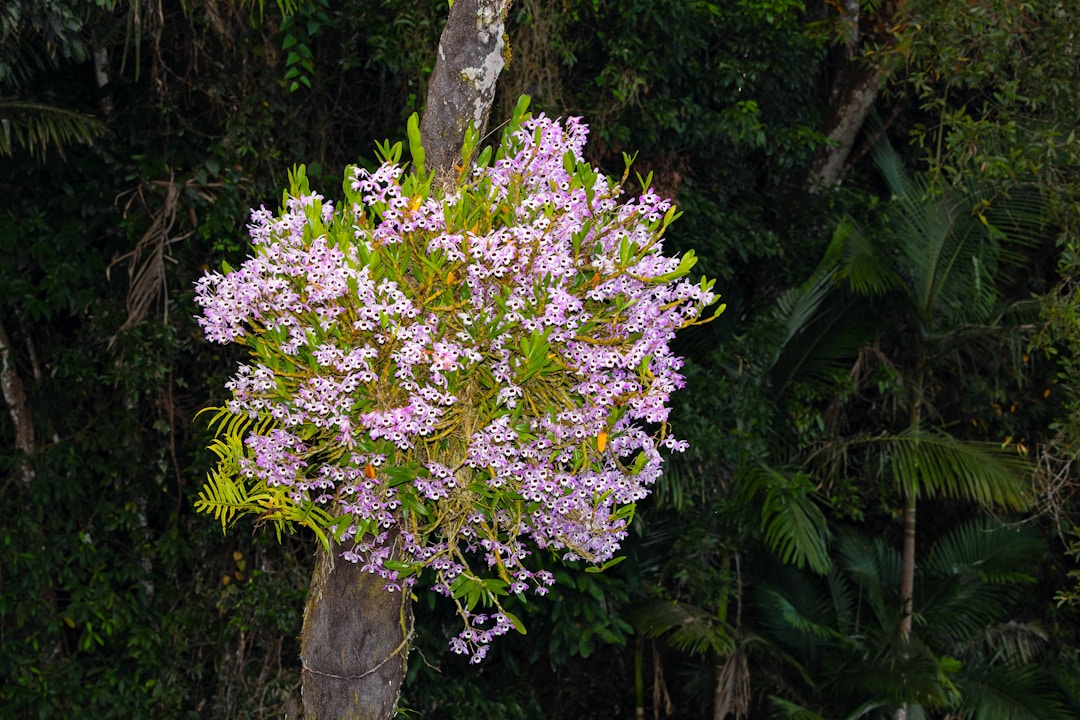
Dendrobium is the dried stem of medicinal Dendrobium species, including Dendrobium nobile, an epiphytic orchid that grows on trees and rocks in humid subtropical and tropical regions of Asia. The segmented green or yellow-brown stems are harvested, dried, and sold whole, in pieces, or in a distinctive coiled form, and the genus contains many species with different cultivation sources. Because the common name covers many species, the stated species, harvest source, and processing method matter as much as the image. Products range from dried stem pieces to concentrated polysaccharide extracts, which are not equivalent records.
- English name
- Dendrobium
- Latin name
- Dendrobium nobile Lindl.
- Traditional category
- Yin Tonifying
- Nature
- Slightly Cold
- Flavor description
- Sweet
- Record identifier
- shihu
IDENTIFICATION
Identification and Image Notes
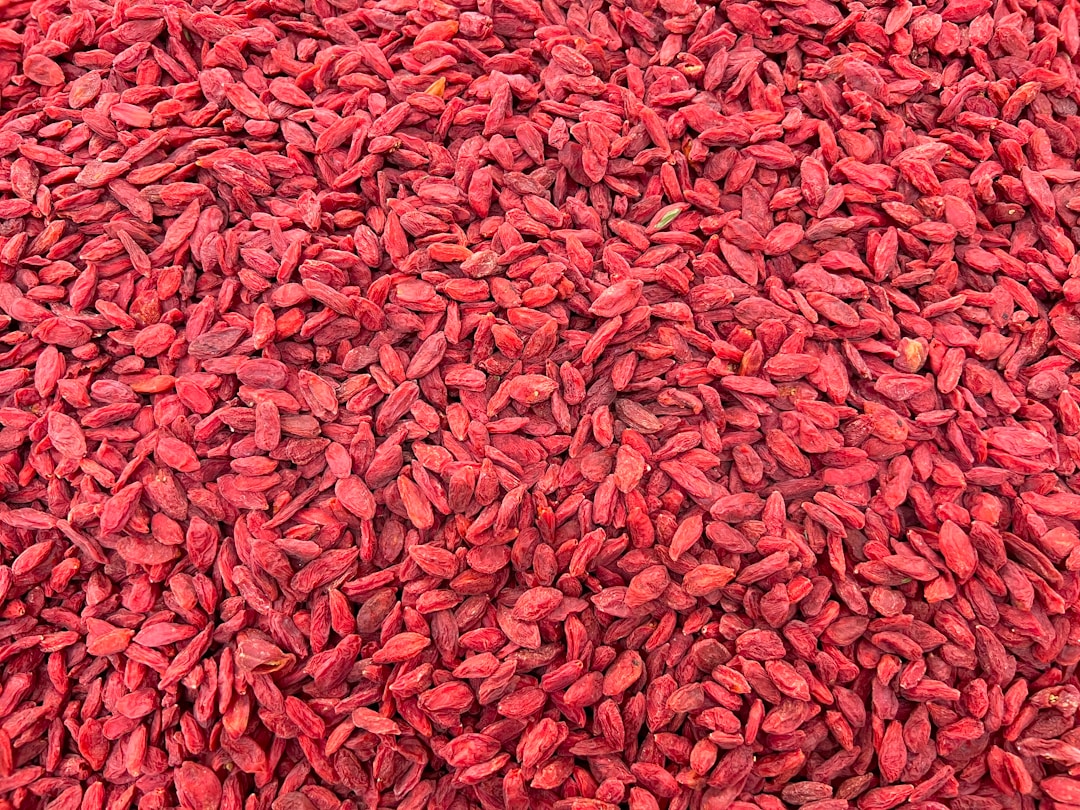
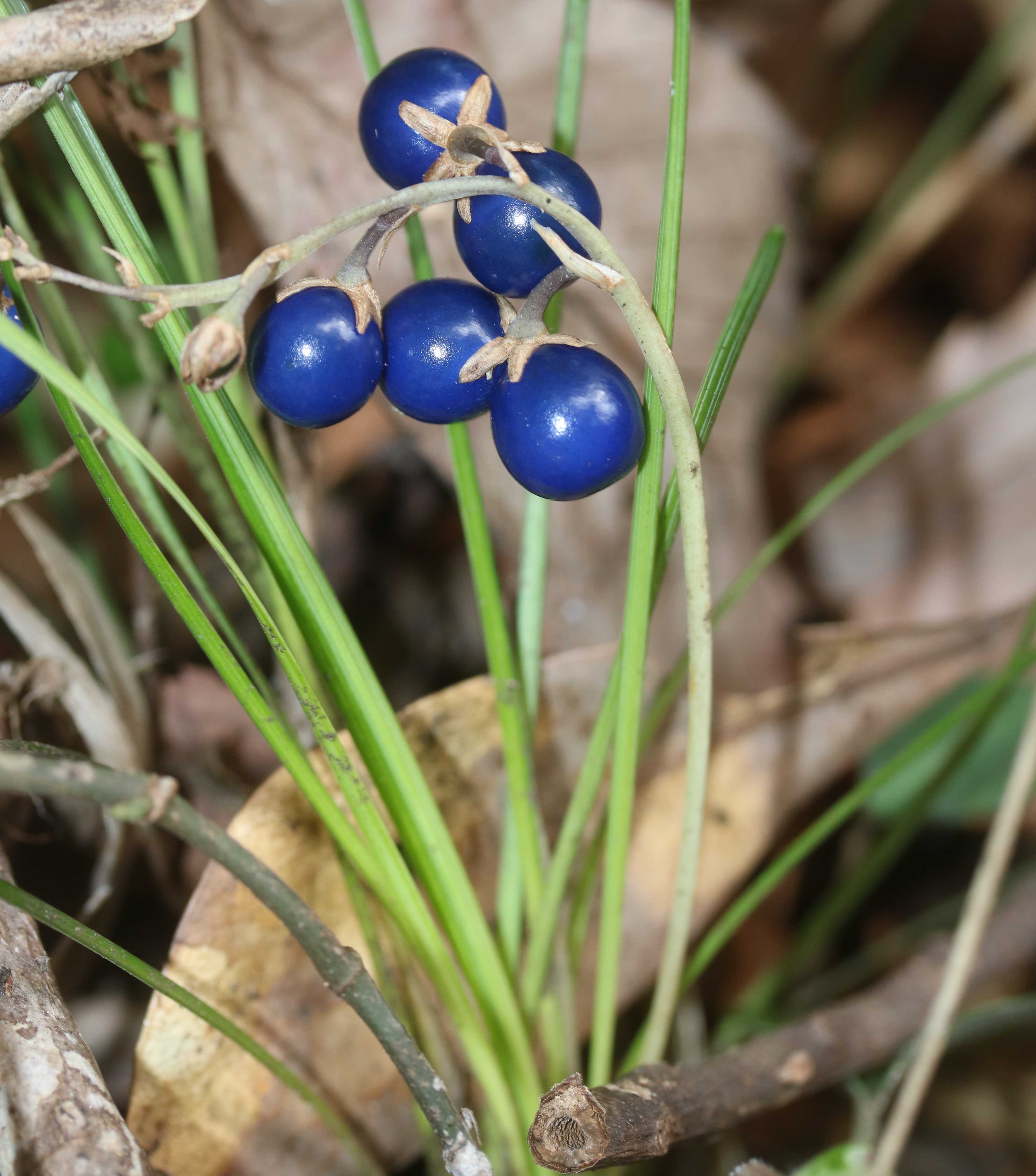
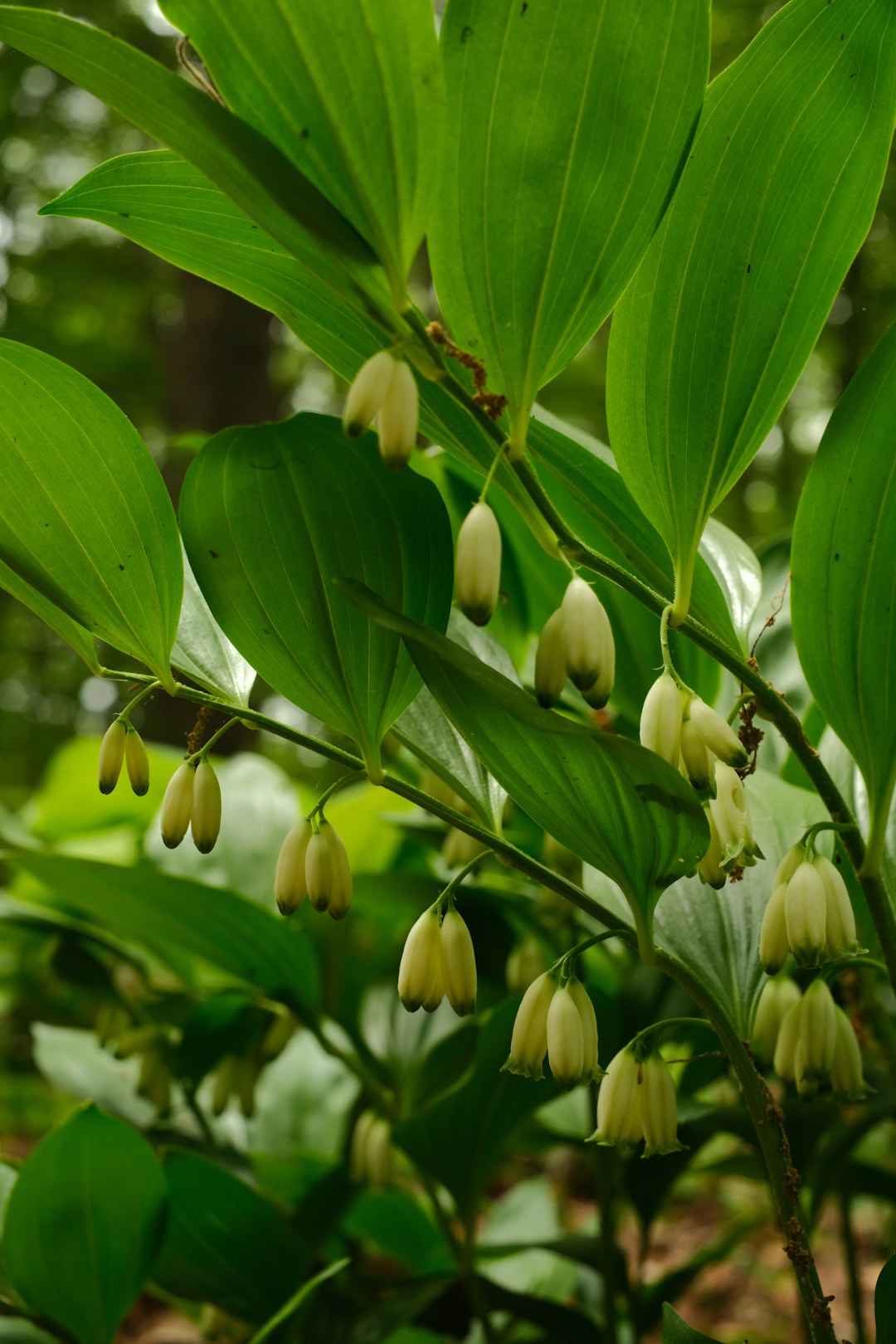
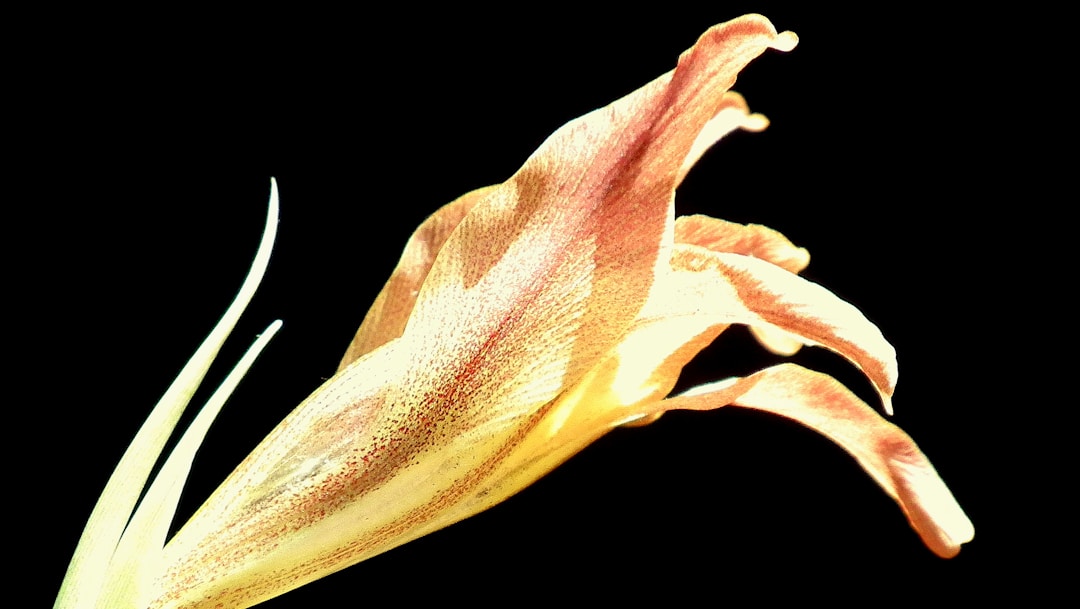
The material is a segmented orchid stem, often yellow-green to brown after drying, and Dendrobium contains many species, so the stated species and cultivation source matter. The dried stems are jointed and slightly flattened, with a green-yellow surface and a faint mucilaginous texture when soaked, and the coiled form is made by softening and twisting young stems. The coiled form is a distinctive processing presentation, and a stem should not be confused with the roots or leaves of the same plant.
Images are for orientation only, not definitive species authentication; confirm species, part, source, and labeling with a qualified professional or authoritative monograph.
TRADITIONAL CONTEXT
Traditional Use in Context
Traditional records discuss Dendrobium for stomach and lung yin, fluid generation, thirst, and support of a dry or depleted traditional presentation, often in formulas for thirst, dry mouth, and recovery after heat, and it is paired with Dwarf Lilyturf Root and Ginseng in fluid-supporting combinations. Classical texts describe the stem as a moistening material that generates fluids and supports the stomach. The fluid-generating language is historical and does not establish efficacy for dehydration, diabetes, or any modern condition, and it does not authorize self-treatment of thirst, which deserves medical assessment of its cause.
PROCESSING CONTEXT
Raw Material, Processing, and Product Form
Stems may be dried whole, cut into pieces, or processed into a coiled form, and a concentrated polysaccharide extract is not equivalent to a stem slice for identity or exposure. Storage should protect the material from moisture and mold.
The same name can cover a raw material, decoction piece, powder, extract, or finished product, so record the labeled form rather than assuming it; see the safety review for the questions to ask.
SAFETY REVIEW
Safety Boundaries
Review allergies, digestive tolerance, kidney or fluid restrictions, and products with multiple extracts. Traditional fluid-generating language does not replace evaluation of thirst or dehydration, and concentrated products deserve a full ingredient and concentration review with a professional.
This record is not a dose recommendation; risk depends on identity, preparation, amount, duration, contamination, other medicines, and health conditions — a traditional or “natural” label cannot establish safety. For the full framework, read the Chinese Herbal Medicine Safety Review.
COMPARISON
How This Entry Differs
Compare Dendrobium with Dwarf Lilyturf Root and Chinese Yam for plant part, moisture emphasis, species variation, and product concentration. Dendrobium differs from both in its orchid source and in the wide range of species and extracts traded under one name.
Use the related-entry links below to compare identity, part, processing, and safety boundaries — similar categories do not make materials interchangeable.
STUDY METHOD
New to these entries?
Read the four-step method in How to Read a Herb Entry before comparing materials.