Herb reference entry
Dwarf Lilyturf Root
Dwarf Lilyturf Root
Ophiopogon japonicus (L.f.) Ker Gawl.
Reviewed by Kuda, September 2, 2026 - Editorial policy
OVERVIEW
What This Record Covers
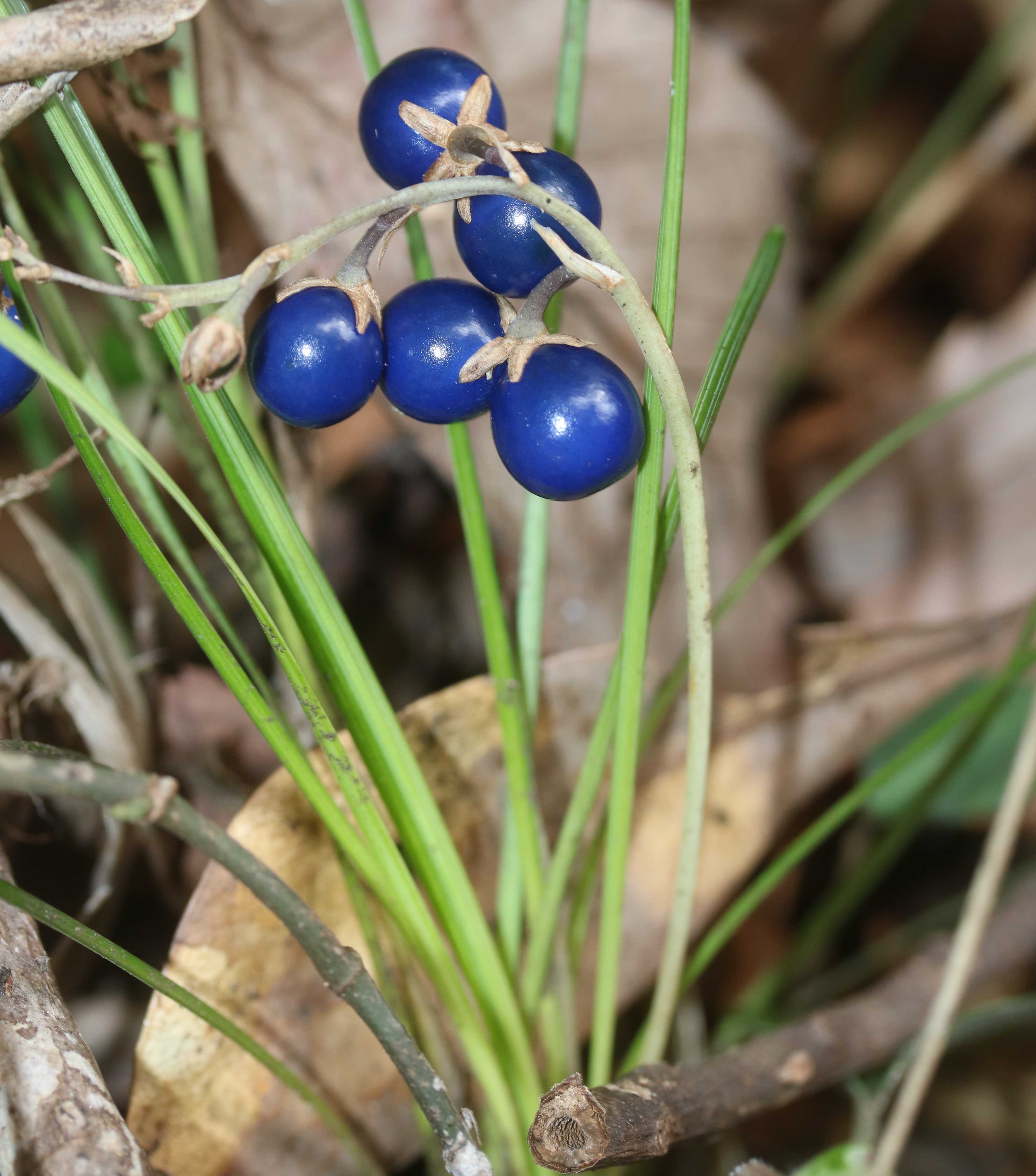
Dwarf Lilyturf Root is the small tuberous root of Ophiopogon japonicus, a grass-like perennial of the asparagus family that grows in shady, moist ground across Asia. The medicinal part is the spindle-shaped root tuber, not the grass-like leaves, and it is dried for use as small pale pieces. The material appears as whole tubers, slices, powders, granules, and extracts, and it is a frequent ingredient in fluid-supporting formulas. Its traditional profile is cool and moist, which makes the digestive boundaries and the product form important parts of the record.
- English name
- Dwarf Lilyturf Root
- Latin name
- Ophiopogon japonicus (L.f.) Ker Gawl.
- Traditional category
- Yin Tonifying
- Nature
- Slightly Cold
- Flavor description
- Sweet, Slightly Bitter
- Record identifier
- maidong
IDENTIFICATION
Identification and Image Notes
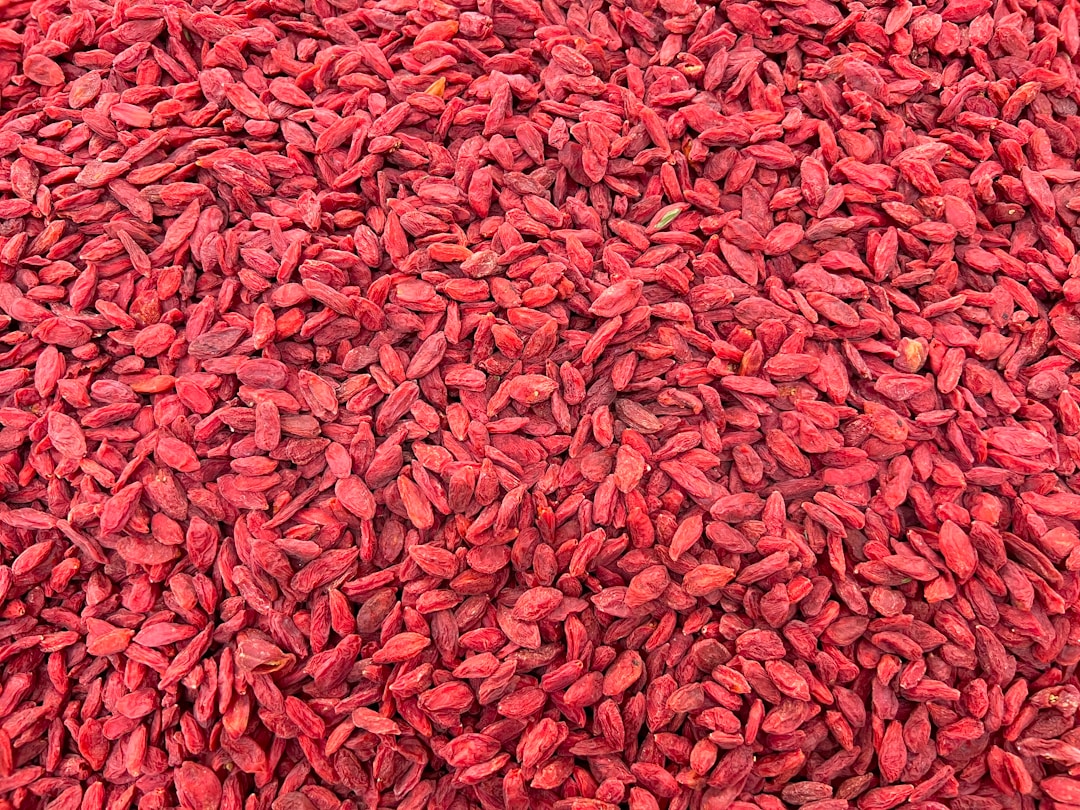
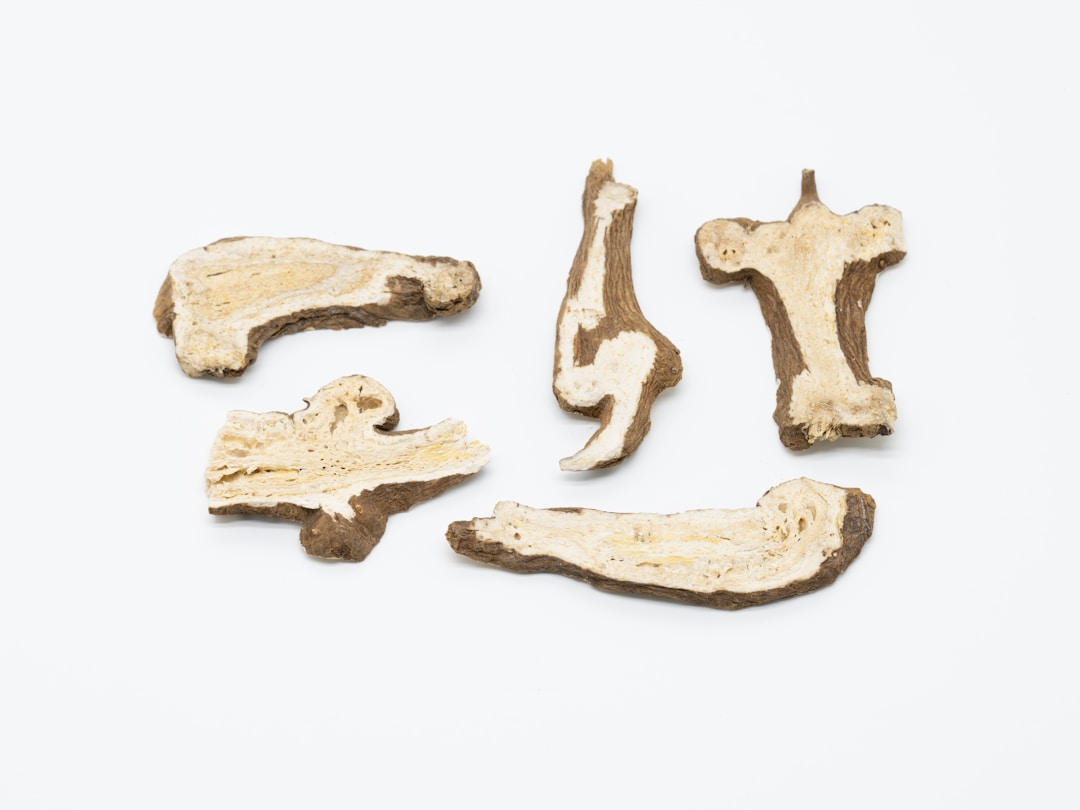
The medicinal material consists of small spindle-shaped tubers rather than the grass-like leaves, and the dried pieces are pale and slightly translucent with a fibrous core. The tubers are small, fusiform, and about two centimeters long, with a pale yellow-white surface and a central fibrous core visible on the cut surface. Freshness, size, color, and mold are useful quality observations but not full authentication, and related roots in the same family can look similar.
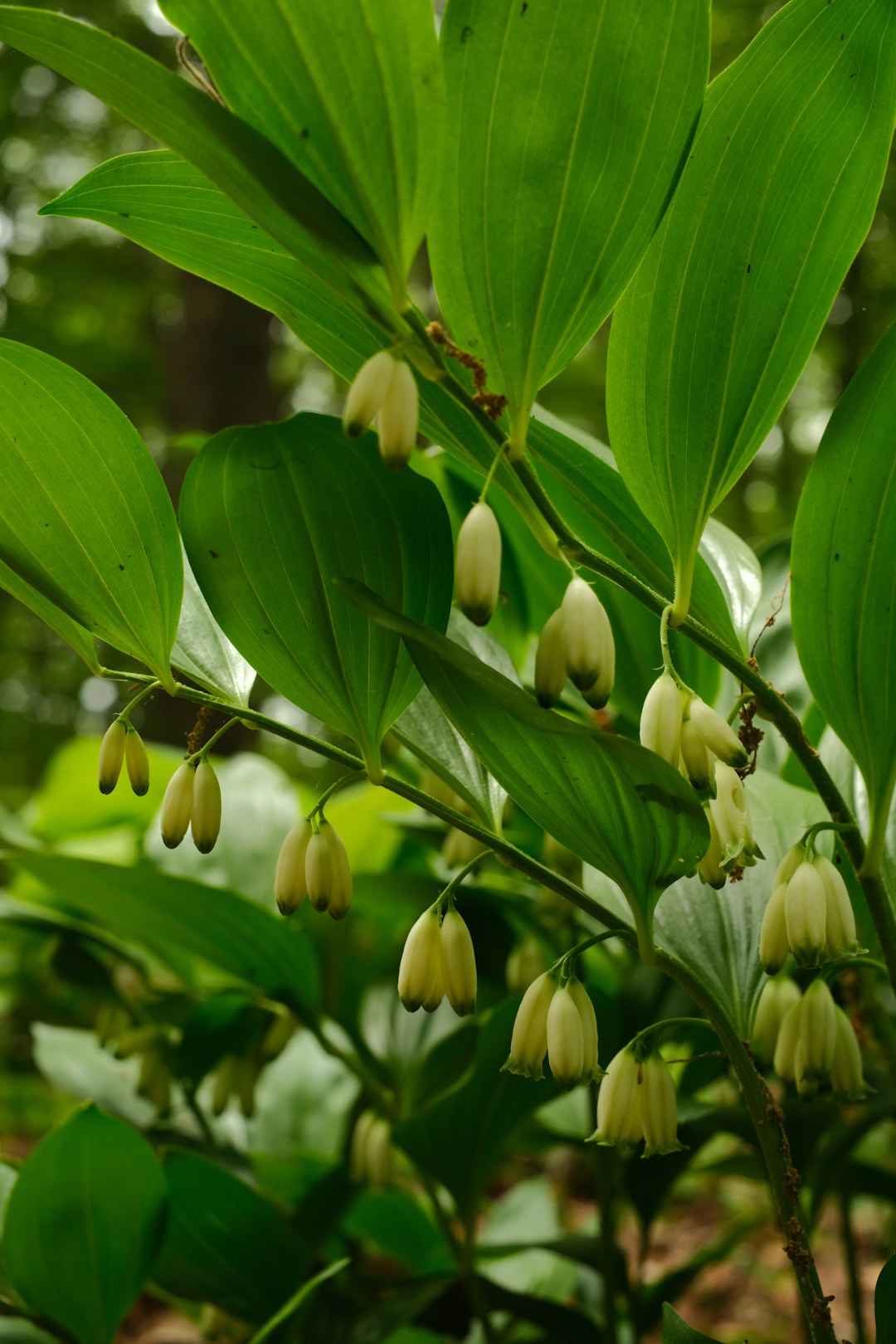
Images are for orientation only, not definitive species authentication; confirm species, part, source, and labeling with a qualified professional or authoritative monograph.
TRADITIONAL CONTEXT
Traditional Use in Context
Traditional records place Dwarf Lilyturf in lung and stomach fluid support, dry-throat language, heart-related traditional combinations, and yin nourishment, often in formulas for dry cough, thirst, and heat-related dryness. Classical combinations such as Sheng Mai San pair it with Ginseng and Schisandra, and it appears in many lung- and stomach-moistening formulas, including Mai Men Dong Tang with Pinellia and Ginseng. The moistening language is historical and does not establish efficacy for dry mouth, cough, or any modern condition, and it does not authorize self-treatment of a persistent cough, which requires clinical assessment of its cause.
PROCESSING CONTEXT
Raw Material, Processing, and Product Form
Tubers are washed, dried, and sometimes softened before slicing. Powders, granules, and liquid extracts should be recorded separately from the dried tuber, because the concentration and added ingredients change the exposure.
The same name can cover a raw material, decoction piece, powder, extract, or finished product, so record the labeled form rather than assuming it; see the safety review for the questions to ask.
SAFETY REVIEW
Safety Boundaries
Cool and moist traditional language may be poorly tolerated with diarrhea, cold sensitivity, or heavy phlegm. Review fluid restrictions, medicines, and product quality with a professional, and do not use a moistening label to delay evaluation of persistent cough or dehydration.
This record is not a dose recommendation; risk depends on identity, preparation, amount, duration, contamination, other medicines, and health conditions — a traditional or “natural” label cannot establish safety. For the full framework, read the Chinese Herbal Medicine Safety Review.
COMPARISON
How This Entry Differs
Compare Dwarf Lilyturf Root with Fragrant Solomonseal Rhizome and Ladybell Root for moistening language, plant part, texture, and digestive boundaries. All three are lung-moistening, but they come from different families and differ in sweetness, texture, and formula roles.
Use the related-entry links below to compare identity, part, processing, and safety boundaries — similar categories do not make materials interchangeable.
STUDY METHOD
New to these entries?
Read the four-step method in How to Read a Herb Entry before comparing materials.