Herb reference entry
Ladybell Root
Ladybell Root
Adenophora stricta Miq.;Glehnia littoralis F. Schmidt ex Miq.
Reviewed by Kuda, September 2, 2026 - Editorial policy
OVERVIEW
What This Record Covers
Ladybell Root is the root of either Adenophora species traditionally called Southern Ladybell or Glehnia littoralis called Northern Ladybell, and the two source groups are treated differently in many records. Southern Ladybell comes from herbaceous perennials of the bellflower family, while Northern Ladybell comes from a coastal plant of the parsley family, and their root shapes and habitats differ. The name “Shashen” therefore requires verification of which source group is present before any comparison is made. Products appear as dried root pieces, slices, powders, and extracts, and the product label should state the source group and the medicinal part.
- English name
- Ladybell Root
- Latin name
- Adenophora stricta Miq.;Glehnia littoralis F. Schmidt ex Miq.
- Traditional category
- Yin Tonifying
- Nature
- Slightly Cold
- Flavor description
- Sweet, ;, Slightly Bitter
- Record identifier
- shashen
IDENTIFICATION
Identification and Image Notes
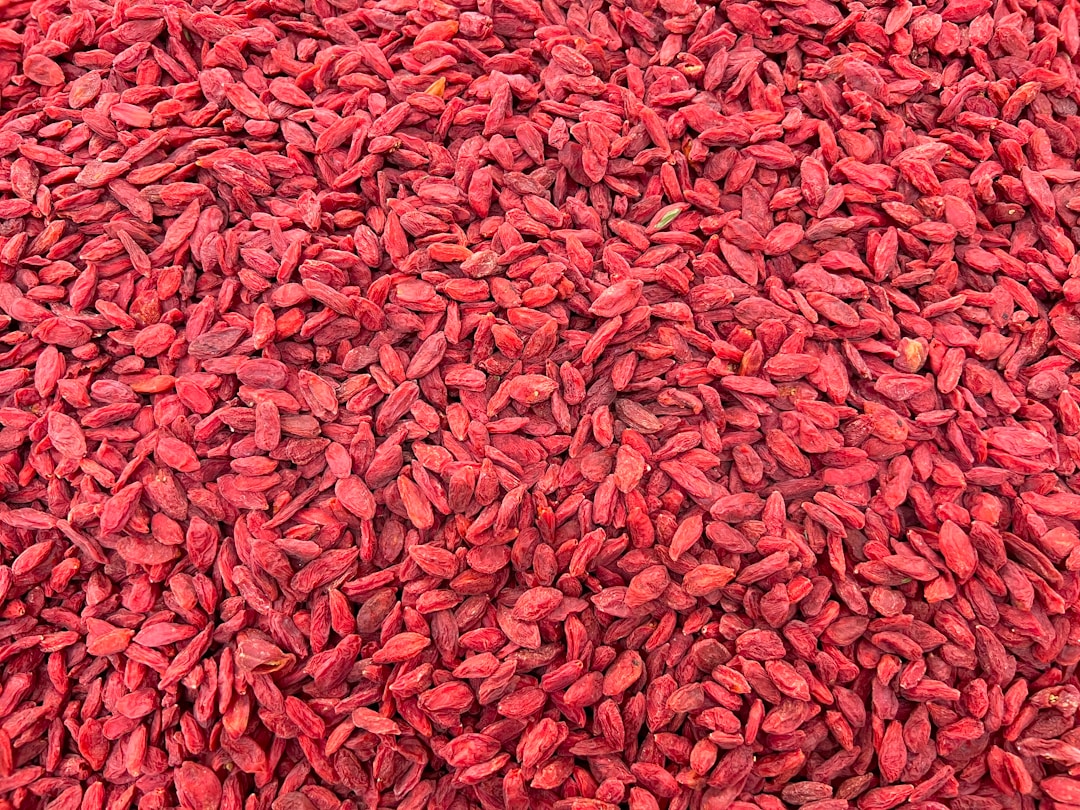
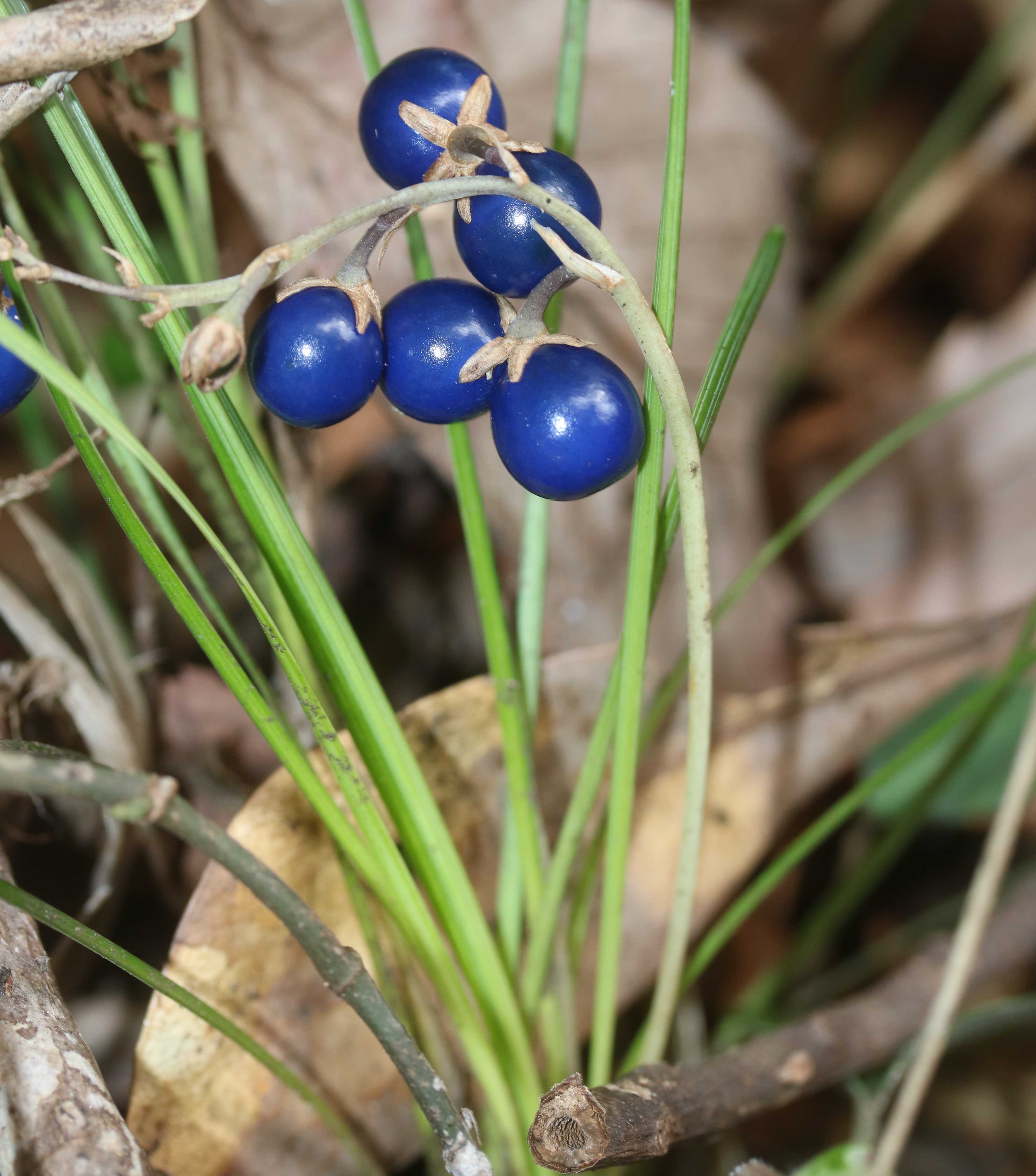
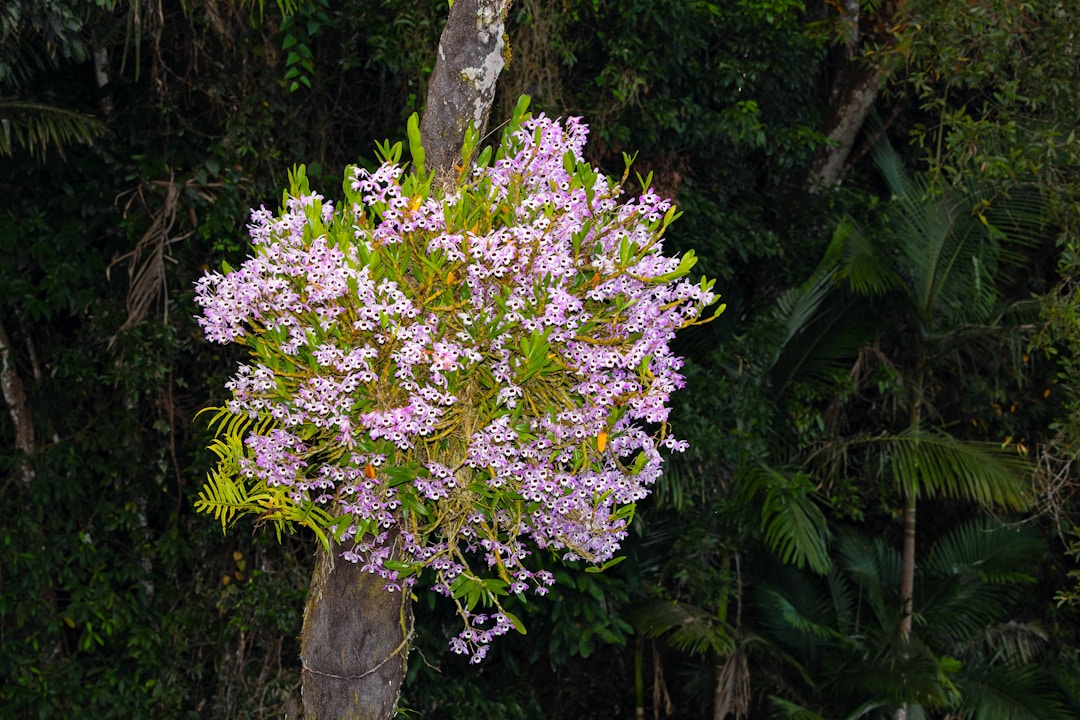
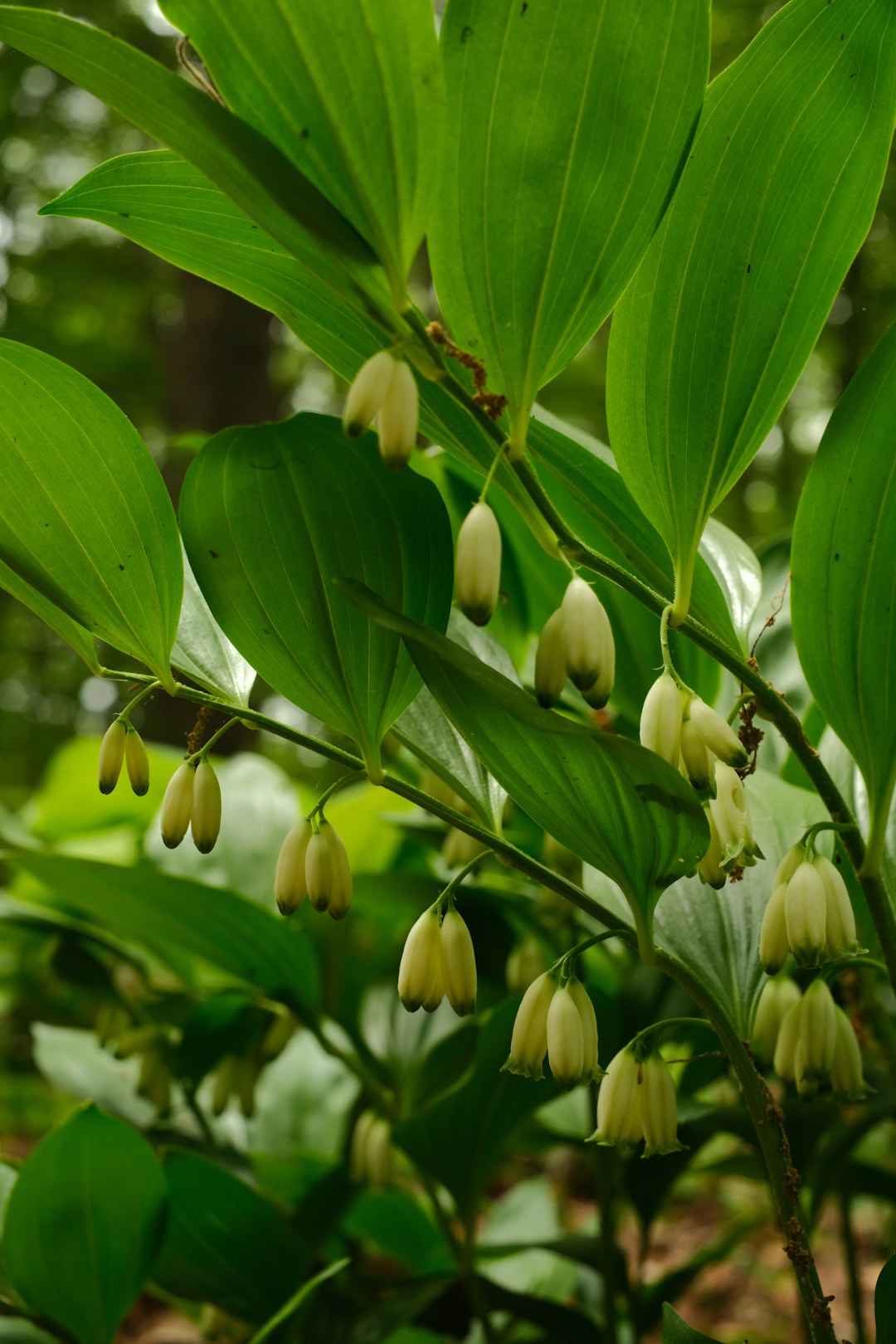
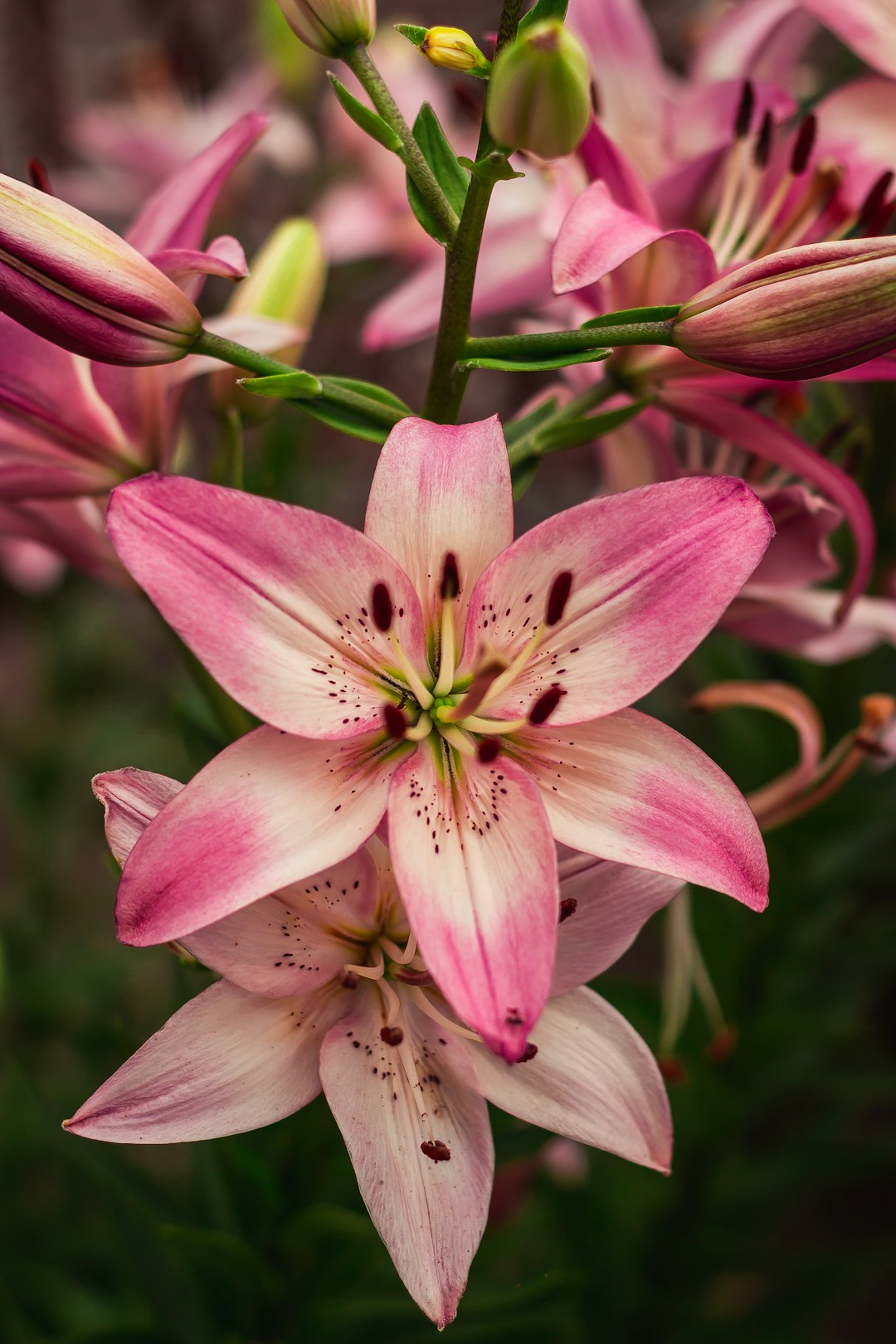
This name is especially important to verify because Southern and Northern Ladybell have different botanical sources and root shapes, and the two source groups are treated differently in many records. The Southern root is typically more slender and branched, while the Northern root is shorter and thicker, but both are pale on the cut surface. A common label alone is not enough, and the root slices, texture, and source group should be checked against a traceable product label.
Images are for orientation only, not definitive species authentication; confirm species, part, source, and labeling with a qualified professional or authoritative monograph.
TRADITIONAL CONTEXT
Traditional Use in Context
Traditional records discuss Ladybell for lung and stomach yin, dry cough, throat, and fluid-support language, with the two source groups treated differently in many records, and the roots appear in formulas for dry cough and dry throat, such as Bei Sha Shen Mai Dong Tang with Dwarf Lilyturf Root. Classical texts describe the roots as moistening materials for dry cough and dry throat, often in formulas for recovery after illness. The “lung-moistening” phrase is historical and cannot establish the cause of a cough, and it does not authorize self-treatment of persistent respiratory symptoms, which require clinical assessment.
PROCESSING CONTEXT
Raw Material, Processing, and Product Form
Roots are cleaned, peeled or scraped as specified, cut, and dried. The product should state which source group and which medicinal part it represents rather than using only the shared name, and powders and extracts add further concentration questions.
The same name can cover a raw material, decoction piece, powder, extract, or finished product, so record the labeled form rather than assuming it; see the safety review for the questions to ask.
SAFETY REVIEW
Safety Boundaries
Review species identity, digestive tolerance, diarrhea, pregnancy, and the quality of powders or extracts. A “lung-moistening” phrase cannot establish the cause of a cough, and persistent respiratory symptoms deserve clinical assessment rather than self-treatment.
This record is not a dose recommendation; risk depends on identity, preparation, amount, duration, contamination, other medicines, and health conditions — a traditional or “natural” label cannot establish safety. For the full framework, read the Chinese Herbal Medicine Safety Review.
COMPARISON
How This Entry Differs
Compare Ladybell Root with Dendrobium and Dwarf Lilyturf Root, beginning with species identity before comparing their traditional fluid language. The Southern and Northern source groups are themselves a comparison point, because they are botanically different plants sharing a name.
Use the related-entry links below to compare identity, part, processing, and safety boundaries — similar categories do not make materials interchangeable.
STUDY METHOD
New to these entries?
Read the four-step method in How to Read a Herb Entry before comparing materials.