Herb reference entry
Glossy Privet Fruit
Glossy Privet Fruit
Ligustrum lucidum Ait.
Reviewed by Kuda, September 2, 2026 - Editorial policy
OVERVIEW
What This Record Covers
Glossy Privet Fruit is the dried fruit of Ligustrum lucidum, the glossy privet, an evergreen tree of the olive family widely planted as an ornamental and hedge species across temperate and subtropical Asia. The small oval fruit turns dark purple to black when mature and is harvested, dried, and sold as small wrinkled berries. The material appears as dried fruit, powders, extracts, and wine-processed products, and it is a cooler restorative record in the materia medica. Because glossy privet is a common landscaping tree, the reader should confirm that the product is the medicinal fruit and not ornamental material.
- English name
- Glossy Privet Fruit
- Latin name
- Ligustrum lucidum Ait.
- Traditional category
- Yin Tonifying
- Nature
- Cool
- Flavor description
- Sweet, Bitter
- Record identifier
- nuzhenzi
IDENTIFICATION
Identification and Image Notes
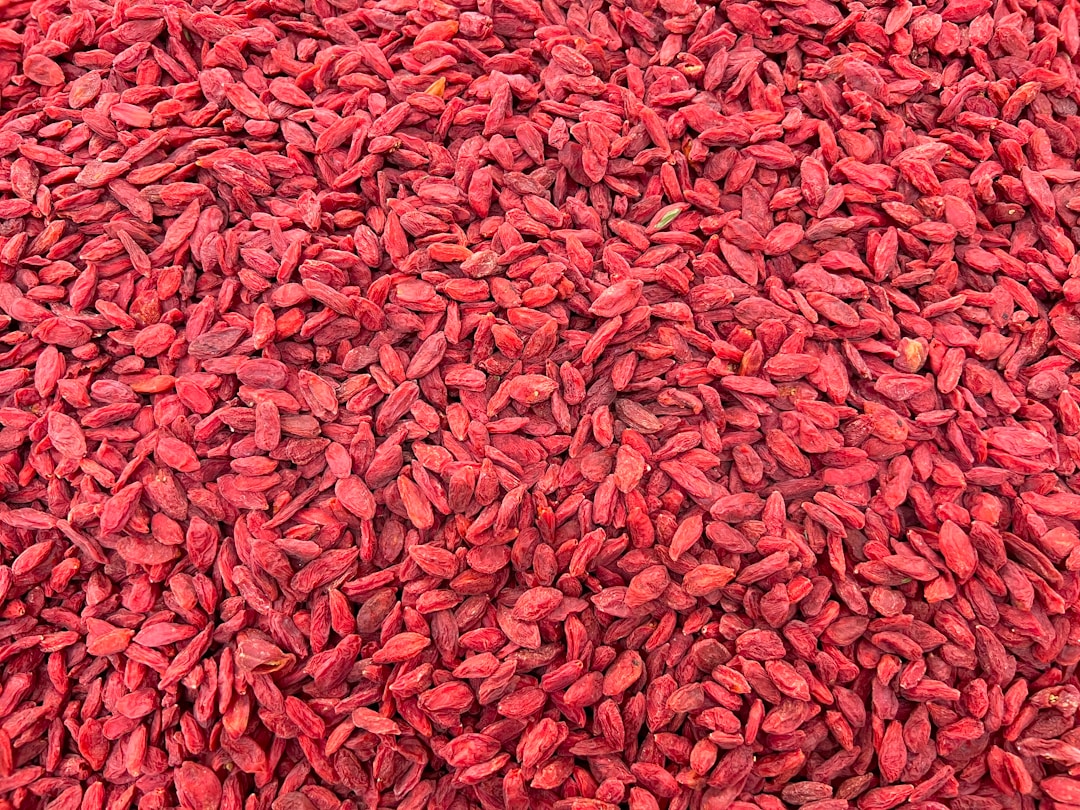
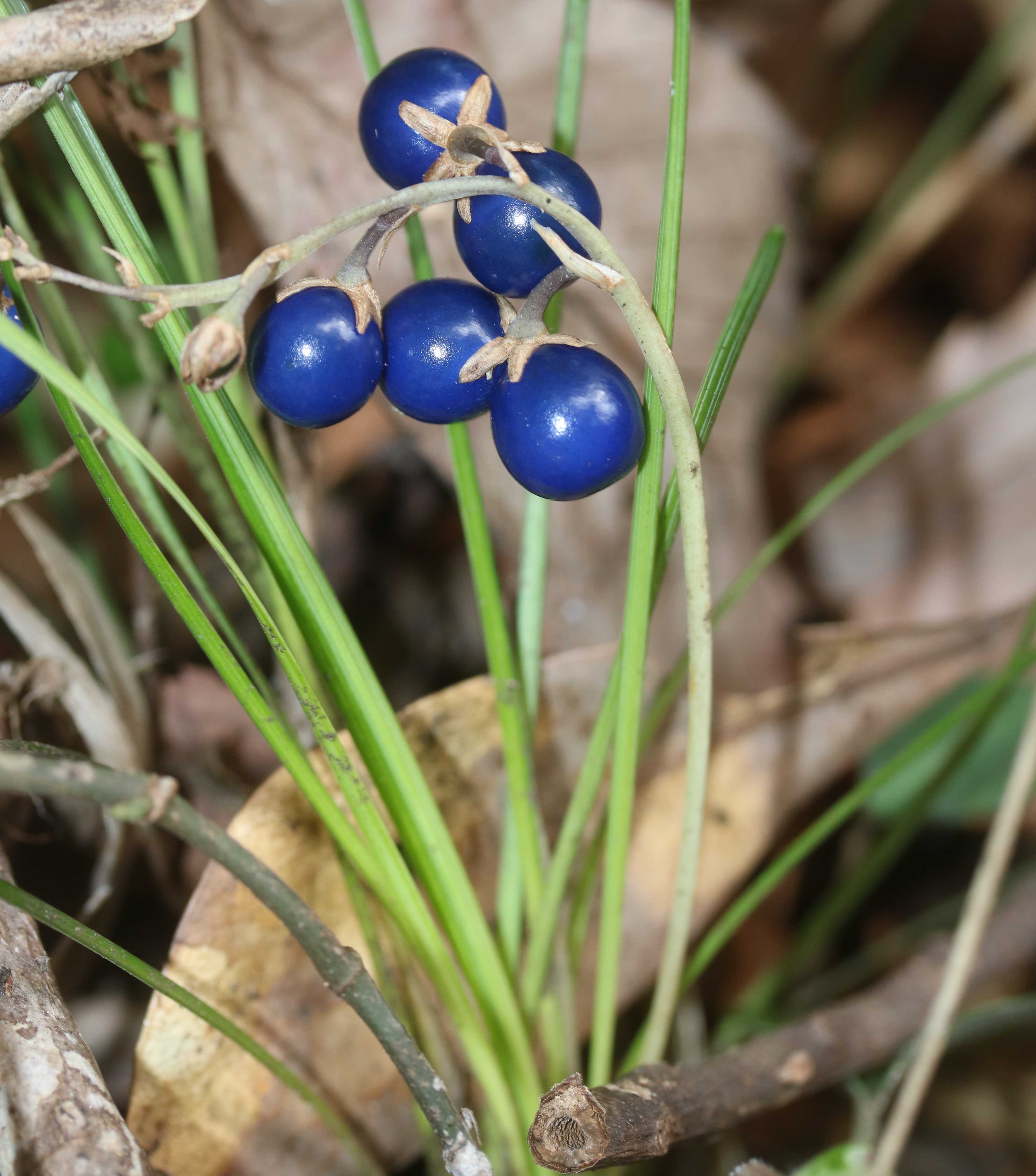
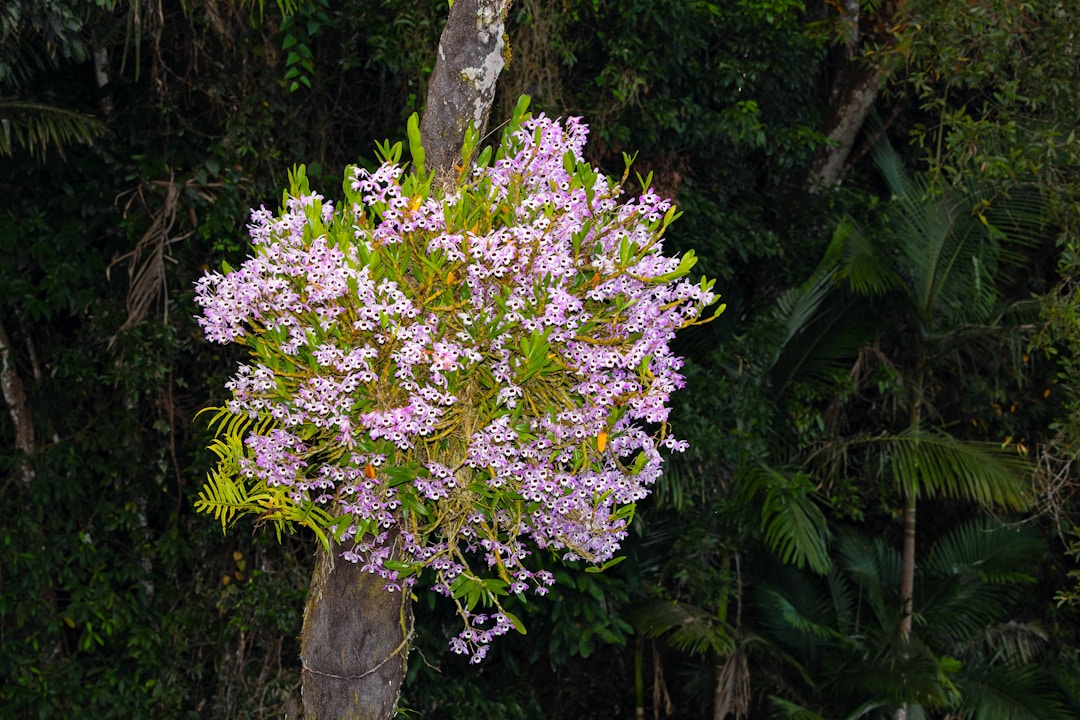
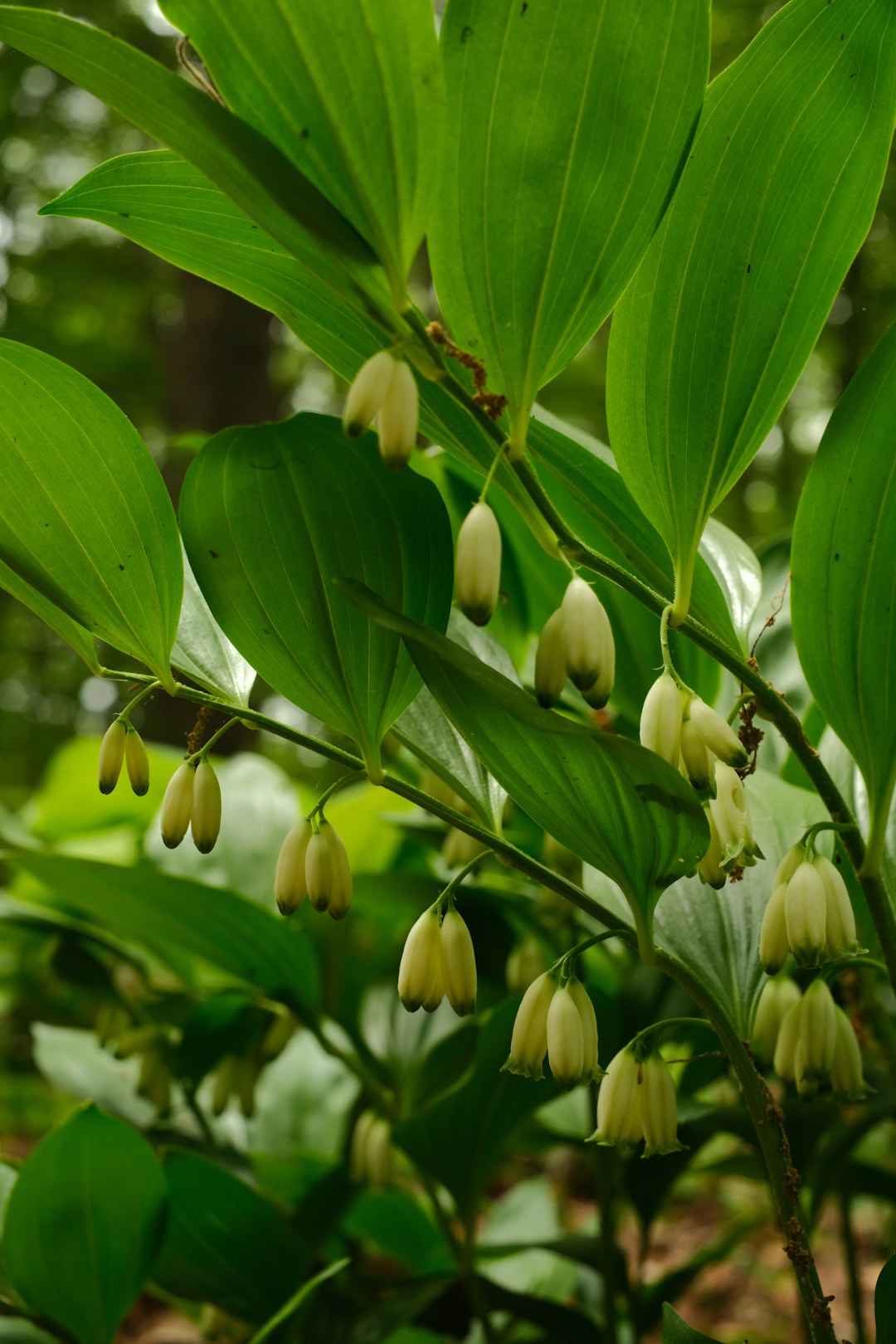
The fruit is small, oval, and dark purple to black when mature, and fruit size, surface bloom, and the absence of unrelated privet material help orient a review but do not complete authentication. The dried berries are small, wrinkled, and dull black with a thin skin, and they are usually sold as a loose dried fruit lot. The dried berries are wrinkled and dark, and species identity should be confirmed with the label, and wine-processed forms should be recorded separately.
Images are for orientation only, not definitive species authentication; confirm species, part, source, and labeling with a qualified professional or authoritative monograph.
TRADITIONAL CONTEXT
Traditional Use in Context
Traditional records discuss Glossy Privet for liver and kidney yin nourishment, eye and hair language, and cooler restorative combinations, often in formulas for fatigue, dizziness, and vision concerns, such as Er Zhi Wan, where it is paired with Eclipta Herb for a two-herb restorative pill. Classical texts describe the fruit as a cool, moistening material for the liver and kidneys that is gentler than the richest tonics. The kidney and eye label is a traditional category, not a modern diagnosis, and it does not authorize self-treatment of dizziness, vision loss, or hair loss, which require clinical assessment of their cause.
PROCESSING CONTEXT
Raw Material, Processing, and Product Form
The fruit is dried and may be wine-processed in traditional records. Raw fruit, processed fruit, powder, and extract should be listed as separate forms, and wine processing changes the traditional description and the product record.
The same name can cover a raw material, decoction piece, powder, extract, or finished product, so record the labeled form rather than assuming it; see the safety review for the questions to ask.
SAFETY REVIEW
Safety Boundaries
Review loose stools, poor appetite, allergy, pregnancy, and the ingredients of combined products. A kidney or eye label is a traditional category, not a modern diagnosis, and persistent dizziness or vision change deserves clinical assessment.
This record is not a dose recommendation; risk depends on identity, preparation, amount, duration, contamination, other medicines, and health conditions — a traditional or “natural” label cannot establish safety. For the full framework, read the Chinese Herbal Medicine Safety Review.
COMPARISON
How This Entry Differs
Compare Glossy Privet Fruit with Goji Berry and Cornus Fruit for fruit identity, cooling tendency, nourishment, and astringency. Glossy Privet is the coolest of the three, Goji the sweetest, and Cornus the most astringent.
Use the related-entry links below to compare identity, part, processing, and safety boundaries — similar categories do not make materials interchangeable.
STUDY METHOD
New to these entries?
Read the four-step method in How to Read a Herb Entry before comparing materials.