Herb reference entry
Morinda Root
Morinda Root
Morinda officinalis F.C.How
Reviewed by Kuda, September 2, 2026 - Editorial policy
OVERVIEW
What This Record Covers
Morinda Root is the dried root of Morinda officinalis, a woody vine of the coffee family that grows in warm, humid regions of southern Asia. The medicinal root is irregular, knotted, and often shows bead-like constrictions after drying, and it is cleaned, softened, sliced, and dried for use. The material appears as root slices, powders, and extracts, and it is frequently used in yang-supporting and lower-body formulas. Its shape and the stated species help separate it from other rough root materials, and the processed form should be recorded with the product.
- English name
- Morinda Root
- Latin name
- Morinda officinalis F.C.How
- Traditional category
- Yang Tonifying
- Nature
- Slightly Warm
- Flavor description
- Sweet, Pungent
- Record identifier
- bajitian
IDENTIFICATION
Identification and Image Notes
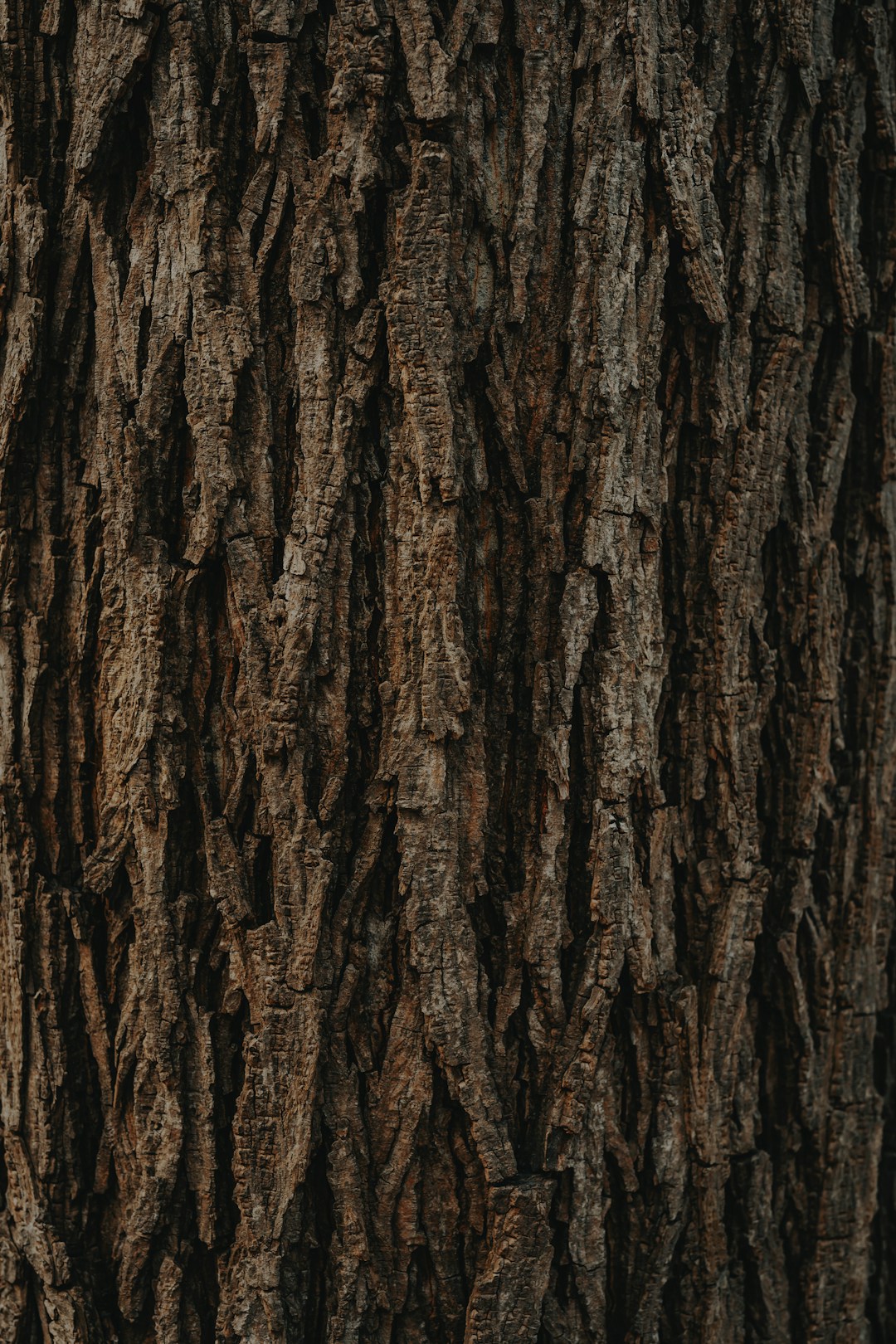
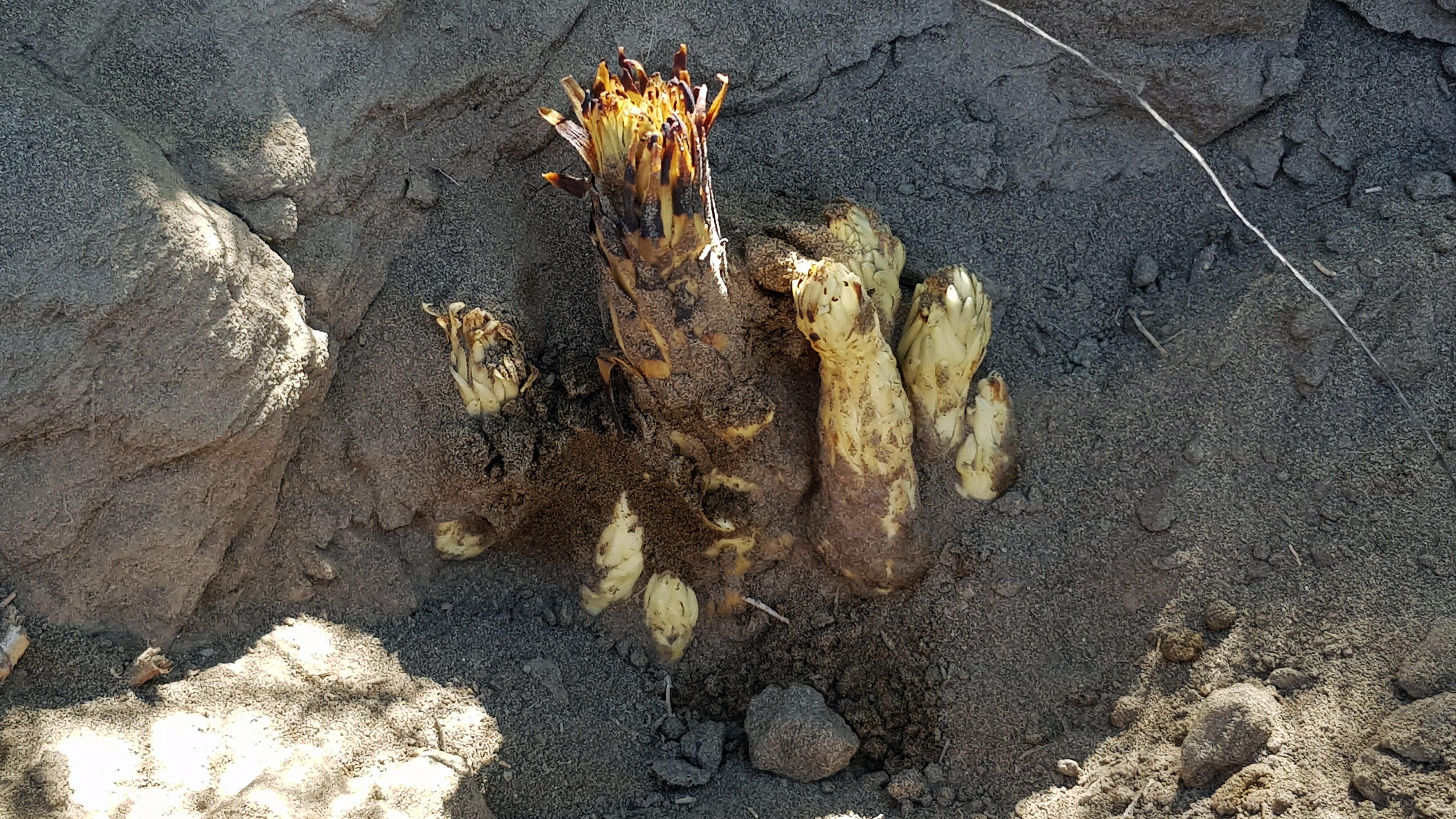
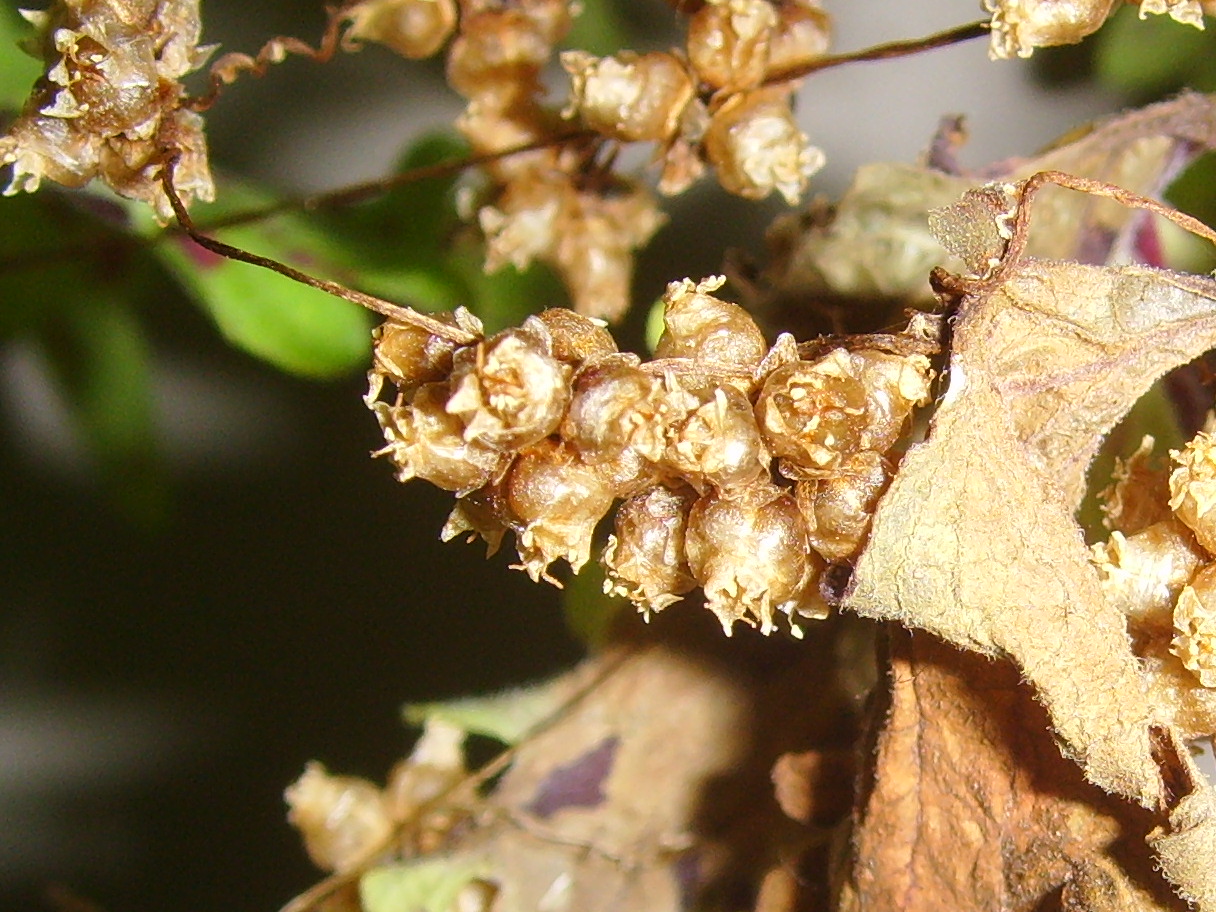
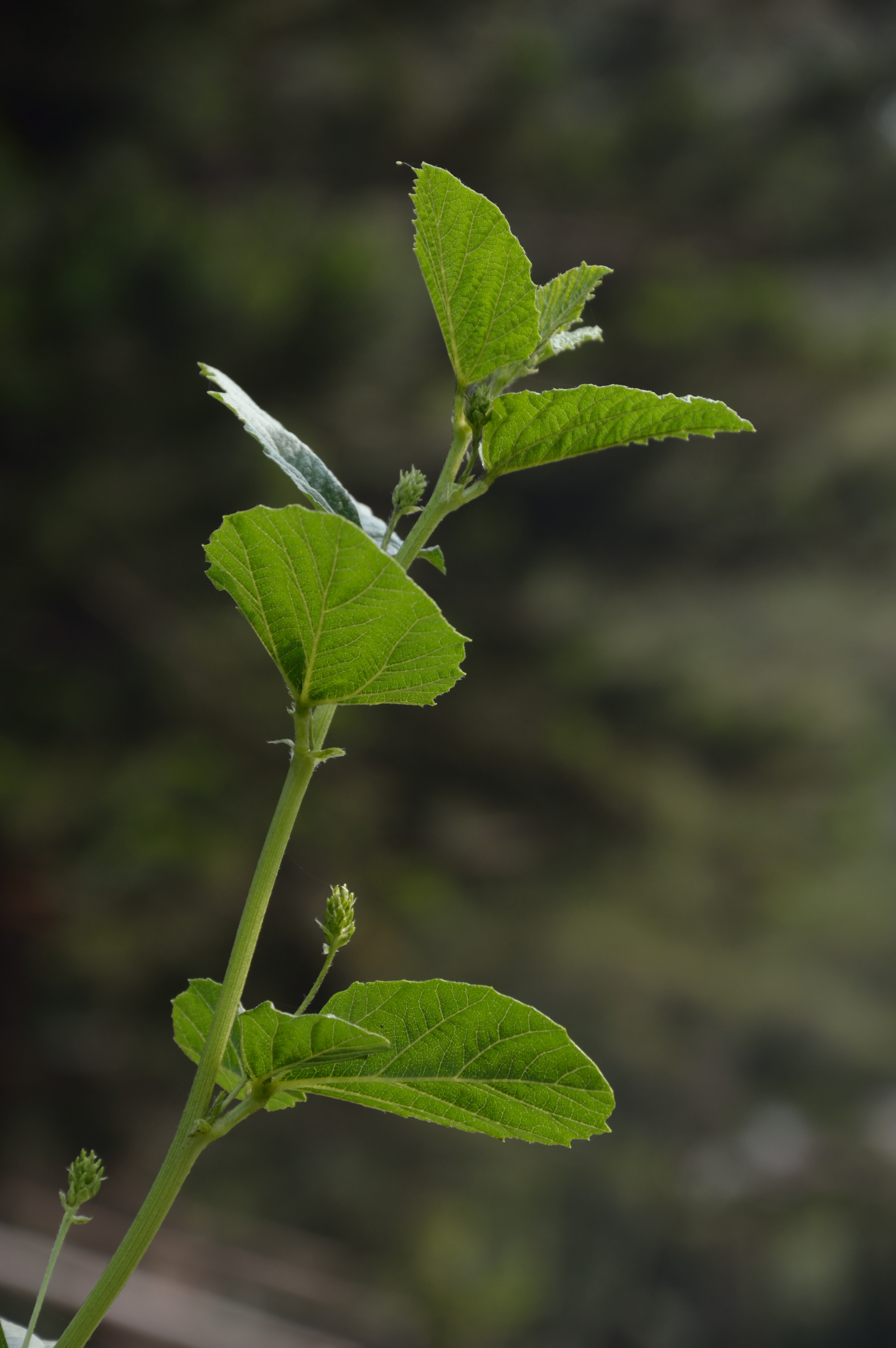
The root is irregular, knotted, and often shows bead-like constrictions after drying, and its shape and the stated species help separate it from other rough root materials. The dried root is dark brown outside with a pale interior, and the bead-like constrictions come from the way the fleshy root shrinks during drying. The knotted appearance is an orientation clue, and the Latin name should accompany the product.
Images are for orientation only, not definitive species authentication; confirm species, part, source, and labeling with a qualified professional or authoritative monograph.
TRADITIONAL CONTEXT
Traditional Use in Context
Traditional records place Morinda Root in kidney yang, tendons and bones, lower-back weakness, and warming support in traditional combinations, often in formulas for coldness, fatigue, and lower-body weakness, such as Ba Ji Yin Yang Wan where it is paired with Epimedium, Cuscuta Seed, and other warming materials. Classical texts describe the root as a warming material for the lower back and knees that supports movement and strength language. Traditional lower-back language is not a diagnosis of the spine or kidneys, and the historical role does not authorize self-treatment of back pain or fatigue. New or worsening back pain, numbness, or weakness in the legs requires clinical assessment rather than a warming label.
PROCESSING CONTEXT
Raw Material, Processing, and Product Form
The root is cleaned, softened, sliced, and dried; salt processing may be used in some records. Finished extracts and sexual-health supplements need separate ingredient review, and the processing record should be stated on the label.
The same name can cover a raw material, decoction piece, powder, extract, or finished product, so record the labeled form rather than assuming it; see the safety review for the questions to ask.
SAFETY REVIEW
Safety Boundaries
Consider warmth, gastrointestinal tolerance, pregnancy, blood pressure, and products with stimulant-like ingredients. Traditional lower-back language is not a diagnosis of the spine or kidneys, and persistent pain or weakness deserves clinical assessment.
This record is not a dose recommendation; risk depends on identity, preparation, amount, duration, contamination, other medicines, and health conditions — a traditional or “natural” label cannot establish safety. For the full framework, read the Chinese Herbal Medicine Safety Review.
COMPARISON
How This Entry Differs
Compare Morinda Root with Epimedium and Eucommia Bark for root versus leaf or bark identity, warming direction, and structural language. Morinda is the vine-root record of the three, with a different source and a more moistening tone than Epimedium.
Use the related-entry links below to compare identity, part, processing, and safety boundaries — similar categories do not make materials interchangeable.
STUDY METHOD
New to these entries?
Read the four-step method in How to Read a Herb Entry before comparing materials.