Herb reference entry
Psoralea Fruit / Maltease Fruit
Psoralea Fruit / Maltease Fruit
Psoralea corylifolia L.(Cullen corylifolium)
Reviewed by Kuda, September 2, 2026 - Editorial policy
OVERVIEW
What This Record Covers
Psoralea Fruit is the dried fruit of Psoralea corylifolia, also known as Cullen corylifolium, an annual herb of the pea family that grows in warm regions of Asia. The small, dark, kidney-shaped fruit has a distinctive aromatic smell and is harvested, cleaned, and dried for use. Botanical naming has changed in some references, so both the accepted name and synonym should be checked against the product label. Products range from dried fruit to salted or stir-fried preparations, powders, and skin-related products, and this material has a stricter quality and safety record than many seeds.
- English name
- Psoralea Fruit / Maltease Fruit
- Latin name
- Psoralea corylifolia L.(Cullen corylifolium)
- Traditional category
- Yang Tonifying
- Nature
- Warm
- Flavor description
- Pungent, Bitter
- Record identifier
- buguzhi
IDENTIFICATION
Identification and Image Notes
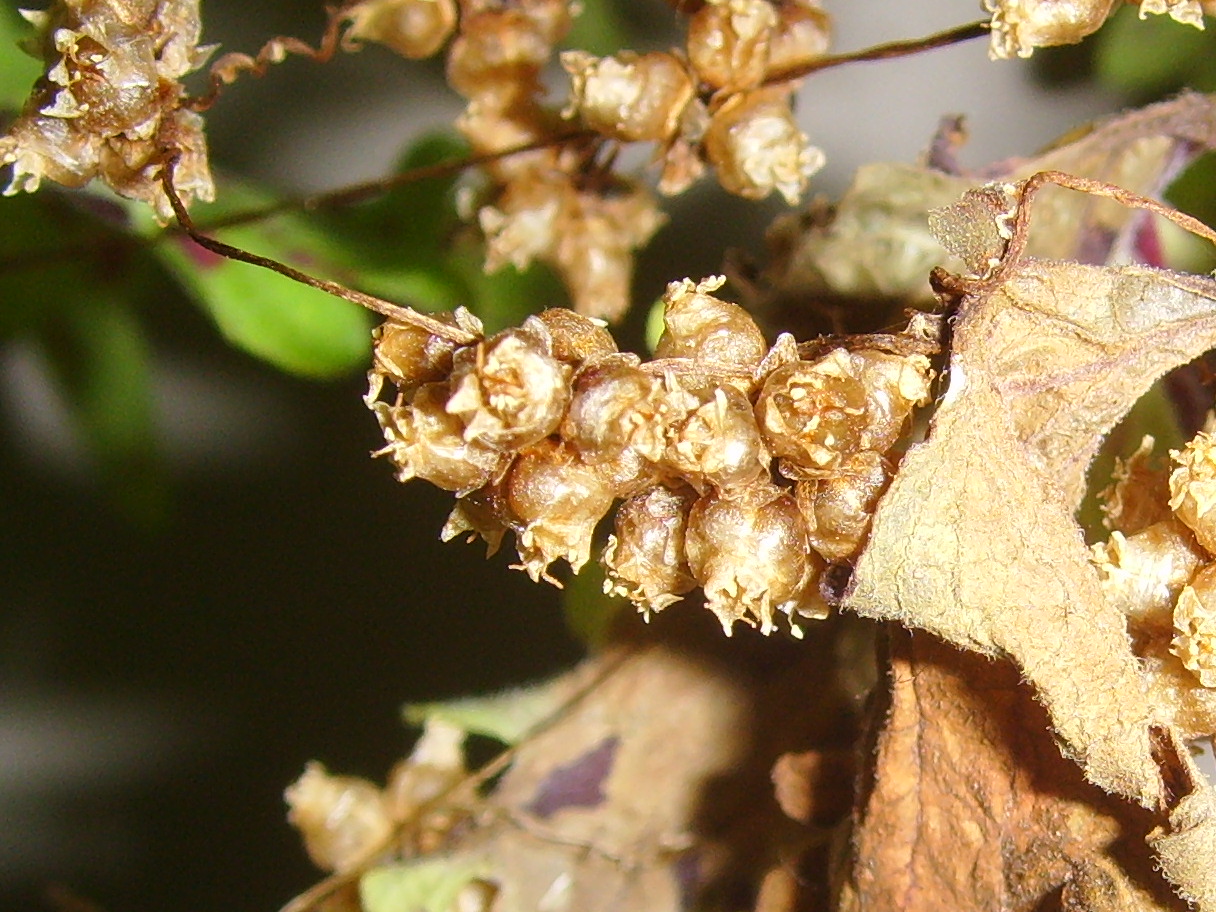
The fruit is small, dark, and kidney-shaped with a distinctive aromatic, somewhat resinous smell, and botanical naming has changed in some references, so both the accepted name and synonym should be checked. The dried fruit is hard, wrinkled, and about the size of a peppercorn. The seed-like fruit can be confused with other small dark legumes, so the label matters, and salted or stir-fried preparations should be stated on the product.
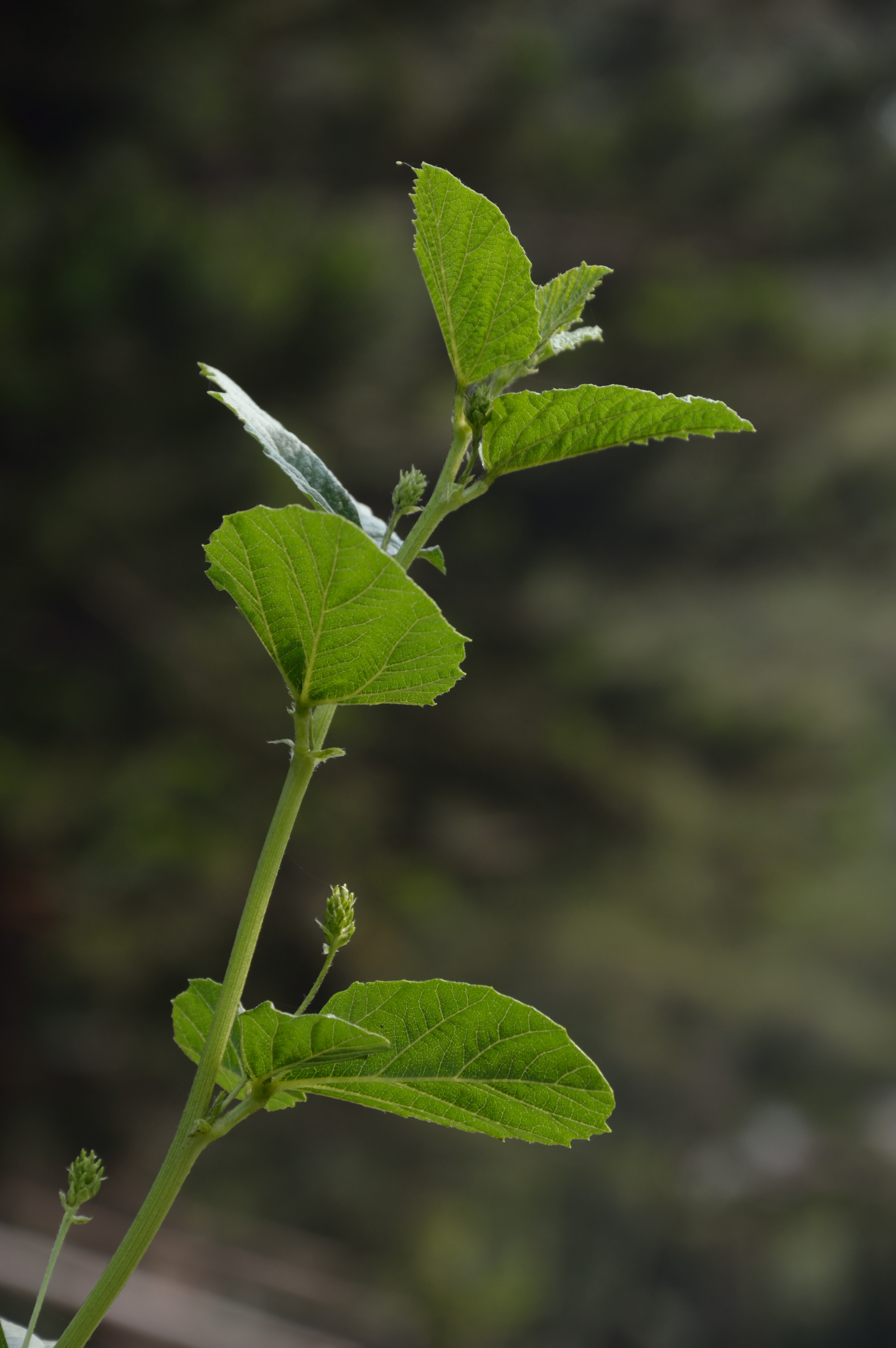
Images are for orientation only, not definitive species authentication; confirm species, part, source, and labeling with a qualified professional or authoritative monograph.
TRADITIONAL CONTEXT
Traditional Use in Context
Traditional records discuss Psoralea for kidney yang, skin and vitiligo-related historical language, and warming support for lower-body weakness, often in formulas for coldness and skin concerns, and the skin language appears in external and internal records alike. Classical texts describe the fruit as a warming, yang-supporting material with historical skin-related uses, and it is paired with warming roots and seeds in lower-back formulas. The skin language is historical and does not establish efficacy for vitiligo or any skin disease, and it does not authorize self-treatment of skin color change, which requires a dermatological assessment.
PROCESSING CONTEXT
Raw Material, Processing, and Product Form
The fruit may be salted, stir-fried, or used in a concentrated product. Processing does not remove the need to verify species, batch, and exposure level, and skin-related products need their own ingredient and concentration review.
The same name can cover a raw material, decoction piece, powder, extract, or finished product, so record the labeled form rather than assuming it; see the safety review for the questions to ask.
SAFETY REVIEW
Safety Boundaries
This material has important photosensitivity and liver-safety questions in some products. Avoid treating skin color change as a reason to self-dose; seek professional review for rash, sun sensitivity, jaundice, or dark urine, and review the batch record before any use.
This record is not a dose recommendation; risk depends on identity, preparation, amount, duration, contamination, other medicines, and health conditions — a traditional or “natural” label cannot establish safety. For the full framework, read the Chinese Herbal Medicine Safety Review.
COMPARISON
How This Entry Differs
Compare Psoralea Fruit with Epimedium and Cuscuta Seed for warming and reproductive language, while giving this material a stricter quality and liver review. Psoralea is also the only one of the three with prominent photosensitivity and skin-related history.
Use the related-entry links below to compare identity, part, processing, and safety boundaries — similar categories do not make materials interchangeable.
STUDY METHOD
New to these entries?
Read the four-step method in How to Read a Herb Entry before comparing materials.