Herb reference entry
Eucommia Bark
Eucommia Bark
Eucommia ulmoides Oliv.
Reviewed by Kuda, September 2, 2026 - Editorial policy
OVERVIEW
What This Record Covers
Eucommia Bark is the dried bark of Eucommia ulmoides, a distinctive Chinese tree of the monotypic family Eucommiaceae that is cultivated in mountainous regions across central China. The bark is stripped from the tree, cleaned, cut into strips, and dried, and it has a gray-brown outer surface and a characteristic network of white stretchy latex threads when broken. The material appears as bark strips, slices, powders, and extracts, and it is a common ingredient in formulas aimed at the lower back and joints. Because bark thickness, tree age, and processing all change the record, the source and preparation should be stated on any traceable product.
- English name
- Eucommia Bark
- Latin name
- Eucommia ulmoides Oliv.
- Traditional category
- Yang Tonifying
- Nature
- Warm
- Flavor description
- Sweet
- Record identifier
- duzhong
IDENTIFICATION
Identification and Image Notes
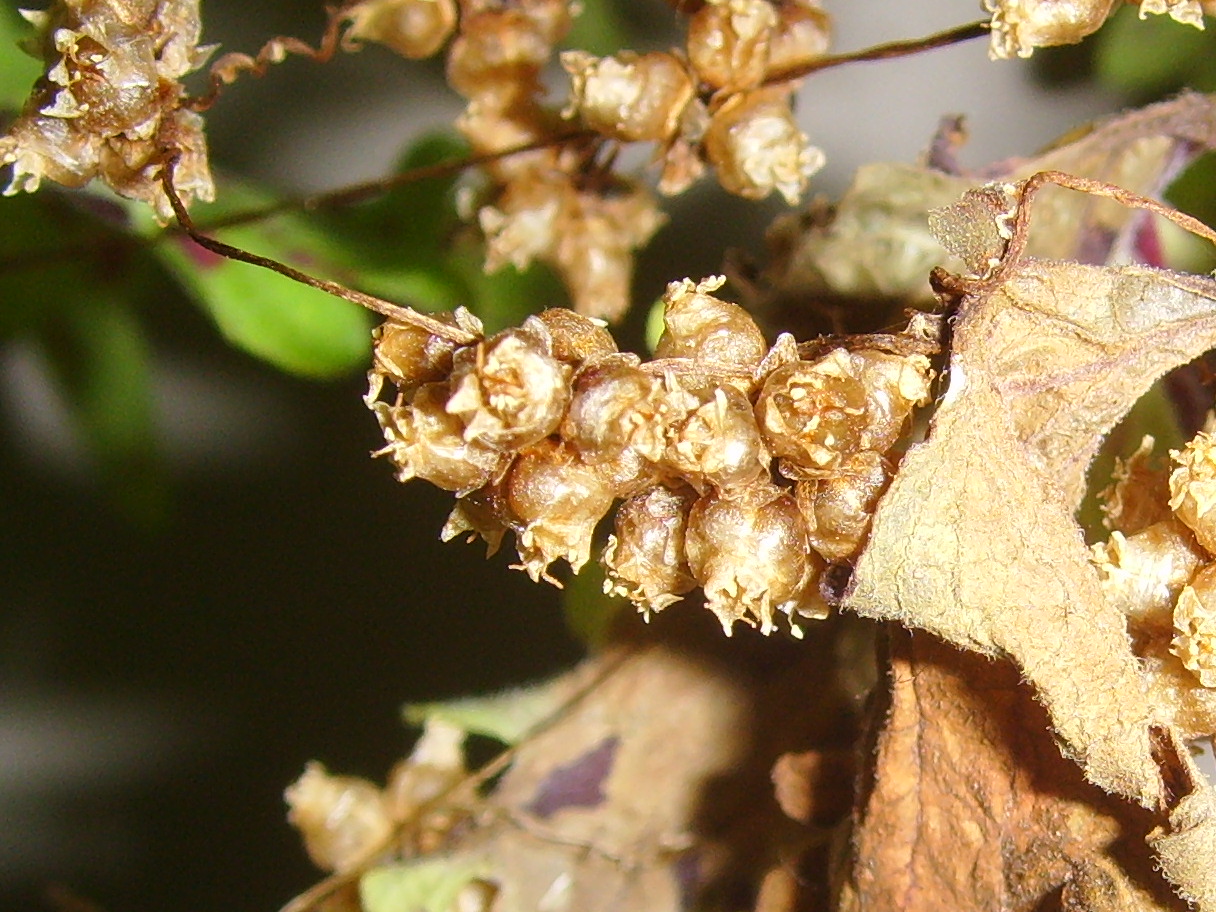
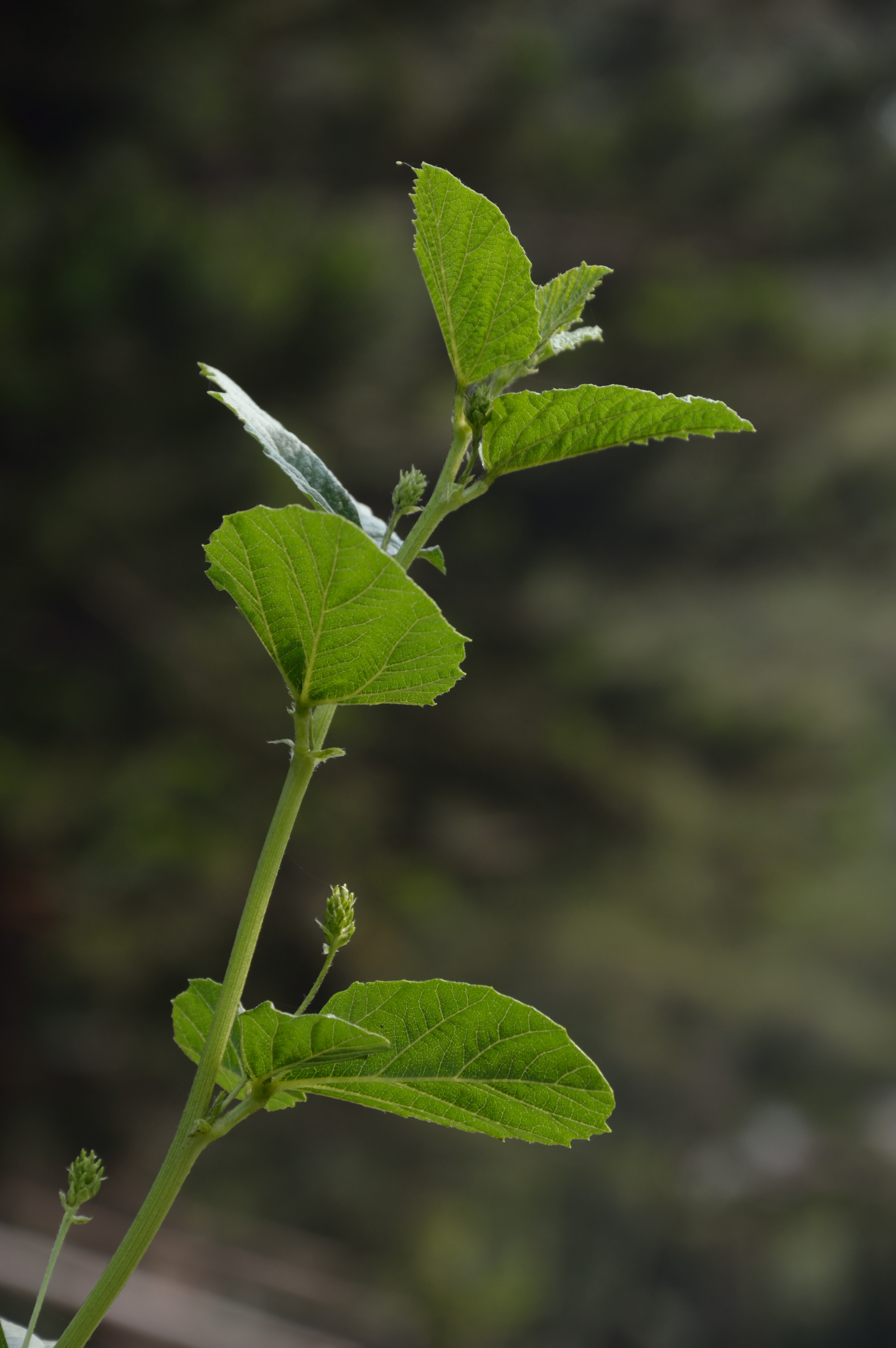
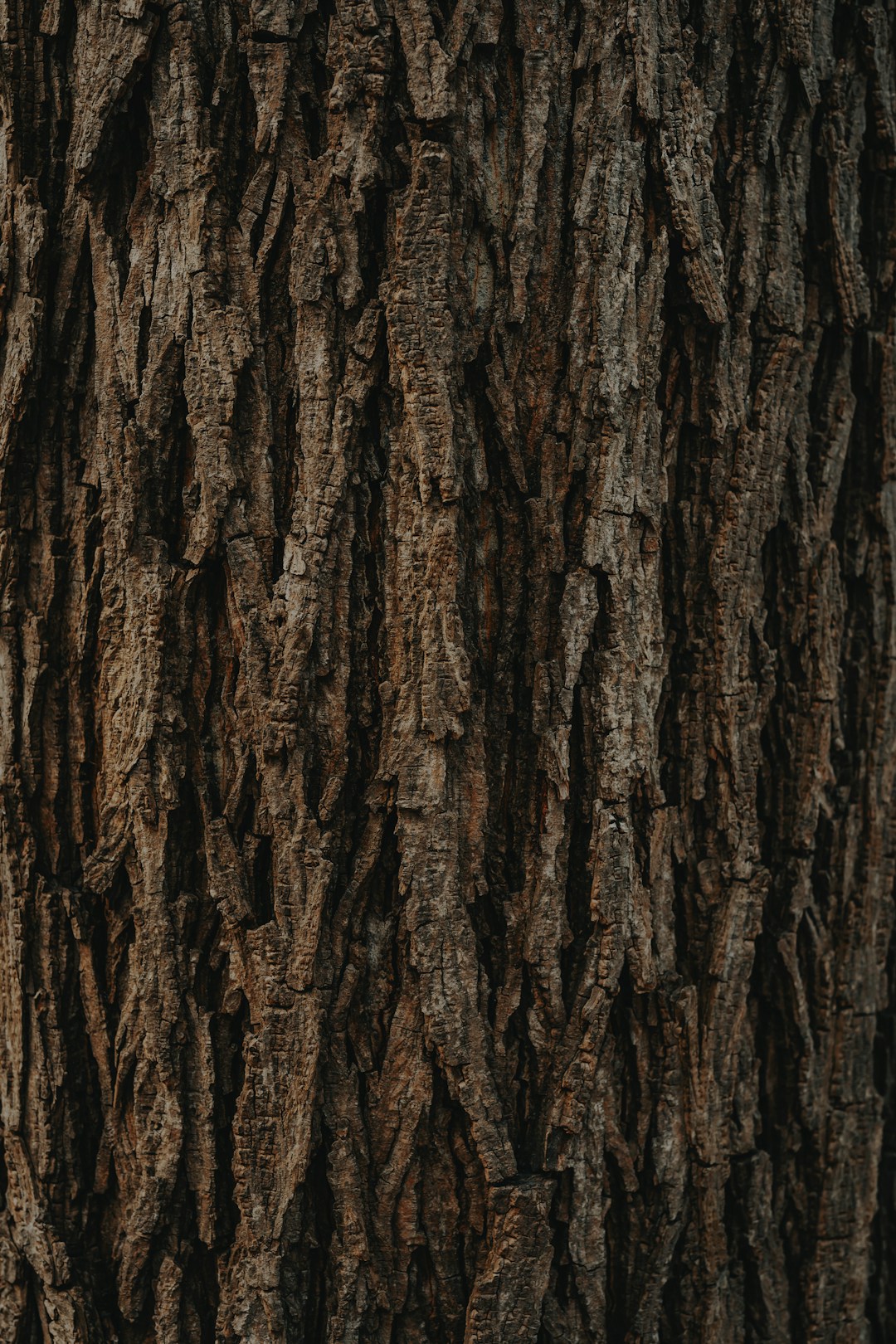
Eucommia bark has a gray-brown outer surface and characteristic white stretchy latex threads when broken, and bark thickness and tree source are important to a quality record. The dried bark is cut into flat strips, firm and leathery, and when a strip is snapped the two ends stay connected by fine white elastic threads. The latex threads are an unusual orientation clue, but species identity should still be confirmed with the label, and salt-processed strips should be recorded separately.
Images are for orientation only, not definitive species authentication; confirm species, part, source, and labeling with a qualified professional or authoritative monograph.
TRADITIONAL CONTEXT
Traditional Use in Context
Traditional records discuss Eucommia Bark for liver-kidney support, lower-back and joint language, tendon and bone descriptions, and pregnancy-related historical formulas, and it appears in combinations such as Du Huo Ji Sheng Tang with Himalayan Teasel and Achyranthes Root. Classical texts describe it as a warming, strengthening material for the lower back and knees, often combined with other yang-supporting roots and seeds. The structural language is historical and does not establish evidence of bone or joint repair in an individual case, and historical pregnancy use is not a safety guarantee. The traditional role is read with the whole presentation, never as a home treatment for back pain, which requires clinical assessment.
PROCESSING CONTEXT
Raw Material, Processing, and Product Form
Bark is cleaned, cut, and commonly salt-processed or stir-fried in traditional records. Processing and salt content should be stated rather than assumed from the common name, and powders and extracts add further concentration questions.
The same name can cover a raw material, decoction piece, powder, extract, or finished product, so record the labeled form rather than assuming it; see the safety review for the questions to ask.
SAFETY REVIEW
Safety Boundaries
Review pregnancy, blood pressure, kidney disease, allergy, and products that combine several warming or blood-pressure-active ingredients. Historical pregnancy use is not a safety guarantee, and blood-pressure medicines deserve a complete interaction review with a professional.
This record is not a dose recommendation; risk depends on identity, preparation, amount, duration, contamination, other medicines, and health conditions — a traditional or “natural” label cannot establish safety. For the full framework, read the Chinese Herbal Medicine Safety Review.
COMPARISON
How This Entry Differs
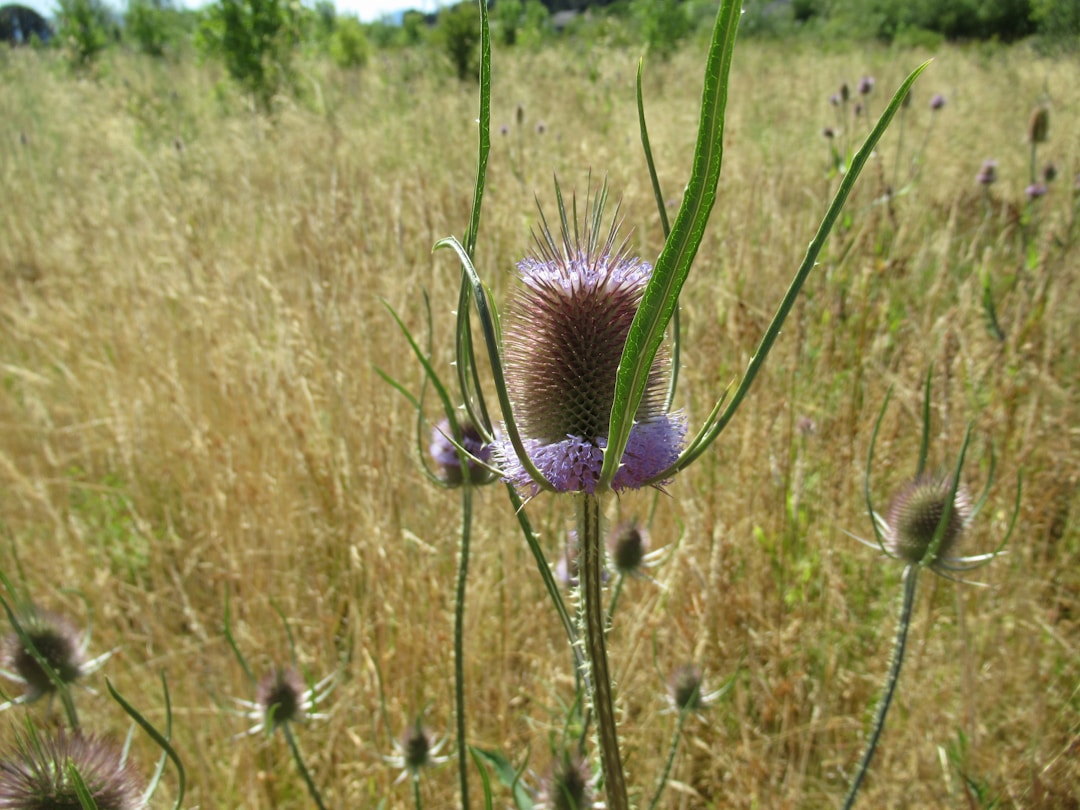
Compare Eucommia Bark with Himalayan Teasel Root and Cuscuta Seed for structural support language, plant part, warmth, and processing details. Eucommia is a bark, Teasel a root, and Cuscuta a seed, so the three records differ in source as much as in language.
Use the related-entry links below to compare identity, part, processing, and safety boundaries — similar categories do not make materials interchangeable.
STUDY METHOD
New to these entries?
Read the four-step method in How to Read a Herb Entry before comparing materials.