Herb reference entry
Cuscuta Seed / Dodder Seed
Cuscuta Seed / Dodder Seed
Cuscuta chinensis Lam.
Reviewed by Kuda, September 2, 2026 - Editorial policy
OVERVIEW
What This Record Covers
Cuscuta Seed is the dried seed of Cuscuta chinensis, a parasitic dodder vine that grows as fine yellow-orange threads over host plants across temperate and subtropical Asia. The tiny, round, yellow-brown seeds are harvested from the mature plant, cleaned, and sold as a small granular material. Because the seeds are small and easy to mix with substitutes, batch traceability and labeling matter as much as appearance. Products appear as raw seeds, fried seeds, powders, and combined formulas, and the seed should be distinguished from the host-plant material it grows on.
- English name
- Cuscuta Seed / Dodder Seed
- Latin name
- Cuscuta chinensis Lam.
- Traditional category
- Yang Tonifying
- Nature
- Warm
- Flavor description
- Sweet
- Record identifier
- tusizi
IDENTIFICATION
Identification and Image Notes
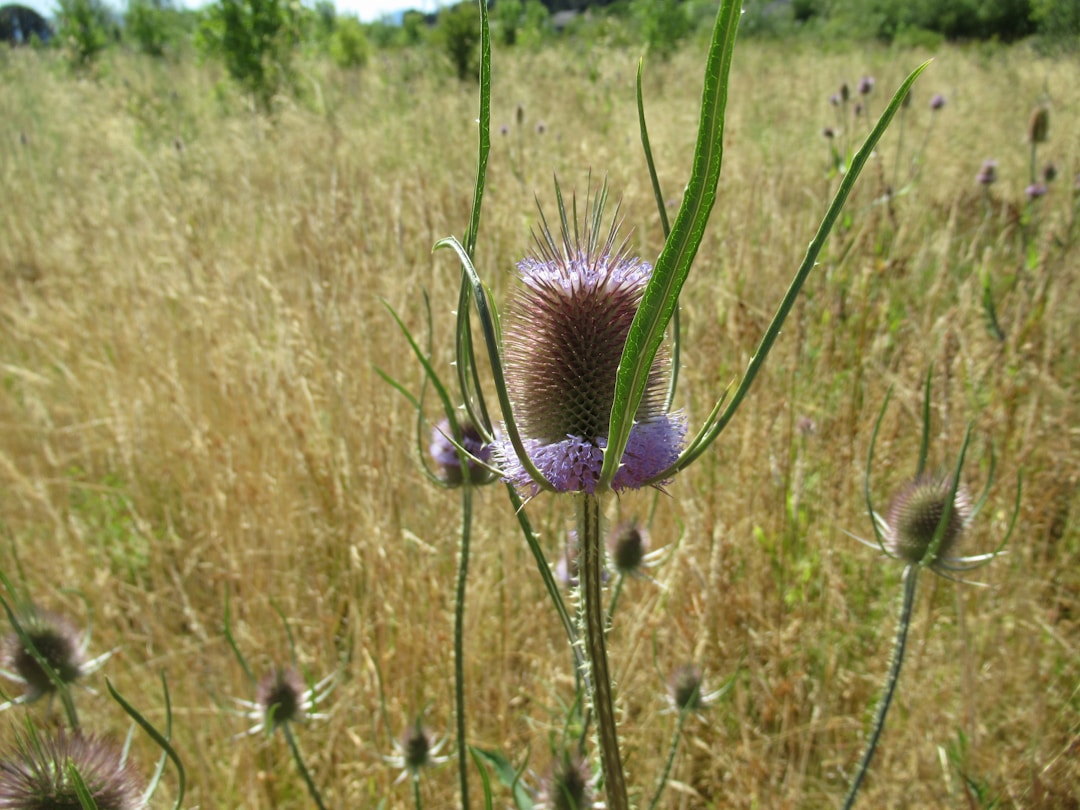
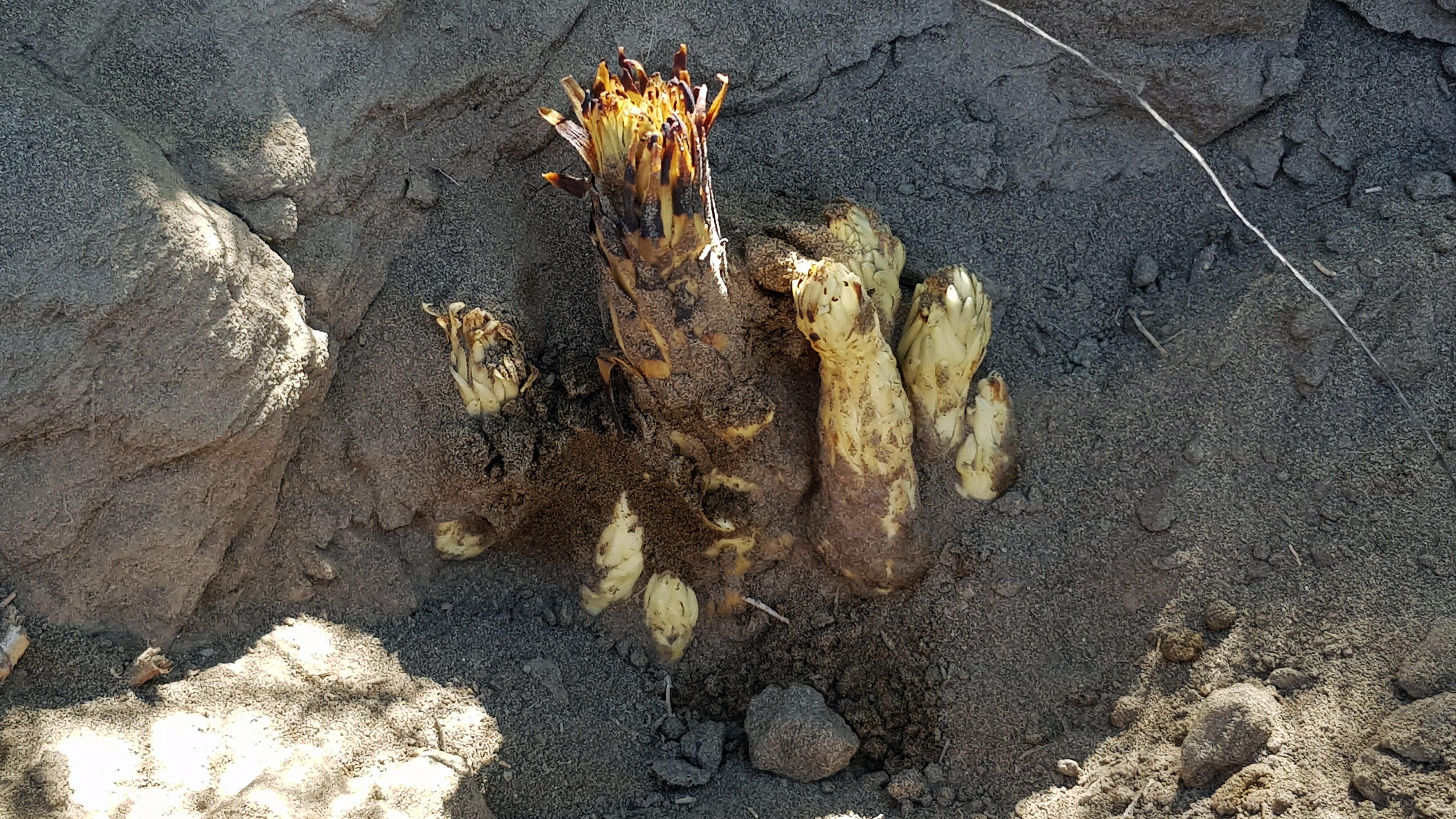
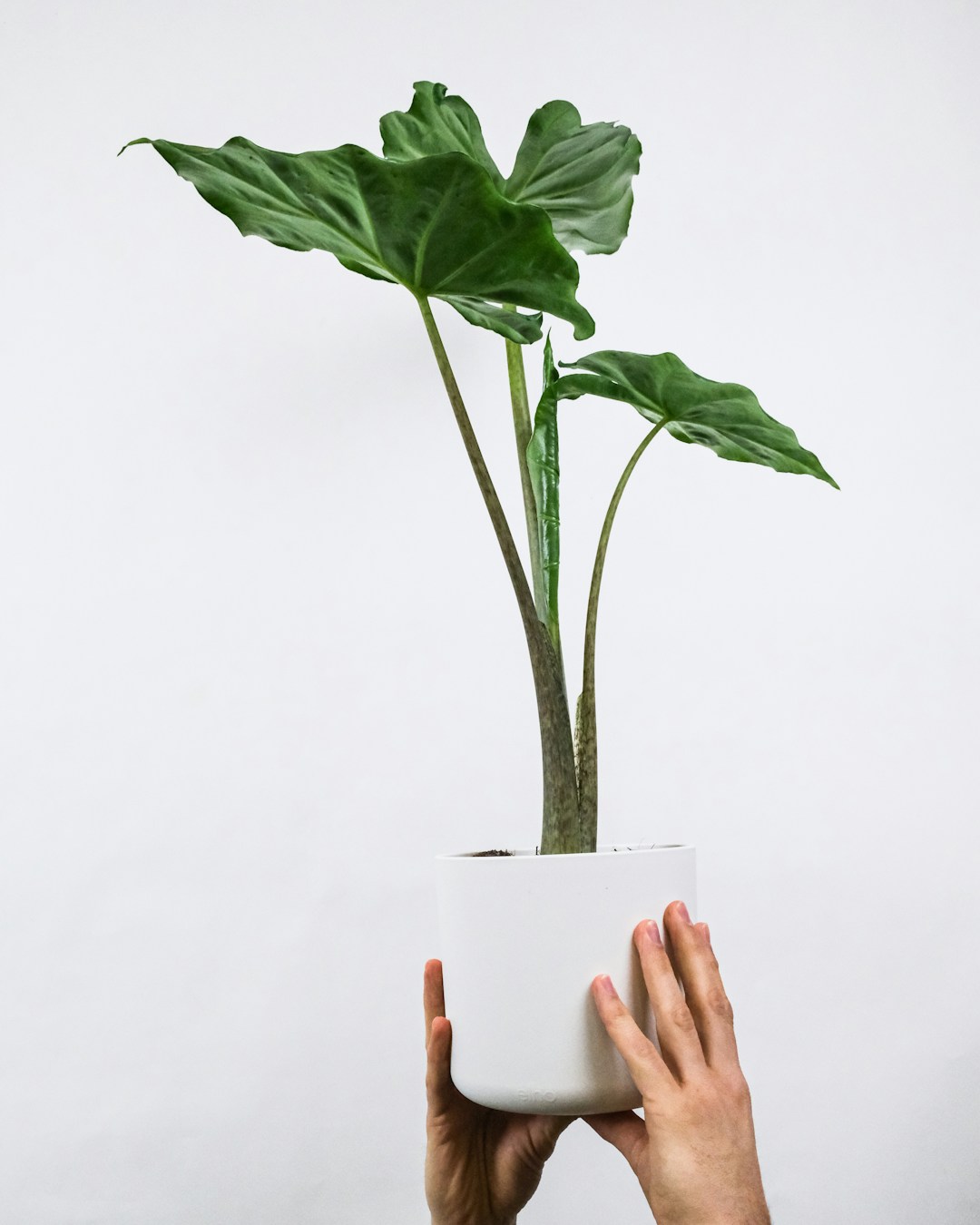
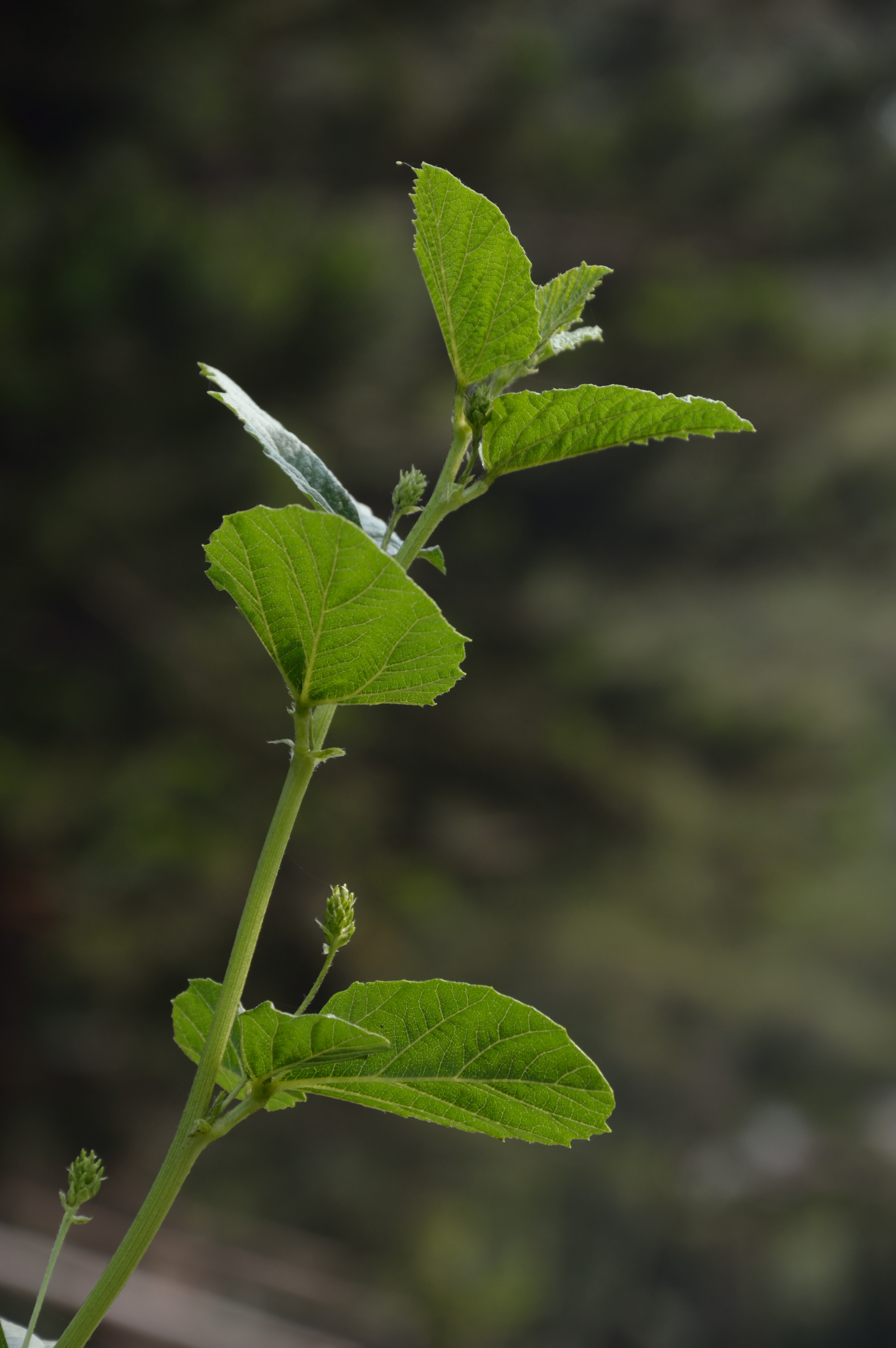
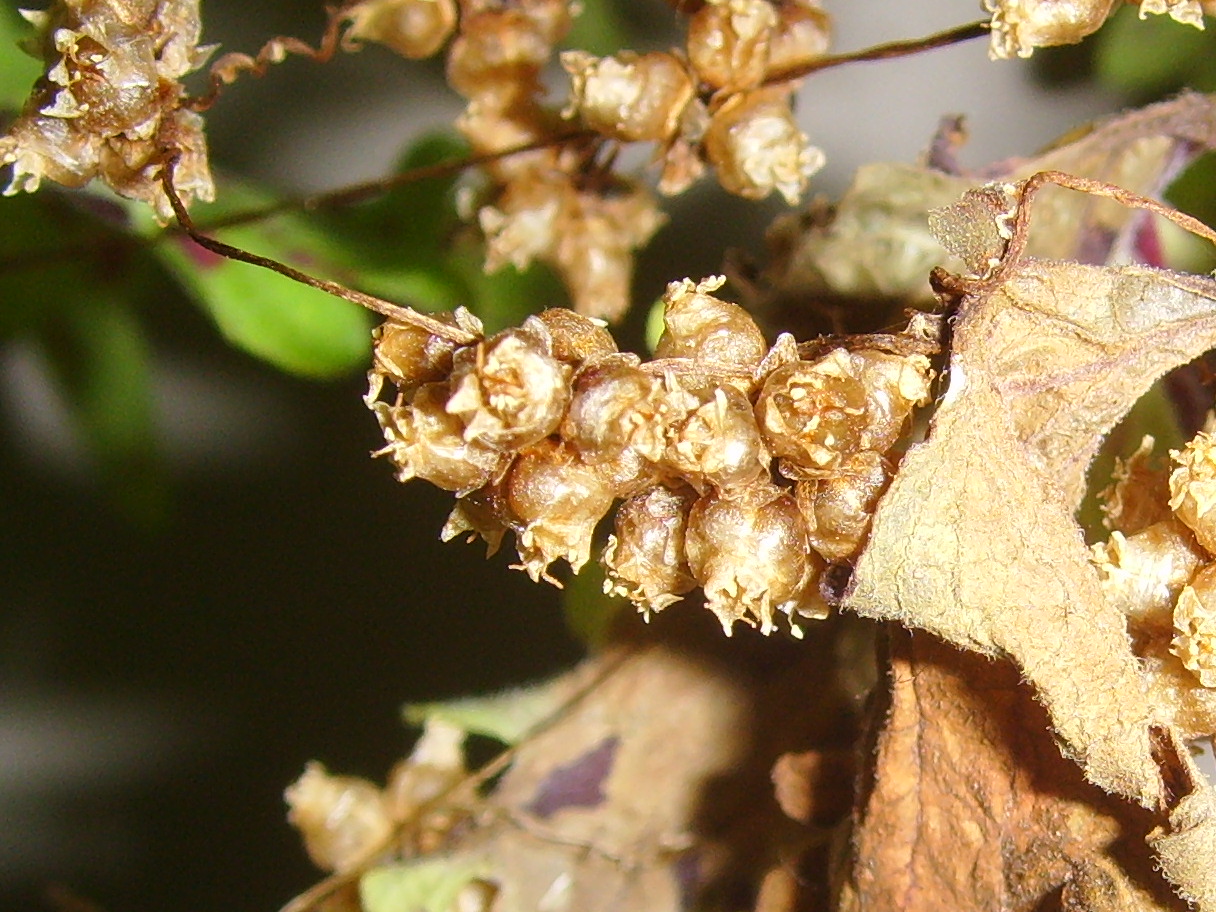
The seeds are tiny, round, and yellow-brown, usually sold as a small granular material, and dodder species and seed cleanliness are more reliable than a generic “yellow seed” description. Because the dodder vine grows as a parasite over host plants, the harvested seed lot can carry host-plant fragments, weed seeds, and soil debris. The material can be contaminated with host-plant parts, so a clean, traceable batch is essential.
Images are for orientation only, not definitive species authentication; confirm species, part, source, and labeling with a qualified professional or authoritative monograph.
TRADITIONAL CONTEXT
Traditional Use in Context
Traditional records discuss Cuscuta Seed for kidney and liver support, essence and fertility language, eye-related descriptions, and securing functions, often in formulas for reproductive-health and lower-body concerns, such as Wu Zi Yan Zong Wan, where it is paired with Lycium Fruit, Plantain Seed, and other seeds for fertility-related language. Classical texts describe the small seeds as a warming, securing material that supports the kidneys and liver, always within a pattern-based framework. The reproductive-health label is historical and should not be read as a self-care instruction, and fertility or pregnancy concerns deserve professional assessment rather than self-treatment with seeds.
PROCESSING CONTEXT
Raw Material, Processing, and Product Form
Seeds may be cleaned, fried, or combined with other preparations. Because the material is small and easy to mix with substitutes, batch traceability and labeling matter, and powders should be reviewed for purity.
The same name can cover a raw material, decoction piece, powder, extract, or finished product, so record the labeled form rather than assuming it; see the safety review for the questions to ask.
SAFETY REVIEW
Safety Boundaries
Review pregnancy, fertility treatment, allergies, and combined products rather than using a reproductive-health label as a self-care instruction. Product contamination is difficult to detect by sight, so traceable sourcing and professional review are important.
This record is not a dose recommendation; risk depends on identity, preparation, amount, duration, contamination, other medicines, and health conditions — a traditional or “natural” label cannot establish safety. For the full framework, read the Chinese Herbal Medicine Safety Review.
COMPARISON
How This Entry Differs
Compare Cuscuta Seed with Cornus Fruit and Lotus Seed for securing language, but keep their plant parts, traditional temperature, and product forms distinct. Cuscuta is the small seed of a parasite, Cornus a fruit pulp, and Lotus a food seed.
Use the related-entry links below to compare identity, part, processing, and safety boundaries — similar categories do not make materials interchangeable.
STUDY METHOD
New to these entries?
Read the four-step method in How to Read a Herb Entry before comparing materials.