Herb reference entry
Himalayan Teasel Root
Himalayan Teasel Root
Dipsacus asper Wall. ex DC.
Reviewed by Kuda, September 2, 2026 - Editorial policy
OVERVIEW
What This Record Covers
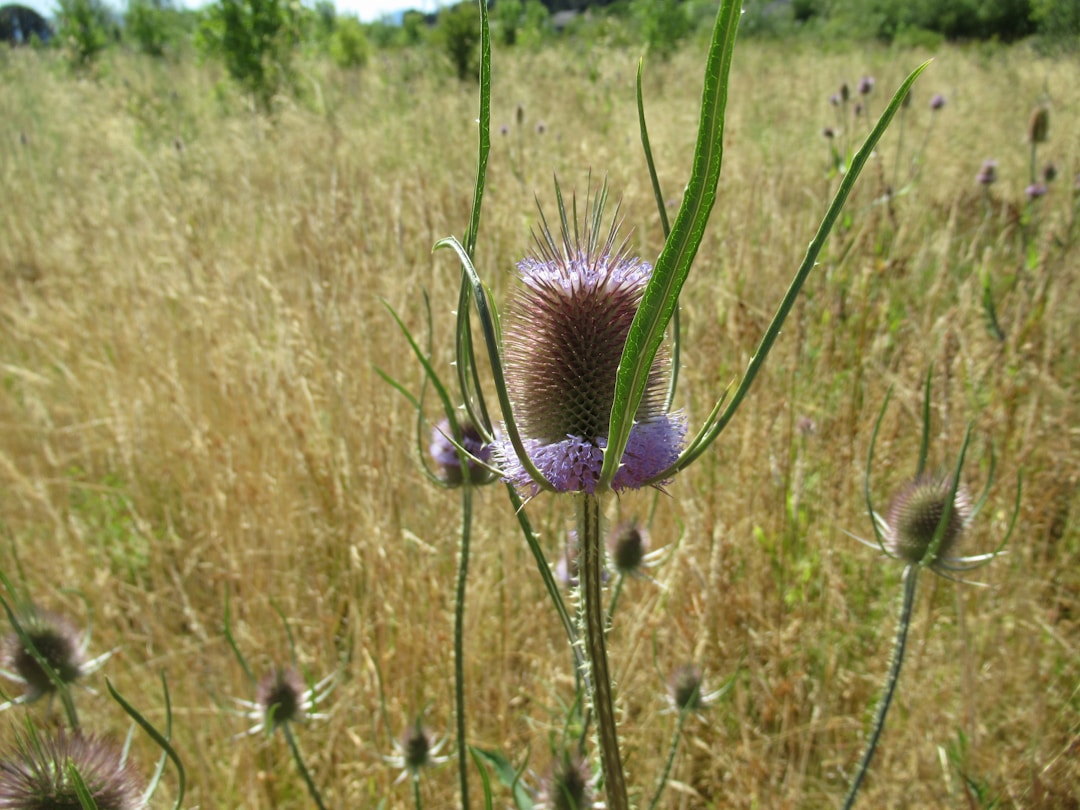
Himalayan Teasel Root is the dried root of Dipsacus asper and related accepted Dipsacus sources, a tall herbaceous plant of the honeysuckle family that grows on mountain slopes in Asia. The medicinal root is cylindrical with a yellow-brown exterior and a fibrous interior, and it is dug, cleaned, sliced, and dried for use. The material appears as root slices, powders, and extracts, and it is frequently paired with other lower-back and bone-related materials in formulas. Because Dipsacus roots can be confused with other rough roots, species and medicinal part must accompany an image or product label.
- English name
- Himalayan Teasel Root
- Latin name
- Dipsacus asper Wall. ex DC.
- Traditional category
- Yang Tonifying
- Nature
- Slightly Warm
- Flavor description
- Sweet, Pungent, Bitter
- Record identifier
- xuduan
IDENTIFICATION
Identification and Image Notes
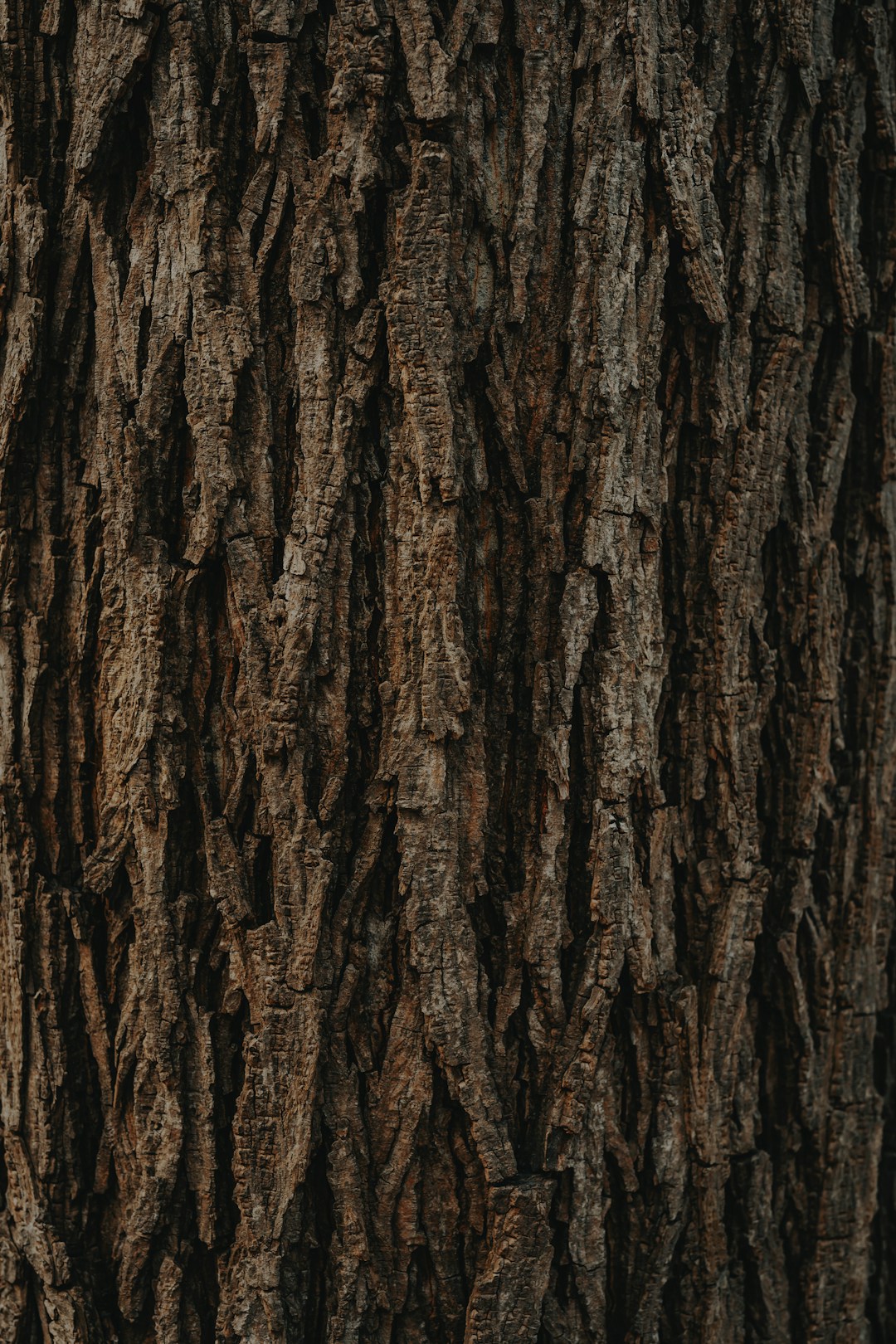
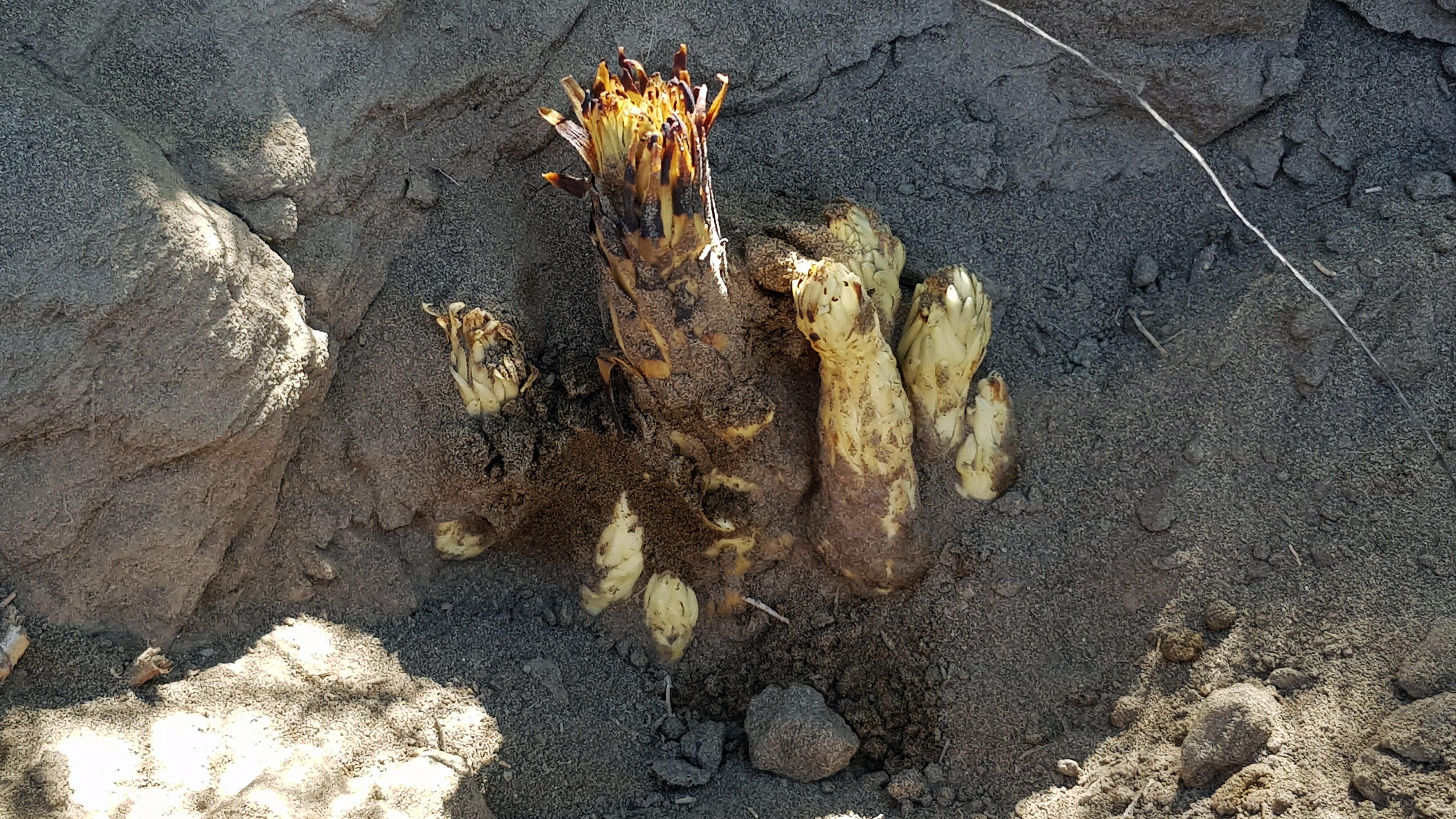
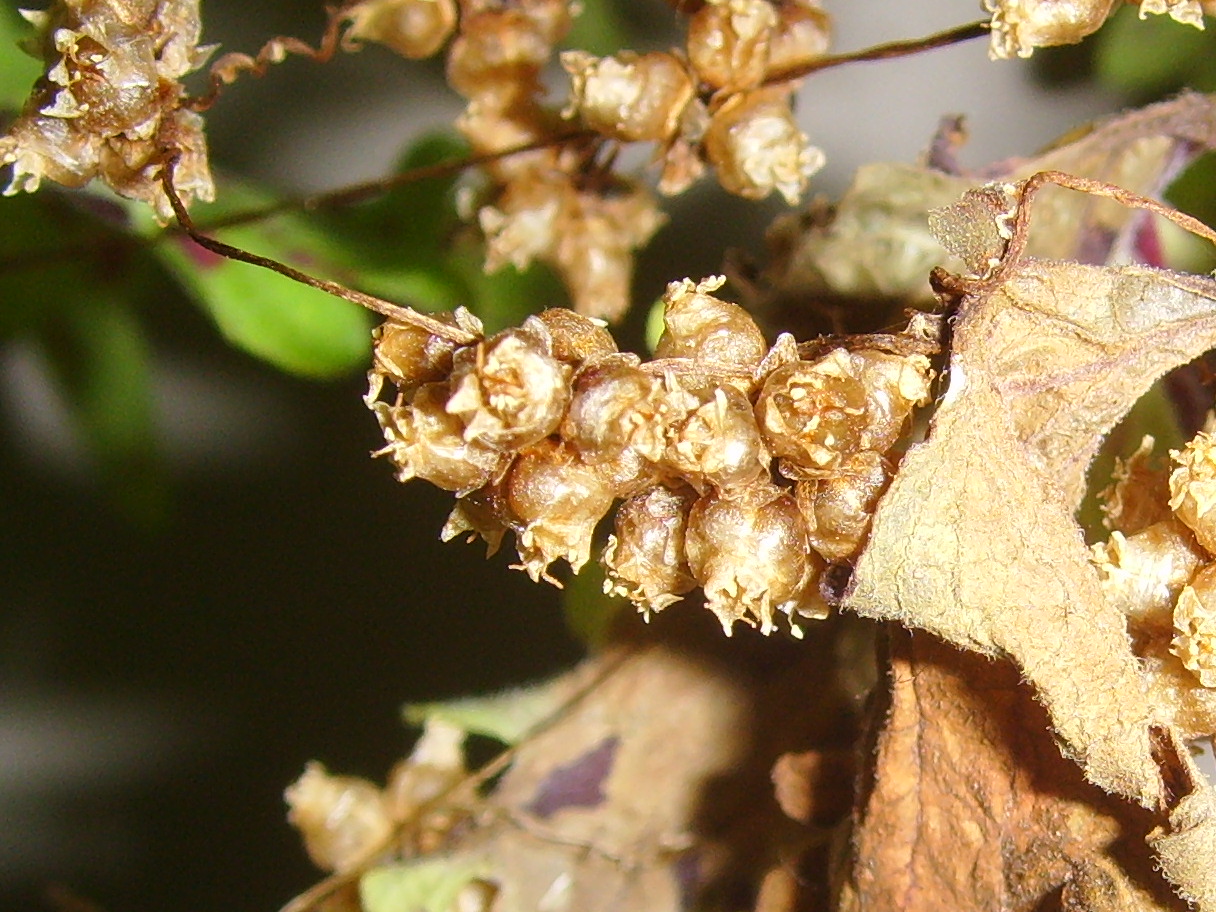
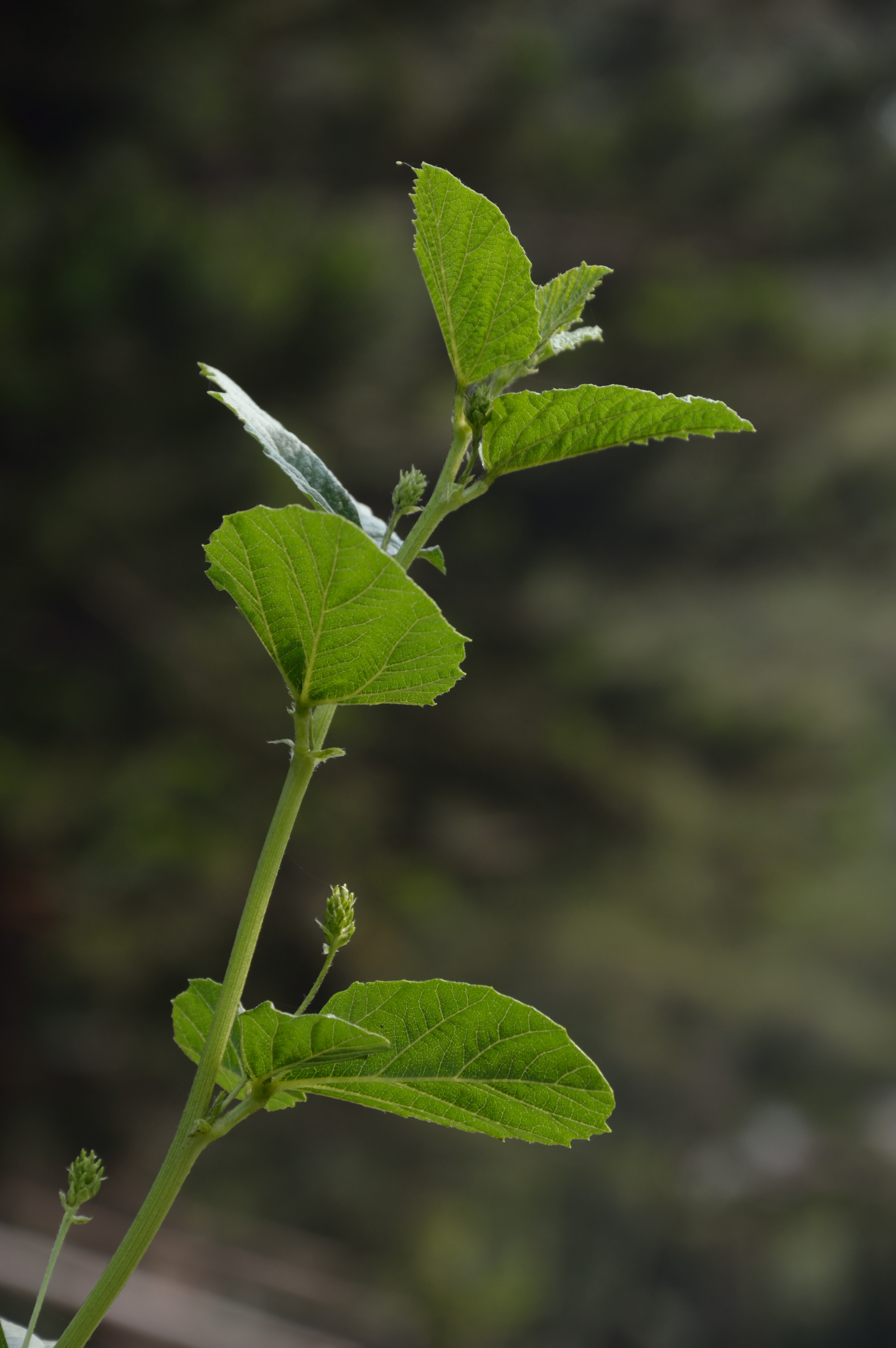
The root is cylindrical with a yellow-brown exterior and fibrous interior, and Dipsacus roots can be confused with other rough roots, so species and medicinal part must accompany an image. The dried root is firm with a ringed, wrinkled surface, and the interior shows a fibrous, slightly spongy texture. The fibrous texture and the root shape are orientation clues, not full authentication, and the Latin name should be confirmed with the label.
Images are for orientation only, not definitive species authentication; confirm species, part, source, and labeling with a qualified professional or authoritative monograph.
TRADITIONAL CONTEXT
Traditional Use in Context
Traditional records place Himalayan Teasel in liver-kidney support, tendons and bones, injury recovery, and pregnancy-related traditional records, often in formulas for back pain, weakness, and recovery after injury, such as Dipsacus-based combinations with Eucommia Bark and Achyranthes Root. Classical texts describe the root as a strengthening, slightly warming material for the sinews and bones and for the lower back. Traditional bone language is not evidence of repair in an individual case, and the historical role does not authorize self-treatment of injury or chronic pain. A new injury, persistent pain, or weakness in the legs requires clinical assessment.
PROCESSING CONTEXT
Raw Material, Processing, and Product Form
The cleaned root is sliced and dried; salt processing may be specified in traditional records. Do not infer the preparation from color or aroma alone, and the processed form should be stated on the label.
The same name can cover a raw material, decoction piece, powder, extract, or finished product, so record the labeled form rather than assuming it; see the safety review for the questions to ask.
SAFETY REVIEW
Safety Boundaries
Review pregnancy, anticoagulant use, allergy, and chronic pain or injury that may need ordinary medical assessment. Traditional bone language is not evidence of repair in an individual case, and a new injury or persistent pain deserves clinical evaluation rather than self-treatment.
This record is not a dose recommendation; risk depends on identity, preparation, amount, duration, contamination, other medicines, and health conditions — a traditional or “natural” label cannot establish safety. For the full framework, read the Chinese Herbal Medicine Safety Review.
COMPARISON
How This Entry Differs
Compare Himalayan Teasel Root with Eucommia Bark and Achyranthes Root for plant part, structural language, movement, and pregnancy boundaries. Teasel is the root of the three most often written into recovery-after-injury formulas.
Use the related-entry links below to compare identity, part, processing, and safety boundaries — similar categories do not make materials interchangeable.
STUDY METHOD
New to these entries?
Read the four-step method in How to Read a Herb Entry before comparing materials.