Herb reference entry
Isatis Root / Ban Lan Gen
Isatis Root / Ban Lan Gen
Isatis indigotica Fort.( Isatis tinctoria L.)
Reviewed by Kuda, September 2, 2026 - Editorial policy
OVERVIEW
What This Record Covers
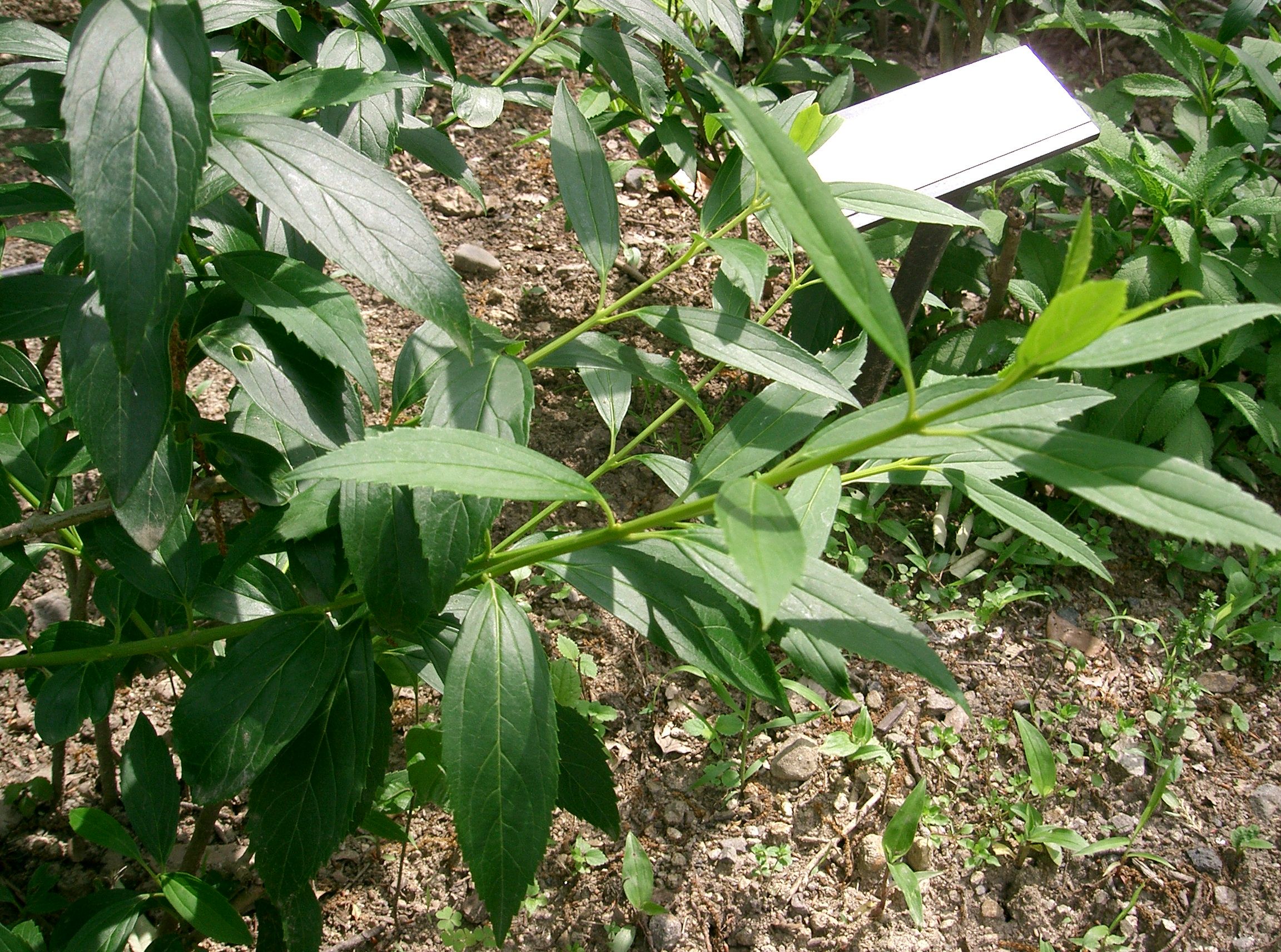
Isatis Root, called Ban Lan Gen, is the dried root of Isatis indigotica, a biennial herb of the mustard family (Brassicaceae) cultivated across northern China, with some references also discussing the European species Isatis tinctoria. The medicinal part is the cylindrical, pale gray-yellow root, harvested in the second year, cleaned, and dried for use as slices. In trade it appears as root slices, powders, granules, and ready-to-drink products, and the same name covers very different product formats. Because root and leaf products come from the same plant, the medicinal part, the species, and the cultivation record should be stated on the label.
- English name
- Isatis Root / Ban Lan Gen
- Latin name
- Isatis indigotica Fort.( Isatis tinctoria L.)
- Traditional category
- Heat Clearing
- Nature
- Cold
- Flavor description
- Bitter
- Record identifier
- banlangen
IDENTIFICATION
Identification and Image Notes
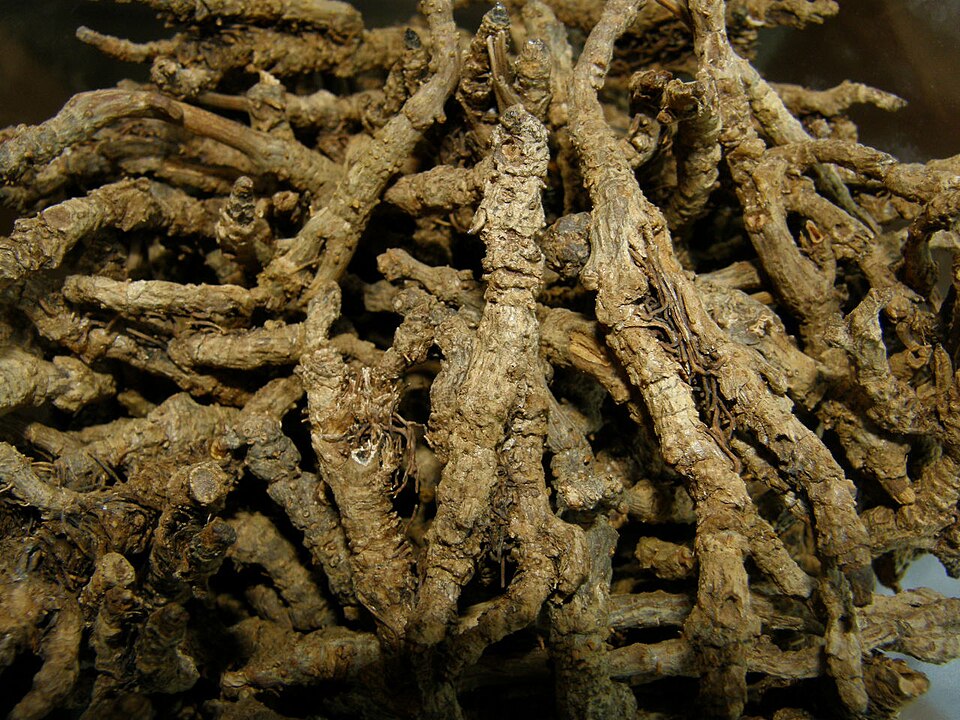
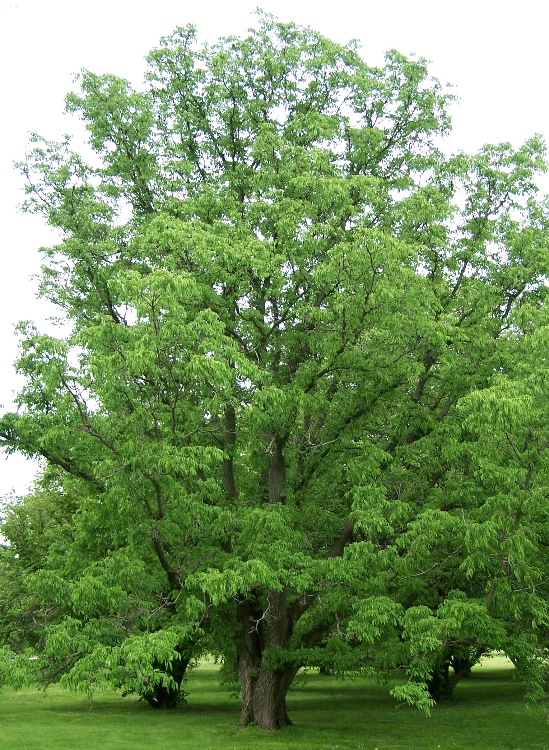
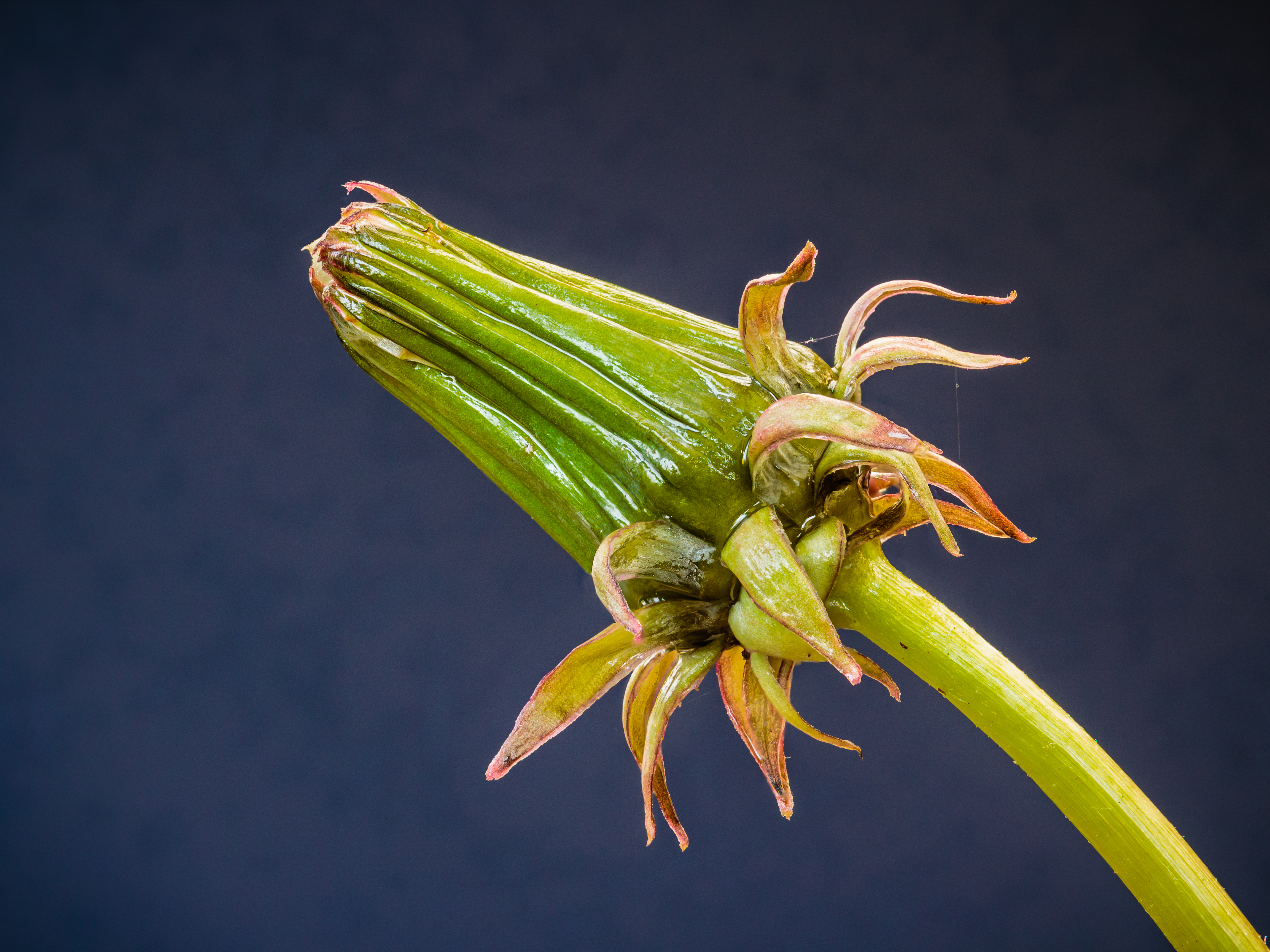
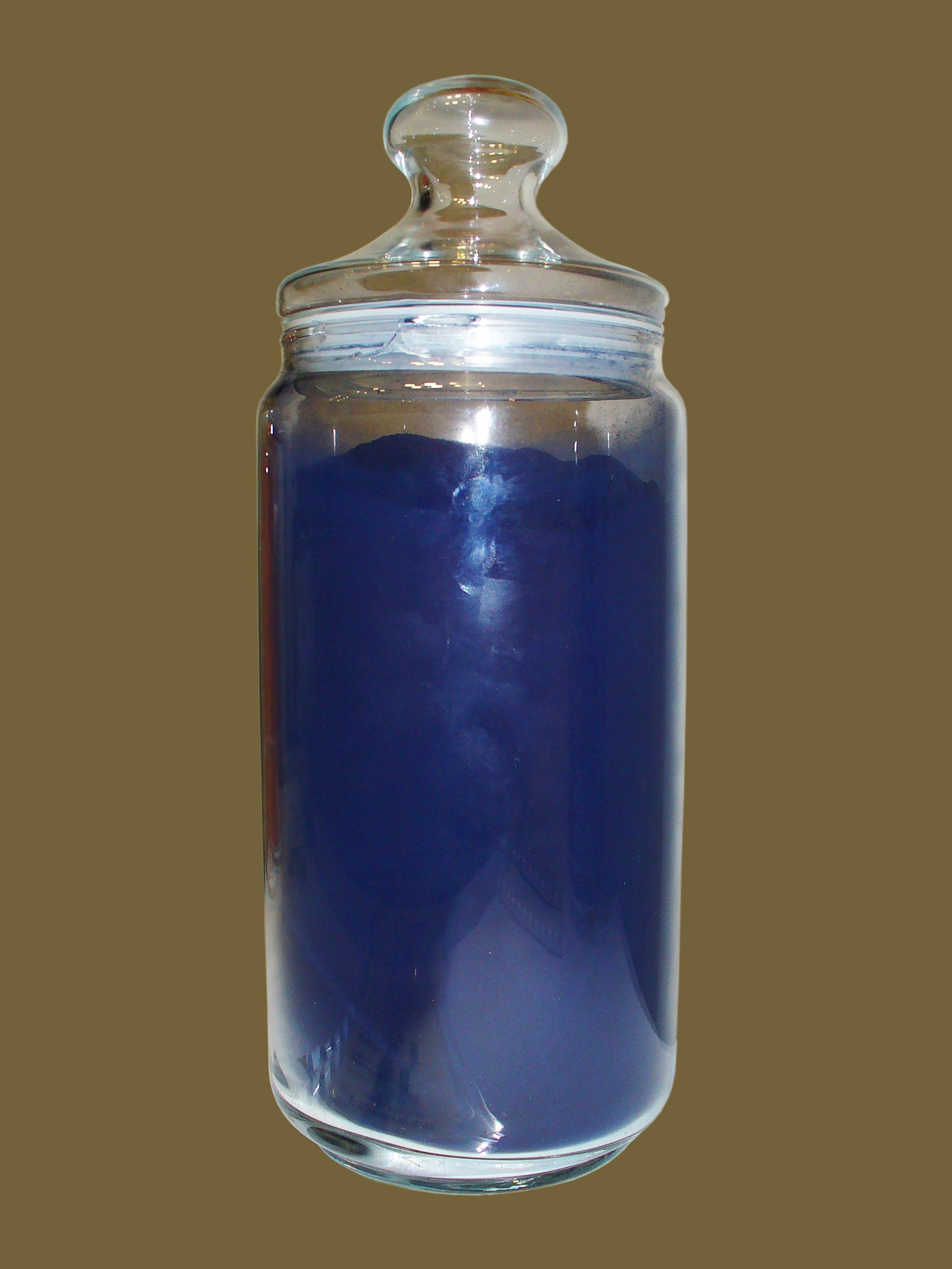
The root is cylindrical and pale gray-yellow, often with a distinctive central core, and species, cultivation, and the difference between root and leaf products must be checked. The dried root is about a finger thick, firm and fibrous, with a pale gray-yellow surface and a darker core visible on the cut end. The root slice is relatively plain, so the label and the medicinal-part statement matter more than appearance, and granules and ready-to-drink forms are separate records.
Images are for orientation only, not definitive species authentication; confirm species, part, source, and labeling with a qualified professional or authoritative monograph.
TRADITIONAL CONTEXT
Traditional Use in Context
Traditional records discuss Isatis Root for heat, throat, infectious-season, and toxicity-related historical descriptions, and it is a widely used ingredient in formulas aimed at sore throat and seasonal febrile illness, often paired with Honeysuckle Flower and Forsythia Fruit in throat combinations. Classical texts describe it for throat and febrile presentations, always within a pattern-based framework. The seasonal vocabulary is historical and does not prove that a product treats an infection, and a seasonal tradition should not be used to delay care for a worsening sore throat, high fever, or breathing difficulty.
PROCESSING CONTEXT
Raw Material, Processing, and Product Form
Roots are cleaned, sliced, and dried, and powders, granules, and ready-to-drink products are common. Added sweeteners and multi-ingredient formulas change the product record, and the concentration differs sharply between a decoction piece and a granule.
The same name can cover a raw material, decoction piece, powder, extract, or finished product, so record the labeled form rather than assuming it; see the safety review for the questions to ask.
SAFETY REVIEW
Safety Boundaries
Review allergy, digestive tolerance, pregnancy, kidney or liver disease, and repeated use during fever, and check the full ingredient list of any combined product. A seasonal tradition does not prove that a product treats an infection, and fever, worsening throat symptoms, or breathing difficulty requires medical evaluation.
This record is not a dose recommendation; risk depends on identity, preparation, amount, duration, contamination, other medicines, and health conditions — a traditional or “natural” label cannot establish safety. For the full framework, read the Chinese Herbal Medicine Safety Review.
COMPARISON
How This Entry Differs
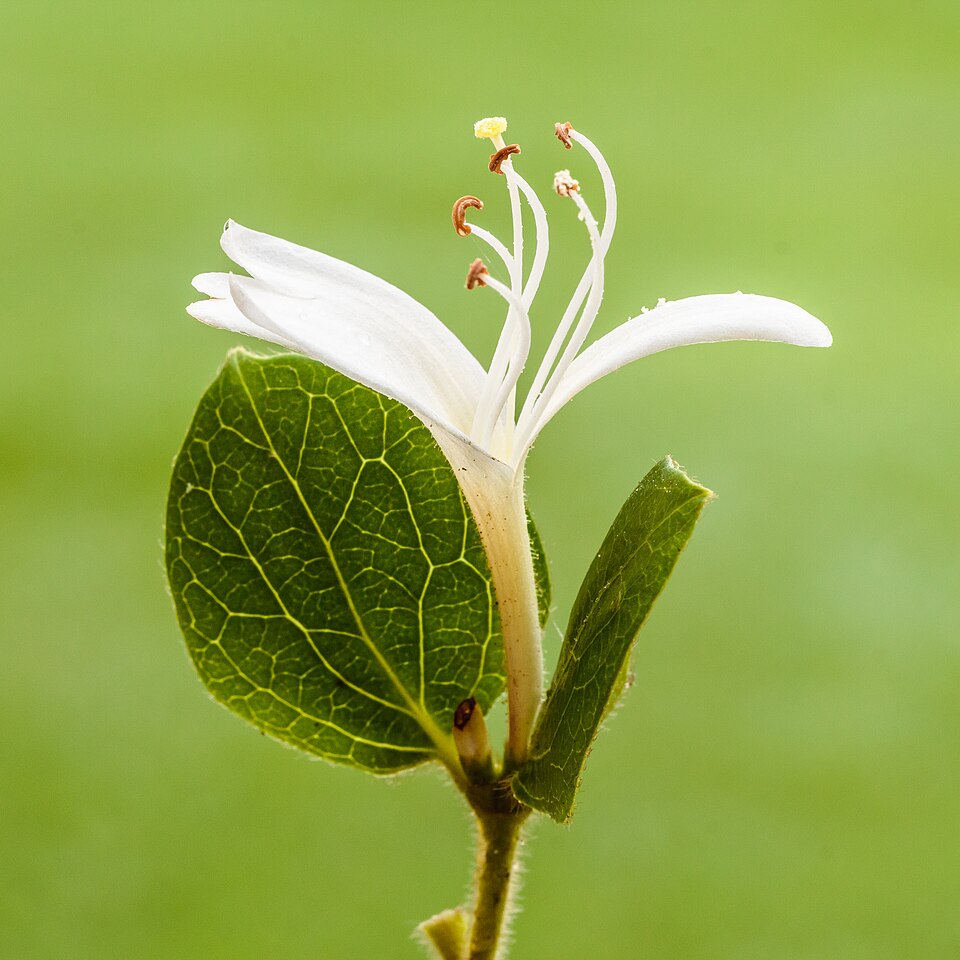
Compare Isatis Root with Honeysuckle Flower and Forsythia Fruit for the root-versus-bud-or-fruit identities in seasonal formulas, and for the stronger product-format questions of granules and ready-to-drink forms. The three are frequent partners, which makes their individual boundaries easy to blur.
Use the related-entry links below to compare identity, part, processing, and safety boundaries — similar categories do not make materials interchangeable.
STUDY METHOD
New to these entries?
Read the four-step method in How to Read a Herb Entry before comparing materials.