Herb reference entry
Coptis Root / Chinese Goldthread
Coptis Root / Chinese Goldthread
Coptis chinensis Franch.
Reviewed by Kuda, September 2, 2026 - Editorial policy
OVERVIEW
What This Record Covers
Coptis Root, called Huang Lian, is the dried rhizome of Coptis chinensis and related Coptis species, small perennial herbs of the buttercup family (Ranunculaceae) that grow in shady, moist mountain woodlands across central and southern China. The medicinal part is the small, branched underground rhizome, which is yellow inside and intensely bitter, harvested, cleaned, and dried for use. In trade it appears as branched rhizome pieces, slices, powders, granules, and extracts, and the same common name covers very different concentrations. Because the rhizome is small and yellow, Coptis species and the presence of berberine-rich extracts should be documented with the product.
- English name
- Coptis Root / Chinese Goldthread
- Latin name
- Coptis chinensis Franch.
- Traditional category
- Heat Clearing
- Nature
- Cold
- Flavor description
- Bitter
- Record identifier
- huanglian
IDENTIFICATION
Identification and Image Notes
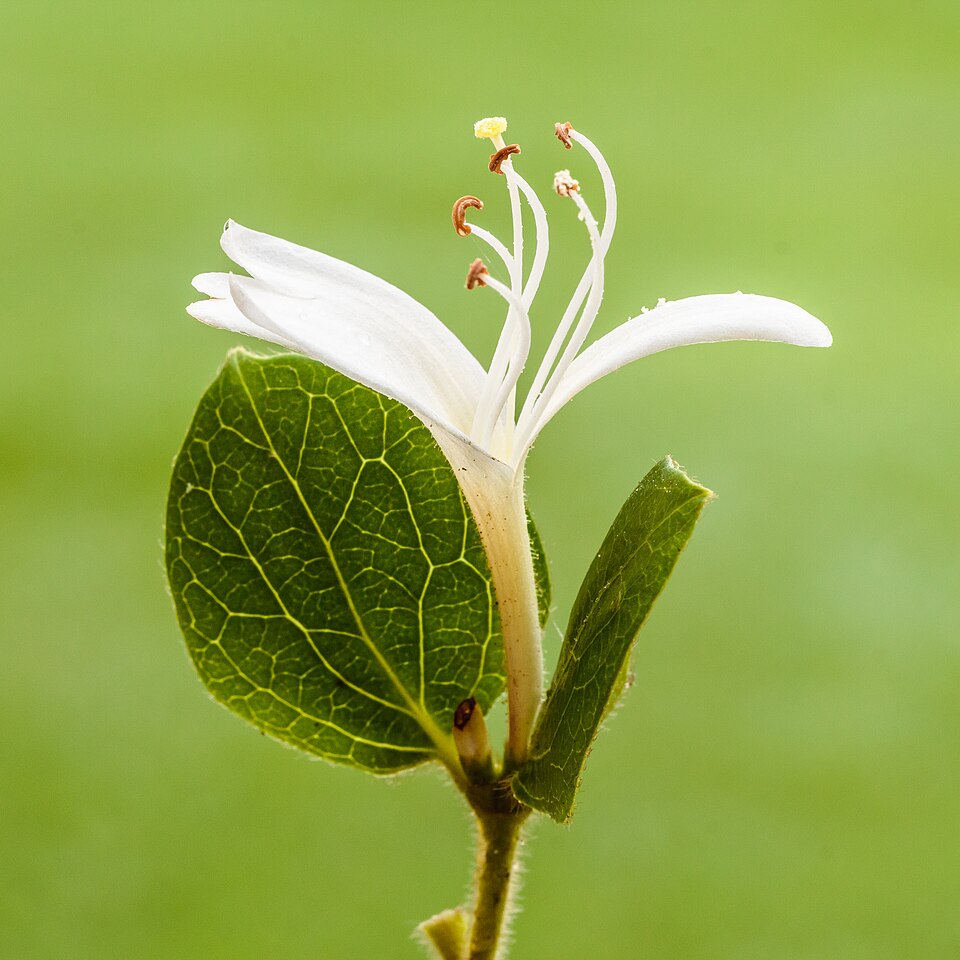
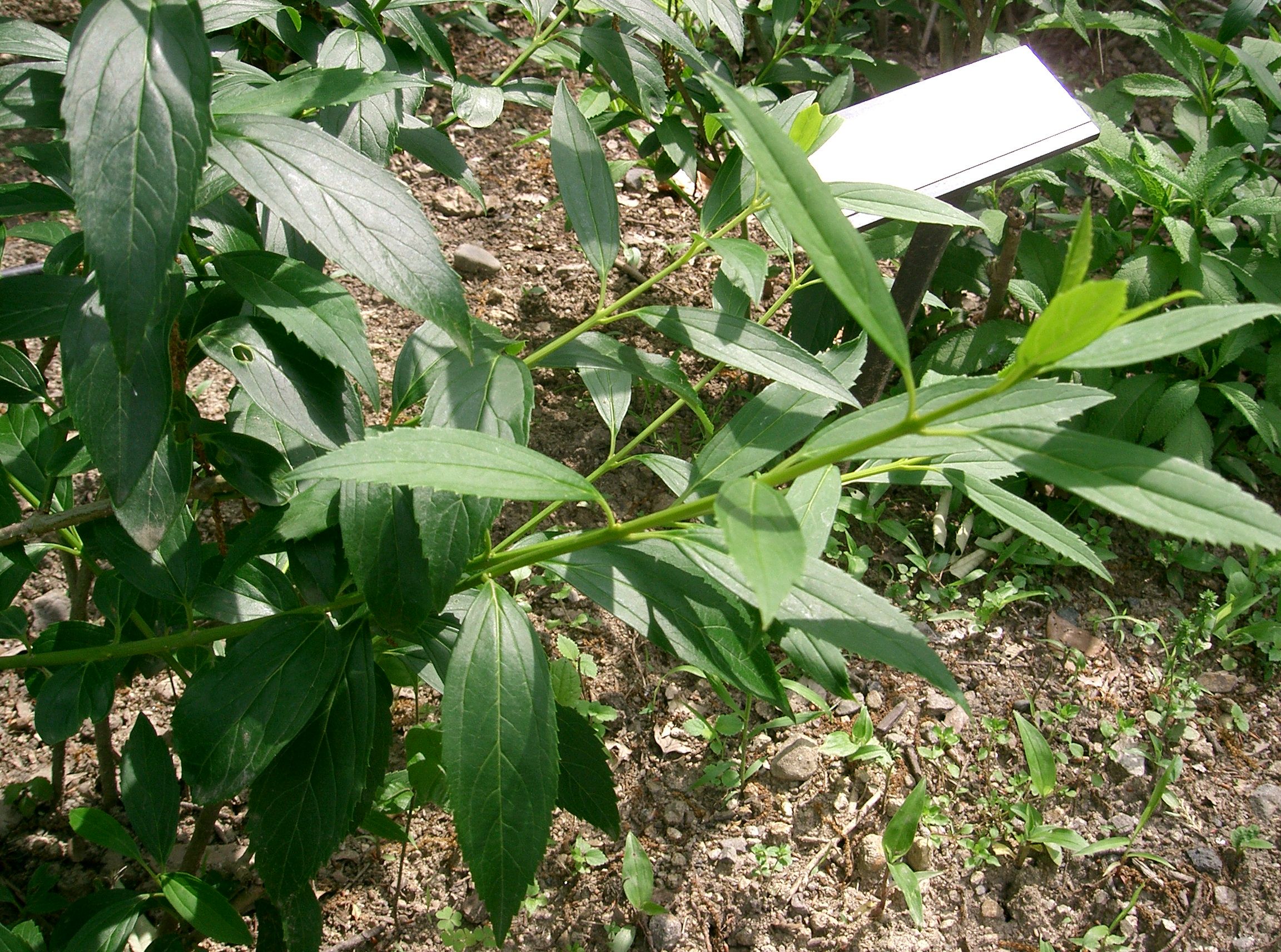
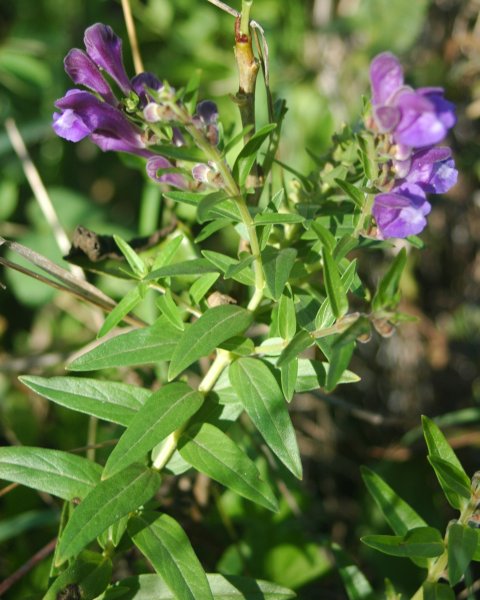
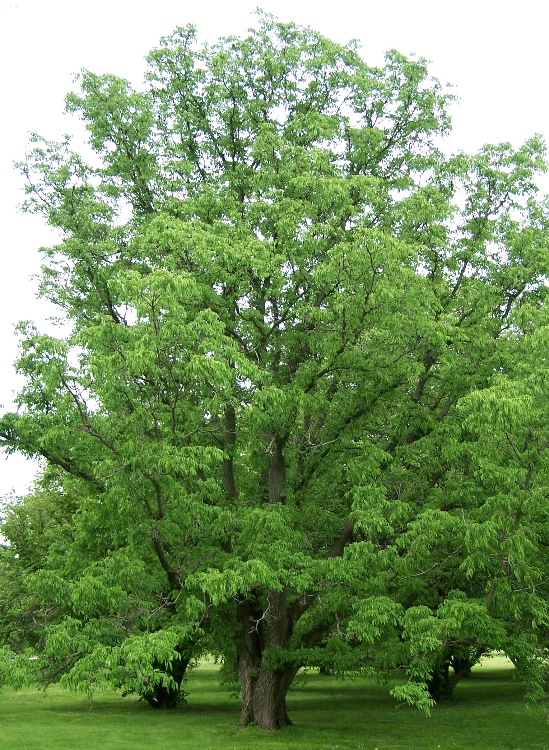
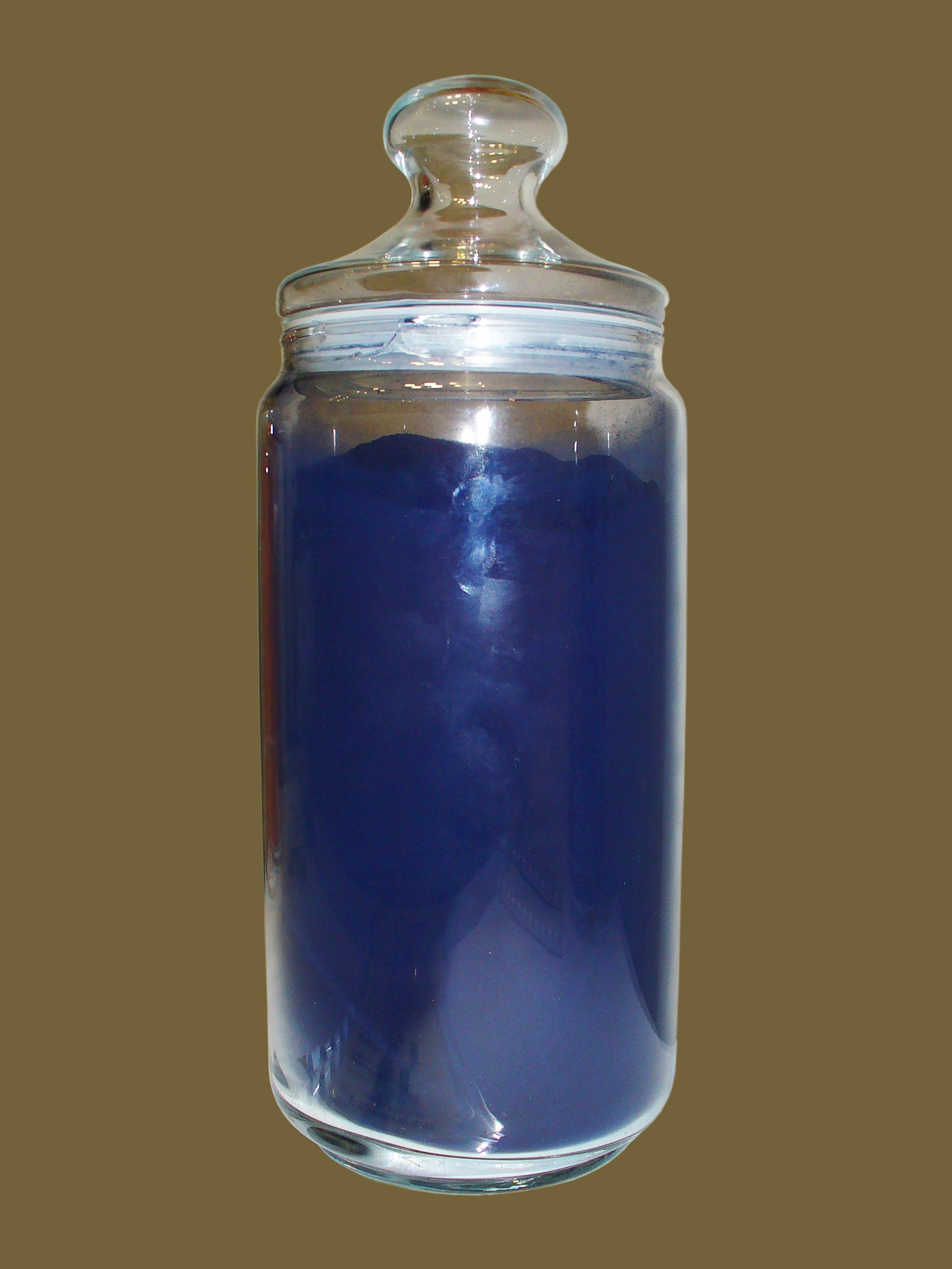
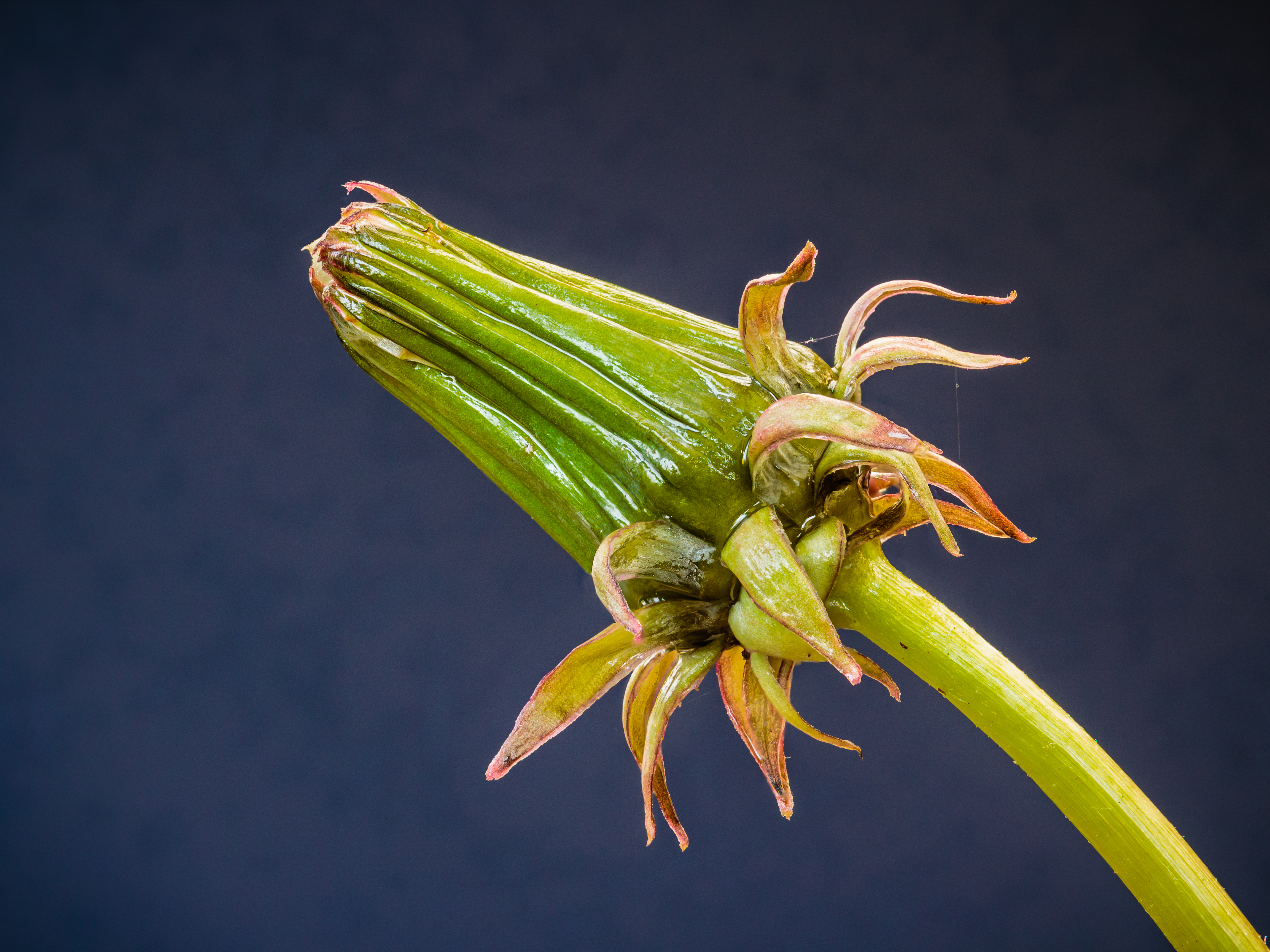
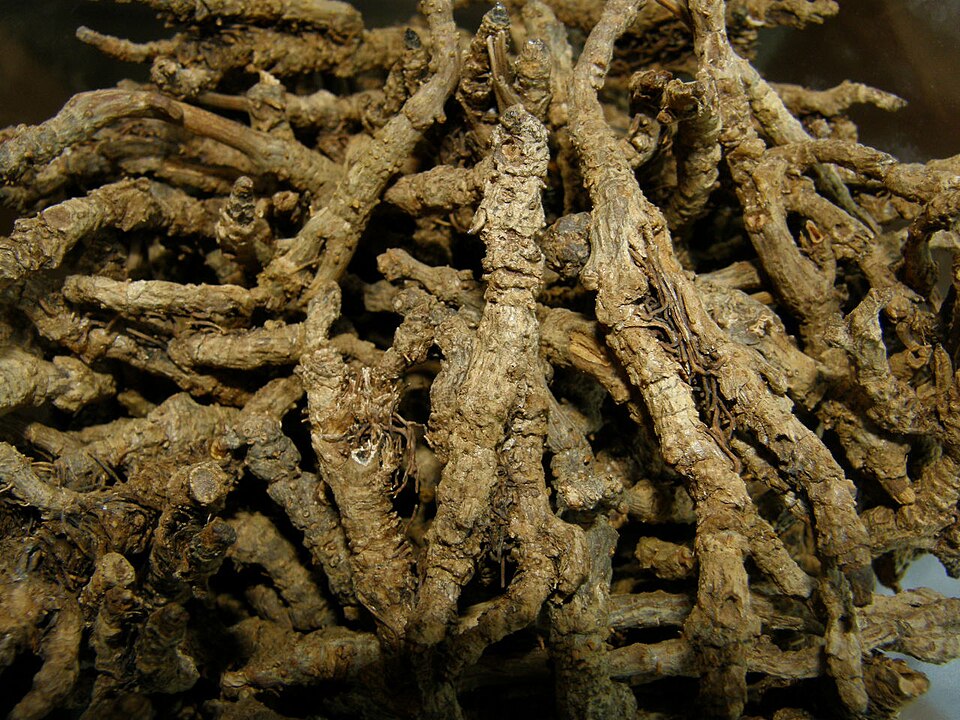
The rhizome is small, branched, and yellow inside with a very bitter taste, and Coptis species and the presence of berberine-rich extracts should be documented. The dried rhizome is small and nodular, with a yellow-brown surface and a bright yellow interior, and it stains the tongue with an intense persistent bitterness. The intense bitterness is an orientation clue, but the species and processing still need a traceable label, and extracts should state their berberine concentration.
Images are for orientation only, not definitive species authentication; confirm species, part, source, and labeling with a qualified professional or authoritative monograph.
TRADITIONAL CONTEXT
Traditional Use in Context
Traditional records discuss Coptis for intense bitter-cold heat clearing, digestive fire language, damp-heat, and heart or upper-body traditional contexts, and it is a defining ingredient of formulas aimed at heat in the digestive tract and upper body. Classical combinations such as Huang Lian Jie Du Tang (with Baical Skullcap and Amur Cork Bark) place it in heat-clearing contexts, and it appears in many formulas for diarrhea, irritability, and mouth or stomach heat, including Ban Xia Xie Xin Tang for digestive obstruction. The bitter-cold vocabulary is historical and does not establish efficacy for an infection or digestive disease, and severe diarrhea, dehydration, or fever requires medical care rather than self-treatment.
PROCESSING CONTEXT
Raw Material, Processing, and Product Form
Raw, wine-processed, ginger-processed, and dry-fried records occur in traditional practice, and processing may change the stated target. Processing does not make a concentrated extract equivalent to a slice, and each form should carry its own concentration record.
The same name can cover a raw material, decoction piece, powder, extract, or finished product, so record the labeled form rather than assuming it; see the safety review for the questions to ask.
SAFETY REVIEW
Safety Boundaries
The strong bitter-cold profile is not suitable for everyone, and pregnancy, newborn exposure, liver disease, gastrointestinal sensitivity, and medicines affected by berberine-like compounds all deserve professional review. Severe diarrhea, dehydration, or fever needs medical care, and this page is educational and is not a dose recommendation.
This record is not a dose recommendation; risk depends on identity, preparation, amount, duration, contamination, other medicines, and health conditions — a traditional or “natural” label cannot establish safety. For the full framework, read the Chinese Herbal Medicine Safety Review.
COMPARISON
How This Entry Differs
Compare Coptis Root with Baical Skullcap Root and Amur Cork Bark for bitter-cold intensity, source part, processing, and digestive tolerance. The three are classical formula partners, which makes their individual boundaries easy to blur in a product label.
Use the related-entry links below to compare identity, part, processing, and safety boundaries — similar categories do not make materials interchangeable.
STUDY METHOD
New to these entries?
Read the four-step method in How to Read a Herb Entry before comparing materials.