Herb reference entry
Baical Skullcap Root / Scutellaria Root
Baical Skullcap Root / Scutellaria Root
Scutellaria baicalensis Georgi
Reviewed by Kuda, September 2, 2026 - Editorial policy
OVERVIEW
What This Record Covers
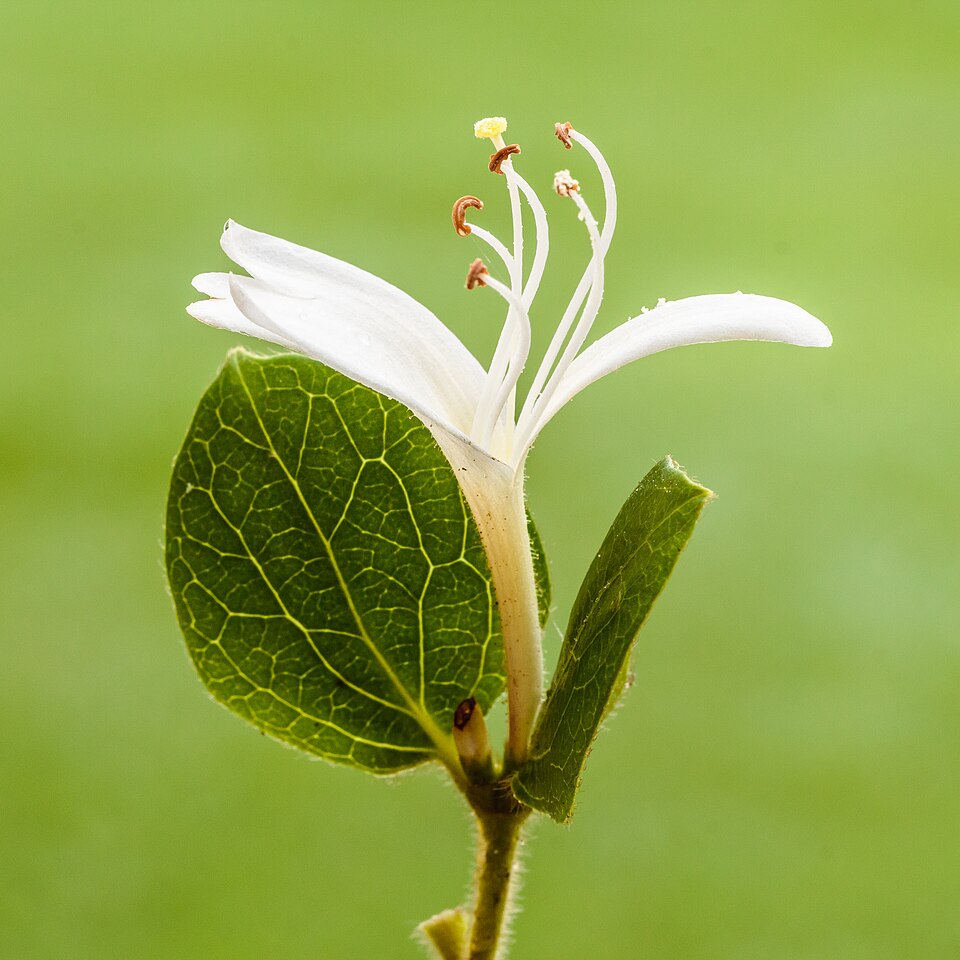
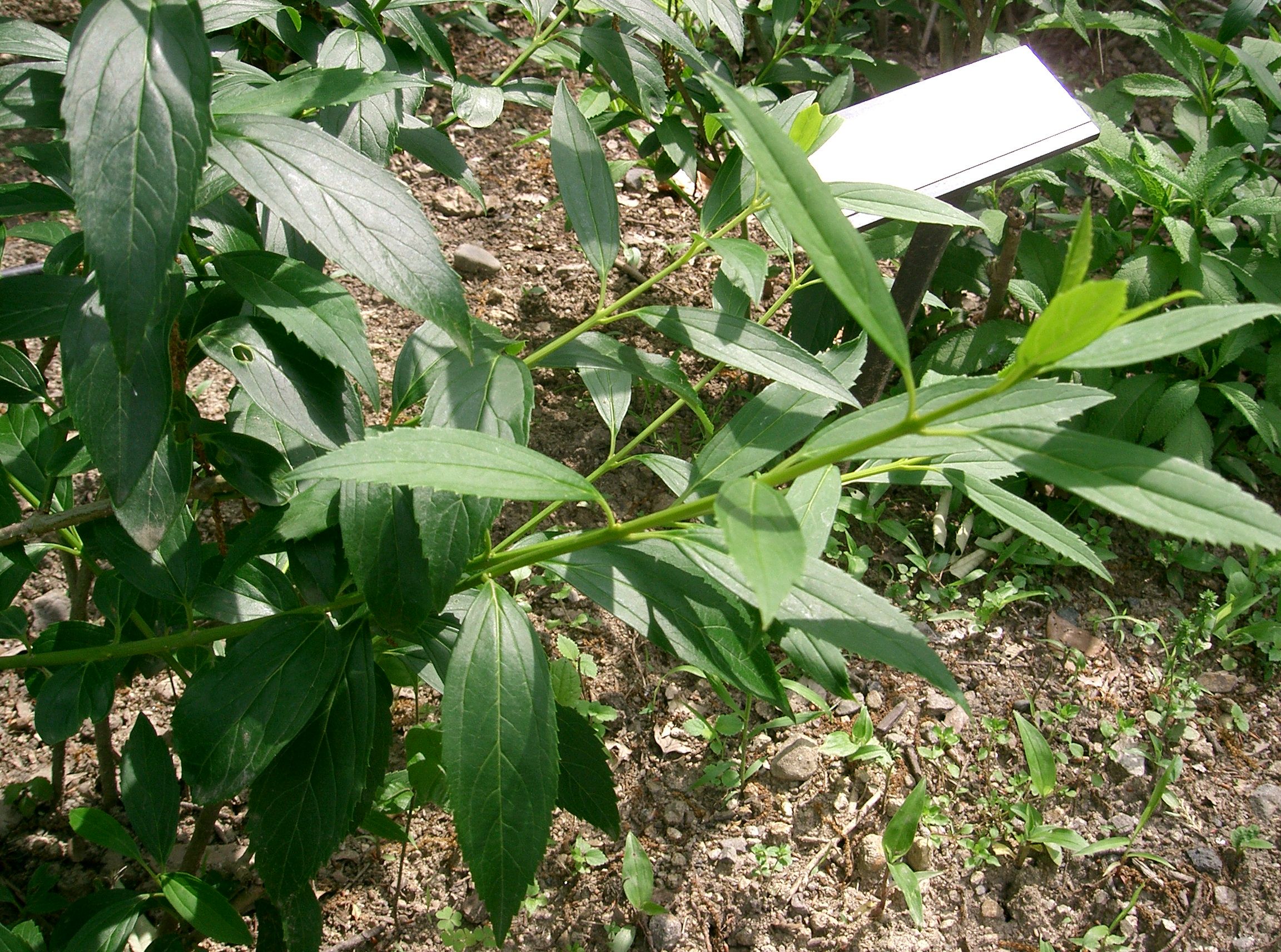
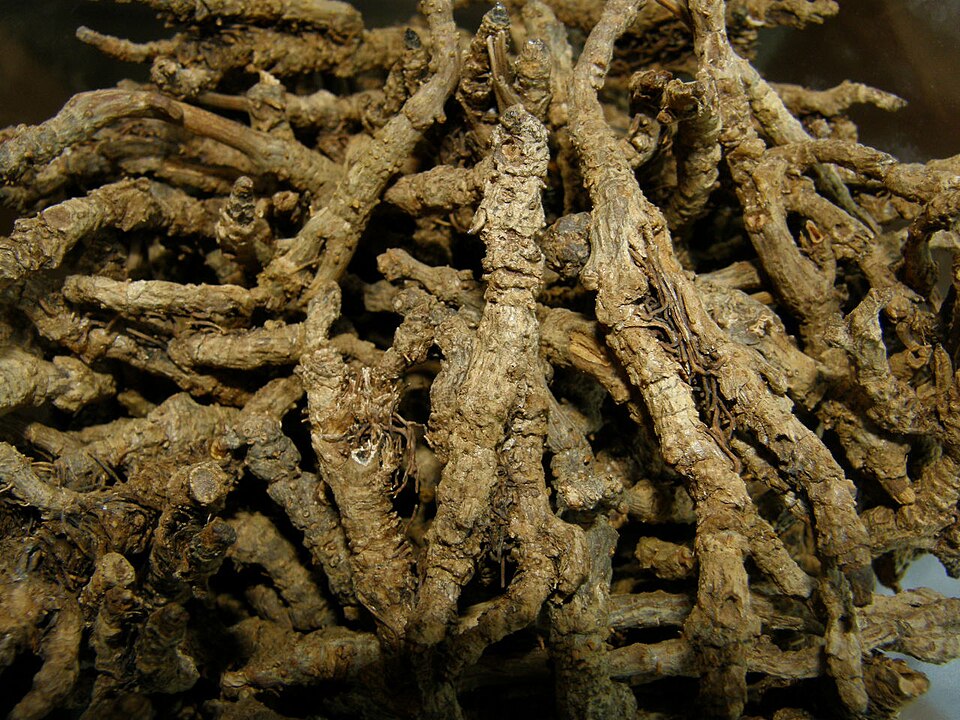
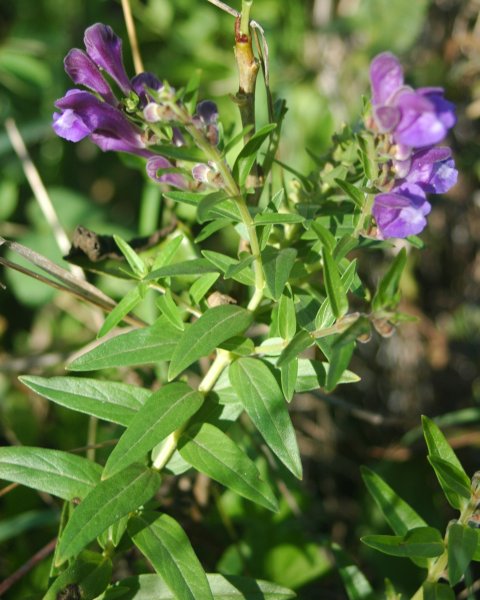
Baical Skullcap Root, called Huang Qin, is the dried root of Scutellaria baicalensis, a perennial herb of the mint family (Lamiaceae) native to dry slopes and grasslands of northern China and neighboring regions. The medicinal part is the cylindrical yellow-brown root, harvested from older plants, cleaned, and dried for use as slices. In trade it appears as root slices, powders, granules, and standardized extracts, and older roots are often hollow or divided at the center. Because several Scutellaria species are traded, the source species and the root section should accompany any product.
- English name
- Baical Skullcap Root / Scutellaria Root
- Latin name
- Scutellaria baicalensis Georgi
- Traditional category
- Heat Clearing
- Nature
- Cold
- Flavor description
- Bitter
- Record identifier
- huangqin
IDENTIFICATION
Identification and Image Notes
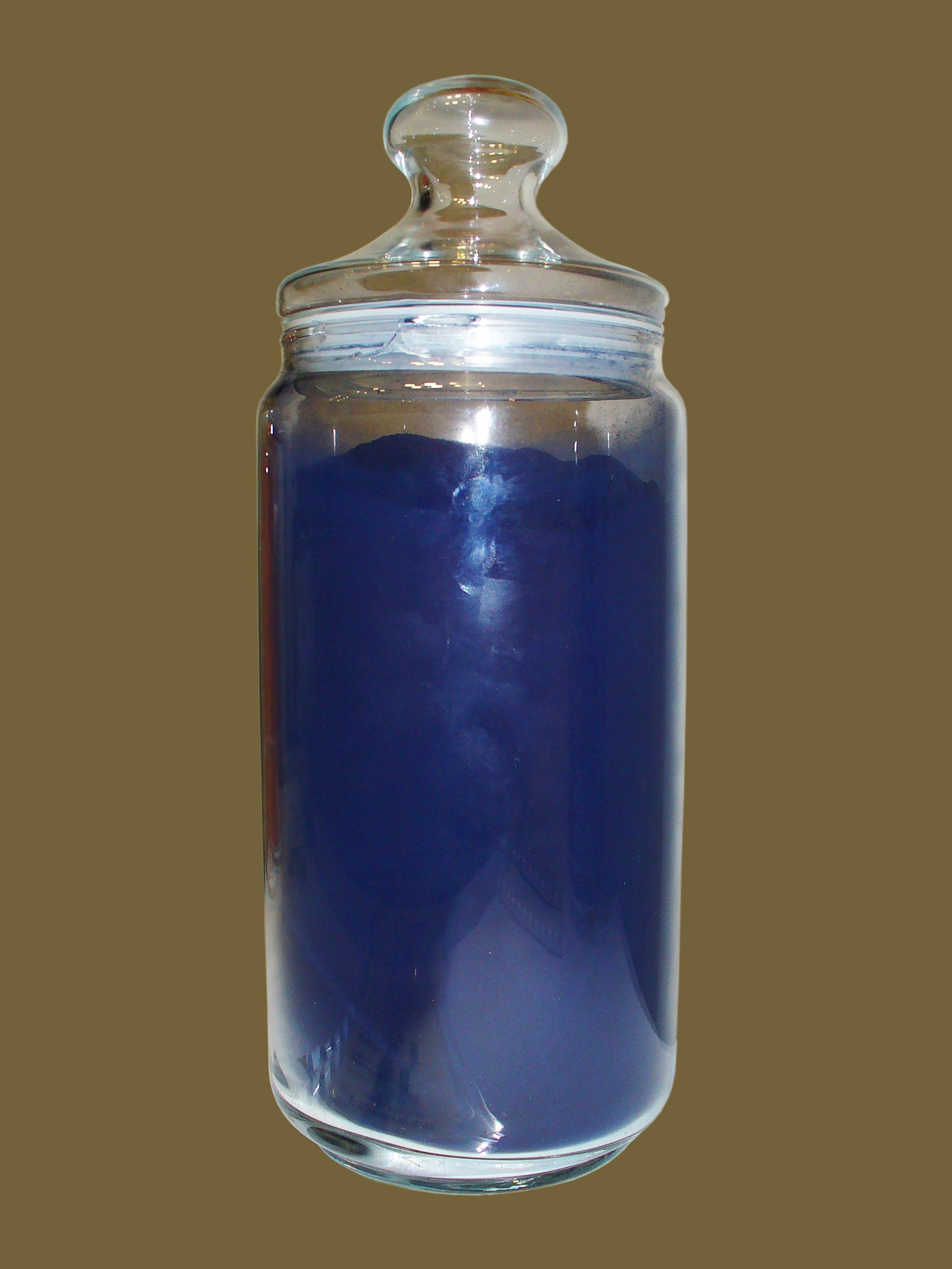
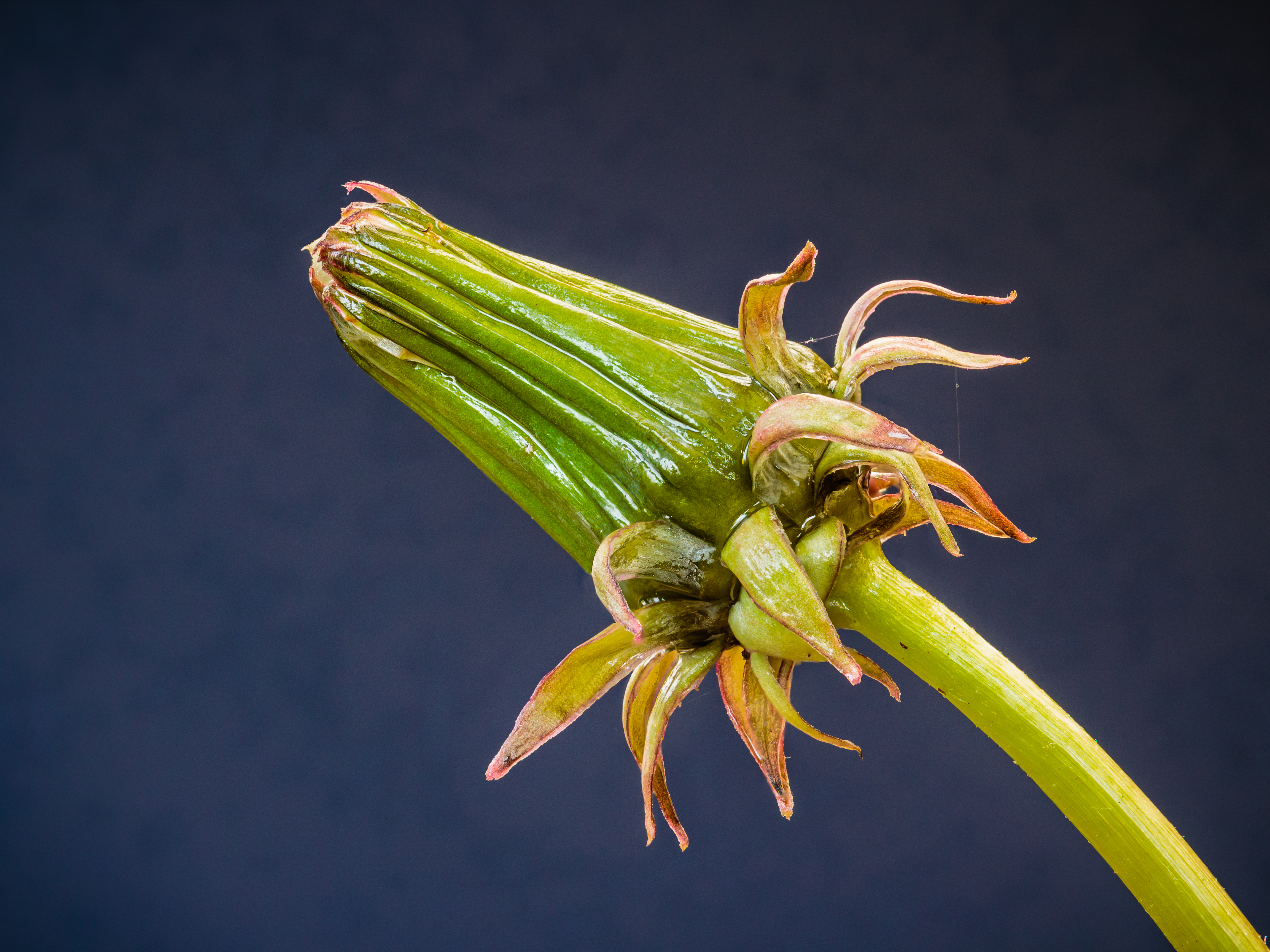
The root is cylindrical with a yellow interior and can be hollow or divided in older material, and the source species and root section should accompany an image. The dried root is firm, with a yellow-brown surface, a bright yellow cut surface, and a bitter taste, and older roots are often hollow at the center. Related Scutellaria roots look similar, so the Latin name and the slice form should be confirmed with the label.
Images are for orientation only, not definitive species authentication; confirm species, part, source, and labeling with a qualified professional or authoritative monograph.
TRADITIONAL CONTEXT
Traditional Use in Context
Traditional records discuss Baical Skullcap for heat clearing, damp-heat, respiratory and pregnancy-related historical formulas, and cooling blood language, and it is a standard ingredient in formulas aimed at fever, cough, and damp-heat in the digestive or urinary tract. It appears in combinations such as Huang Lian Jie Du Tang and Xiao Chai Hu Tang, and in many lung-heat formulas with the mulberry root bark and other cooling materials. The pregnancy-related history is a classical record, not a modern safety approval, and the heat vocabulary is historical rather than a diagnosis of an infection.
PROCESSING CONTEXT
Raw Material, Processing, and Product Form
The root is cleaned, softened, sliced, and dried, and wine processing is described for selected traditional contexts. Extracts should list standardized ingredients and concentration, because a concentrated root extract is not the same exposure as a decoction slice.
The same name can cover a raw material, decoction piece, powder, extract, or finished product, so record the labeled form rather than assuming it; see the safety review for the questions to ask.
SAFETY REVIEW
Safety Boundaries
Review liver disease, pregnancy, allergy, and combinations with sedating or hepatically metabolized medicines, and check for interactions with prescription drugs metabolized by the liver. A traditional pregnancy formula does not remove the need for professional review, and persistent fever or respiratory symptoms require medical assessment.
This record is not a dose recommendation; risk depends on identity, preparation, amount, duration, contamination, other medicines, and health conditions — a traditional or “natural” label cannot establish safety. For the full framework, read the Chinese Herbal Medicine Safety Review.
COMPARISON
How This Entry Differs
Compare Baical Skullcap Root with Coptis Root for the root pair in heat-clearing formulas, and with Anemarrhena Rhizome for the difference between pure bitter-cold clearing and fluid-supporting cooling. The three appear together frequently, which makes their roles easy to conflate.
Use the related-entry links below to compare identity, part, processing, and safety boundaries — similar categories do not make materials interchangeable.
STUDY METHOD
New to these entries?
Read the four-step method in How to Read a Herb Entry before comparing materials.