Herb reference entry
Amur Cork Tree Bark / Phellodendron Bark
Amur Cork Tree Bark / Phellodendron Bark
Phellodendron chinense C.K.Schneid.
Reviewed by Kuda, September 2, 2026 - Editorial policy
OVERVIEW
What This Record Covers
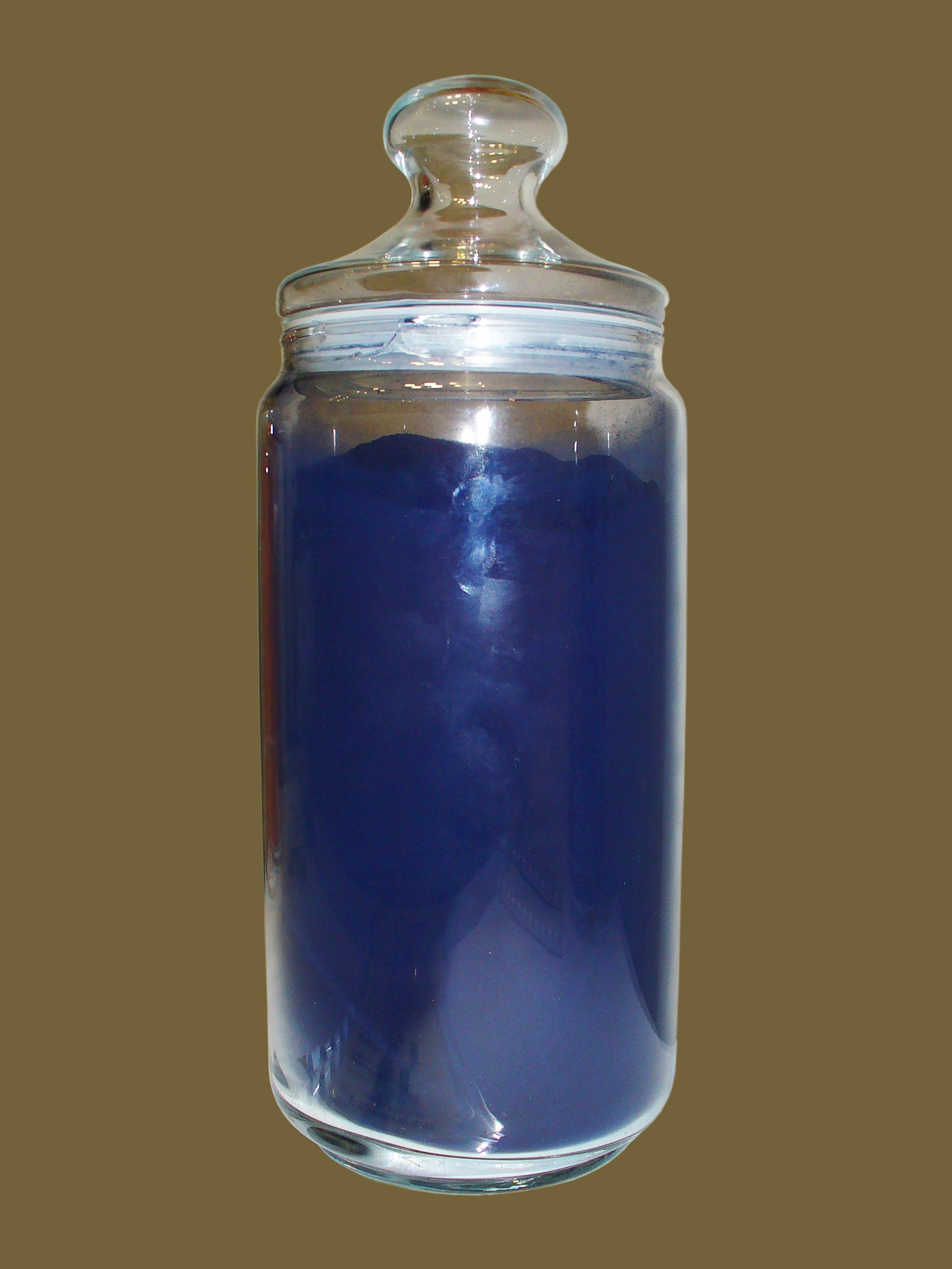
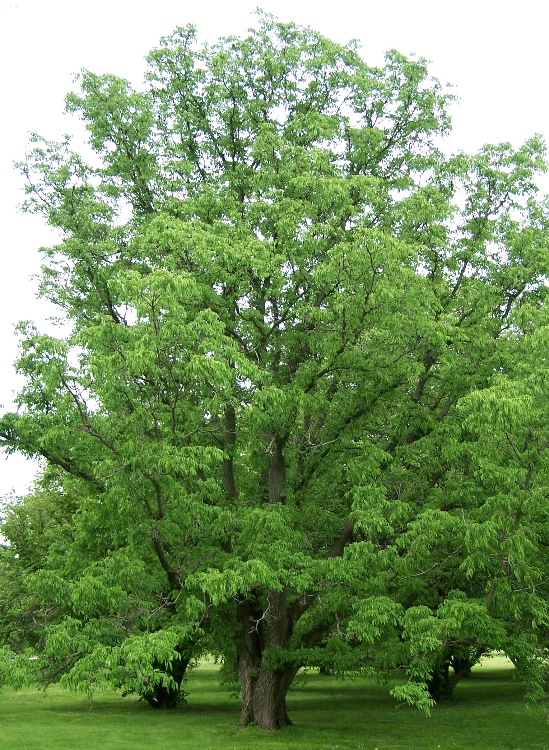
Amur Cork Tree Bark, called Huang Bai, is the dried inner bark of Phellodendron species, including Phellodendron chinense, a tall tree of the rue family (Rutaceae) native to forests of central and northern China. The medicinal material is the yellow inner bark revealed after the rough outer bark is removed, and it is scraped, cut, and dried for use as strips or slices. In trade it appears as bark strips, slices, powders, and topical preparations, and the bark layer, the tree species, and substitution are key quality questions. Because the bark is intensely yellow and bitter, it is sometimes used as a dye as well as a materia medica ingredient.
- English name
- Amur Cork Tree Bark / Phellodendron Bark
- Latin name
- Phellodendron chinense C.K.Schneid.
- Traditional category
- Heat Clearing
- Nature
- Cold
- Flavor description
- Bitter
- Record identifier
- huangbo
IDENTIFICATION
Identification and Image Notes
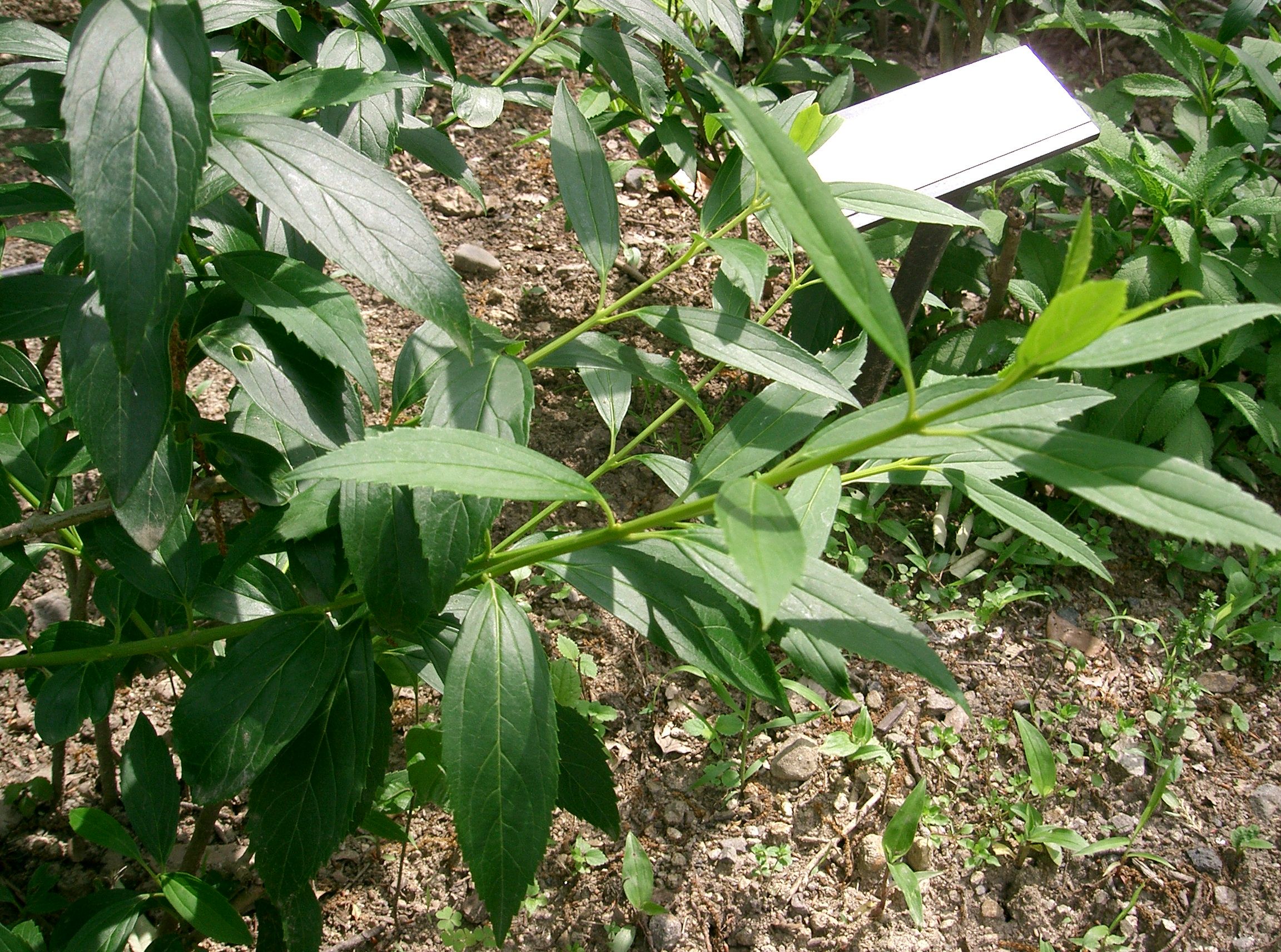
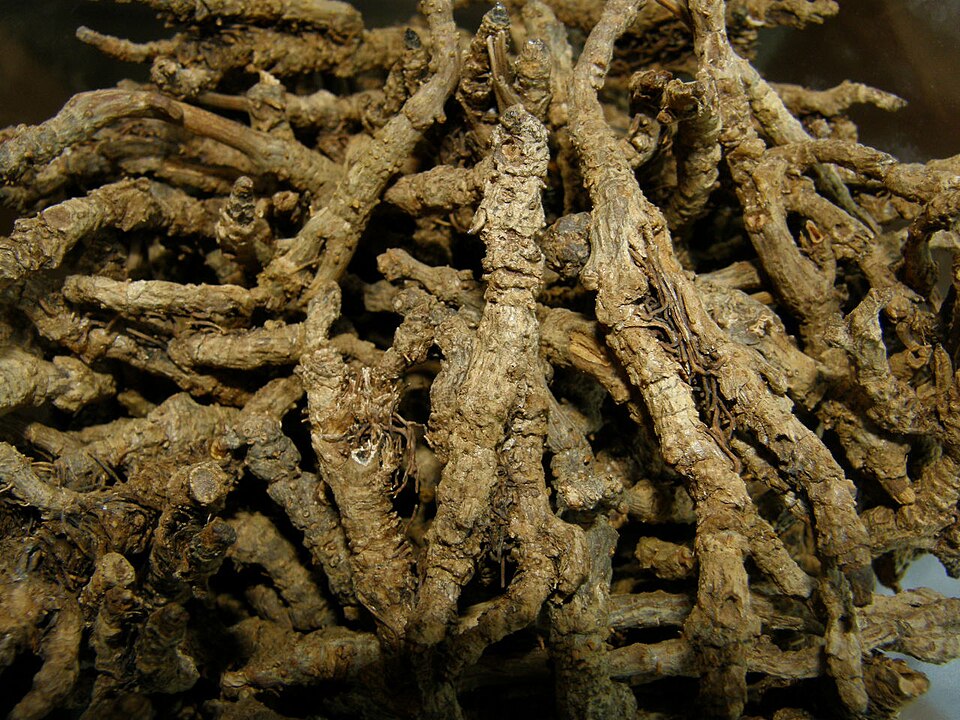
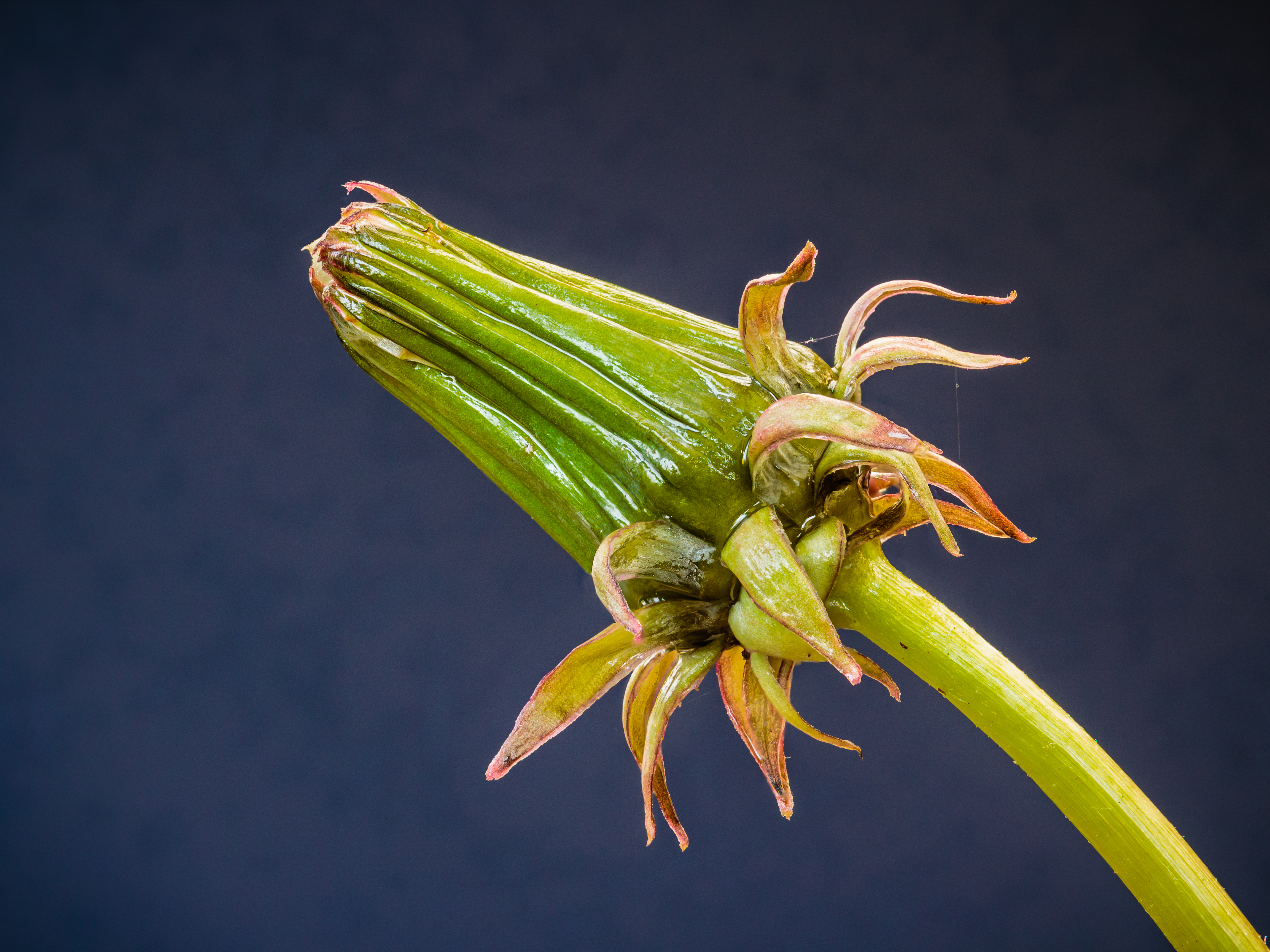
The medicinal material is yellow inner bark after the rough outer bark is removed, and Phellodendron species, bark layer, and substitution are key quality questions. The bright yellow color is an orientation clue, but the tree species and the inner-bark identity should be confirmed with the label.
Images are for orientation only, not definitive species authentication; confirm species, part, source, and labeling with a qualified professional or authoritative monograph.
TRADITIONAL CONTEXT
Traditional Use in Context
Traditional records discuss Amur Cork Bark for damp-heat in the lower body, and for skin, urinary, and digestive descriptions, with a strongly bitter-cold profile, and it appears in formulas aimed at urinary discomfort, skin eruptions, and damp-heat digestive presentations. Classical texts describe it for heat-damp conditions of the lower body and skin, always within a pattern-based framework. The damp-heat vocabulary is historical and cannot establish the cause of urinary, skin, or genital symptoms, and persistent symptoms require clinical assessment rather than a traditional label.
PROCESSING CONTEXT
Raw Material, Processing, and Product Form
Bark is scraped, cut, and dried, and salt processing may be used in some records. Powder and topical products should not be assumed to have the same exposure as an internal preparation, and each form should carry its own record.
The same name can cover a raw material, decoction piece, powder, extract, or finished product, so record the labeled form rather than assuming it; see the safety review for the questions to ask.
SAFETY REVIEW
Safety Boundaries
Review pregnancy, diarrhea, digestive sensitivity, liver disease, and topical allergy, and check for interactions with medicines affected by berberine-like compounds. A damp-heat label cannot establish the cause of urinary, skin, or genital symptoms, and persistent or worsening symptoms need ordinary medical assessment.
This record is not a dose recommendation; risk depends on identity, preparation, amount, duration, contamination, other medicines, and health conditions — a traditional or “natural” label cannot establish safety. For the full framework, read the Chinese Herbal Medicine Safety Review.
COMPARISON
How This Entry Differs
Compare Amur Cork Tree Bark with Coptis Root and Chinese Gentian for bitter-cold intensity, botanical part, target language, and dryness. The three are the classical bitter-cold trio, and their shared intensity makes the differences in plant part and target especially important.
Use the related-entry links below to compare identity, part, processing, and safety boundaries — similar categories do not make materials interchangeable.
STUDY METHOD
New to these entries?
Read the four-step method in How to Read a Herb Entry before comparing materials.