Herb reference entry
Honeysuckle Flower
Honeysuckle Flower
Lonicera japonica Thunb.
Reviewed by Kuda, September 2, 2026 - Editorial policy
OVERVIEW
What This Record Covers
Honeysuckle Flower, called Jin Yin Hua, is the dried flower buds of Lonicera japonica, a twining woody climber of the honeysuckle family (Caprifoliaceae) native to eastern Asia and naturalized widely. The medicinal material consists of slender, tubular buds harvested just before they open, when they are white, and the dried buds are yellowish-white with a faint sweet scent. In trade it appears as loose dried buds, cut material, tea bags, powders, granules, and combined cold formulas. Because the buds are small and the flower stage matters, Lonicera species, harvest timing, and storage condition are part of the identity record.
- English name
- Honeysuckle Flower
- Latin name
- Lonicera japonica Thunb.
- Traditional category
- Heat Clearing
- Nature
- Cold
- Flavor description
- Sweet
- Record identifier
- jinyinhua
IDENTIFICATION
Identification and Image Notes
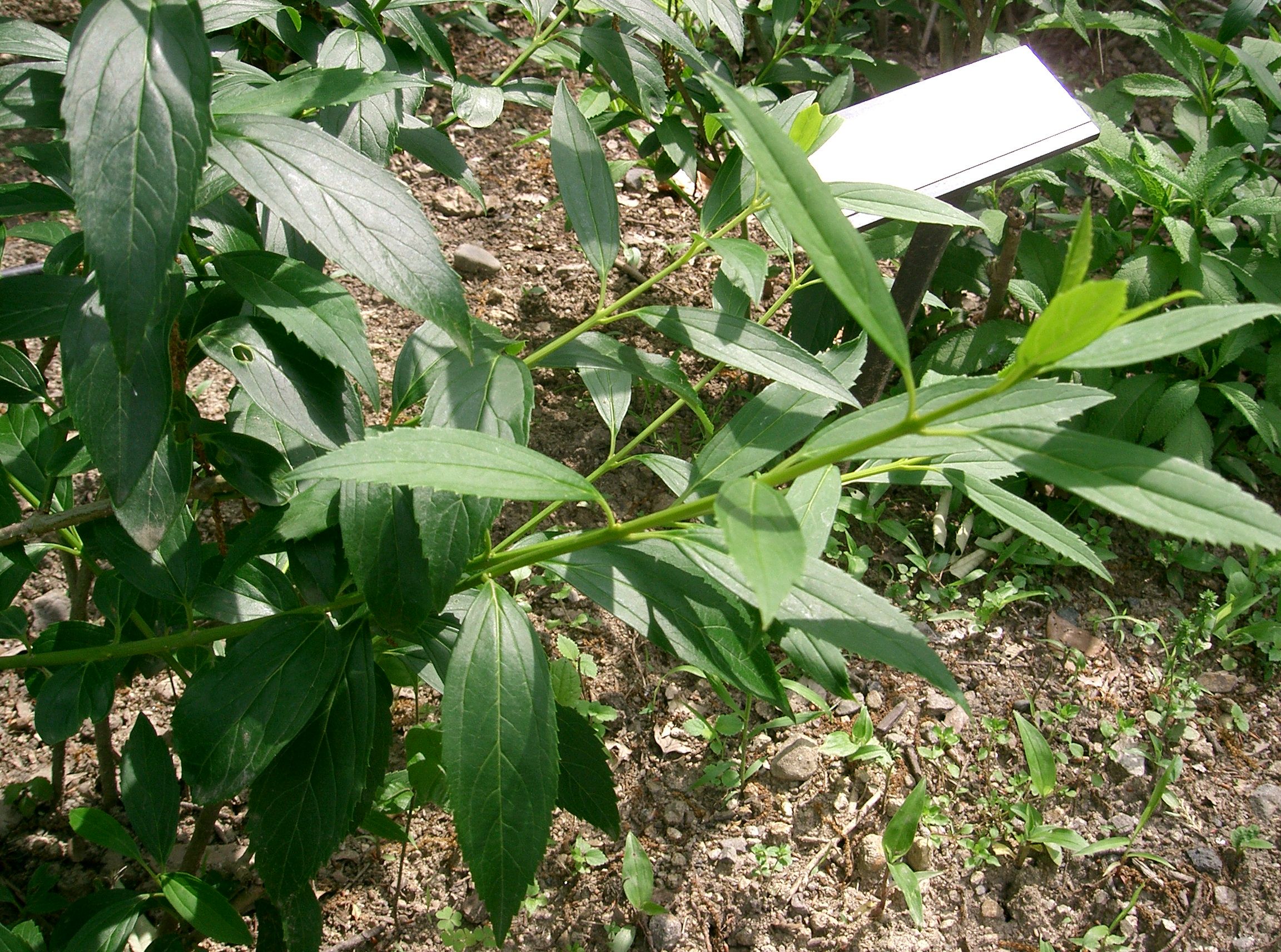
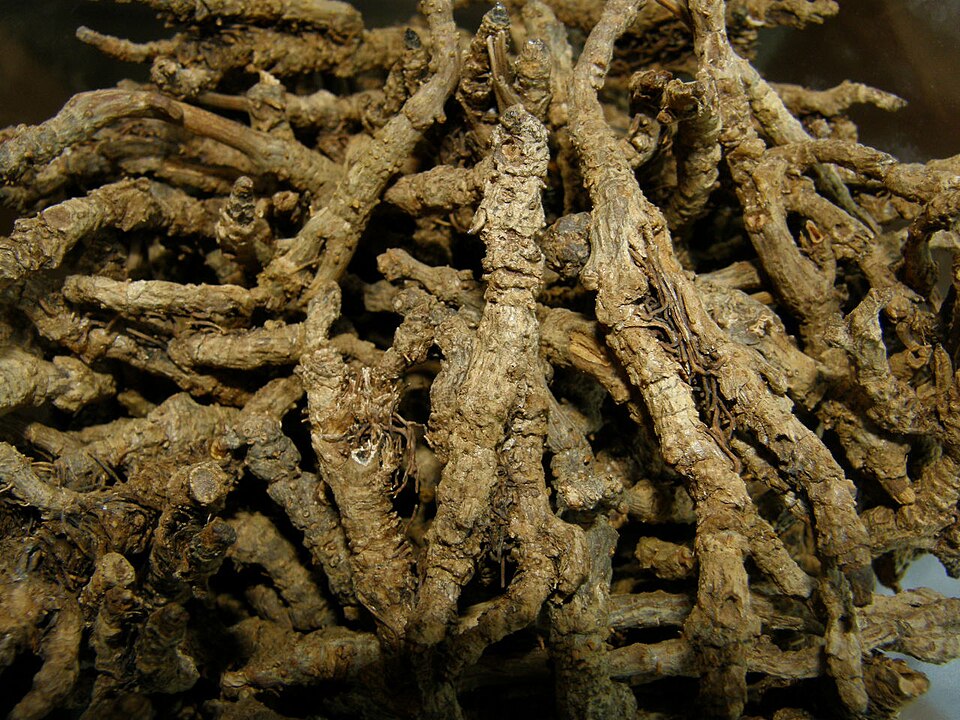
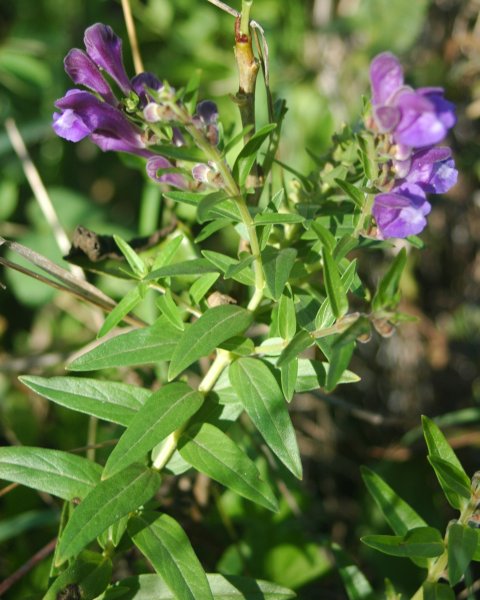
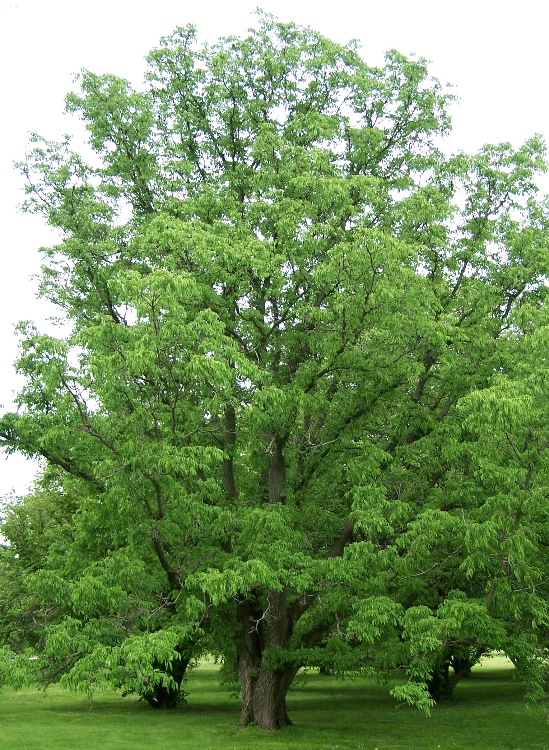
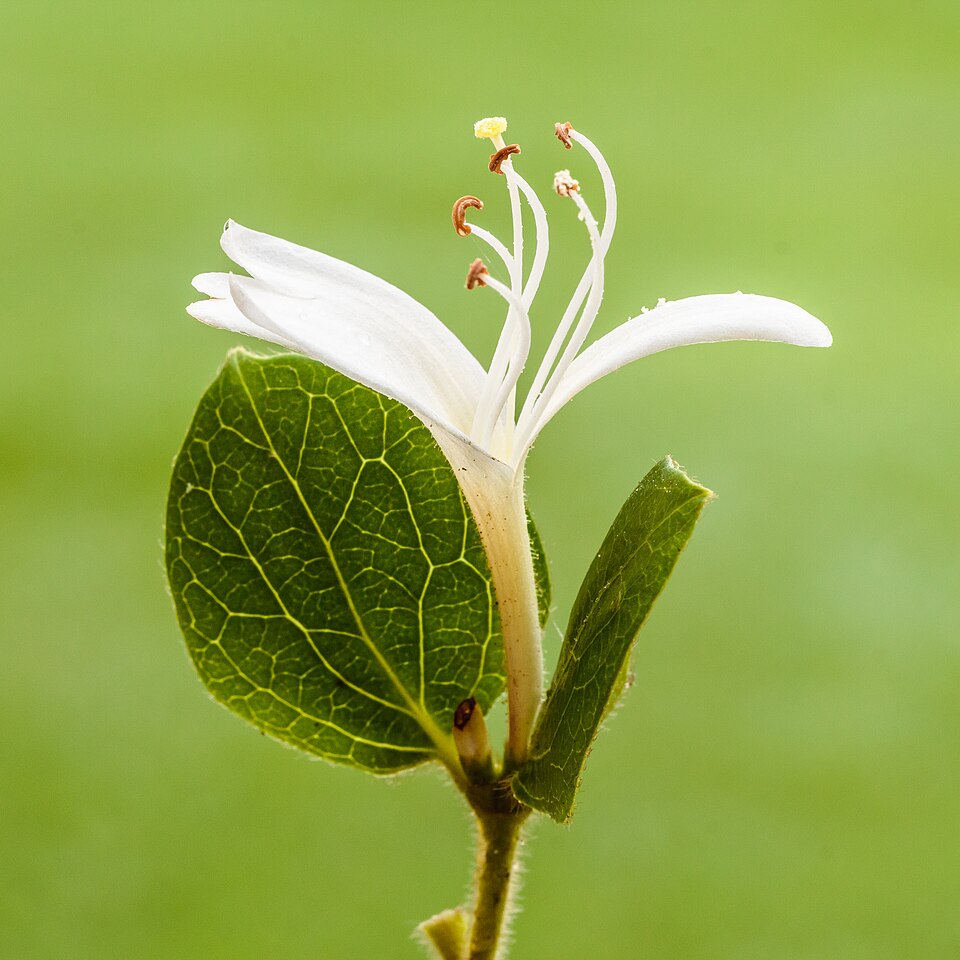
The buds are slender, tubular, and initially white before turning yellow, and Lonicera species and flower stage affect identity and quality. The dried buds are thin, curved, and pale yellow, about two centimeters long, with a faint sweet scent and a delicate texture. Buds, opened flowers, leaves, and stems are different materials, and the label should state which part is present, since the opened flower and the leaf are separate records.
Images are for orientation only, not definitive species authentication; confirm species, part, source, and labeling with a qualified professional or authoritative monograph.
TRADITIONAL CONTEXT
Traditional Use in Context
Traditional records discuss Honeysuckle for heat and inflammation language, throat and skin-related records, and early-stage exterior or toxicity discussions, and it is a standard ingredient in classical formulas aimed at fever, sore throat, skin eruptions, and swollen conditions. It appears in combinations such as Yin Qiao San (with Forsythia Fruit) and in heat-clearing formulas for the early stages of seasonal illness, and it is paired with Dandelion and Forsythia in swelling-related records. Classical texts describe it for heat-toxin presentations, always within a pattern-based framework. The “clearing heat” vocabulary is historical and cannot explain a fever, infection, or worsening throat symptom, and persistent fever requires medical evaluation.
PROCESSING CONTEXT
Raw Material, Processing, and Product Form
Buds are harvested before full opening and dried in shade or controlled conditions to preserve the flower structure. Tea bags, powders, granules, and extracts may differ in concentration and added ingredients, and each form should be recorded separately.
The same name can cover a raw material, decoction piece, powder, extract, or finished product, so record the labeled form rather than assuming it; see the safety review for the questions to ask.
SAFETY REVIEW
Safety Boundaries
Review allergy, diarrhea, pregnancy, and combined cold products, and check the full ingredient list of any multi-herb preparation. A traditional heat phrase does not replace an infection assessment, and fever, worsening throat symptoms, or breathing difficulty needs ordinary medical care.
This record is not a dose recommendation; risk depends on identity, preparation, amount, duration, contamination, other medicines, and health conditions — a traditional or “natural” label cannot establish safety. For the full framework, read the Chinese Herbal Medicine Safety Review.
COMPARISON
How This Entry Differs
Compare Honeysuckle Flower with Forsythia Fruit for the bud-versus-fruit pair in classical cold formulas, and with Dandelion for the whole-herb end of the heat vocabulary. Honeysuckle is distinguished by its early-harvest bud identity and its frequent appearance in seasonal formulas.
Use the related-entry links below to compare identity, part, processing, and safety boundaries — similar categories do not make materials interchangeable.
STUDY METHOD
New to these entries?
Read the four-step method in How to Read a Herb Entry before comparing materials.