Herb reference entry
Tangerine Peel / Dried Citrus Peel
Tangerine Peel / Dried Citrus Peel
Citrus reticulata Blanco
Reviewed by Kuda, September 2, 2026 - Editorial policy
OVERVIEW
What This Record Covers
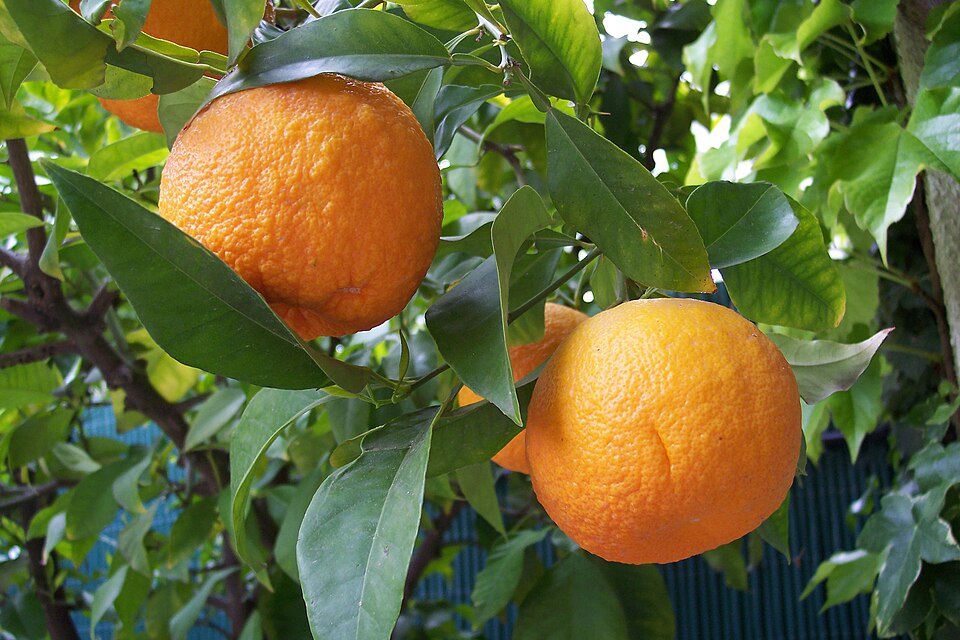
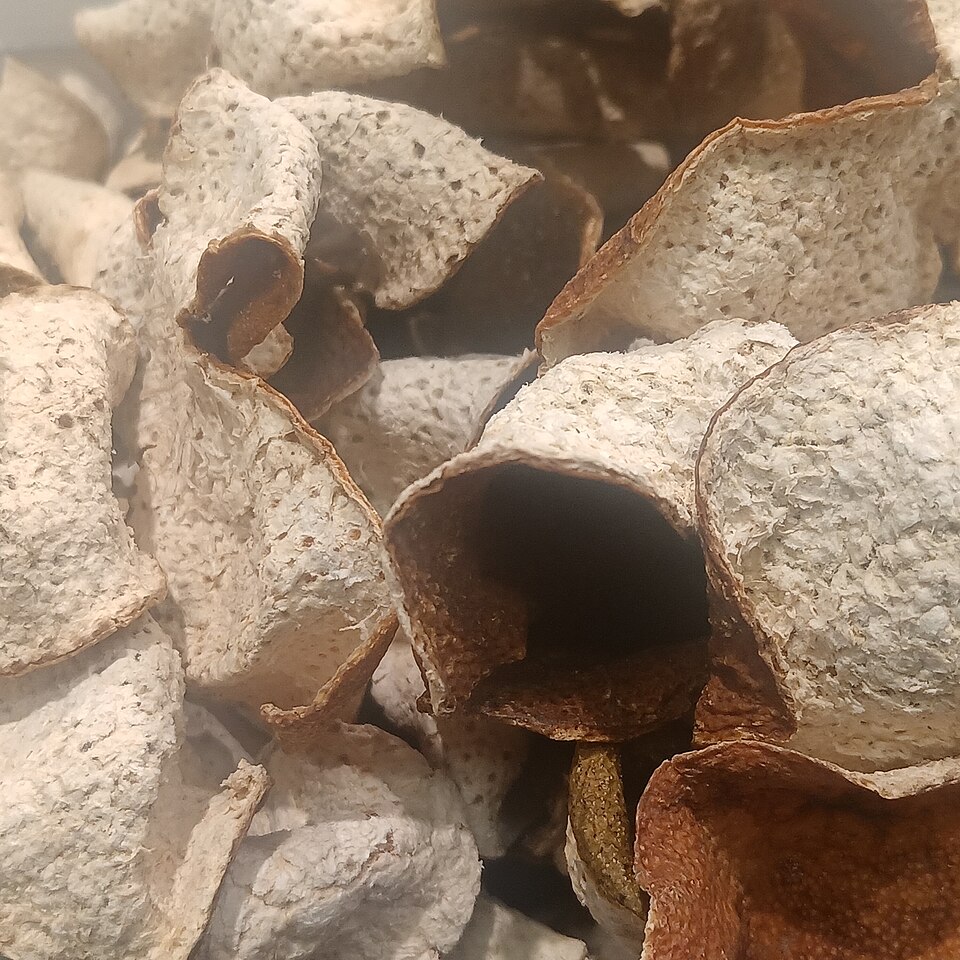
Tangerine Peel, called Chen Pi, is the aged dried peel of Citrus reticulata and accepted tangerine cultivars, an evergreen citrus tree of the rue family (Rutaceae) cultivated across southern China. The medicinal material is the outer peel of the fruit, which is orange-brown, curled, and strongly aromatic, with oil glands visible on the surface, and it is dried and aged under controlled storage. In trade it appears as dried peel pieces, powders, granules, and combined formulas, and fruit variety, peel age, and storage determine the grade. A fresh zest, an essential oil, a candy, and an aged medicinal peel are different products even when they come from the same fruit.
- English name
- Tangerine Peel / Dried Citrus Peel
- Latin name
- Citrus reticulata Blanco
- Traditional category
- Qi Regulating
- Nature
- Warm
- Flavor description
- Pungent, Bitter
- Record identifier
- chenpi
IDENTIFICATION
Identification and Image Notes
The peel is orange-brown, curled, and aromatic, with oil glands visible on the outer surface, and fruit variety, peel age, and storage determine the record. The aged peel is darker, drier, and more fragrant than fresh zest, with a slightly bitter note alongside the citrus sweetness. The aged peel is darker and more fragrant than fresh zest, and the label should state the peel age and the source cultivar, since fresh and aged peels are different records.
Images are for orientation only, not definitive species authentication; confirm species, part, source, and labeling with a qualified professional or authoritative monograph.
TRADITIONAL CONTEXT
Traditional Use in Context
Traditional records discuss Tangerine Peel for regulating qi, transforming phlegm, digestive fullness, and directing rebellious stomach movement, and it is a standard ingredient in formulas aimed at digestion and dampness, including Er Chen Tang for phlegm and Ping Wei San for dampness. Classical texts describe it for abdominal fullness, poor digestion, and nausea, always within a pattern-based framework. The qi-moving vocabulary is historical and does not explain persistent abdominal pain or vomiting, which requires clinical assessment rather than a traditional label.
PROCESSING CONTEXT
Raw Material, Processing, and Product Form
Fresh peel is cleaned and dried, then aged under controlled storage in traditional practice, and a fresh zest, essential oil, candy, and aged medicinal peel are different products. Each form has a different aroma and exposure profile.
The same name can cover a raw material, decoction piece, powder, extract, or finished product, so record the labeled form rather than assuming it; see the safety review for the questions to ask.
SAFETY REVIEW
Safety Boundaries
Review citrus allergy, reflux, digestive irritation, pregnancy, and products with concentrated volatile oils, and check the ingredients of any candied or sweetened product. A qi-moving label does not explain persistent abdominal pain or vomiting, and severe or recurrent symptoms need medical assessment.
This record is not a dose recommendation; risk depends on identity, preparation, amount, duration, contamination, other medicines, and health conditions — a traditional or “natural” label cannot establish safety. For the full framework, read the Chinese Herbal Medicine Safety Review.
COMPARISON
How This Entry Differs
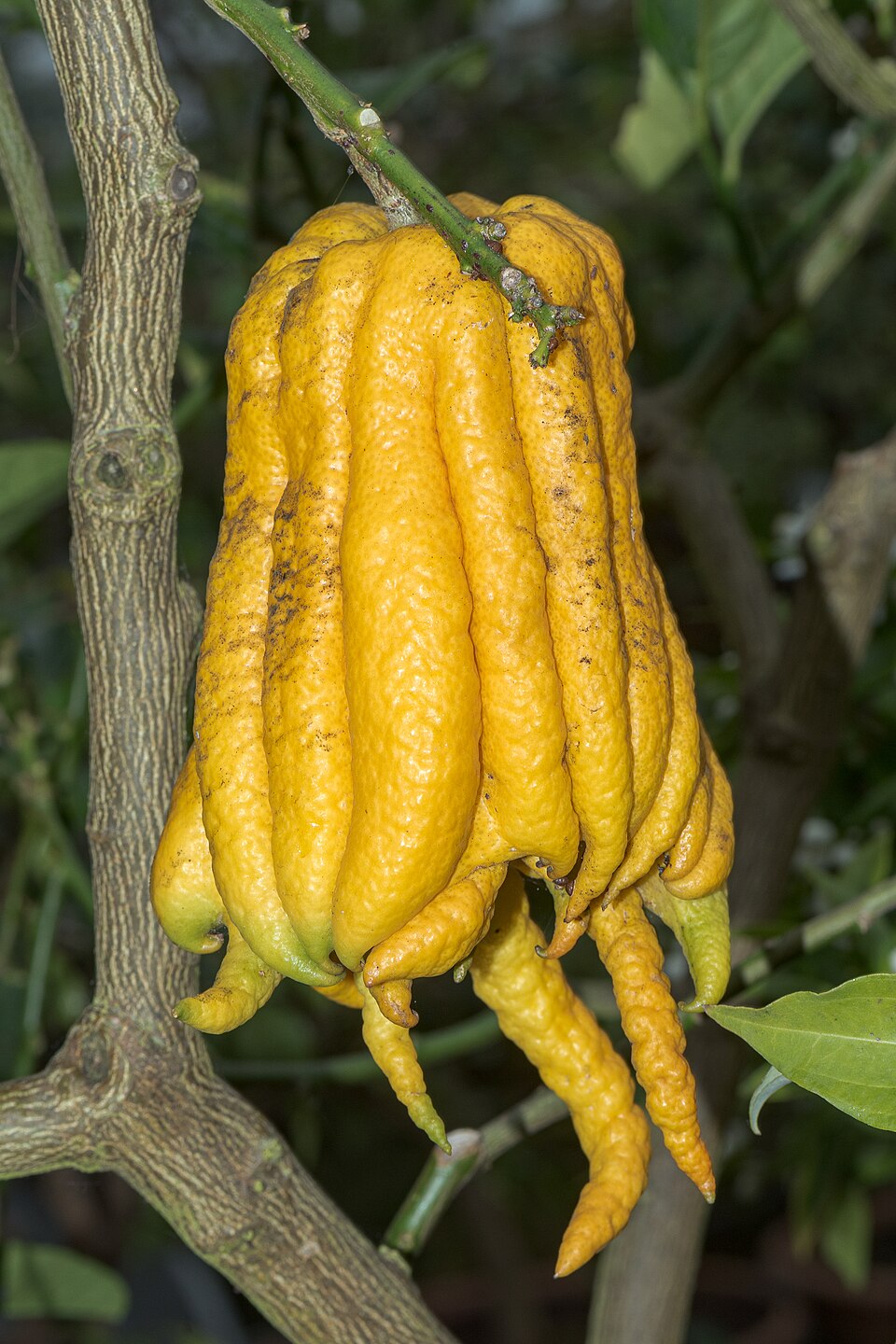
Compare Tangerine Peel with Immature Bitter Orange for the peel-versus-immature-fruit difference, and with Buddha’s Hand for the mature-fruit end of the citrus vocabulary. Tangerine Peel is the most aged and most frequently used of the three.
Use the related-entry links below to compare identity, part, processing, and safety boundaries — similar categories do not make materials interchangeable.
STUDY METHOD
New to these entries?
Read the four-step method in How to Read a Herb Entry before comparing materials.