Herb reference entry
Buddha's Hand / Fingered Citron
Buddha's Hand / Fingered Citron
Citrus medica L. var. sarcodactylis Swingle
Reviewed by Kuda, September 2, 2026 - Editorial policy
OVERVIEW
What This Record Covers
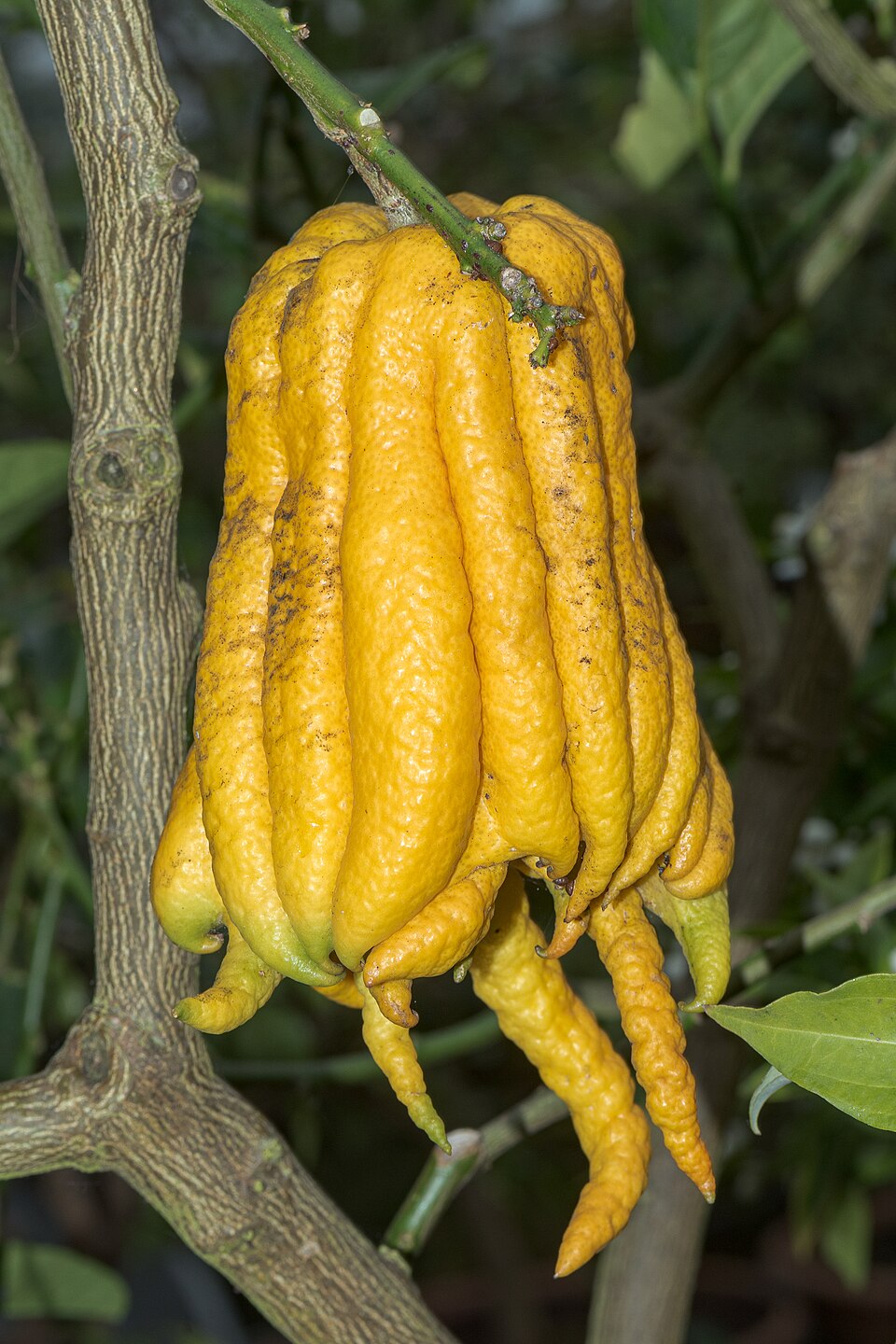
Buddha’s Hand, called Fo Shou, is the dried fruit of Citrus medica var. sarcodactylis, the fingered citron, an evergreen citrus tree of the rue family (Rutaceae) cultivated in warm regions of southern China. The fruit is unusual in that it splits into finger-like segments and has a strong lemon-like aroma, and it is sliced and dried for medicinal use. In trade it appears as dried fruit slices, whole dried fruit, teas, powders, and extracts, and fresh culinary fingered citron, dried fruit, peel, and essential oil are different forms. The label should state the fruit form and any added ingredients such as salt or honey.
- English name
- Buddha's Hand / Fingered Citron
- Latin name
- Citrus medica L. var. sarcodactylis Swingle
- Traditional category
- Qi Regulating
- Nature
- Warm
- Flavor description
- Pungent, Bitter
- Record identifier
- foshou
IDENTIFICATION
Identification and Image Notes
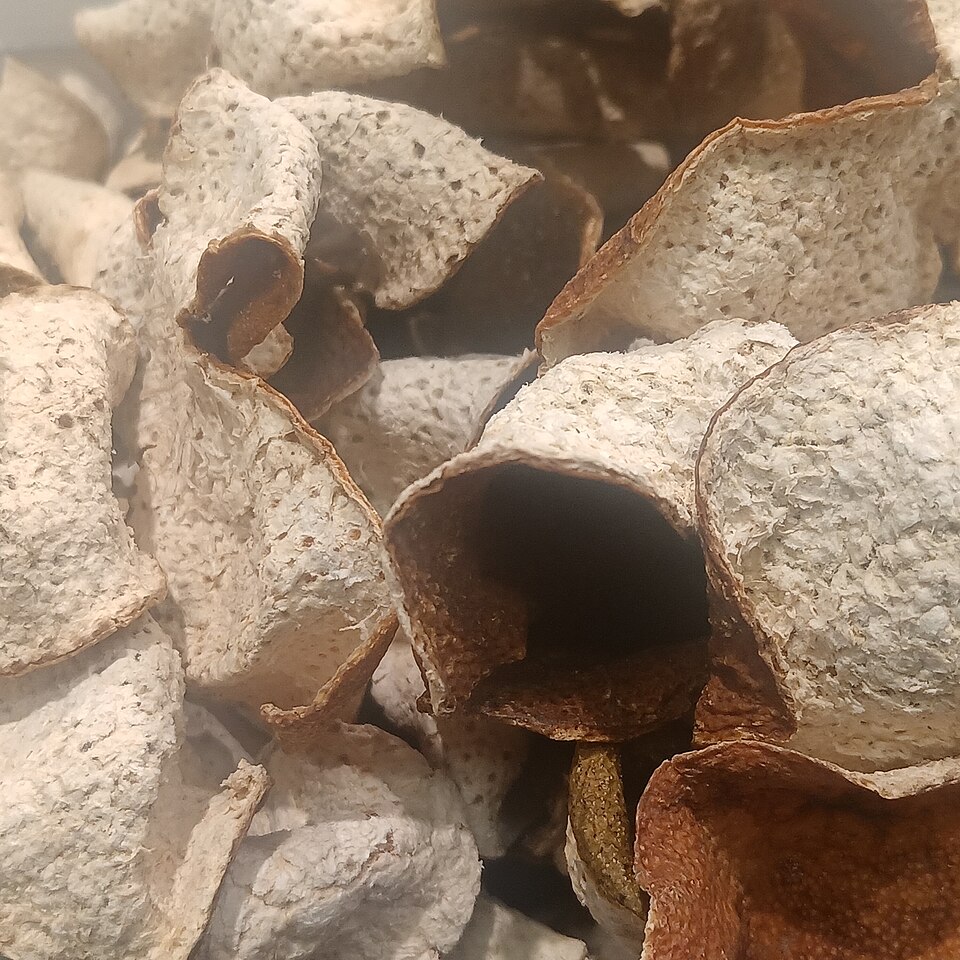
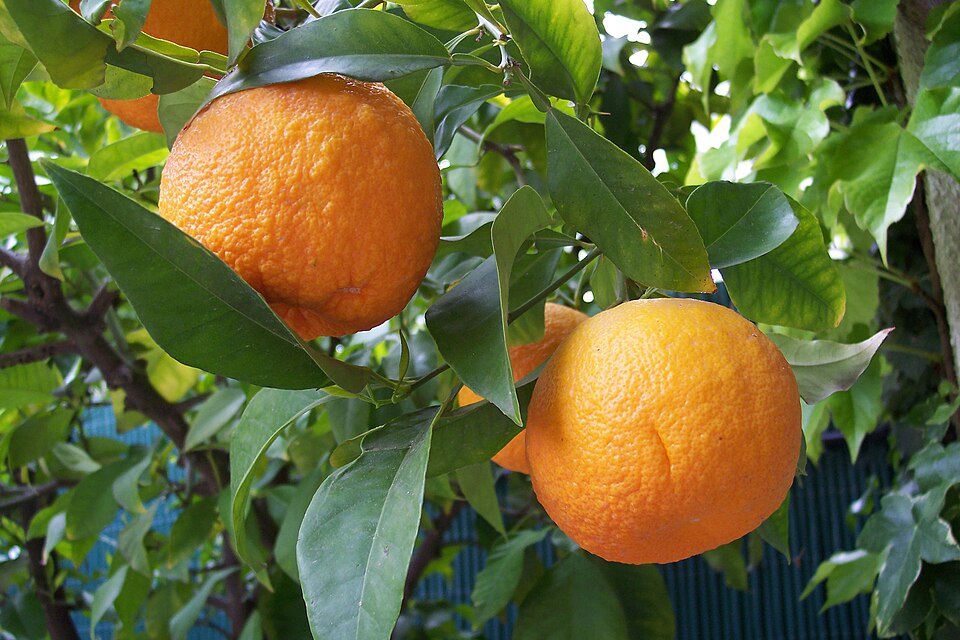
The fruit has finger-like segments and a strong citrus aroma, and fresh culinary fingered citron, dried fruit, peel, and essential oil are different forms. The dried slices are pale yellow with visible oil glands and retain a lemon-like scent that fades with age and heat. The finger-like shape is distinctive, but the species and the dried form should be confirmed with the label, and candied or salt-preserved products are separate records.
Images are for orientation only, not definitive species authentication; confirm species, part, source, and labeling with a qualified professional or authoritative monograph.
TRADITIONAL CONTEXT
Traditional Use in Context
Traditional records discuss Buddha’s Hand for regulating qi, soothing the stomach, transforming phlegm, and easing a constrained chest or flank, and it appears in formulas aimed at digestive fullness, nausea, and constrained qi with chest or flank discomfort, often paired with Tangerine Peel and Nutgrass Rhizome in qi-regulating combinations. Classical texts describe it for harmonizing the stomach and dispersing constraint, always within a pattern-based framework. The soothing vocabulary is historical, and persistent chest, abdominal, or swallowing symptoms require clinical evaluation rather than a traditional label. Recurrent nausea, unexplained weight loss, or chest discomfort warrants medical assessment.
PROCESSING CONTEXT
Raw Material, Processing, and Product Form
Fruit is sliced and dried, sometimes with salt or honey in finished products, and aroma loss, mold, and added sweeteners should be documented. Each finished form carries its own ingredient record.
The same name can cover a raw material, decoction piece, powder, extract, or finished product, so record the labeled form rather than assuming it; see the safety review for the questions to ask.
SAFETY REVIEW
Safety Boundaries
Review citrus allergy, reflux, pregnancy, and concentrated volatile-oil products, and check the added ingredients of candied or preserved products. Persistent chest, abdominal, or swallowing symptoms need clinical evaluation, and this page is educational and is not a dose recommendation.
This record is not a dose recommendation; risk depends on identity, preparation, amount, duration, contamination, other medicines, and health conditions — a traditional or “natural” label cannot establish safety. For the full framework, read the Chinese Herbal Medicine Safety Review.
COMPARISON
How This Entry Differs
Compare Buddha’s Hand with Tangerine Peel and Immature Bitter Orange for mature fruit versus peel or immature fruit, aroma, and movement strength. Buddha’s Hand is the gentlest and most aromatic of the three citrus records.
Use the related-entry links below to compare identity, part, processing, and safety boundaries — similar categories do not make materials interchangeable.
STUDY METHOD
New to these entries?
Read the four-step method in How to Read a Herb Entry before comparing materials.