Herb reference entry
Immature Bitter Orange / Fructus Aurantii Immaturus
Immature Bitter Orange / Fructus Aurantii Immaturus
Citrus aurantium L.
Reviewed by Kuda, September 2, 2026 - Editorial policy
OVERVIEW
What This Record Covers
Immature Bitter Orange, called Zhi Shi, is the dried immature fruit of Citrus aurantium and accepted bitter-orange sources, a citrus tree of the rue family (Rutaceae) cultivated across central and southern China. The medicinal material is the small, hard, dark green to brown fruit harvested before maturity, cut and dried for use. In trade it appears as cut fruit pieces, powders, granules, and combined formulas, and the immature fruit must be distinguished from mature bitter orange, from citrus peel, and from stimulant-rich weight-loss extracts. Because the same species also produces synephrine-like compounds in some products, the plant part and the extract form should be stated on the label.
- English name
- Immature Bitter Orange / Fructus Aurantii Immaturus
- Latin name
- Citrus aurantium L.
- Traditional category
- Qi Regulating
- Nature
- Slightly Cold
- Flavor description
- Bitter, Pungent, Sour
- Record identifier
- zhishi
IDENTIFICATION
Identification and Image Notes
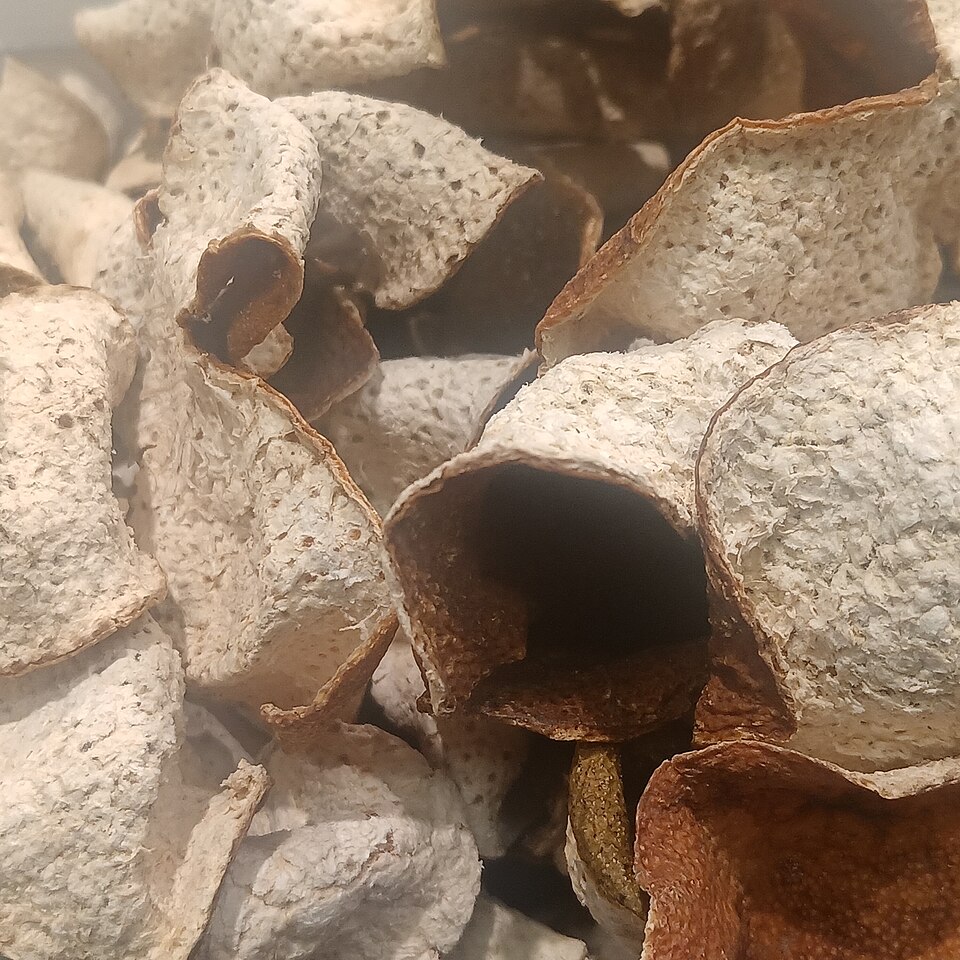
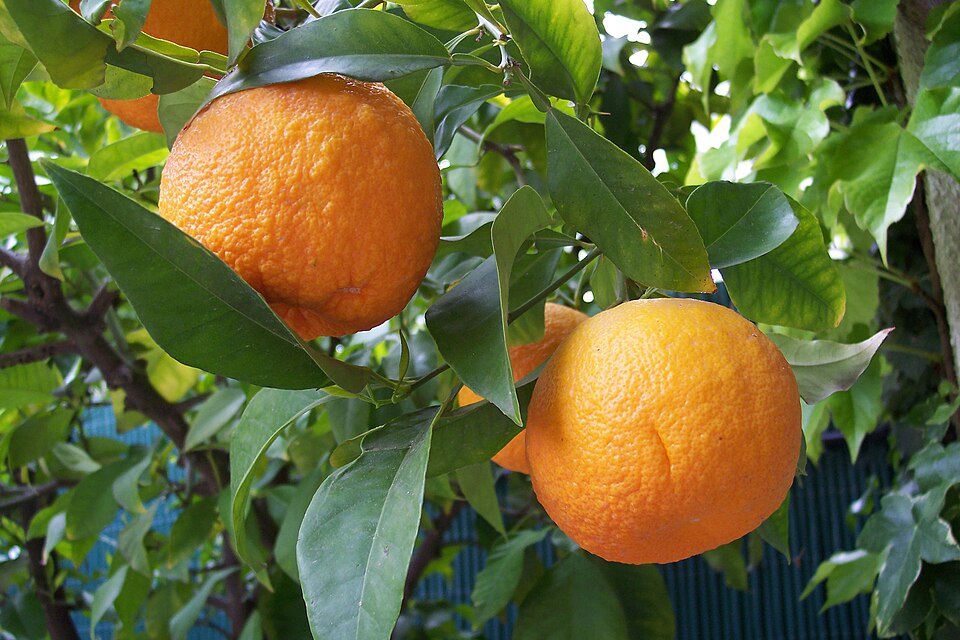
The fruit is small, hard, and dark green to brown when dried, and immature fruit must be distinguished from mature bitter orange, peel, and stimulant-rich extracts. The dried fruit is about the size of a small plum, hard and dense, with a green-brown surface and a bitter aromatic smell. The small size and hard texture are orientation clues, but the plant part and species should be confirmed with the label, and stir-fried forms should be recorded separately.
Images are for orientation only, not definitive species authentication; confirm species, part, source, and labeling with a qualified professional or authoritative monograph.
TRADITIONAL CONTEXT
Traditional Use in Context
Traditional records discuss Immature Bitter Orange for strong qi movement, food accumulation, chest or abdominal fullness, and downward direction, and it appears in classical formulas such as Zhi Shi Xiao Pi Wan for digestive fullness and Zhi Shi Zhi Zi Chi Tang for chest discomfort. Classical texts describe it for a feeling of chest and abdominal obstruction and for food stagnation, always within a pattern-based framework. The fullness vocabulary is historical, and severe chest or abdominal fullness is not a self-treatment target for a strong qi-moving material; chest pressure or pain requires medical assessment to rule out cardiac causes.
PROCESSING CONTEXT
Raw Material, Processing, and Product Form
The fruit is cut and dried, and stir-fried or bran-fried forms may be specified. Extracts and products with synephrine-like compounds require separate labeling and review, because the concentration differs sharply from the dried fruit.
The same name can cover a raw material, decoction piece, powder, extract, or finished product, so record the labeled form rather than assuming it; see the safety review for the questions to ask.
SAFETY REVIEW
Safety Boundaries
Review heart disease, blood pressure, anxiety, pregnancy, and stimulant medicines, and check the complete label of any weight-loss or energy product containing bitter orange. Severe chest or abdominal fullness requires medical assessment rather than a traditional reading, and this page is educational and is not a dose recommendation.
This record is not a dose recommendation; risk depends on identity, preparation, amount, duration, contamination, other medicines, and health conditions — a traditional or “natural” label cannot establish safety. For the full framework, read the Chinese Herbal Medicine Safety Review.
COMPARISON
How This Entry Differs
Compare Immature Bitter Orange with Tangerine Peel for the fruit-versus-peel difference, and with Costus Root for the root-based qi-moving alternative. Immature Bitter Orange is the strongest and most downward-directed of the three.
Use the related-entry links below to compare identity, part, processing, and safety boundaries — similar categories do not make materials interchangeable.
STUDY METHOD
New to these entries?
Read the four-step method in How to Read a Herb Entry before comparing materials.