Herb reference entry
Costus Root / Saussurea Root / Aucklandia
Costus Root / Saussurea Root / Aucklandia
Aucklandia lappa Decne.(Saussurea costus (Falc.) Lipsch.)
Reviewed by Kuda, September 2, 2026 - Editorial policy
OVERVIEW
What This Record Covers
Costus Root, called Mu Xiang, is the dried root of Aucklandia lappa, also called Saussurea costus in older references, a perennial herb of the daisy family (Asteraceae) cultivated in high-altitude regions of western China and neighboring areas. The medicinal part is the thick, irregular root with a strongly aromatic smell and a yellow-brown interior, harvested, cleaned, and dried for use as slices. In trade it appears as root slices, powders, granules, and combined formulas. Because botanical synonyms and substitutions are common, the Latin name and the source region should be confirmed on any product.
- English name
- Costus Root / Saussurea Root / Aucklandia
- Latin name
- Aucklandia lappa Decne.(Saussurea costus (Falc.) Lipsch.)
- Traditional category
- Qi Regulating
- Nature
- Warm
- Flavor description
- Pungent, Bitter
- Record identifier
- muxiang
IDENTIFICATION
Identification and Image Notes
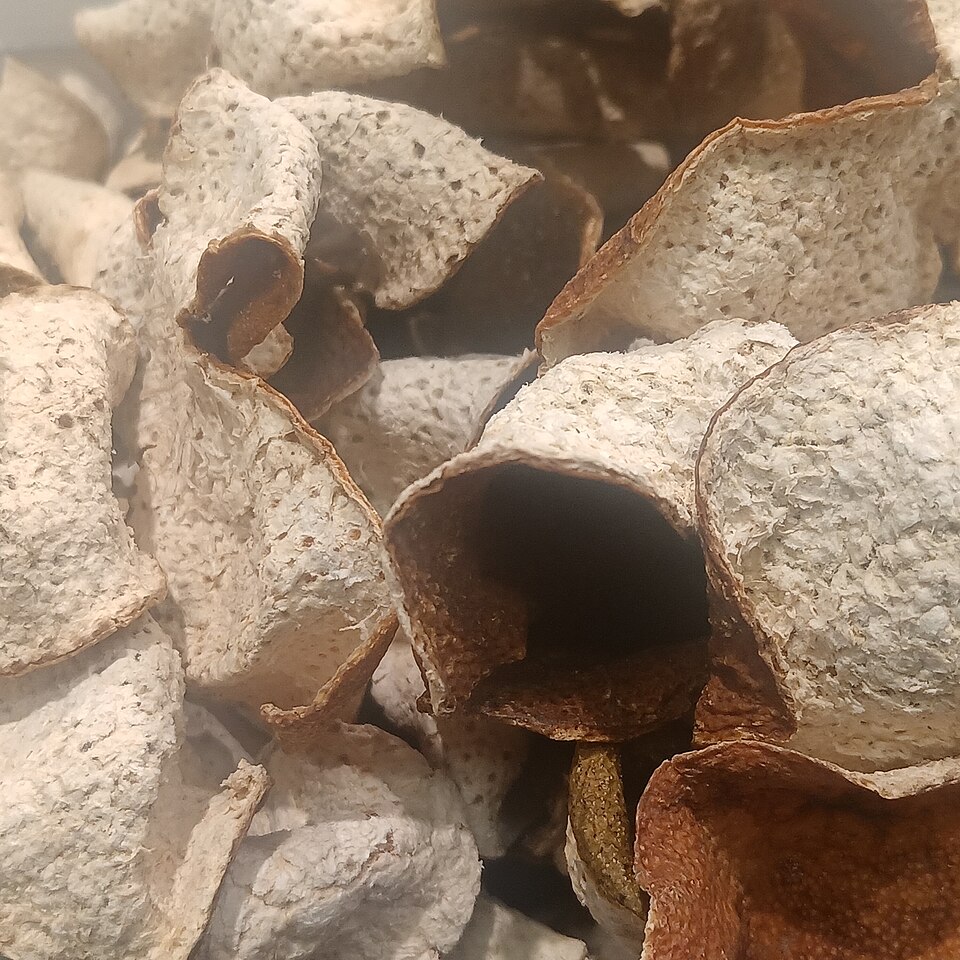
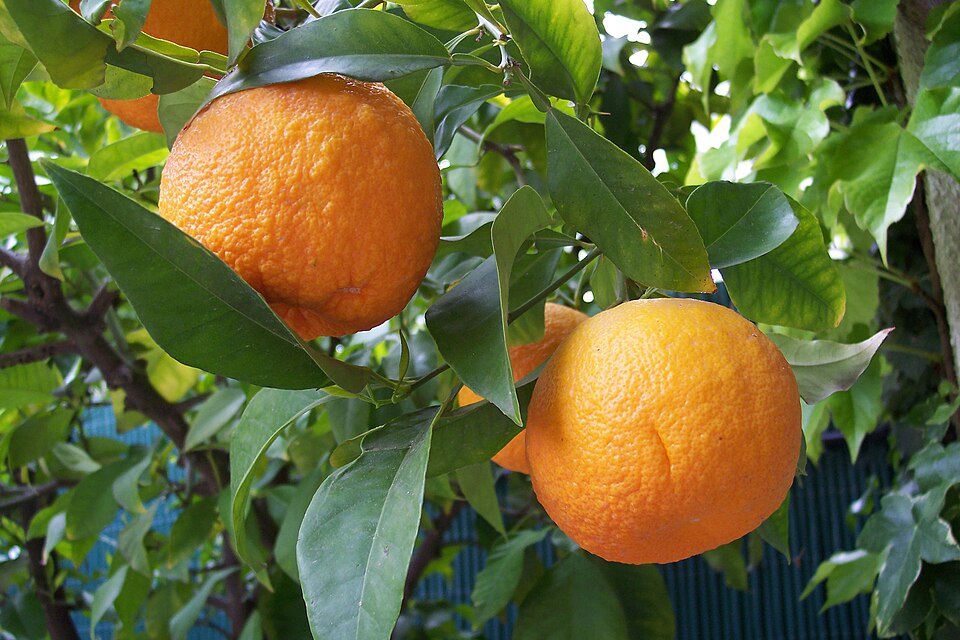
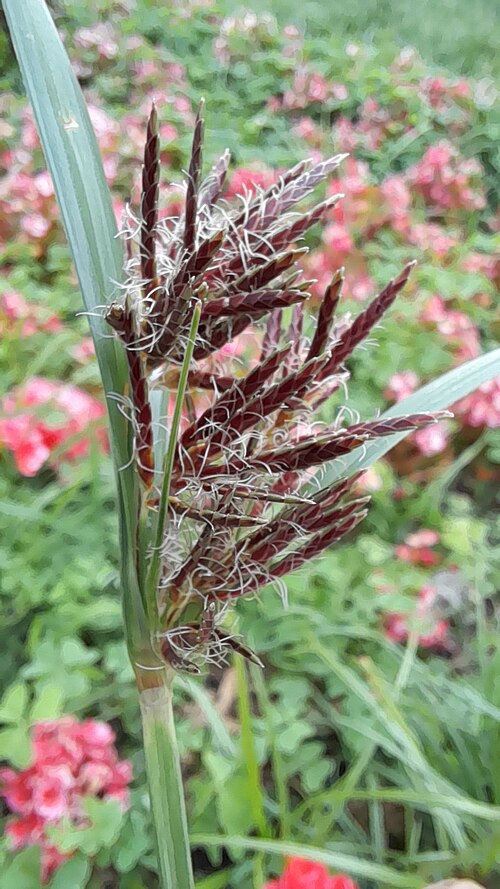
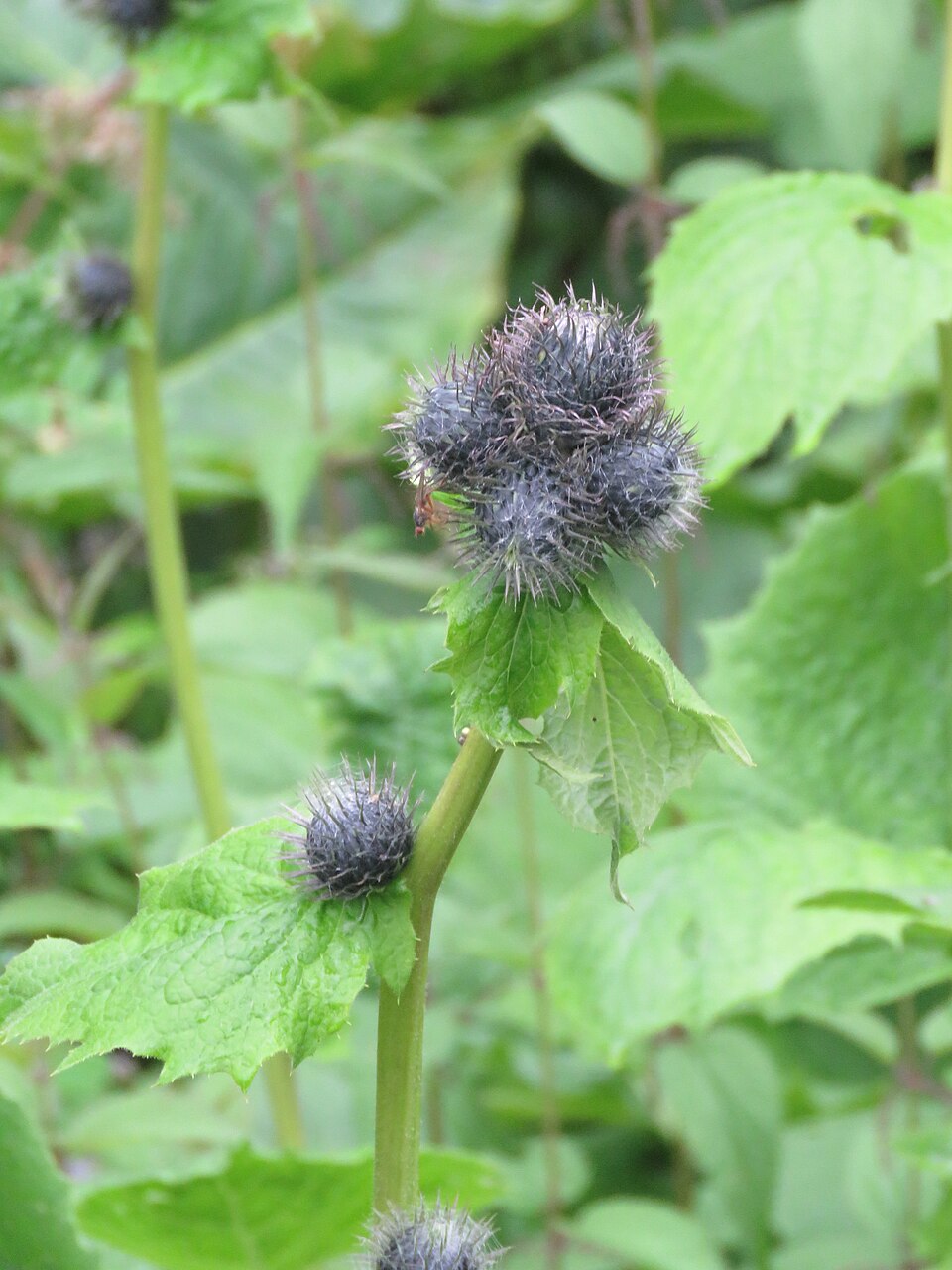
The root is thick, irregular, and strongly aromatic, with a yellow-brown interior, and botanical synonyms and substitutions make the Latin name important. The dried root is dense and heavy, with a wrinkled gray-brown surface and a pale interior that shows scattered oil spots. The strong aroma is an orientation clue, but the species and the slice form should be confirmed with a traceable label, and the volatile aroma should be protected from heat and moisture in storage.
Images are for orientation only, not definitive species authentication; confirm species, part, source, and labeling with a qualified professional or authoritative monograph.
TRADITIONAL CONTEXT
Traditional Use in Context
Traditional records discuss Costus Root for moving qi, abdominal pain, digestive stagnation, and directing movement through the middle and lower body, and it appears in formulas aimed at abdominal discomfort and digestive fullness, such as Xiang Sha Liu Jun Zi Tang, where it is paired with Cardamom and qi-regulating materials, and in classical combinations for pain with stagnation. Classical texts describe it for qi stagnation with pain and for digestive complaints, always within a pattern-based framework. The stagnation vocabulary is historical and does not rule out obstruction or other urgent abdominal causes, and persistent abdominal pain, vomiting, or a change in bowel habit requires clinical assessment.
PROCESSING CONTEXT
Raw Material, Processing, and Product Form
The root is sliced and dried, and raw and stir-fried forms occur, and because volatile oils are important to the aroma, storage and extract concentration need documentation. The dried slice and a concentrated aromatic extract are separate records.
The same name can cover a raw material, decoction piece, powder, extract, or finished product, so record the labeled form rather than assuming it; see the safety review for the questions to ask.
SAFETY REVIEW
Safety Boundaries
Review allergy, pregnancy, liver disease, gastrointestinal irritation, and persistent abdominal pain, and check for ragweed-family allergy since the plant is an Asteraceae. A traditional stagnation label does not rule out obstruction or other urgent causes, and severe or recurrent pain requires medical assessment.
This record is not a dose recommendation; risk depends on identity, preparation, amount, duration, contamination, other medicines, and health conditions — a traditional or “natural” label cannot establish safety. For the full framework, read the Chinese Herbal Medicine Safety Review.
COMPARISON
How This Entry Differs
Compare Costus Root with Tangerine Peel and Nutgrass Rhizome for aroma, strength, and root-versus-peel-or-rhizome identity, and for their different digestive limits. Costus is the strongest-scented and most root-based of the three. Its place in digestive qi formulas also explains why the aromatic root is usually added near the end of preparation. The Latin synonym Saussurea costus still appears on older labels, so both accepted names should be checked when sourcing the root.
Use the related-entry links below to compare identity, part, processing, and safety boundaries — similar categories do not make materials interchangeable.
STUDY METHOD
New to these entries?
Read the four-step method in How to Read a Herb Entry before comparing materials.