Herb reference entry
Nutgrass Rhizome / Cyperus Rhizome
Nutgrass Rhizome / Cyperus Rhizome
Cyperus rotundus L.
Reviewed by Kuda, September 2, 2026 - Editorial policy
OVERVIEW
What This Record Covers
Nutgrass Rhizome, called Xiang Fu, is the dried rhizome of Cyperus rotundus, purple nutsedge, a perennial sedge of the sedge family (Cyperaceae) that grows as a common weed in fields and disturbed ground across warm regions worldwide. The medicinal material is the small, dark, knotty underground rhizome, harvested, cleaned, and dried for use. In trade it appears as small rhizome pieces, slices, powders, granules, and combined formulas, and it has a characteristic aromatic smell. The rhizome should not be confused with the grass-like aerial parts or with unrelated sedges, and the label should state the part and the processing.
- English name
- Nutgrass Rhizome / Cyperus Rhizome
- Latin name
- Cyperus rotundus L.
- Traditional category
- Qi Regulating
- Nature
- Neutral
- Flavor description
- Pungent, Slightly Bitter, Slightly Sweet
- Record identifier
- xiangfu
IDENTIFICATION
Identification and Image Notes
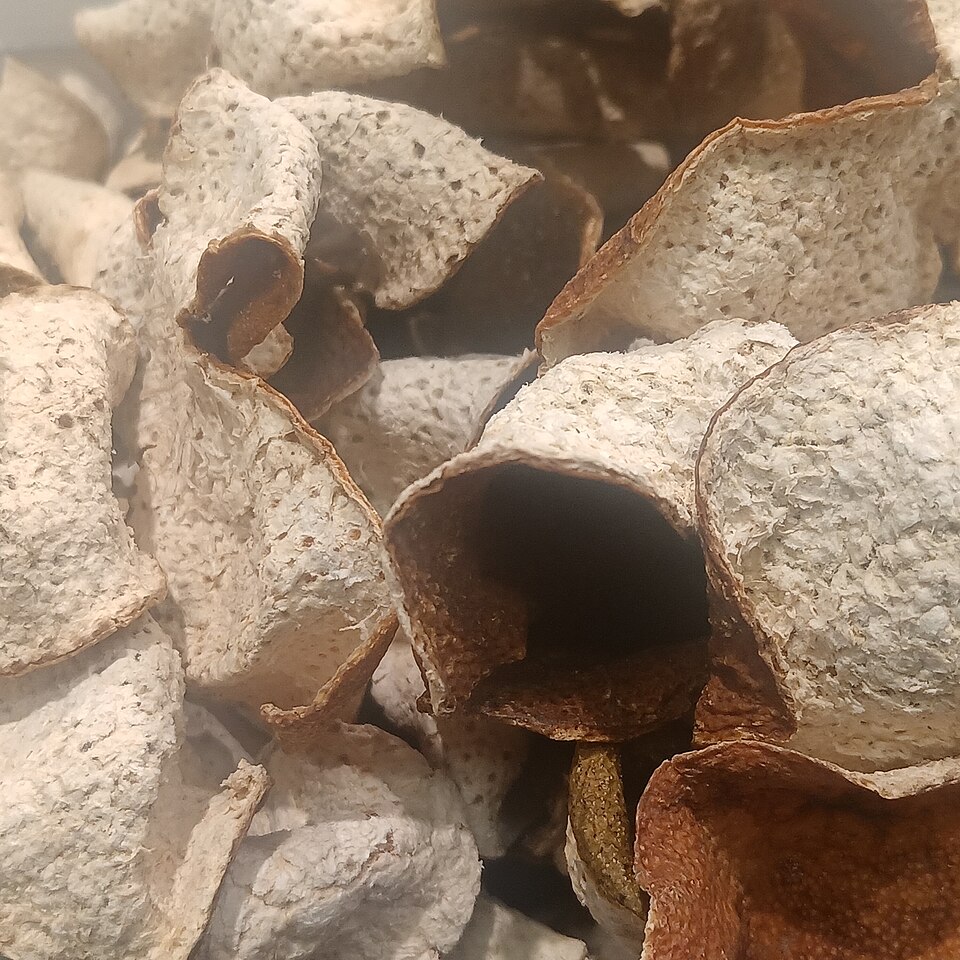
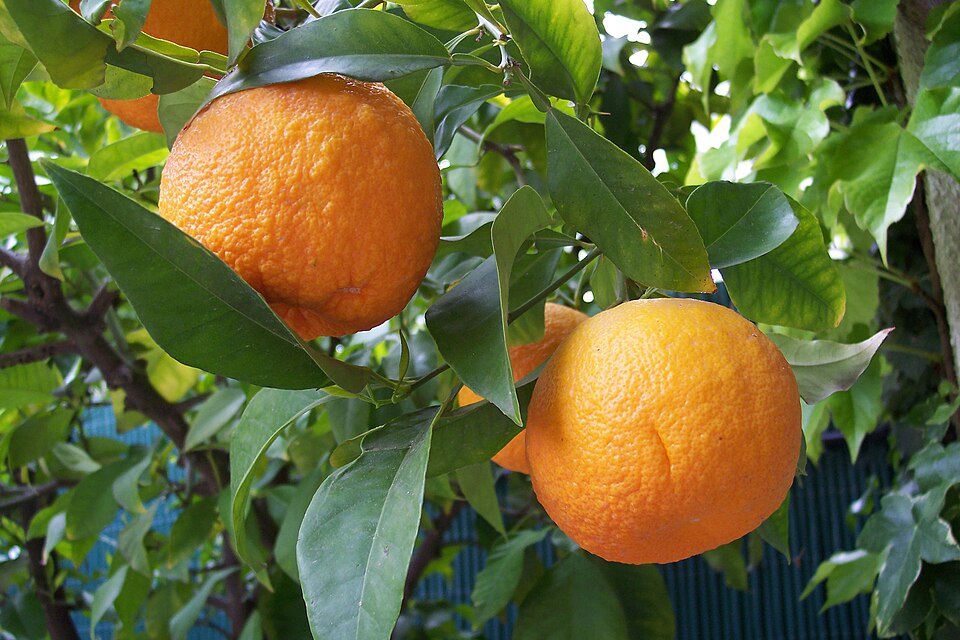
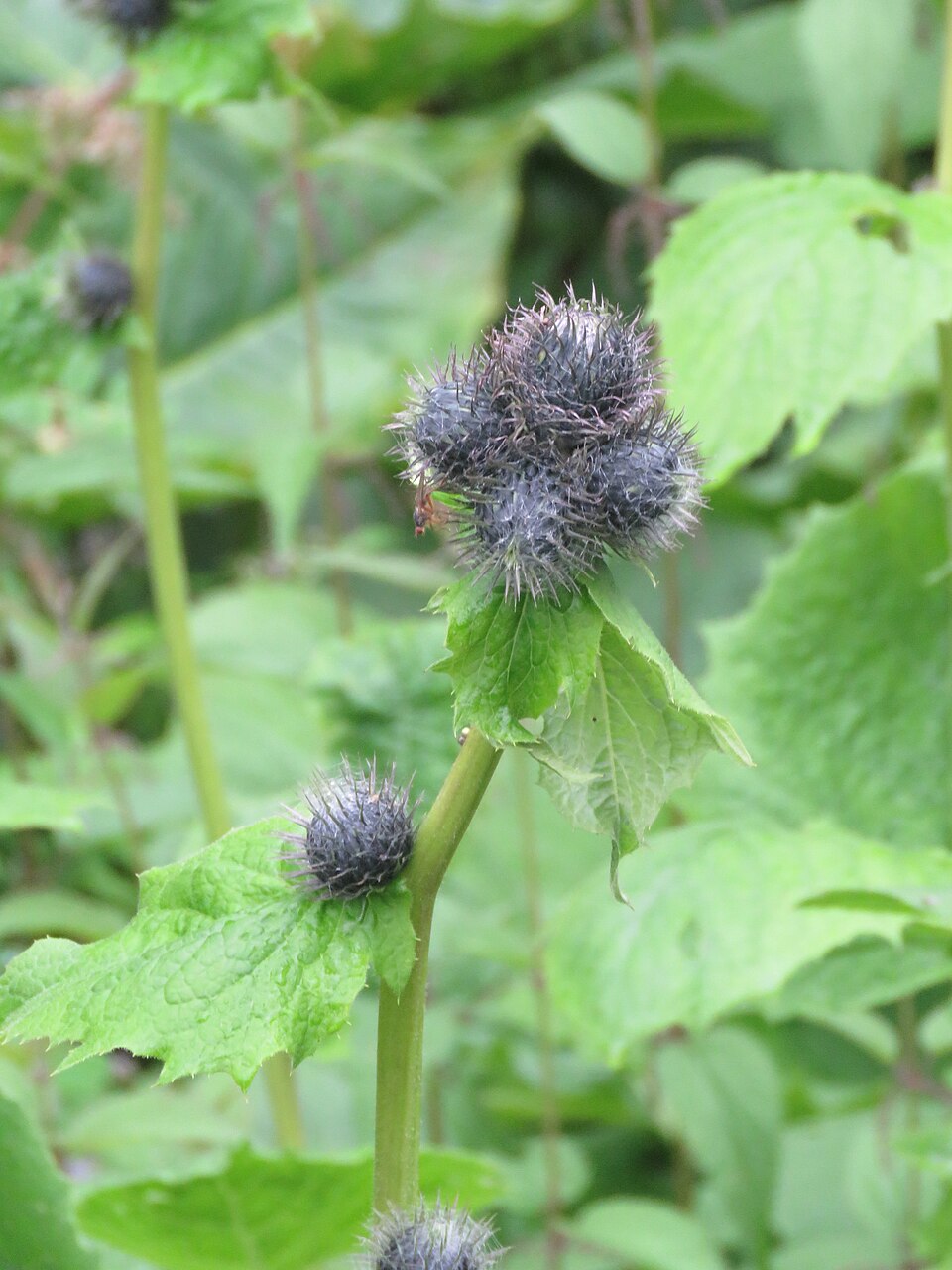
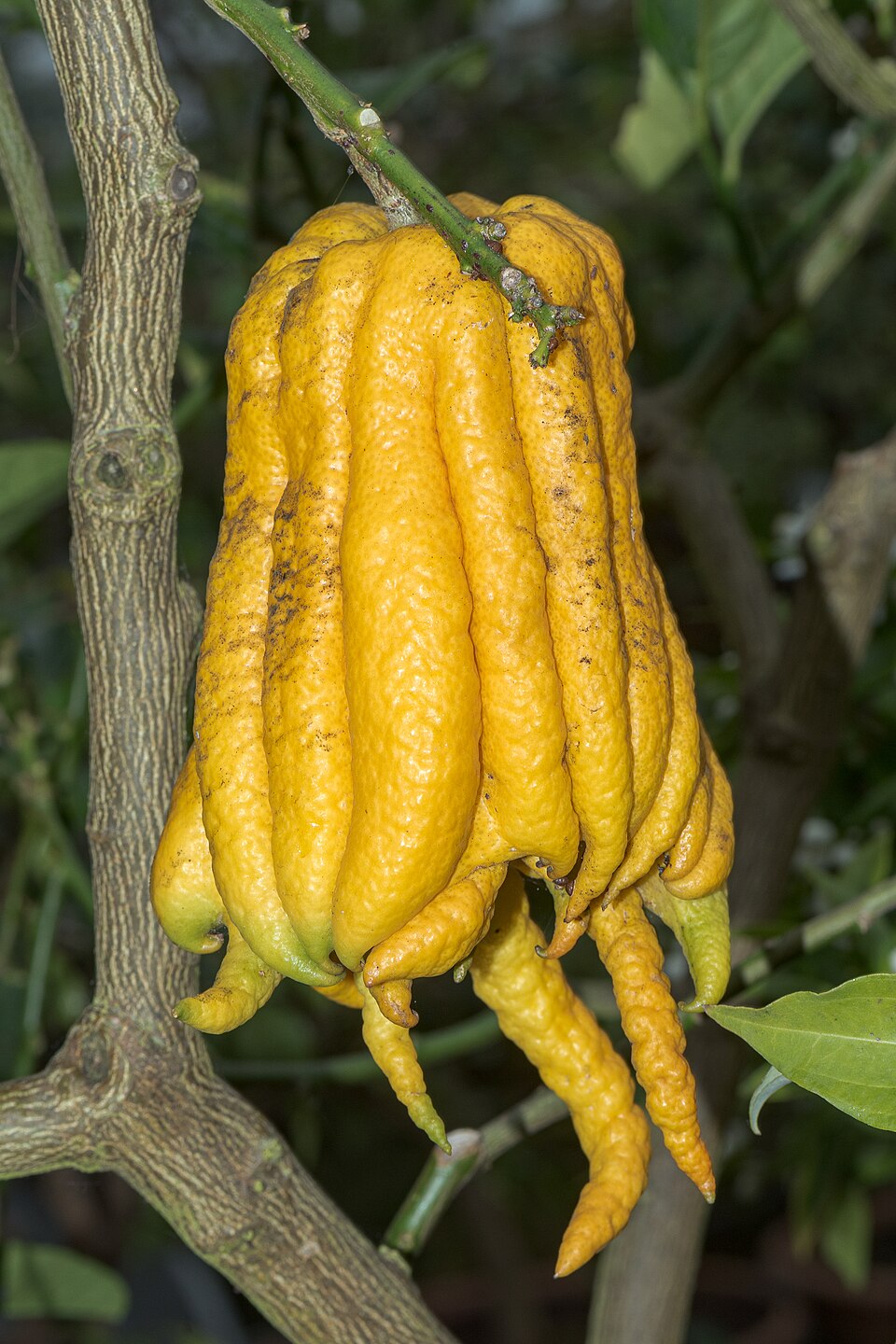
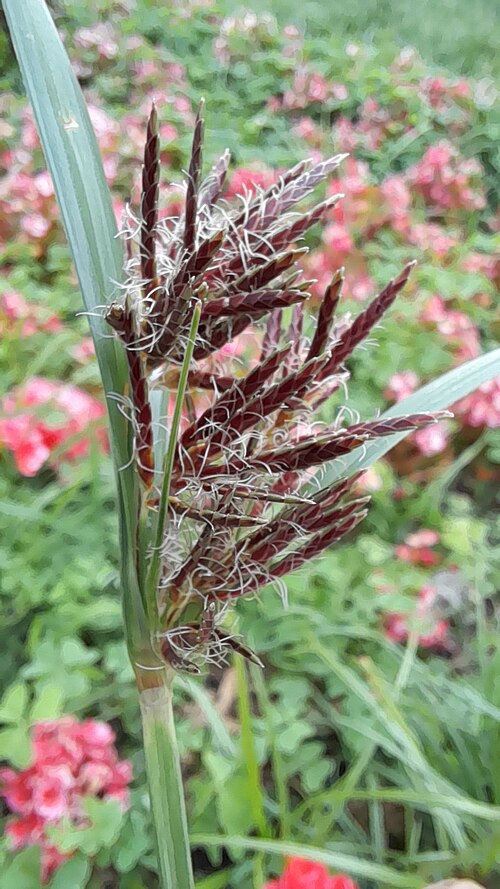
The rhizome is small, dark, and knotty, with a characteristic aromatic smell, and it should not be confused with the grass-like aerial parts or unrelated sedges. The dried rhizomes are about the size of a fingertip, dark brown and wrinkled, with a sweet-spicy aroma and a firm texture. The knotty shape and aroma are orientation clues, but the species and processing should be confirmed with the label, and vinegar-processed and stir-fried forms are separate records.
Images are for orientation only, not definitive species authentication; confirm species, part, source, and labeling with a qualified professional or authoritative monograph.
TRADITIONAL CONTEXT
Traditional Use in Context
Traditional records discuss Nutgrass Rhizome for regulating constrained qi, menstrual discomfort, breast or flank tension, and harmonizing movement, and it is one of the most frequently used qi-regulating ingredients in menstrual and emotional formulas, appearing in combinations such as Xiao Yao San and Yue Ju Wan, where it is often vinegar-processed to direct its action. Classical texts describe it for constrained qi with breast or flank tension and menstrual discomfort, always within a pattern-based framework. The menstrual vocabulary is historical and does not establish the cause of a gynecological symptom, and persistent pelvic or abdominal pain, heavy bleeding, or a new breast lump requires clinical assessment rather than self-treatment.
PROCESSING CONTEXT
Raw Material, Processing, and Product Form
Raw, vinegar-processed, and stir-fried rhizomes occur in traditional records, and storage, slicing, and processing should be stated alongside the product source. Each processed form carries a different traditional emphasis.
The same name can cover a raw material, decoction piece, powder, extract, or finished product, so record the labeled form rather than assuming it; see the safety review for the questions to ask.
SAFETY REVIEW
Safety Boundaries
Review pregnancy, active bleeding, anticoagulants, allergy, and persistent pelvic or abdominal pain, and check the complete ingredients of any combined menstrual product. Traditional menstrual language does not establish the cause of a symptom, and severe or unexplained pain requires medical assessment.
This record is not a dose recommendation; risk depends on identity, preparation, amount, duration, contamination, other medicines, and health conditions — a traditional or “natural” label cannot establish safety. For the full framework, read the Chinese Herbal Medicine Safety Review.
COMPARISON
How This Entry Differs
Compare Nutgrass Rhizome with Tangerine Peel for the qi-moving pair, and with Corydalis Rhizome for the pain-focused end of the movement vocabulary. Nutgrass is distinguished by its small knotty rhizome form and its strong association with menstrual and emotional records. The plant is a common weed in many regions, which makes the cultivated medicinal source an important label detail.
Use the related-entry links below to compare identity, part, processing, and safety boundaries — similar categories do not make materials interchangeable.
STUDY METHOD
New to these entries?
Read the four-step method in How to Read a Herb Entry before comparing materials.