Herb reference entry
Stemona Root / Sessile Stemona
Stemona Root / Sessile Stemona
Stemona sessilifolia (Miq.) Miq.
Reviewed by Kuda, September 2, 2026 - Editorial policy
OVERVIEW
What This Record Covers
Stemona Root, called Bai Bu, is the dried root tuber of Stemona sessilifolia and accepted Stemona species, herbaceous perennials of the Stemona family (Stemonaceae) that grow in shady, moist woodlands across China. The medicinal material consists of long, spindle-shaped root tubers with a pale interior, harvested, cleaned, softened, and dried for use. In trade it appears as root tuber pieces, slices, powders, granules, and combined cough preparations, and Stemona species and root age affect size, texture, and quality. The root tubers are also used historically in external preparations, which are a separate record from internal use.
- English name
- Stemona Root / Sessile Stemona
- Latin name
- Stemona sessilifolia (Miq.) Miq.
- Traditional category
- Phlegm Transforming
- Nature
- Slightly Warm
- Flavor description
- Sweet, Bitter
- Record identifier
- baibu
IDENTIFICATION
Identification and Image Notes
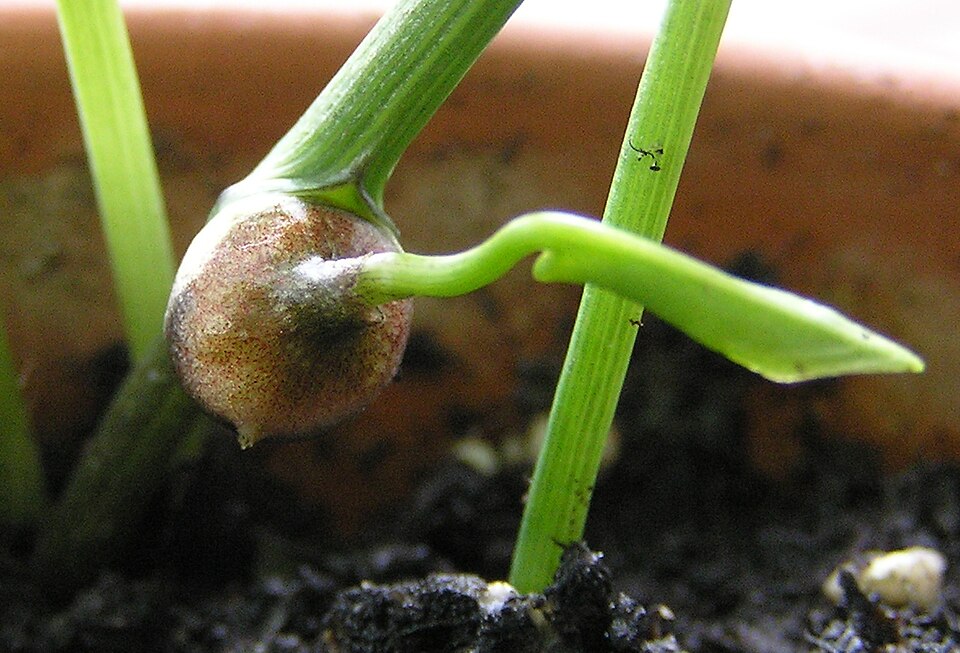
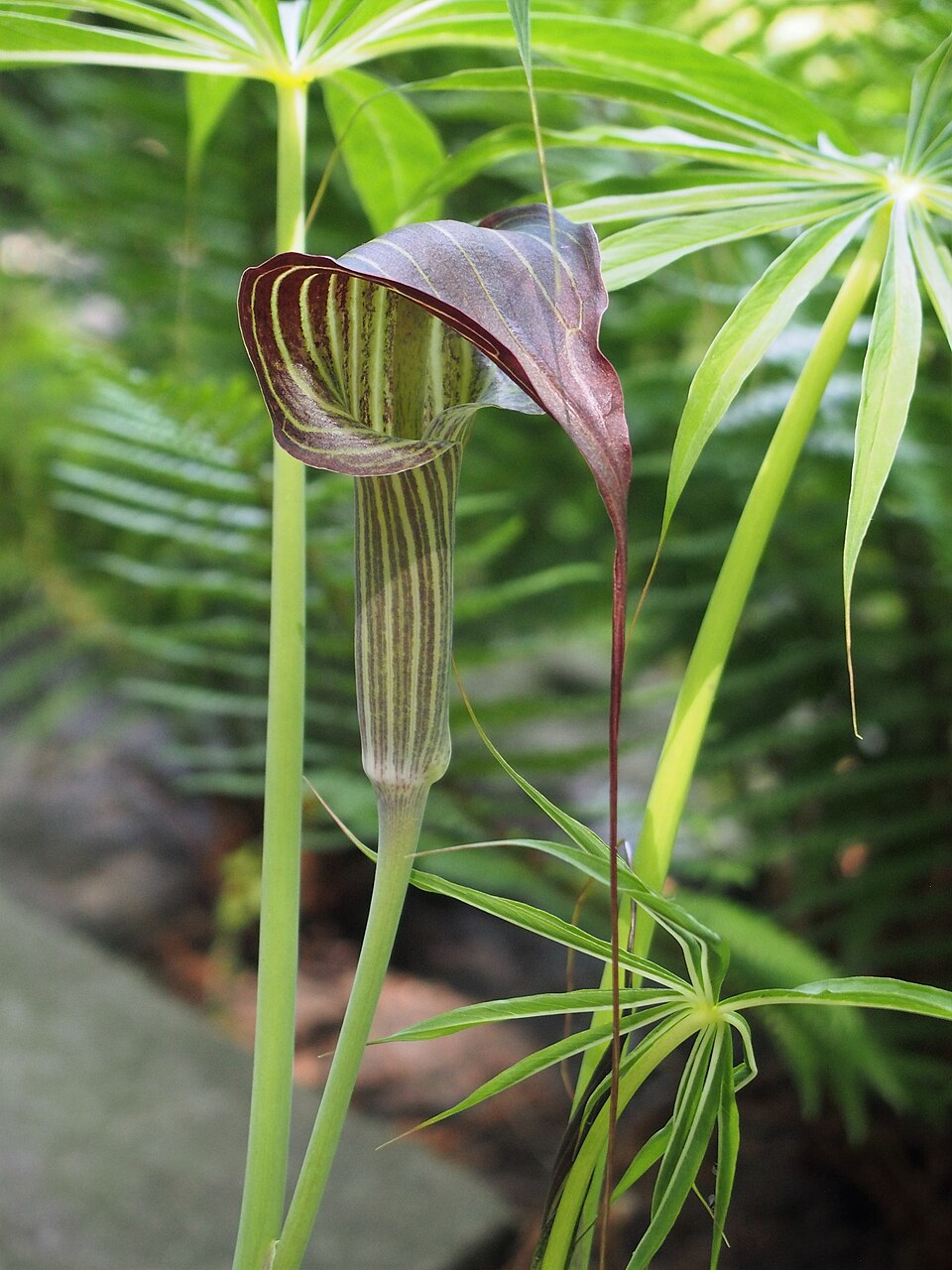
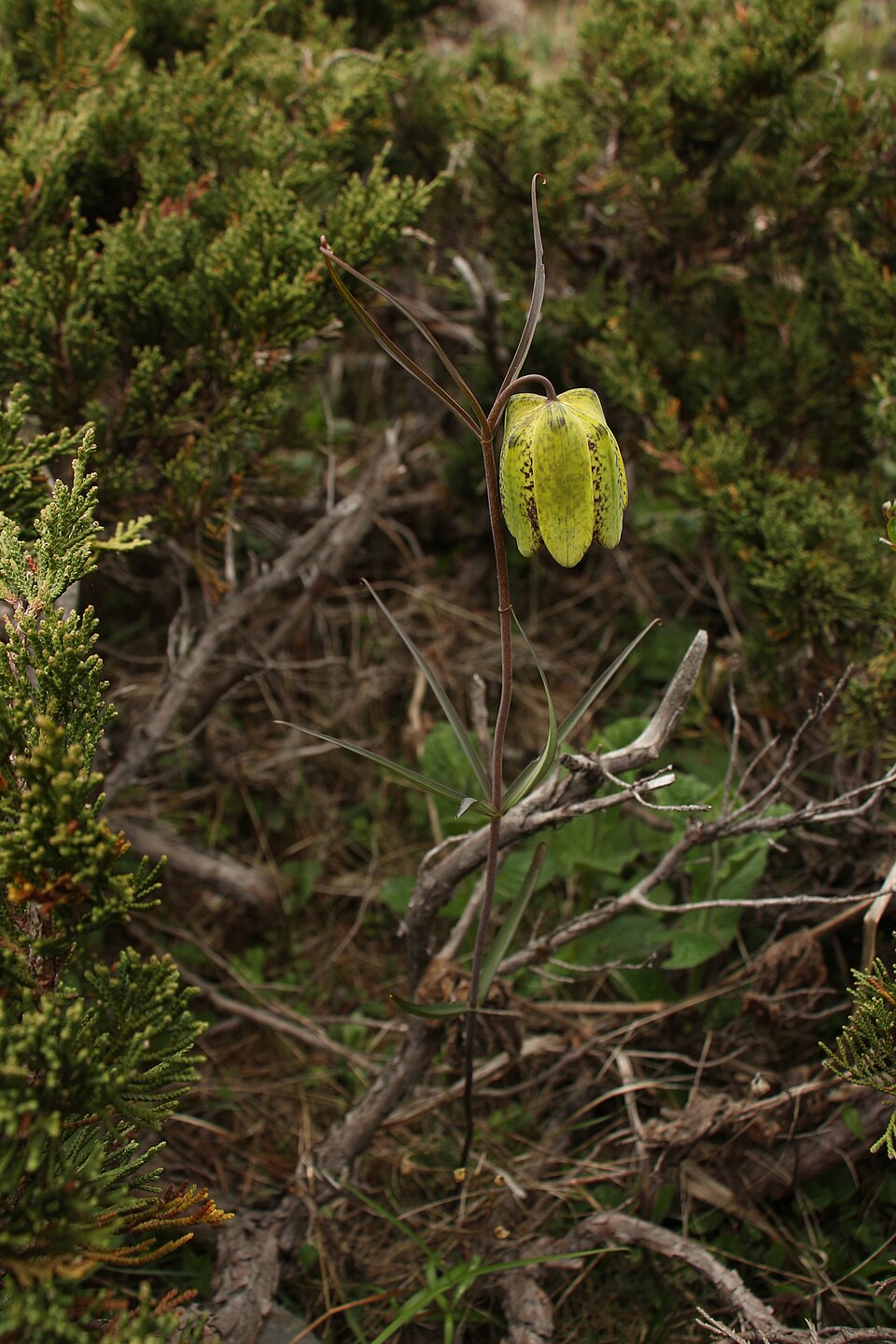
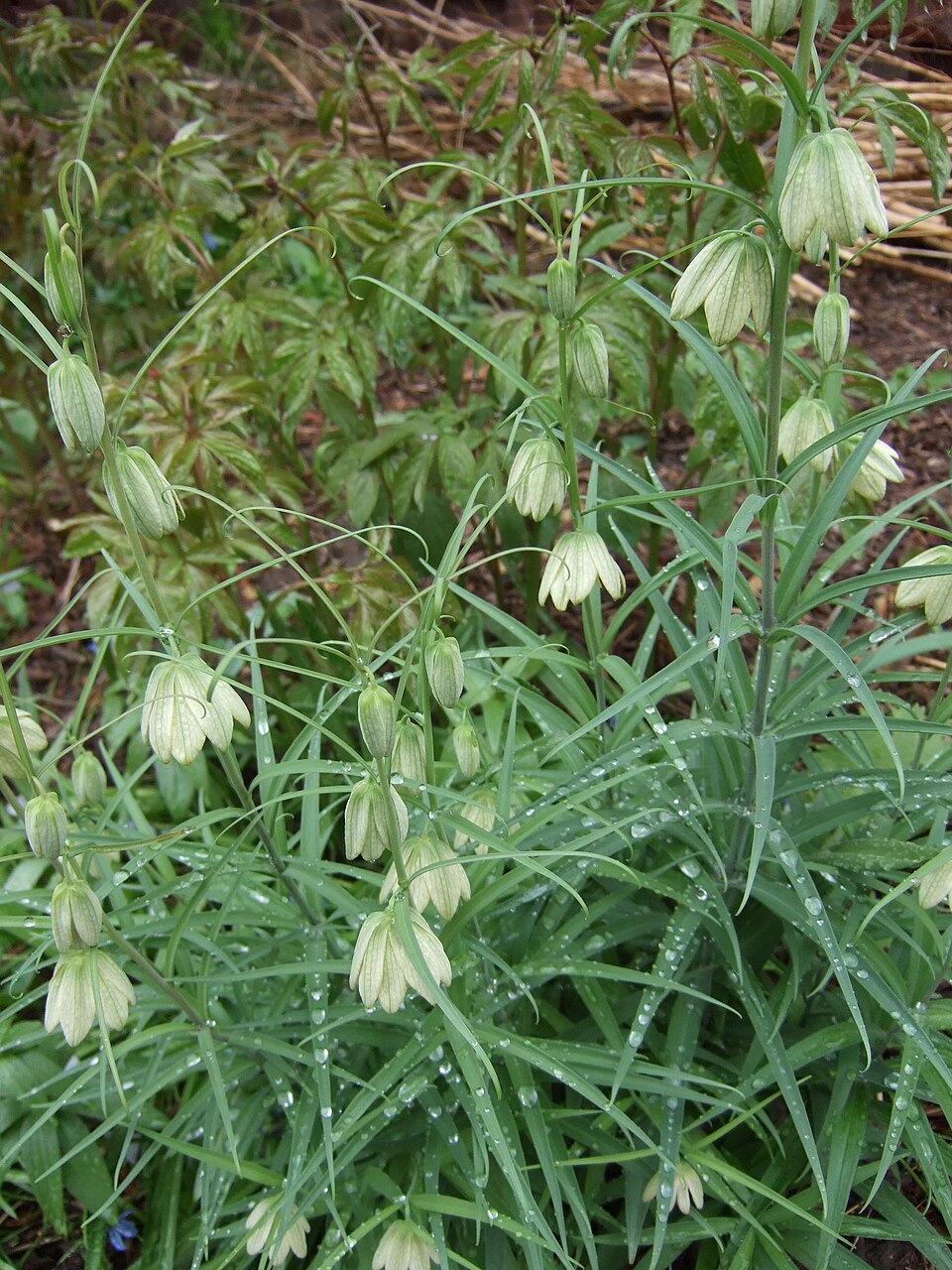
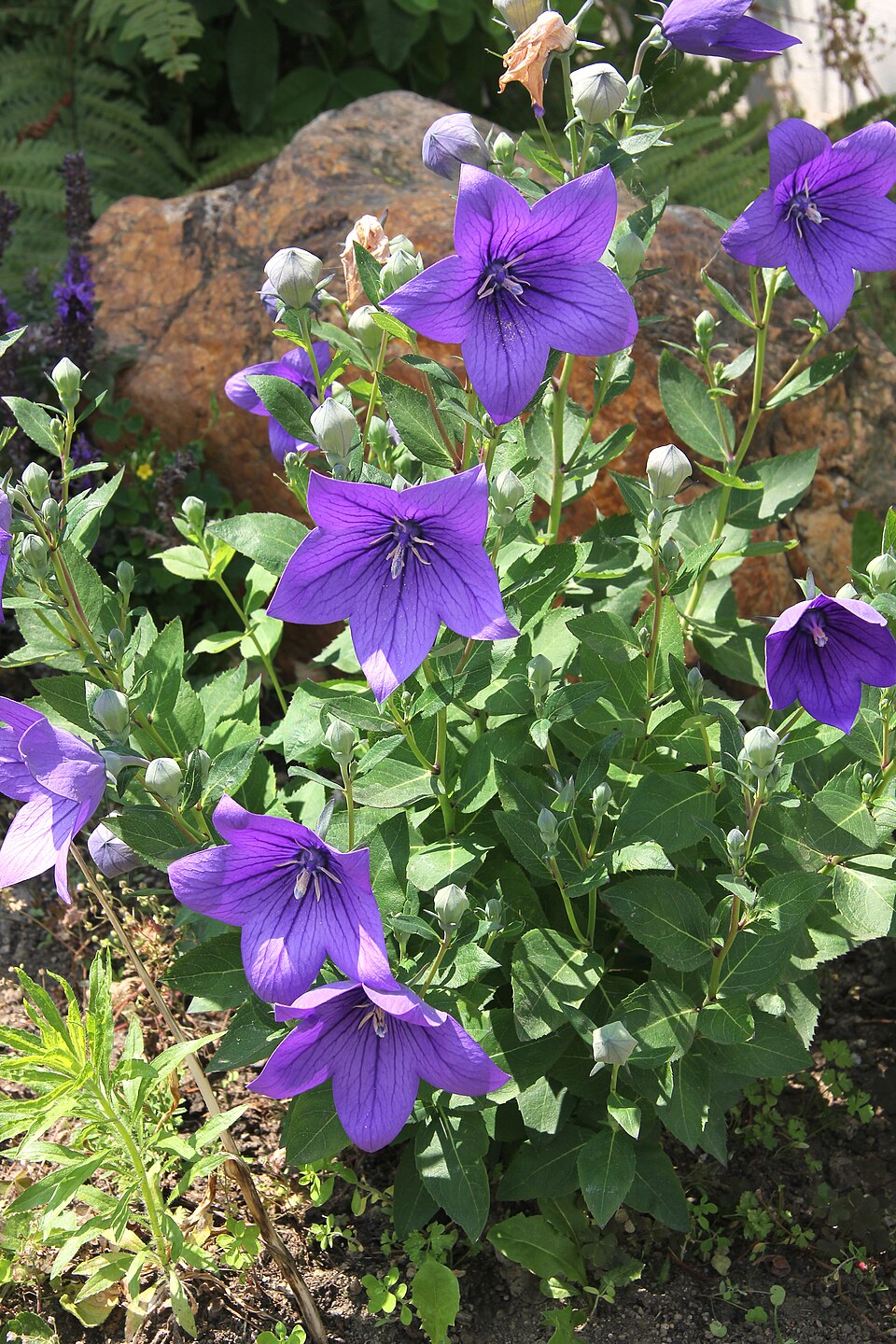
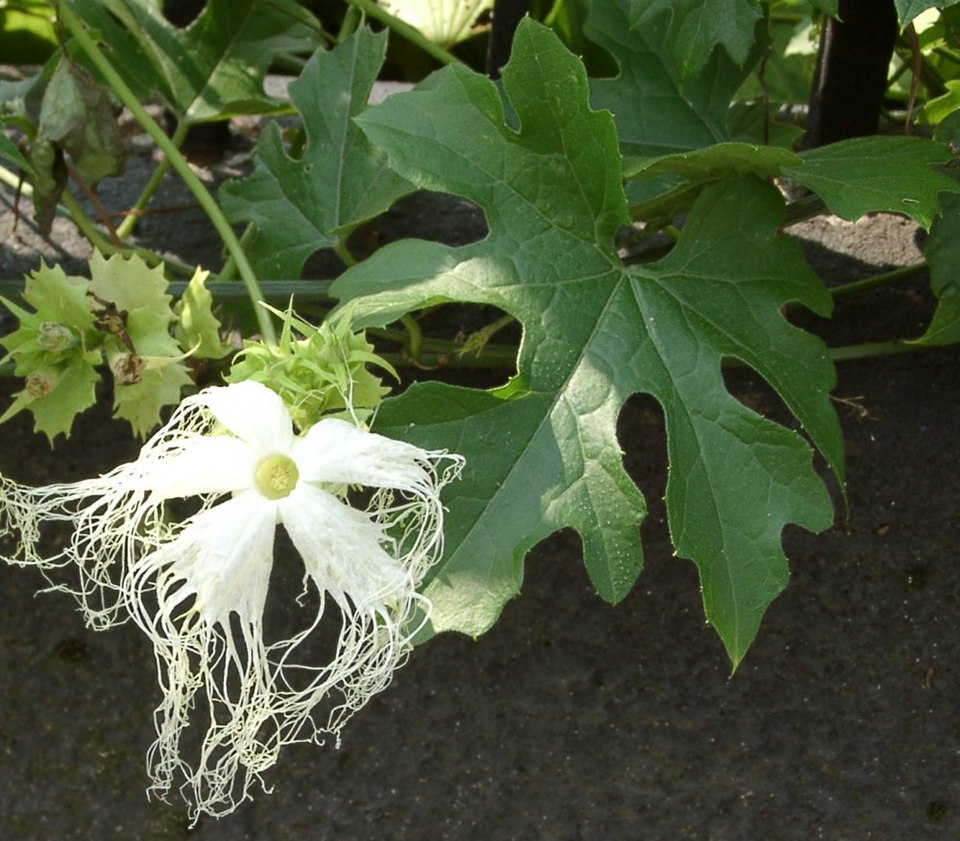
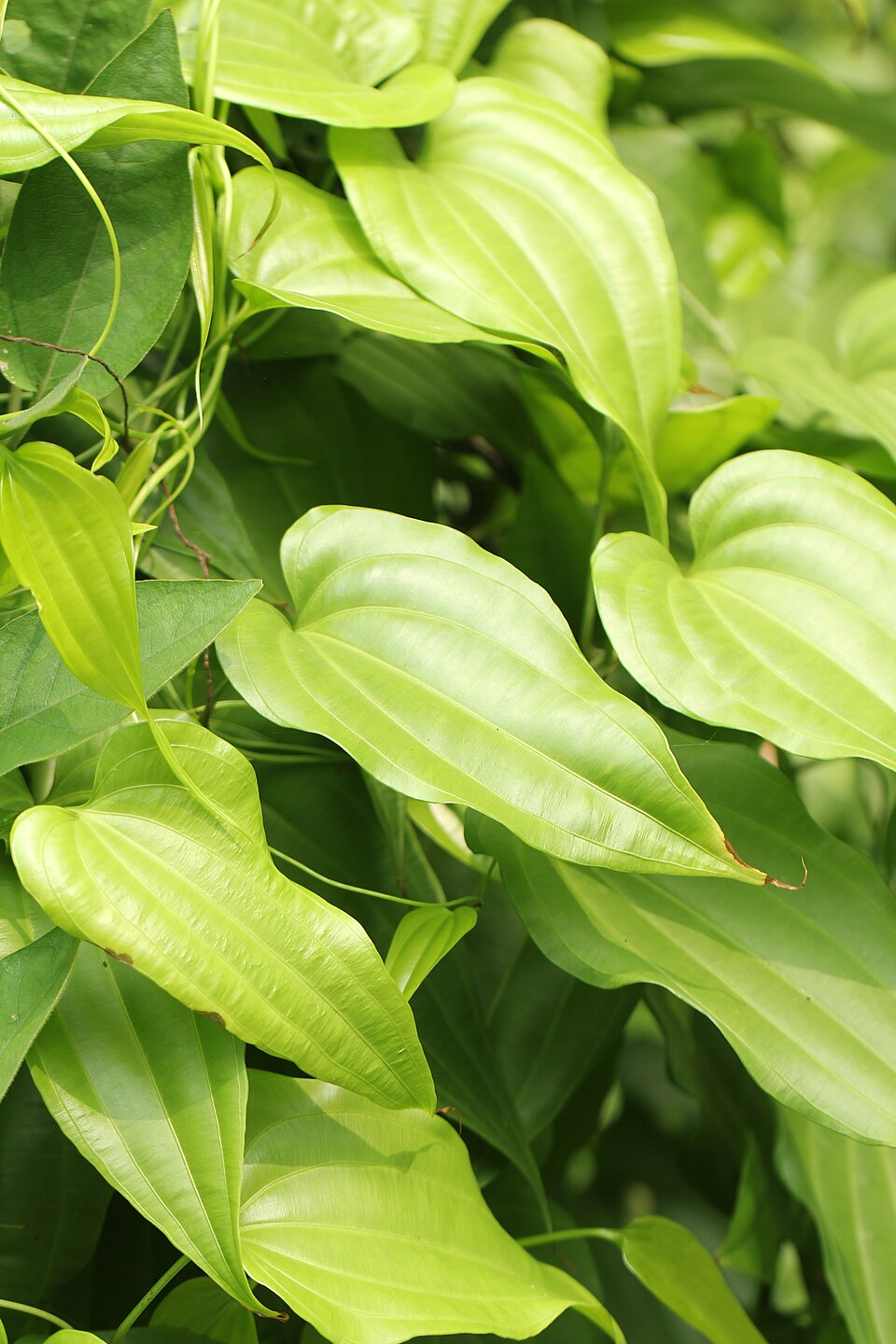
The material consists of long, spindle-shaped root tubers with a pale interior, and Stemona species and root age affect size, texture, and quality. The fresh roots are fleshy and white, and the dried tubers shrink into firm, pale, spindle-shaped pieces with a slightly sweet taste. The spindle shape is an orientation clue, but the species and the root age should be confirmed with the label, and the tuber should not be confused with other pale clustered roots.
Images are for orientation only, not definitive species authentication; confirm species, part, source, and labeling with a qualified professional or authoritative monograph.
TRADITIONAL CONTEXT
Traditional Use in Context
Traditional records discuss Stemona for persistent cough, lung support, and external or internal parasite-related historical language, and it appears in formulas aimed at chronic cough and in external historical preparations for lice and skin parasites, with honey-fried forms used in some cough records and decoctions that combine it with Apricot Kernel and Mulberry Leaf. Classical texts describe it for a persistent cough that traditional practice reads as lung-related and for killing parasites in historical records, always within a pattern-based framework. The parasite vocabulary is historical and is not a modern infection test, and a persistent cough, fever, or breathing difficulty requires medical assessment rather than self-treatment.
PROCESSING CONTEXT
Raw Material, Processing, and Product Form
Roots are cleaned, softened, sliced, and dried, and honey processing is used in some records, while external insect products and internal preparations should be separated. Each form carries its own record.
The same name can cover a raw material, decoction piece, powder, extract, or finished product, so record the labeled form rather than assuming it; see the safety review for the questions to ask.
SAFETY REVIEW
Safety Boundaries
Review sedation, gastrointestinal effects, pregnancy, allergy, and persistent cough or breathing symptoms, and keep external and internal products clearly separated. A persistent cough, fever, or breathing difficulty requires medical assessment, and this page is educational and is not a dose recommendation.
This record is not a dose recommendation; risk depends on identity, preparation, amount, duration, contamination, other medicines, and health conditions — a traditional or “natural” label cannot establish safety. For the full framework, read the Chinese Herbal Medicine Safety Review.
COMPARISON
How This Entry Differs
Compare Stemona Root with Apricot Kernel and White Mulberry Root Bark for cough direction, plant part, processing, and sedation or irritation concerns. Stemona is distinguished by its persistent-cough history and its separate external-use record. The root tuber also illustrates how a single plant part can carry both an internal and an external record. The honey-fried form used in cough records is worth checking on any product label before comparing strength.
Use the related-entry links below to compare identity, part, processing, and safety boundaries — similar categories do not make materials interchangeable.
STUDY METHOD
New to these entries?
Read the four-step method in How to Read a Herb Entry before comparing materials.
Similar Herbs