Herb reference entry
Zhejiang Fritillary Bulb / Zhe Bei Mu
Zhejiang Fritillary Bulb / Zhe Bei Mu
Fritillaria thunbergii Miq.
Reviewed by Kuda, September 2, 2026 - Editorial policy
OVERVIEW
What This Record Covers
Zhejiang Fritillary Bulb, called Zhe Bei Mu, is the dried bulb of Fritillaria thunbergii, a herbaceous perennial of the lily family (Liliaceae) cultivated mainly in Zhejiang Province and neighboring regions of eastern China. The medicinal material is the bulb with two fleshy scales and a pale, compact appearance, harvested, cleaned, and dried. In trade it appears as whole bulbs, scale pieces, powder, granules, and cough preparations, and the name is close to Sichuan Fritillary but refers to a different species with a different trade history. The label should distinguish the species, the cultivated source, and any combined cough ingredients.
- English name
- Zhejiang Fritillary Bulb / Zhe Bei Mu
- Latin name
- Fritillaria thunbergii Miq.
- Traditional category
- Phlegm Transforming
- Nature
- Cold
- Flavor description
- Bitter
- Record identifier
- zhebeimu
IDENTIFICATION
Identification and Image Notes
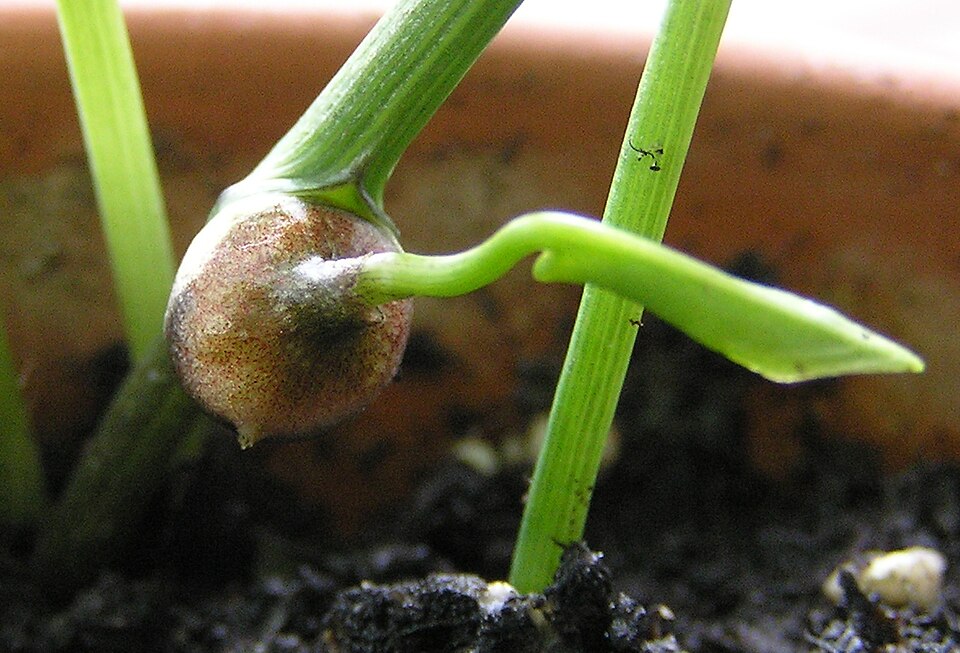
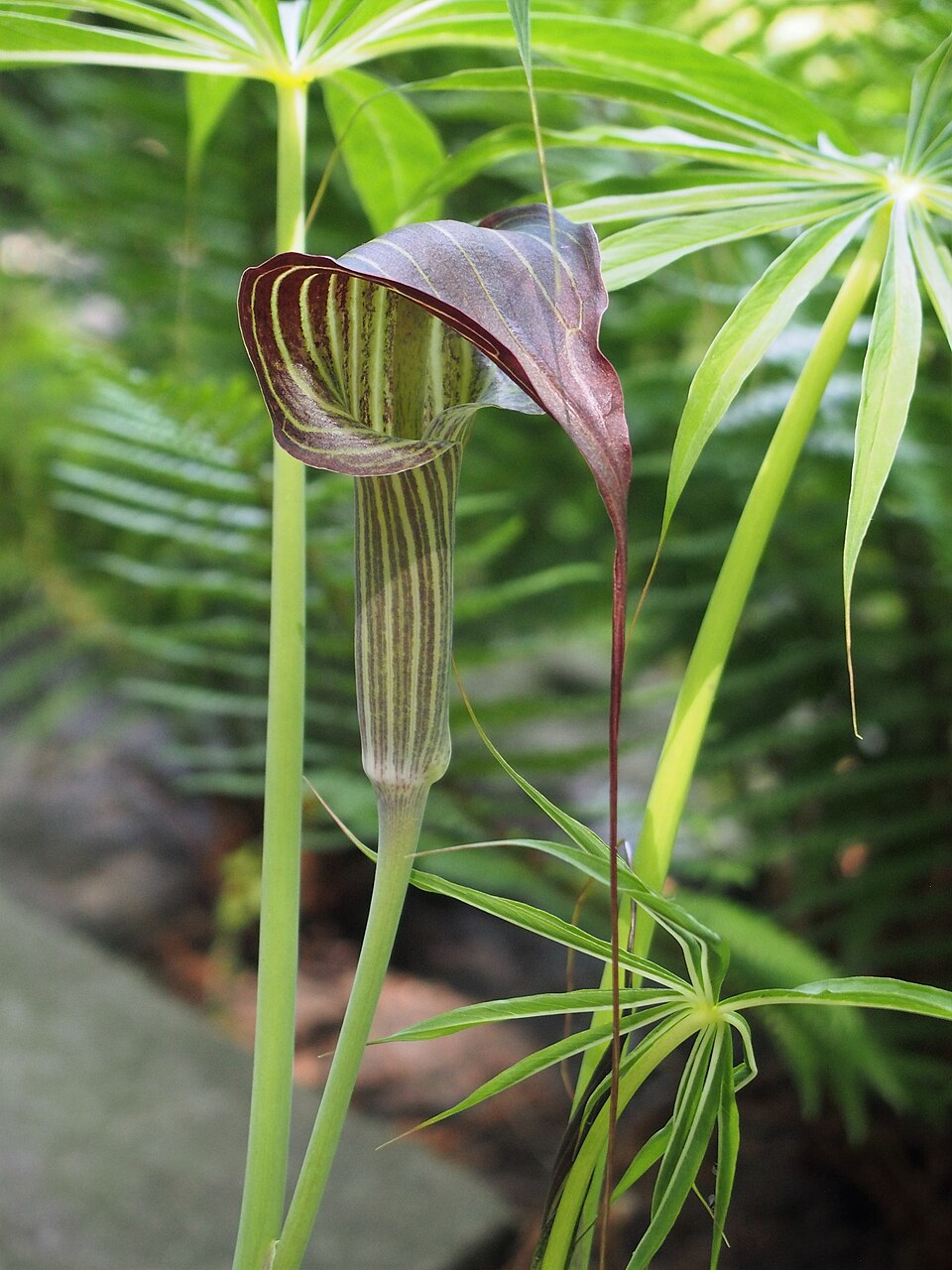
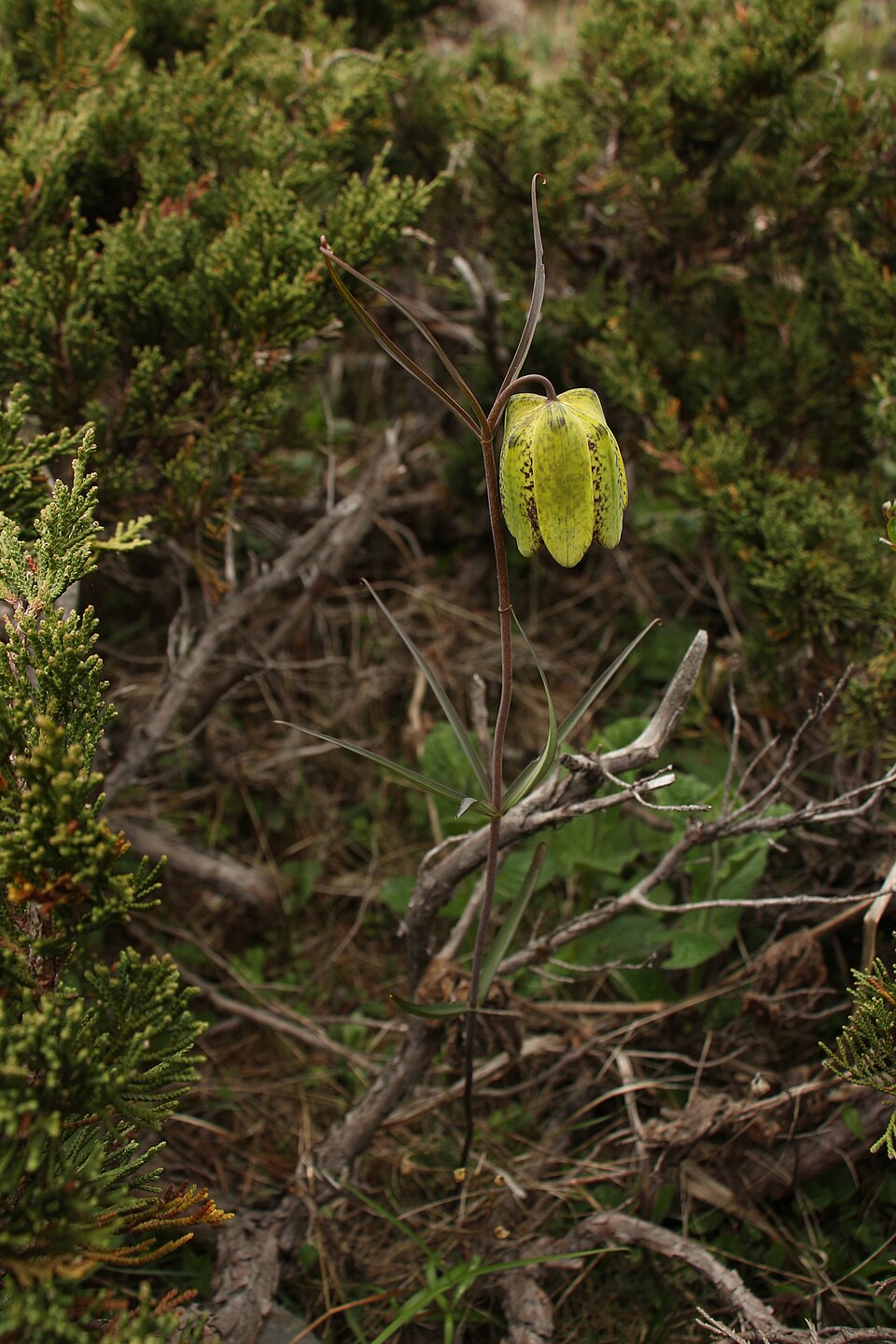
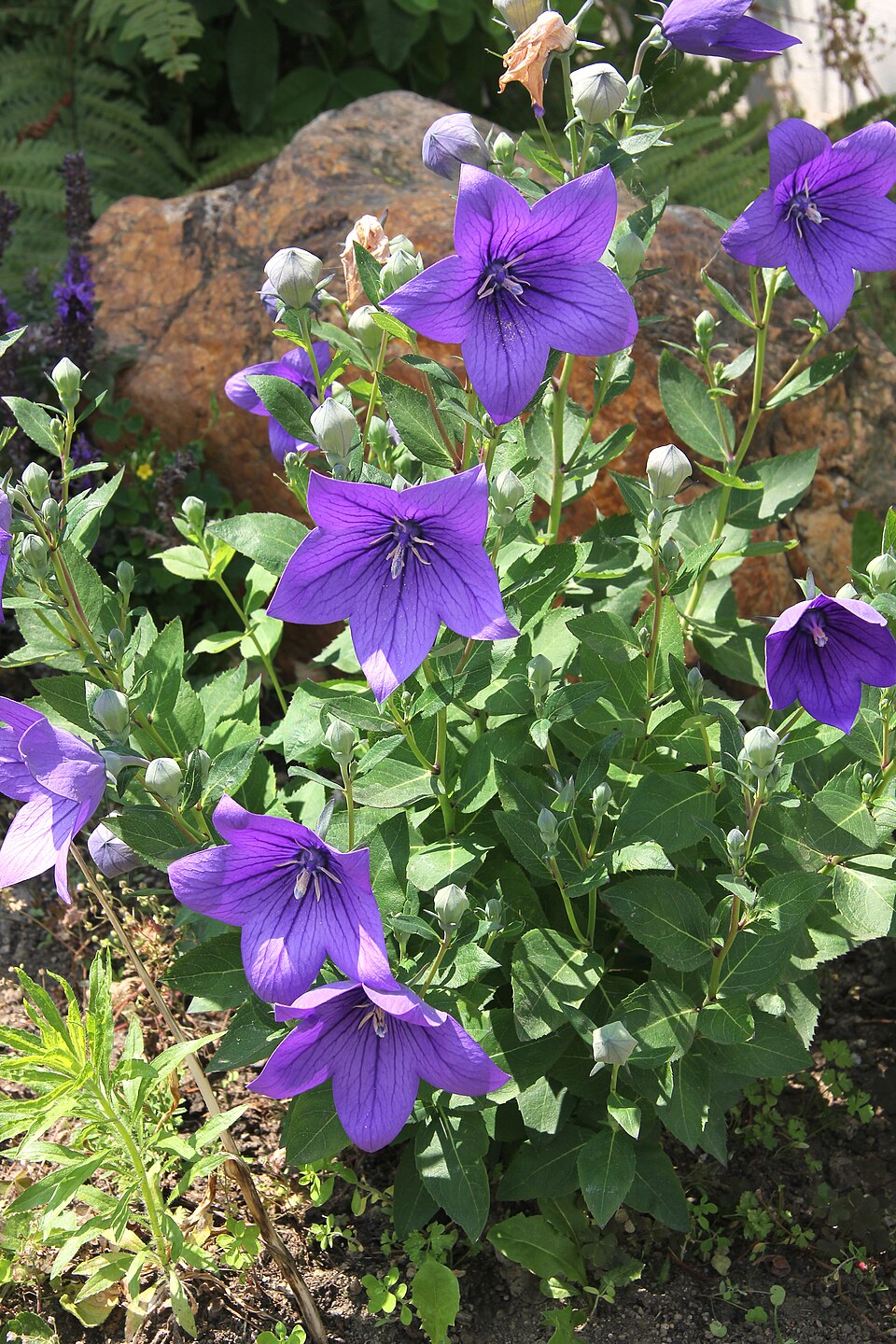
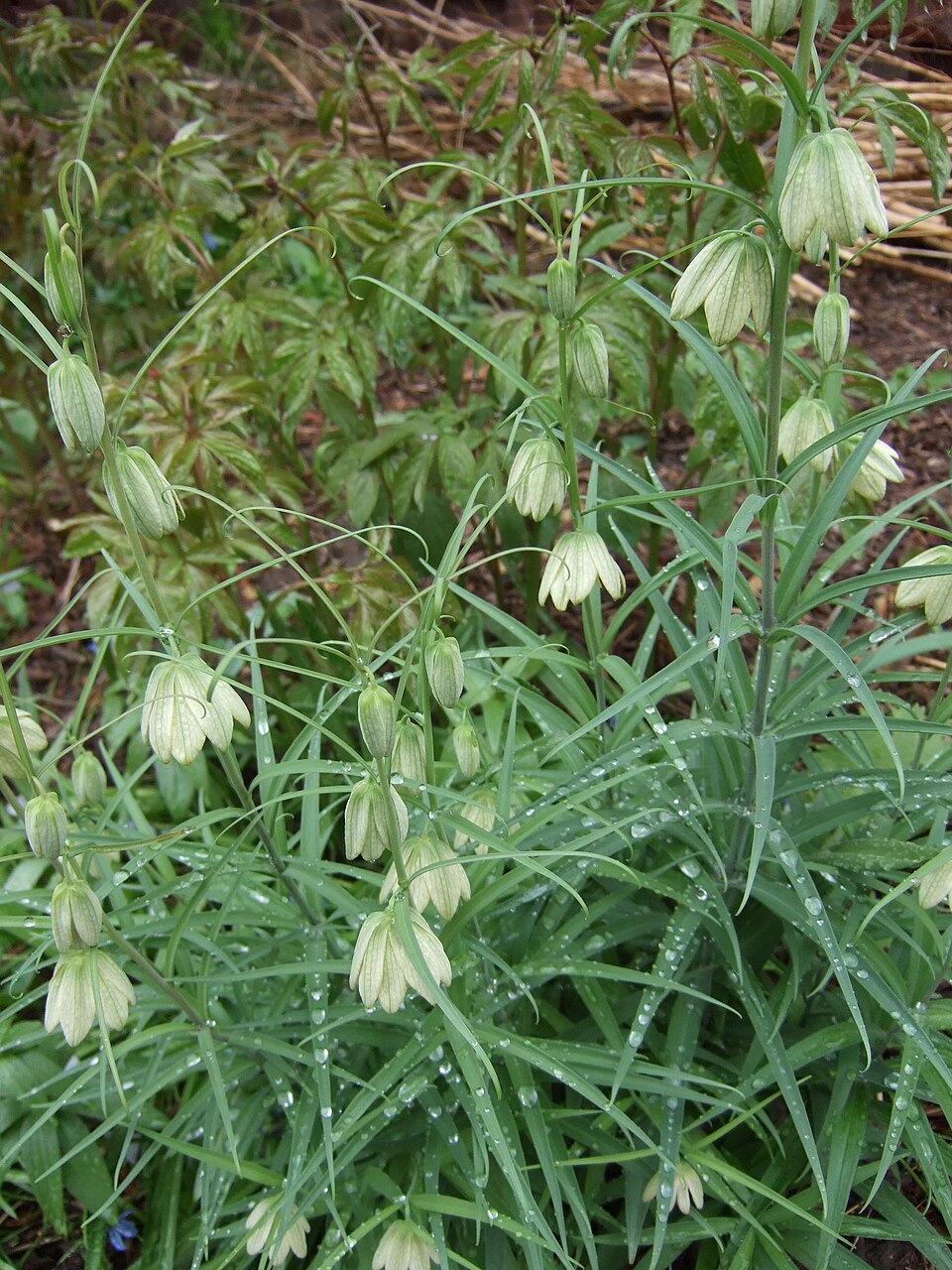
The bulb has two fleshy scales and a pale, compact appearance, and it is close in name to Sichuan Fritillary but has a different species and trade history. The dried scales are pale and firm, with a slightly bitter taste, and the two-scaled form is characteristic of the Zhejiang material. The two-scaled form is an orientation clue, but the Latin name and the source should be confirmed with the label, and powdered products need separate species verification.
Images are for orientation only, not definitive species authentication; confirm species, part, source, and labeling with a qualified professional or authoritative monograph.
TRADITIONAL CONTEXT
Traditional Use in Context
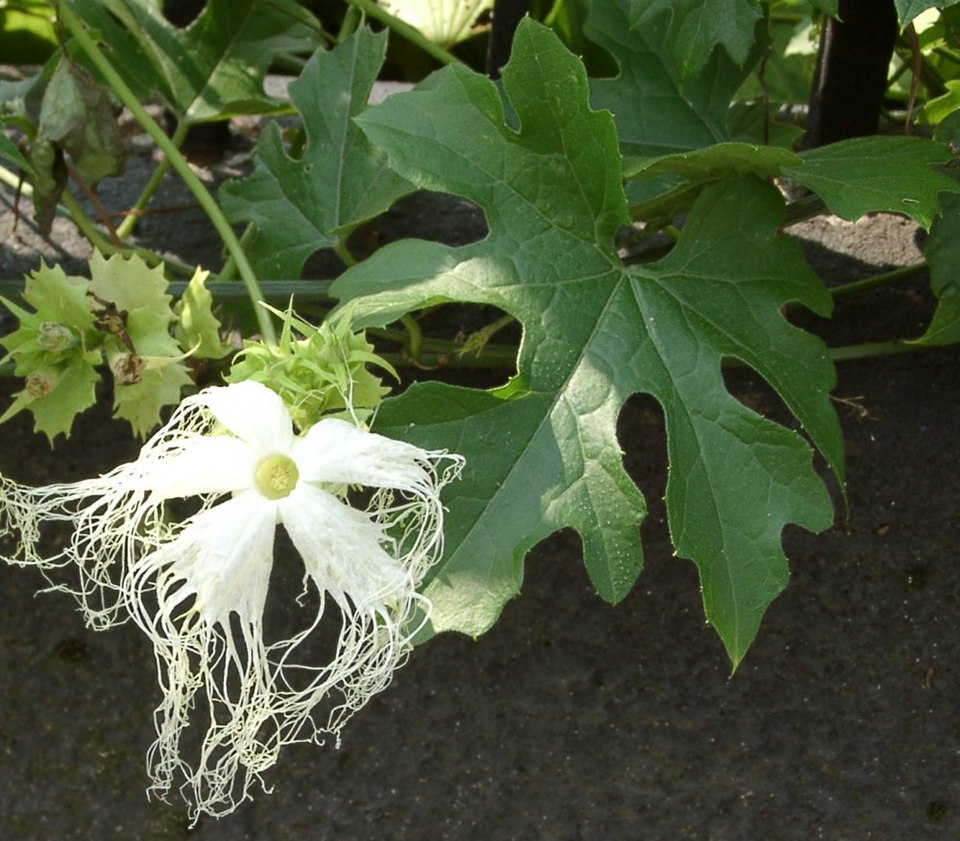
Traditional records discuss Zhejiang Fritillary for heat-phlegm, cough, nodules, and cooling dispersal, and it appears in formulas aimed at heat-related phlegm cough and at nodule or swelling language, such as the classical combination with Snakegourd Fruit and Scallion Stalk for chest discomfort. Classical texts describe it for thick, heat-related phlegm and for cooling dispersal of swellings, always within a pattern-based framework. The nodule vocabulary is historical and does not identify a modern mass, and any newly felt lump, persistent swelling, or unexplained cough requires medical examination.
PROCESSING CONTEXT
Raw Material, Processing, and Product Form
Bulbs are washed, dried, and often powdered or sliced, and product labels should distinguish cultivated material, species, and any combined cough ingredients. The powder and the whole bulb are separate records.
The same name can cover a raw material, decoction piece, powder, extract, or finished product, so record the labeled form rather than assuming it; see the safety review for the questions to ask.
SAFETY REVIEW
Safety Boundaries
Review cold sensitivity, diarrhea, pregnancy, allergy, and persistent lumps or respiratory symptoms, and check the complete ingredients of any combined cough product. Traditional nodule language does not identify a modern mass, and a new lump or persistent cough requires medical assessment.
This record is not a dose recommendation; risk depends on identity, preparation, amount, duration, contamination, other medicines, and health conditions — a traditional or “natural” label cannot establish safety. For the full framework, read the Chinese Herbal Medicine Safety Review.
COMPARISON
How This Entry Differs
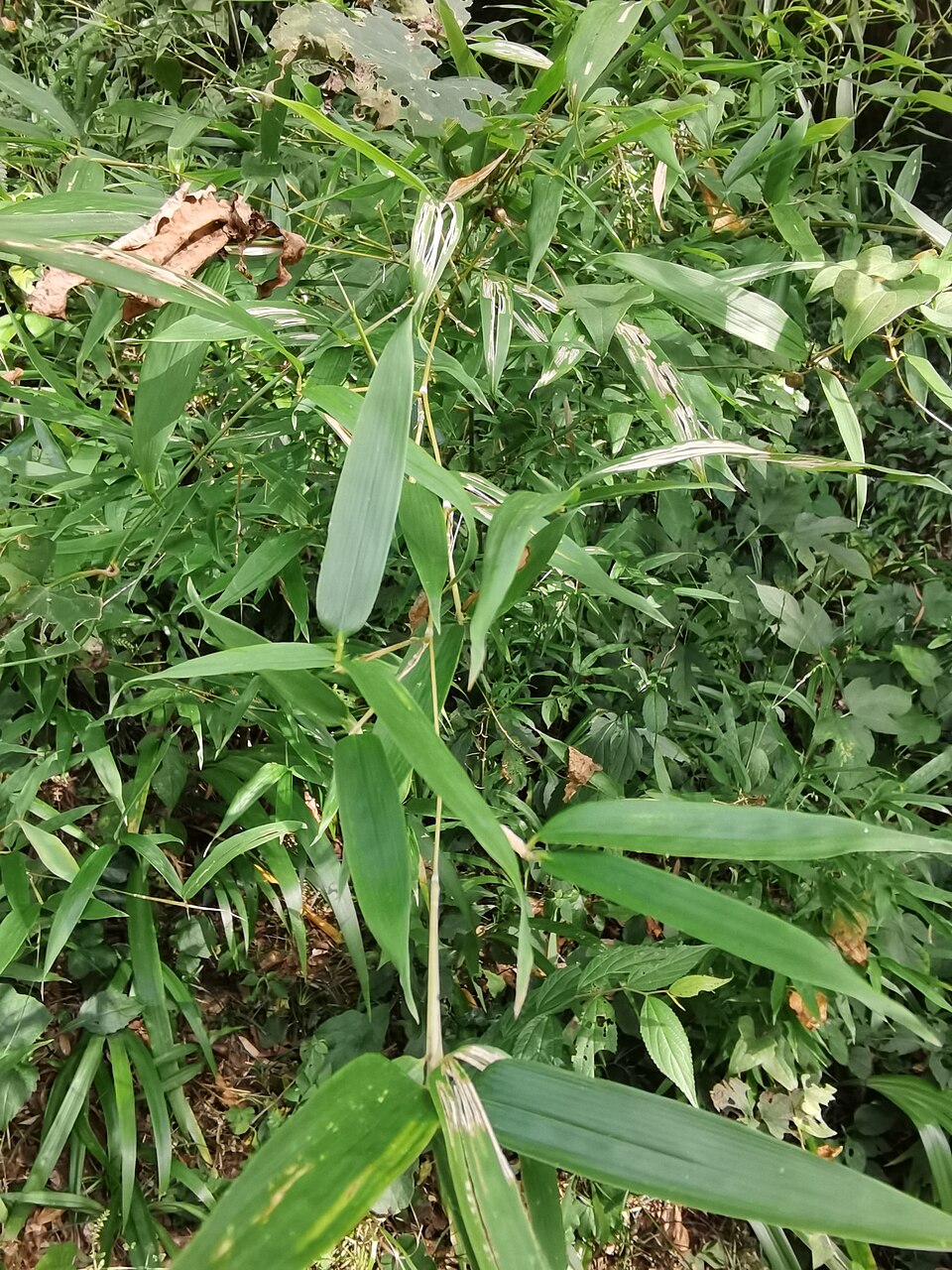
Compare Zhejiang Fritillary Bulb with Sichuan Fritillary for the two-species difference, and with Bamboo Shavings for the cooling phlegm vocabulary. Zhejiang Fritillary is distinguished by its cooling, heat-oriented character and its cultivated eastern-China source.
Use the related-entry links below to compare identity, part, processing, and safety boundaries — similar categories do not make materials interchangeable.
STUDY METHOD
New to these entries?
Read the four-step method in How to Read a Herb Entry before comparing materials.
Similar Herbs