Herb reference entry
Pinellia Rhizome / Crow-dipper
Pinellia Rhizome / Crow-dipper
Pinellia ternata (Thunb.) Breit.
Reviewed by Kuda, September 2, 2026 - Editorial policy
OVERVIEW
What This Record Covers
Pinellia Rhizome, called Ban Xia, is the tuber of Pinellia ternata, a small herb of the arum family (Araceae) that grows in shady, moist fields across eastern Asia. The medicinal material is the small, round, pale tuber, harvested, cleaned, and dried, and it has a distinctive cut surface with a central depression. In trade it appears as processed tuber pieces, powders, granules, and combined formulas, and the raw tuber is a separate and much more irritating material. Because raw Pinellia is strongly irritating to the mouth and throat, the source and the processing record must be distinguished before any product is used.
- English name
- Pinellia Rhizome / Crow-dipper
- Latin name
- Pinellia ternata (Thunb.) Breit.
- Traditional category
- Phlegm Transforming
- Nature
- Warm
- Flavor description
- Pungent
- Record identifier
- banxia
IDENTIFICATION
Identification and Image Notes
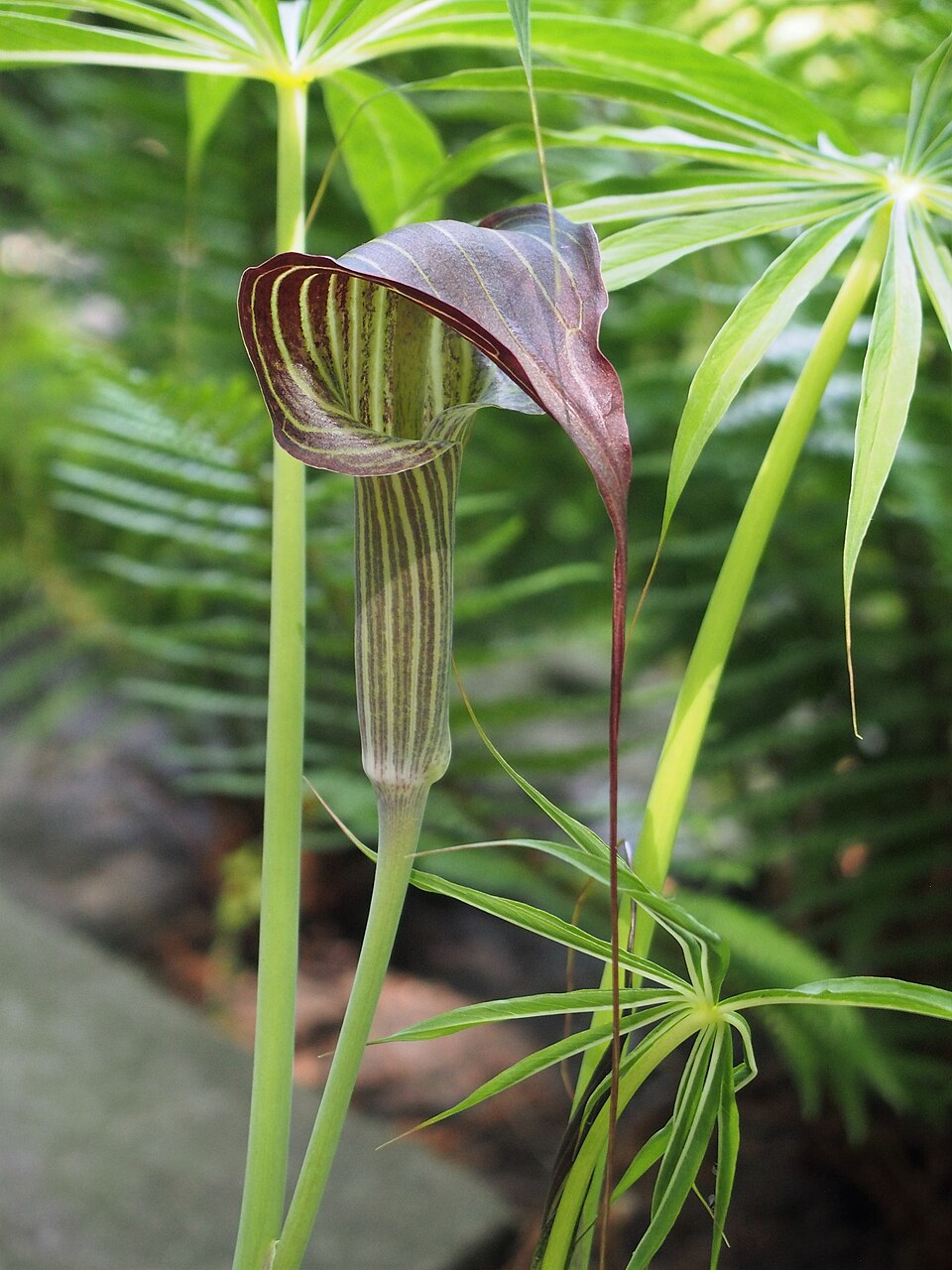
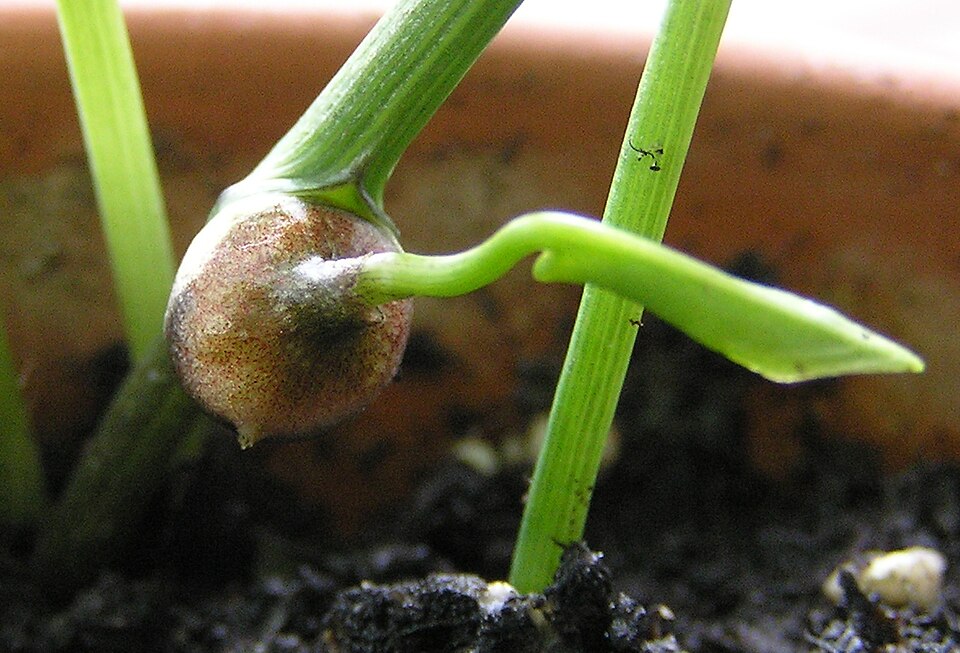
The tuber is small, round, and pale, with a central bud and a distinctive cut surface, and raw tuber, processed Pinellia, and unrelated substitutes are not interchangeable. The dried tuber is about a centimeter across, white to gray-white, with a slight central depression and a chalky texture, and the processed forms are darker and firmer. The processed form cannot be identified from a photograph, so the label and batch record are the identity document, and raw material should never be assumed from a processed product.
Images are for orientation only, not definitive species authentication; confirm species, part, source, and labeling with a qualified professional or authoritative monograph.
TRADITIONAL CONTEXT
Traditional Use in Context
Traditional records discuss Pinellia for phlegm, nausea, digestive obstruction, and dampness language, and it is a central ingredient of classical formulas such as Ban Xia Xie Xin Tang for digestive obstruction, Er Chen Tang for phlegm-dampness, and Xiao Ban Xia Tang for nausea. Classical texts describe it for nausea, a feeling of chest obstruction, and phlegm-dampness presentations, always within a pattern-based framework. The phlegm and nausea vocabulary is historical, and persistent vomiting, severe nausea, or digestive symptoms require medical assessment rather than self-treatment.
PROCESSING CONTEXT
Raw Material, Processing, and Product Form
Processing with ginger, alum, or other specified materials is a core identity and safety requirement, and raw material can be strongly irritating and should never be inferred from a processed product label. Each standardized processed form is a separate record.
The same name can cover a raw material, decoction piece, powder, extract, or finished product, so record the labeled form rather than assuming it; see the safety review for the questions to ask.
SAFETY REVIEW
Safety Boundaries
Treat this as a higher-attention entry: verify standardized processing, product source, and the absence of raw material, and do not use any unlabeled or unknown Pinellia product. Mouth or throat burning, swelling, vomiting, or breathing symptoms require immediate care, and this page is educational and is not a dose recommendation.
This record is not a dose recommendation; risk depends on identity, preparation, amount, duration, contamination, other medicines, and health conditions — a traditional or “natural” label cannot establish safety. For the full framework, read the Chinese Herbal Medicine Safety Review.
COMPARISON
How This Entry Differs
Compare Pinellia Rhizome with Arisaema Rhizome for the two aroid tubers, and with Bamboo Shavings for the cooling end of the phlegm vocabulary. Pinellia is distinguished by its warming character, its nausea-related history, and the strict processing its products require.
Use the related-entry links below to compare identity, part, processing, and safety boundaries — similar categories do not make materials interchangeable.
STUDY METHOD
New to these entries?
Read the four-step method in How to Read a Herb Entry before comparing materials.
Similar Herbs