Herb reference entry
Sichuan Fritillary Bulb / Chuan Bei Mu
Sichuan Fritillary Bulb / Chuan Bei Mu
Fritillaria cirrhosa D.Don
Reviewed by Kuda, September 2, 2026 - Editorial policy
OVERVIEW
What This Record Covers
Sichuan Fritillary Bulb, called Chuan Bei Mu, is the dried bulb of Fritillaria cirrhosa and related high-altitude Fritillaria species, herbaceous perennials of the lily family (Liliaceae) that grow on mountain slopes in western China. The medicinal material is the small bulb made of overlapping scales, harvested, cleaned, and dried whole or sliced. In trade it appears as small whole bulbs, scale pieces, powder, granules, and cough preparations, and the species, region, and bulb size are important parts of the record. Because several Fritillaria species are traded and the bulbs are small and similar, the Latin name and the cultivation or wild-harvest source should be confirmed on the label.
- English name
- Sichuan Fritillary Bulb / Chuan Bei Mu
- Latin name
- Fritillaria cirrhosa D.Don
- Traditional category
- Phlegm Transforming
- Nature
- Slightly Cold
- Flavor description
- Bitter, Sweet
- Record identifier
- chuanbeimu
IDENTIFICATION
Identification and Image Notes
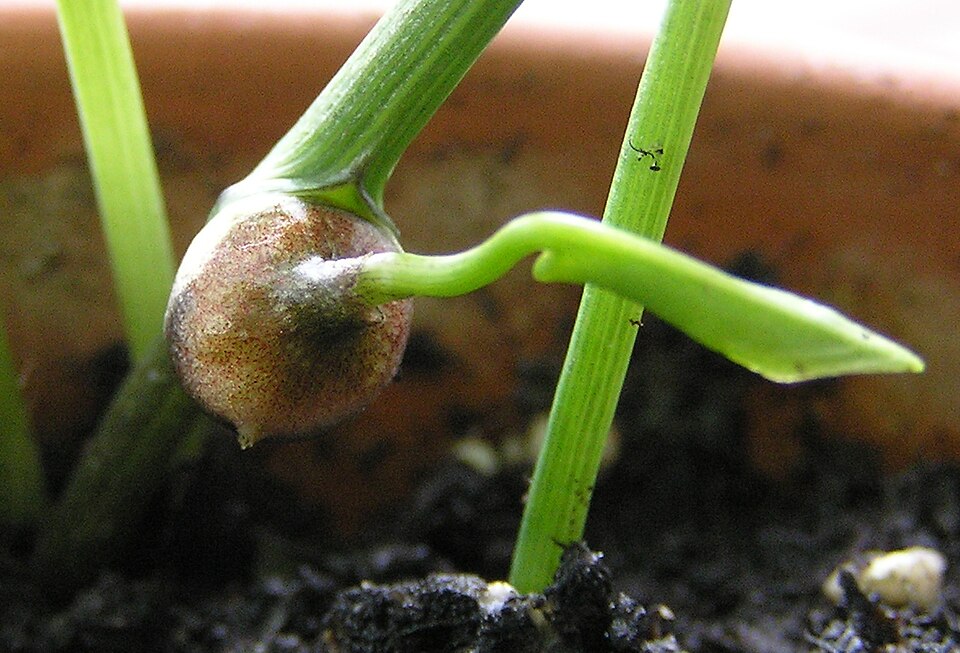
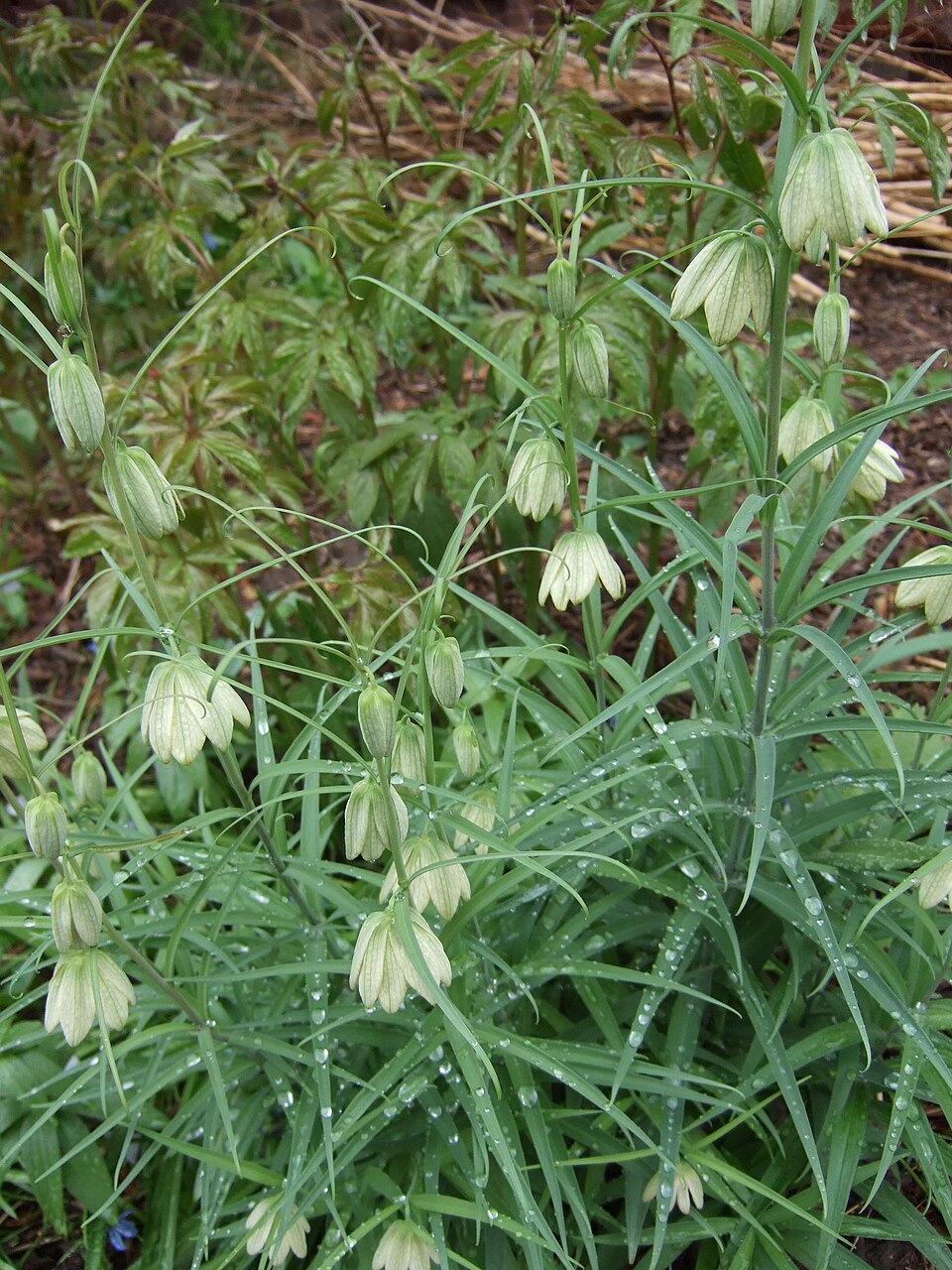
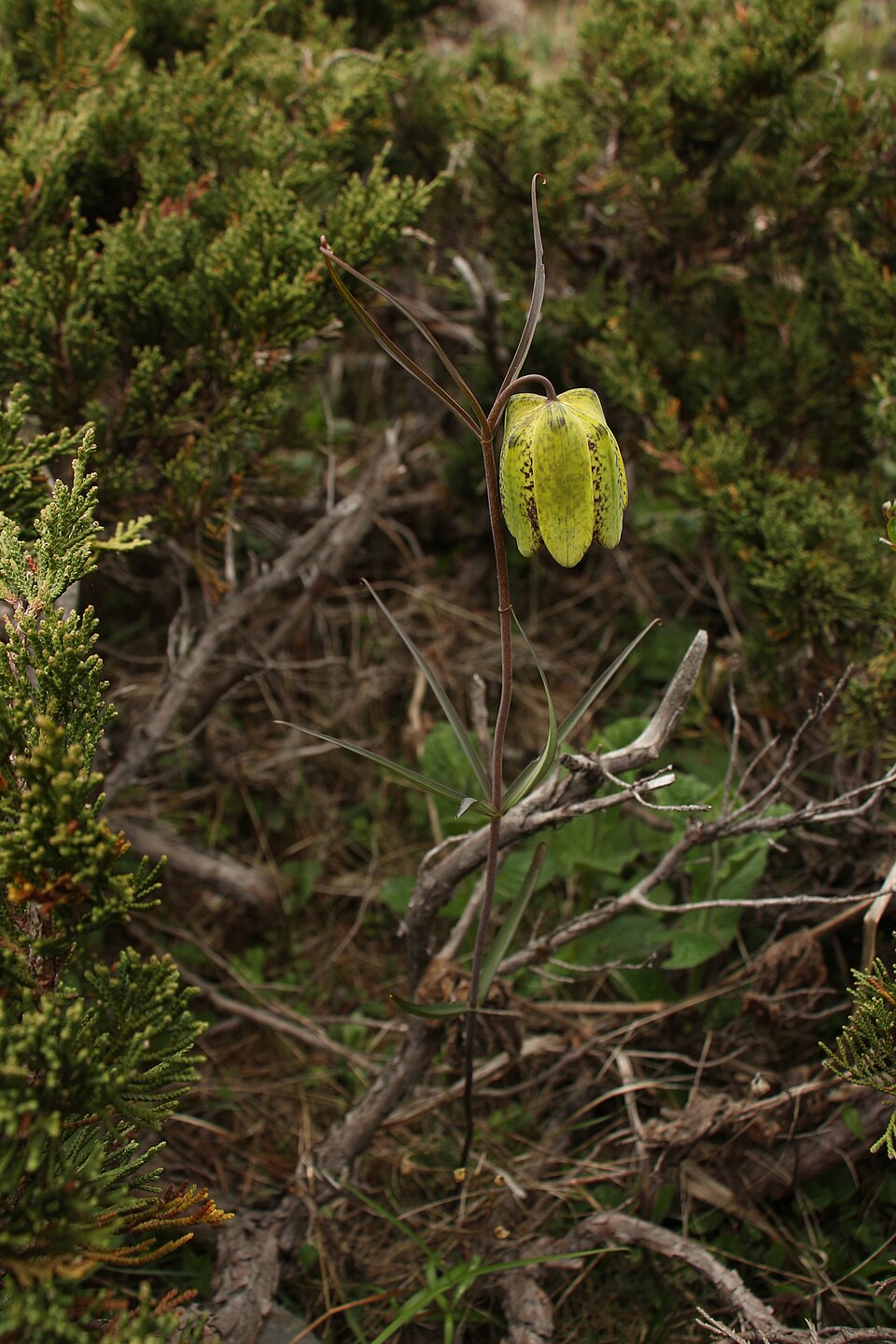
The bulb is made of overlapping scales and can be small, white, and easily confused with other Fritillaria species, and species, region, and bulb size are important. The dried bulb is small, white, and cone-shaped, with several overlapping scales around a central axis, and the surface is smooth with a faint chalky texture. The small scale-like bulb is an orientation clue, but the Latin name and source should be confirmed with the label, since closely related Fritillaria species are traded under similar names.
Images are for orientation only, not definitive species authentication; confirm species, part, source, and labeling with a qualified professional or authoritative monograph.
TRADITIONAL CONTEXT
Traditional Use in Context
Traditional records discuss Sichuan Fritillary for lung yin, dry cough, phlegm, and heat-related respiratory language, and it is a classic ingredient in cough formulas for dry and heat-related cough presentations, such as Chuan Bei Pi Pa Gao, a cough syrup-like preparation, and in combinations with moistening roots. Classical texts describe it for a dry cough with little phlegm, always within a pattern-based framework. The phlegm vocabulary is historical and is not a modern respiratory diagnosis, and a persistent or worsening cough, fever, or breathing difficulty requires medical assessment rather than self-treatment.
PROCESSING CONTEXT
Raw Material, Processing, and Product Form
Bulbs are cleaned, dried whole or sliced, and sometimes powdered, and wild and cultivated sources, adulteration, and extract concentration need documentation. The whole bulb and the powder are different records.
The same name can cover a raw material, decoction piece, powder, extract, or finished product, so record the labeled form rather than assuming it; see the safety review for the questions to ask.
SAFETY REVIEW
Safety Boundaries
Review diarrhea, cold sensitivity, pregnancy, allergy, and persistent cough or breathing symptoms, and check the complete ingredients of any combined cough product. A transforming-phlegm phrase is not a modern respiratory diagnosis, and persistent symptoms require medical care.
This record is not a dose recommendation; risk depends on identity, preparation, amount, duration, contamination, other medicines, and health conditions — a traditional or “natural” label cannot establish safety. For the full framework, read the Chinese Herbal Medicine Safety Review.
COMPARISON
How This Entry Differs
Compare Sichuan Fritillary Bulb with Zhejiang Fritillary for the two bulb species, and with Dwarf Lilyturf Root for the moistening end of the lung vocabulary. Sichuan Fritillary is distinguished by its high-altitude source and its association with dry, heat-related cough.
Use the related-entry links below to compare identity, part, processing, and safety boundaries — similar categories do not make materials interchangeable.
STUDY METHOD
New to these entries?
Read the four-step method in How to Read a Herb Entry before comparing materials.
Similar Herbs