Herb reference entry
Bamboo Shavings / Bamboo Curls
Bamboo Shavings / Bamboo Curls
Phyllostachys nigra (Lodd.) Munro var. henonis (Mitford) Stapf ex Rendle
Reviewed by Kuda, September 2, 2026 - Editorial policy
OVERVIEW
What This Record Covers
Bamboo Shavings, called Zhu Ru, is the scraped inner shavings of selected Phyllostachys bamboo stems, the same fast-growing grasses of the grass family (Poaceae) cultivated across Asia. The medicinal material is the thin, curled, pale strip scraped from the inner surface of the green bamboo stem after the outer green layer is removed, and it is dried for use. In trade it appears as thin curled shavings, cut material, powders, granules, and combined formulas, and the bamboo species and the processed layer should be recorded. The shavings should not be confused with bamboo leaves, shoots, or the hard outer stem.
- English name
- Bamboo Shavings / Bamboo Curls
- Latin name
- Phyllostachys nigra (Lodd.) Munro var. henonis (Mitford) Stapf ex Rendle
- Traditional category
- Phlegm Transforming
- Nature
- Slightly Cold
- Flavor description
- Sweet
- Record identifier
- zhuru
IDENTIFICATION
Identification and Image Notes
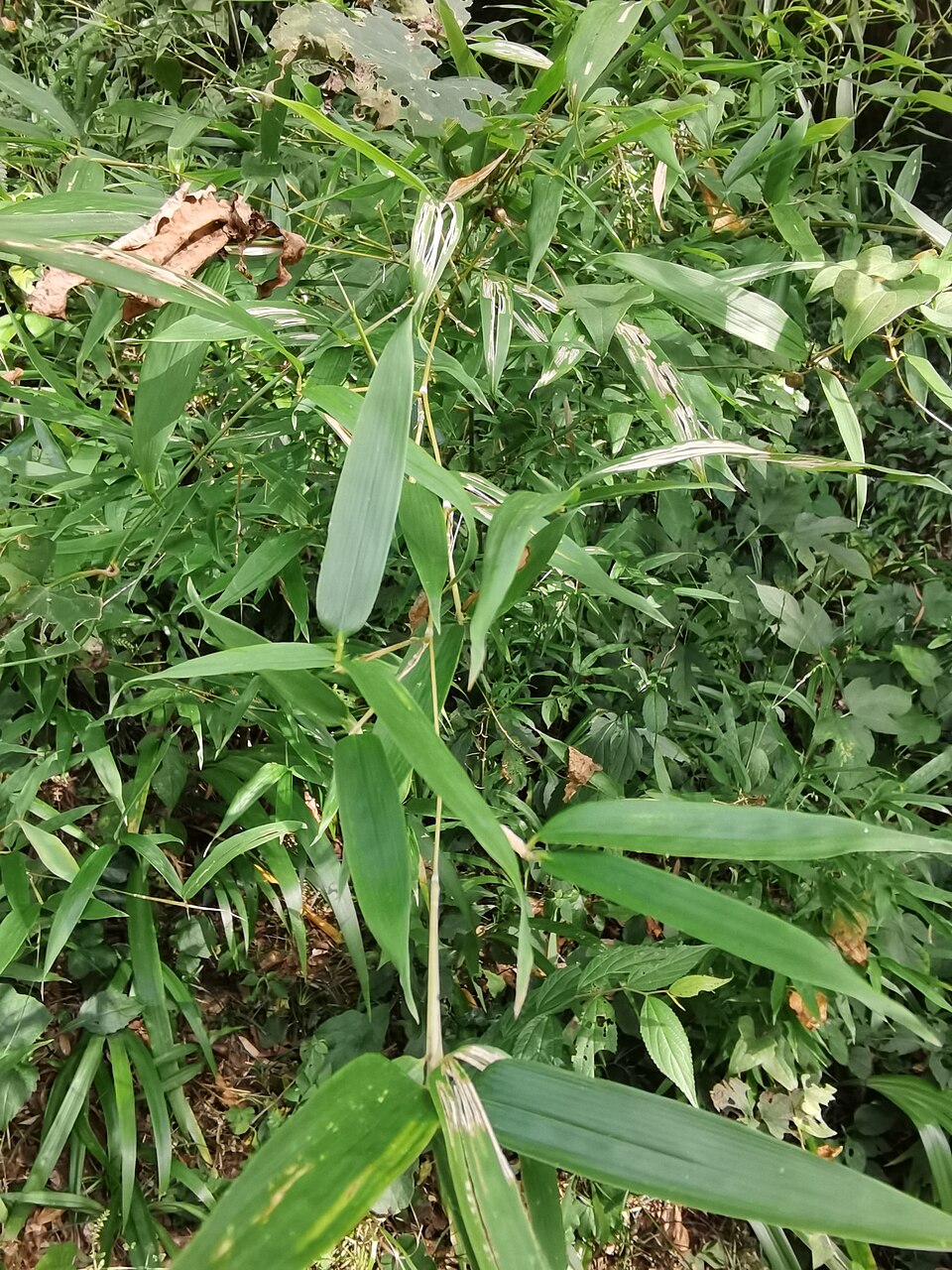
Bamboo Shavings are thin curled strips of pale inner stem tissue, not leaves or bamboo shoots, and the bamboo species and the processed layer should be recorded. The dried shavings are light, brittle, and pale yellow-white with a papery texture, and they curl as they dry. The thin curled form is distinctive, but the species and the layer should be confirmed with the label, and charred preparations should be recorded separately.
Images are for orientation only, not definitive species authentication; confirm species, part, source, and labeling with a qualified professional or authoritative monograph.
TRADITIONAL CONTEXT
Traditional Use in Context
Traditional records discuss Bamboo Shavings for phlegm-heat, nausea, restlessness, and stomach or lung-related historical descriptions, and it appears in formulas aimed at heat-related nausea and restlessness with phlegm, such as Zhu Ru Wen Dan Tang, where it is paired with Immature Bitter Orange and Poria, and in the classical combination with Pinellia for phlegm with opposite temperature emphasis. Classical texts describe it for clearing phlegm-heat and calming an agitated stomach, always within a pattern-based framework. The cooling phlegm vocabulary is historical, and persistent vomiting, dehydration, or mental changes require medical evaluation rather than a traditional label. Vomiting with blood, fever, or confusion needs urgent care.
PROCESSING CONTEXT
Raw Material, Processing, and Product Form
The outer green layer is removed and the inner surface is scraped, then dried or stir-fried, and charred bamboo preparations are a separate record from raw shavings. Each processed form carries a different traditional emphasis.
The same name can cover a raw material, decoction piece, powder, extract, or finished product, so record the labeled form rather than assuming it; see the safety review for the questions to ask.
SAFETY REVIEW
Safety Boundaries
Review allergy, digestive symptoms, pregnancy, and persistent vomiting or mental changes, and check the complete ingredients of any combined product. A cooling phlegm label should not replace evaluation of dehydration or acute illness, and severe symptoms require medical care.
This record is not a dose recommendation; risk depends on identity, preparation, amount, duration, contamination, other medicines, and health conditions — a traditional or “natural” label cannot establish safety. For the full framework, read the Chinese Herbal Medicine Safety Review.
COMPARISON
How This Entry Differs
Compare Bamboo Shavings with Pinellia Rhizome for the phlegm pair with opposite temperature, and with Snakegourd Fruit for the chest-oriented phlegm vocabulary. Bamboo Shavings is the cooling, stem-derived member of the group. Its light, papery form makes it a gentle addition compared with the stronger aroid tubers.
Use the related-entry links below to compare identity, part, processing, and safety boundaries — similar categories do not make materials interchangeable.
STUDY METHOD
New to these entries?
Read the four-step method in How to Read a Herb Entry before comparing materials.
Similar Herbs