Herb reference entry
Snakegourd Fruit / Trichosanthes Fruit
Snakegourd Fruit / Trichosanthes Fruit
Trichosanthes kirilowii Maxim.
Reviewed by Kuda, September 2, 2026 - Editorial policy
OVERVIEW
What This Record Covers
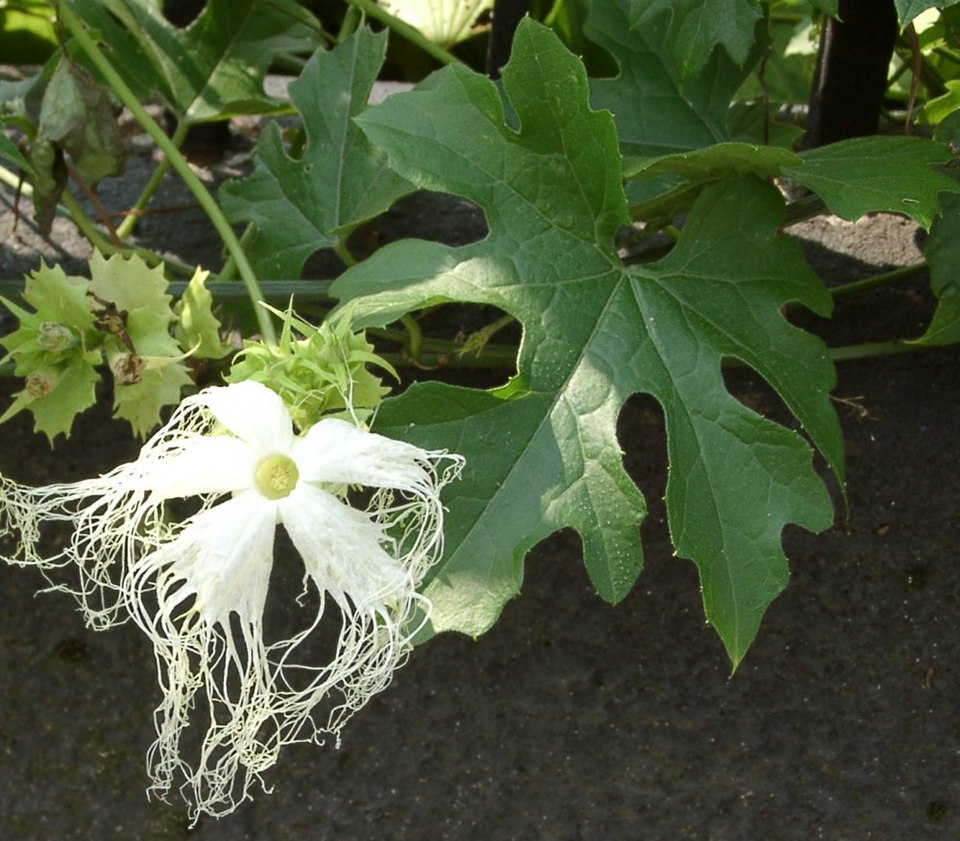
Snakegourd Fruit, called Gua Lou, is the fruit of Trichosanthes kirilowii, a climbing vine of the gourd family (Cucurbitaceae) cultivated across eastern Asia, and the fruit, seed, peel, and root are recorded as separate medicinal parts. The medicinal material is the round orange fruit containing seeds and a fleshy interior, harvested when mature and dried. In trade it appears as whole or cut fruit, separated seeds, peel, powder, and combined formulas, and the label must state which part is present. Because the plant part changes the record completely, a powdered product without a plant-part statement is an incomplete identity record.
- English name
- Snakegourd Fruit / Trichosanthes Fruit
- Latin name
- Trichosanthes kirilowii Maxim.
- Traditional category
- Phlegm Transforming
- Nature
- Cold
- Flavor description
- Sweet, Slightly Bitter
- Record identifier
- gualou
IDENTIFICATION
Identification and Image Notes
The round orange fruit contains seeds and a fleshy interior, and Trichosanthes seed, peel, and root are different medicinal parts, so the label must state which part is present. The dried fruit is thin-walled and orange-brown with visible seeds, while the seed is flat, oval, and pale with a marginal ridge, and the root is a separate starchy material. The fruit, the seed, and the root differ sharply in appearance and record, and a powdered product without a plant-part statement is incomplete.
Images are for orientation only, not definitive species authentication; confirm species, part, source, and labeling with a qualified professional or authoritative monograph.
TRADITIONAL CONTEXT
Traditional Use in Context
Traditional records discuss Snakegourd for chest and lung phlegm, heat, constipation, and fluid or chest obstruction language, and it appears in classical formulas aimed at chest discomfort with phlegm, such as Xiao Xian Xiong Tang with Pinellia and Coptis, and at dry stools. Classical texts describe it for chest and lung phlegm-heat and for moistening the intestines, always within a pattern-based framework. The chest vocabulary is historical, and a chest-phlegm category cannot distinguish reflux, infection, or cardiovascular disease, so chest pain or breathing symptoms require urgent assessment.
PROCESSING CONTEXT
Raw Material, Processing, and Product Form
Fruit, seed, peel, and root are cleaned, dried, and processed differently, and a powdered gualou without a plant-part statement is an incomplete identity record. Each part should carry its own processing and quality record.
The same name can cover a raw material, decoction piece, powder, extract, or finished product, so record the labeled form rather than assuming it; see the safety review for the questions to ask.
SAFETY REVIEW
Safety Boundaries
Review diarrhea, pregnancy, allergy, anticoagulants, and chest pain or breathing symptoms, and check the stated plant part of any product. A chest-phlegm category cannot distinguish reflux, infection, or cardiovascular disease, and chest pain or breathing difficulty requires medical care.
This record is not a dose recommendation; risk depends on identity, preparation, amount, duration, contamination, other medicines, and health conditions — a traditional or “natural” label cannot establish safety. For the full framework, read the Chinese Herbal Medicine Safety Review.
COMPARISON
How This Entry Differs
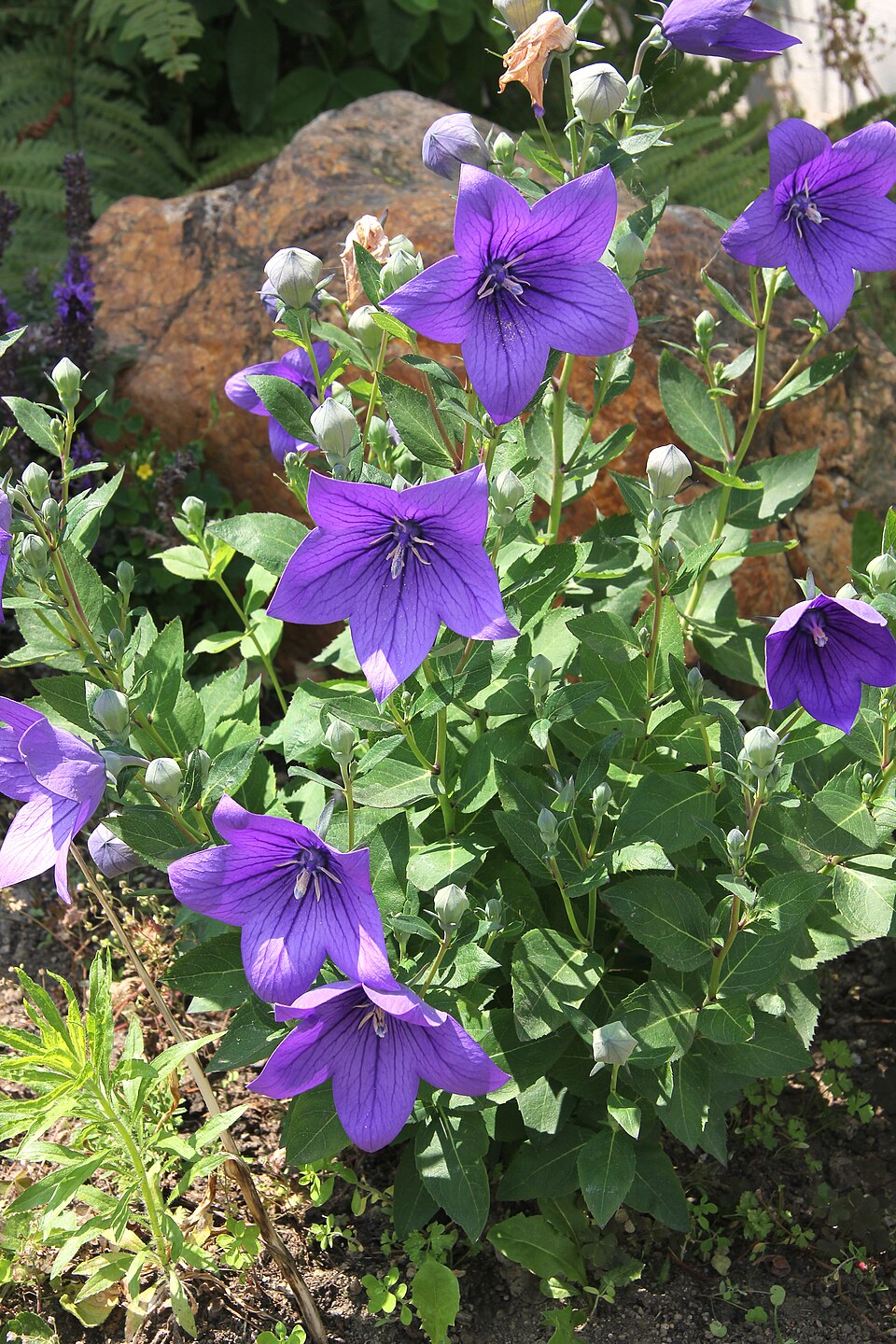
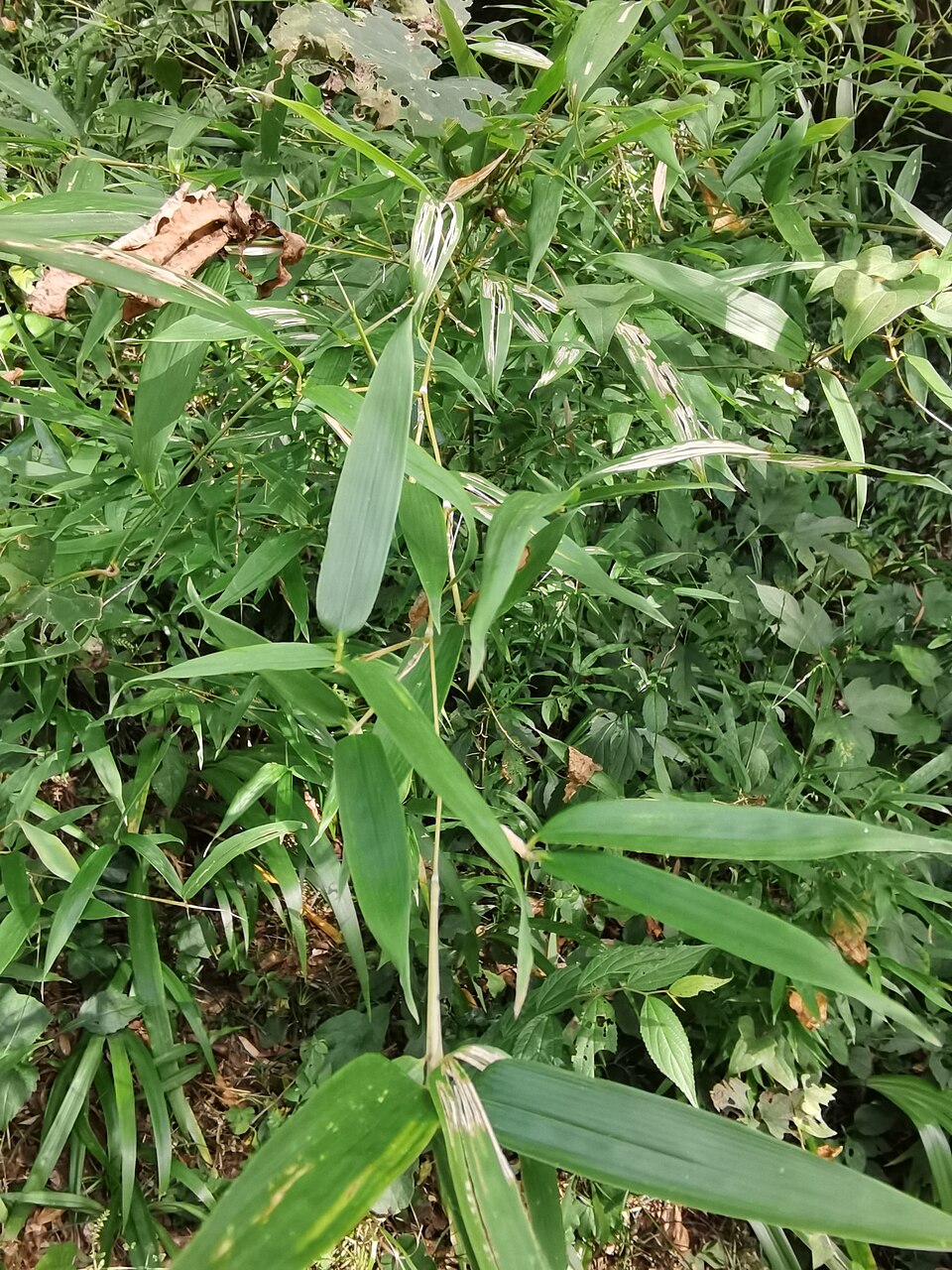
Compare Snakegourd Fruit with Balloon Flower Root and Bamboo Shavings for plant part, chest language, cooling, and digestive boundaries. Snakegourd is the fruit-based member of the group and the one with the most plant-part confusion in trade.
Use the related-entry links below to compare identity, part, processing, and safety boundaries — similar categories do not make materials interchangeable.
STUDY METHOD
New to these entries?
Read the four-step method in How to Read a Herb Entry before comparing materials.
Similar Herbs