Herb reference entry
Arisaema Rhizome / Jack-in-the-pulpit
Arisaema Rhizome / Jack-in-the-pulpit
Arisaema erubescens (Wall.) Schott
Reviewed by Kuda, September 2, 2026 - Editorial policy
OVERVIEW
What This Record Covers
Arisaema Rhizome, called Tian Nan Xing, is the tuber of Arisaema erubescens and selected Arisaema species, woodland herbs of the arum family (Araceae) that grow in shady forests across China. The plant has a single divided leaf and a distinctive hooded inflorescence, and the medicinal part is the round, pale underground tuber. In trade it appears as processed tuber pieces, powders, granules, and combined formulas, and the raw tuber is a different and dangerous material. Because raw Arisaema is irritating and toxic, the species and the processed form must be confirmed before any product is identified or used.
- English name
- Arisaema Rhizome / Jack-in-the-pulpit
- Latin name
- Arisaema erubescens (Wall.) Schott
- Traditional category
- Phlegm Transforming
- Nature
- Warm
- Flavor description
- Bitter, Pungent
- Record identifier
- tiannanxing
IDENTIFICATION
Identification and Image Notes
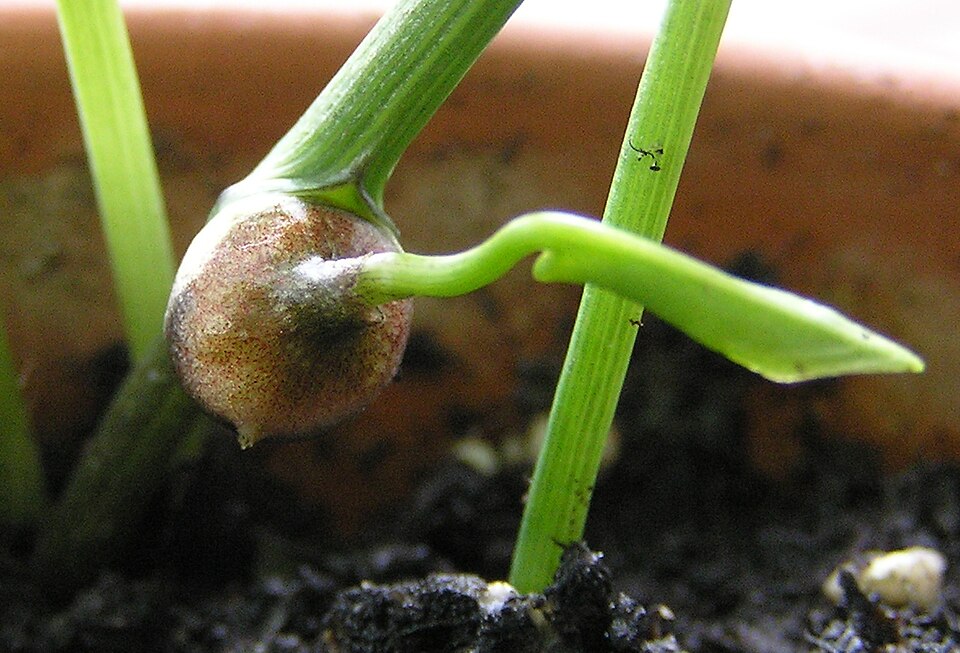
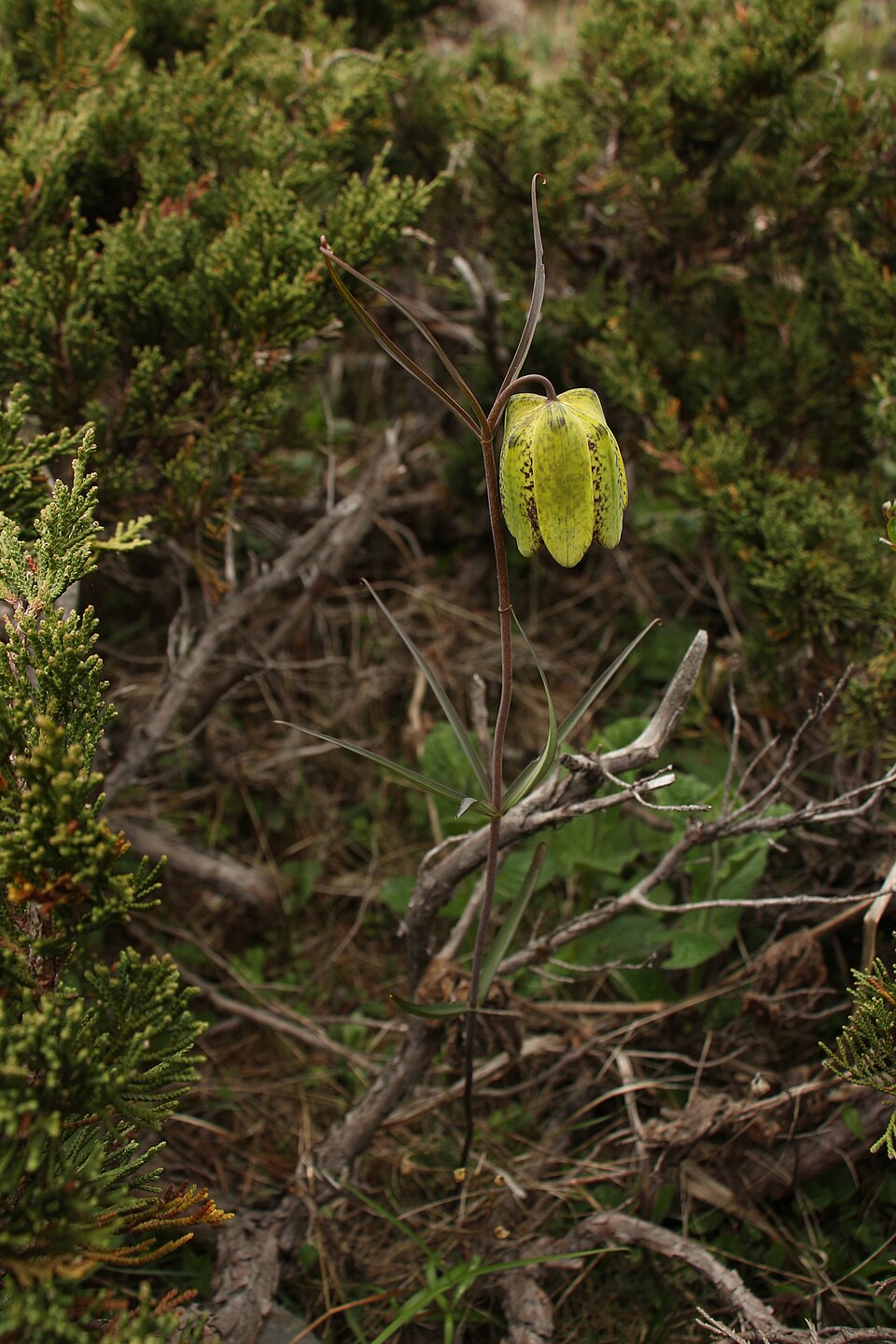
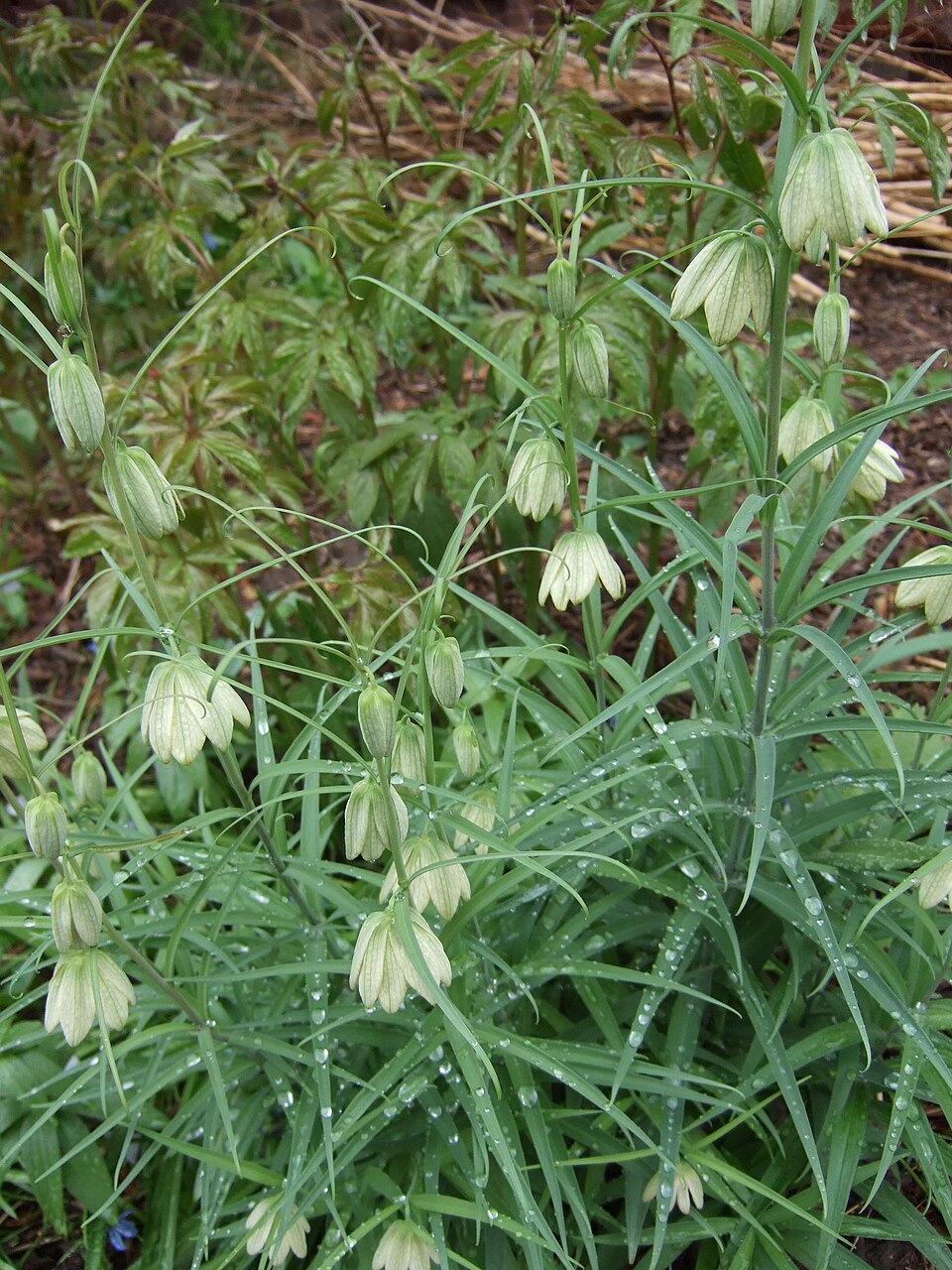
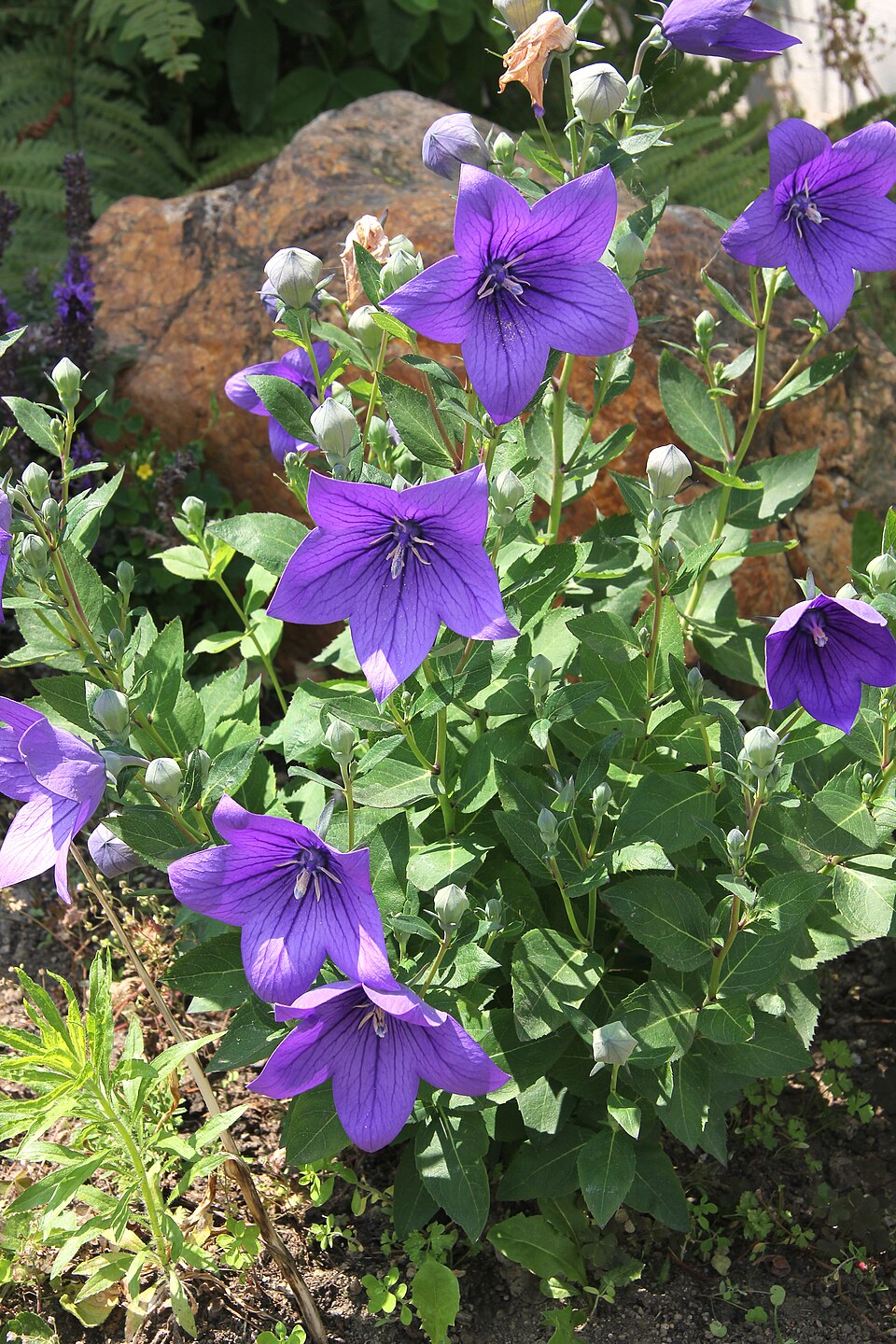
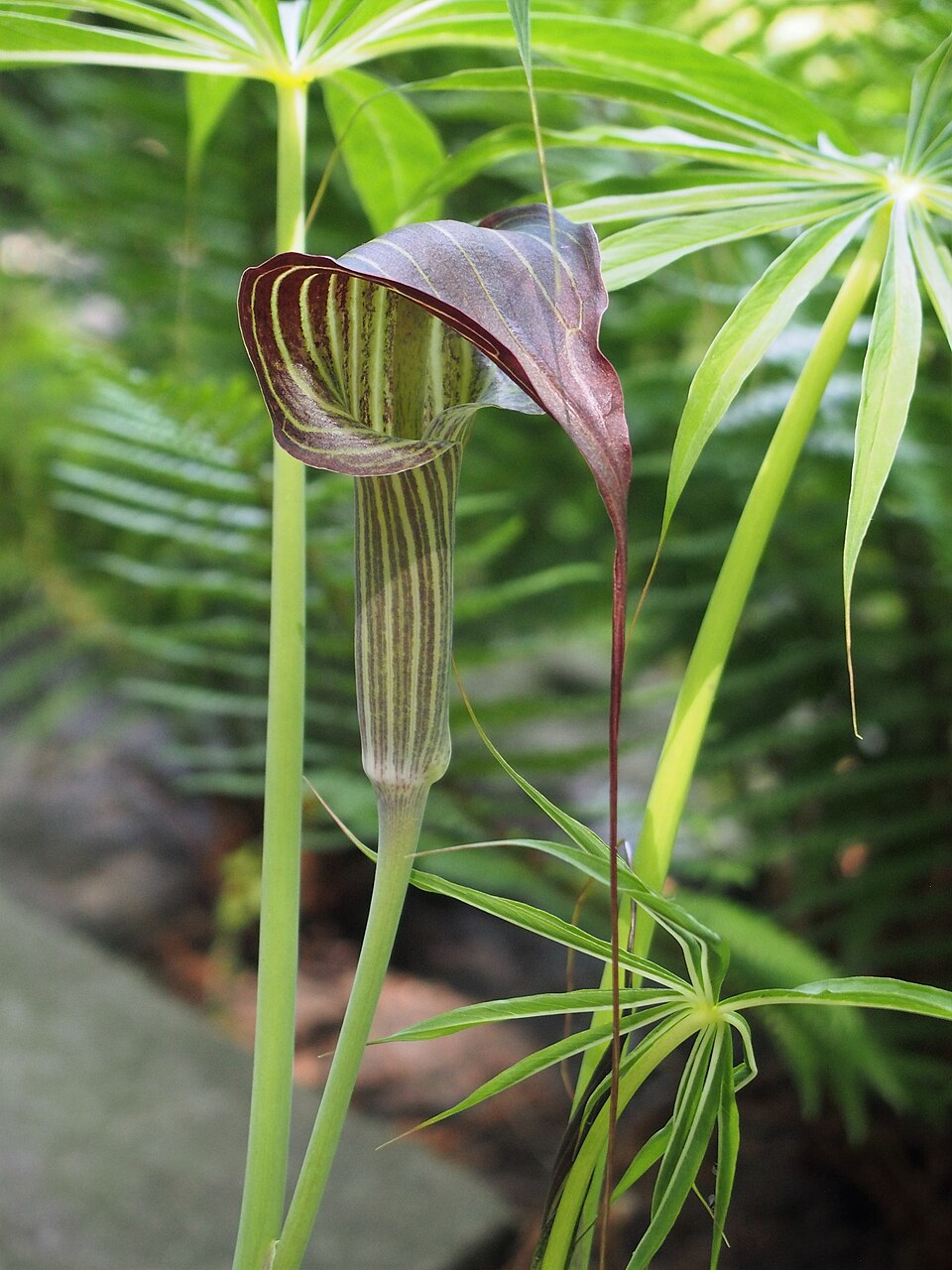
Arisaema is a woodland aroid with a single divided leaf and a distinctive hooded inflorescence, and the medicinal tuber is round and pale. The dried tuber is flattened, pale, and chalky, with a characteristic central depression and a faint acrid smell. Species and processed form must be confirmed, and the raw tuber should never be assumed from a processed product label, since the two are completely different in safety profile.
Images are for orientation only, not definitive species authentication; confirm species, part, source, and labeling with a qualified professional or authoritative monograph.
TRADITIONAL CONTEXT
Traditional Use in Context
Traditional records discuss Arisaema for wind-phlegm, convulsion, obstruction, and stubborn phlegm language, and it appears in classical formulas aimed at phlegm-dampness with wind-related presentations and at difficult-to-clear phlegm, where it is paired with Pinellia and citrus materials in phlegm formulas. Classical texts describe it for stubborn phlegm and for wind-phlegm presentations, always within a pattern-based framework. The convulsion and phlegm vocabulary is historical, and neurological symptoms, seizures, or breathing difficulty require urgent medical care rather than a traditional label. Any new seizure, weakness, or speech change demands immediate evaluation.
PROCESSING CONTEXT
Raw Material, Processing, and Product Form
Processed Arisaema is made through a specified detoxifying preparation, and raw tuber is irritating and toxic, so an image, common name, or natural label cannot substitute for traceable processing. The processing batch record is the identity document.
The same name can cover a raw material, decoction piece, powder, extract, or finished product, so record the labeled form rather than assuming it; see the safety review for the questions to ask.
SAFETY REVIEW
Safety Boundaries
Treat this as a high-risk material: do not handle or ingest an unknown form, and do not assume that a product is safe because it is labeled with the common name. Mouth swelling, burning, vomiting, or breathing difficulty requires urgent medical attention, and this page is educational and is not a dose recommendation.
This record is not a dose recommendation; risk depends on identity, preparation, amount, duration, contamination, other medicines, and health conditions — a traditional or “natural” label cannot establish safety. For the full framework, read the Chinese Herbal Medicine Safety Review.
COMPARISON
How This Entry Differs
Compare Arisaema Rhizome with Pinellia Rhizome for the two aroid tubers, and with Sichuan Fritillary for the phlegm vocabulary. Do not transfer the processing or safety assumptions of one material to another, because the toxicity and preparation requirements differ.
Use the related-entry links below to compare identity, part, processing, and safety boundaries — similar categories do not make materials interchangeable.
STUDY METHOD
New to these entries?
Read the four-step method in How to Read a Herb Entry before comparing materials.
Similar Herbs