Herb reference entry
White Peony Root
White Peony Root
Paeonia lactiflora Pall.
Reviewed by Kuda, September 2, 2026 - Editorial policy
OVERVIEW
What This Record Covers
White Peony Root is the dried root of Paeonia lactiflora, a perennial herb of the peony family cultivated for both ornamental flowers and medicinal roots. The medicinal part is the cleaned root, which is cylindrical, pale, and finely striated, with a white interior when properly processed. It appears as raw slices, wine-processed slices, powders, and granules, and it is one of the most frequent blood-nourishing ingredients in classical formulas. Because the same genus also produces red-flowered ornamental species, the source plant and the processed form must be confirmed before the record is used.
- English name
- White Peony Root
- Latin name
- Paeonia lactiflora Pall.
- Traditional category
- Blood Tonifying
- Nature
- Slightly Cold
- Flavor description
- Bitter, Sour
- Record identifier
- baishao
IDENTIFICATION
Identification and Image Notes
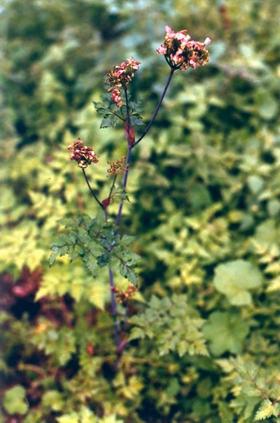
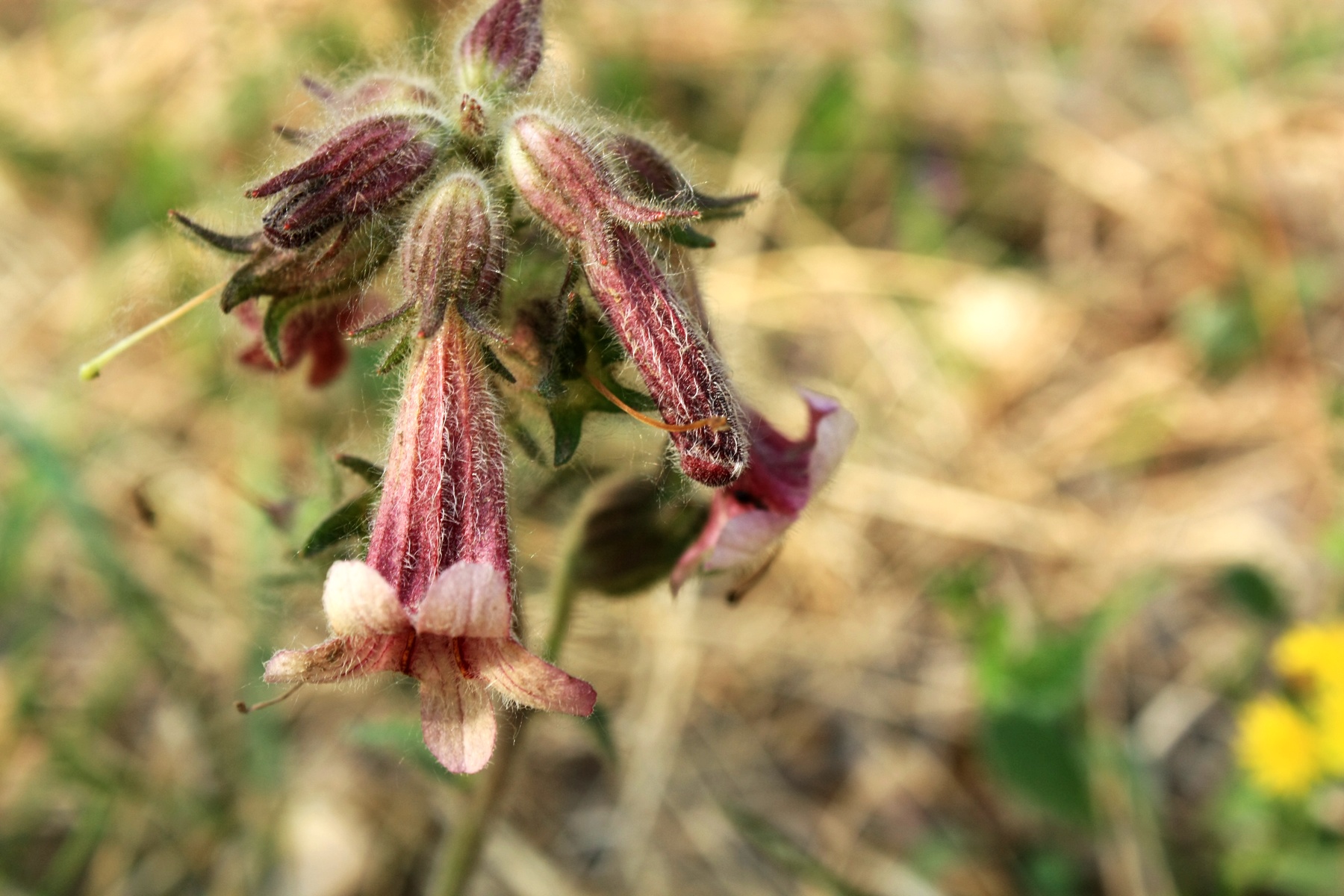
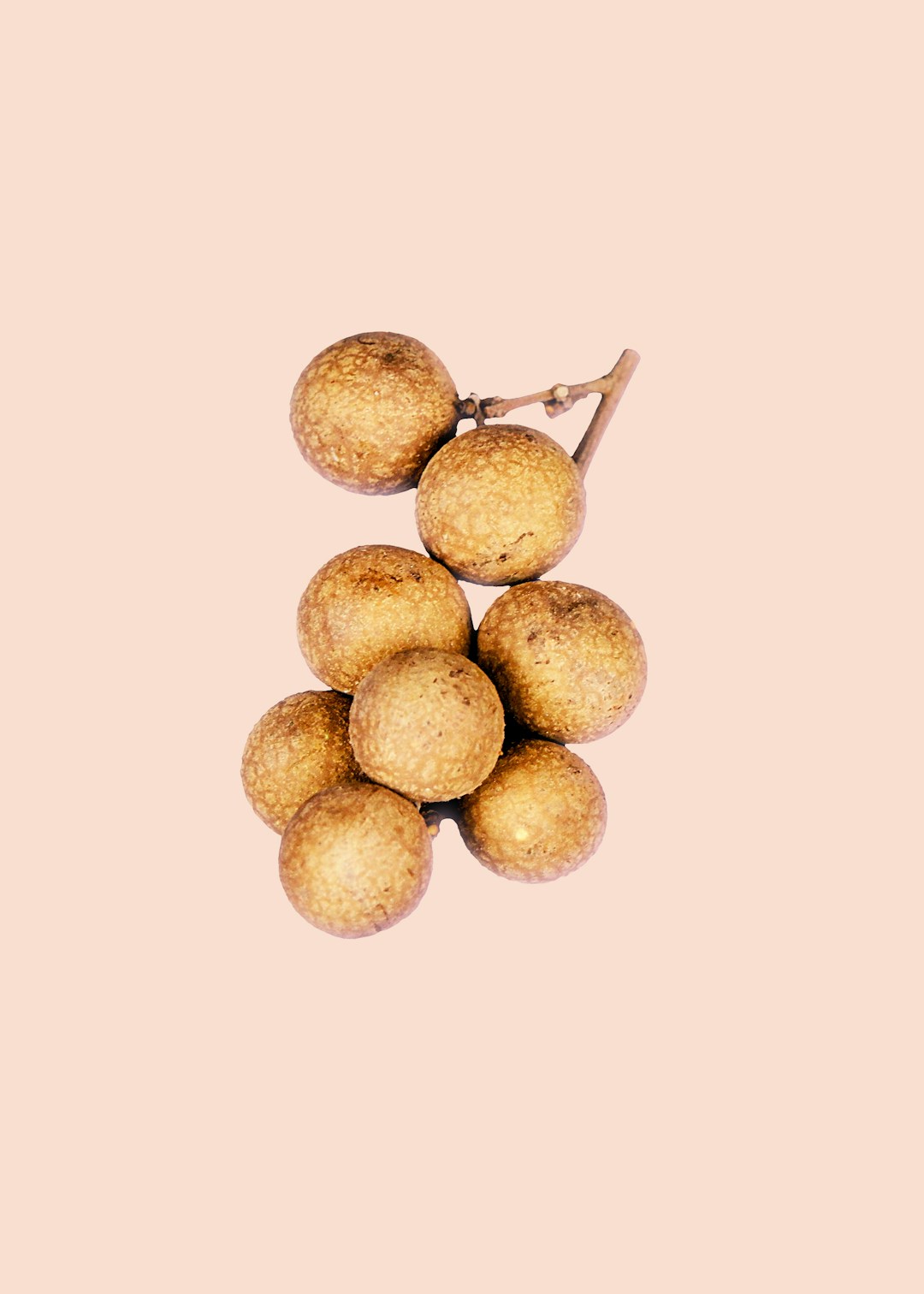
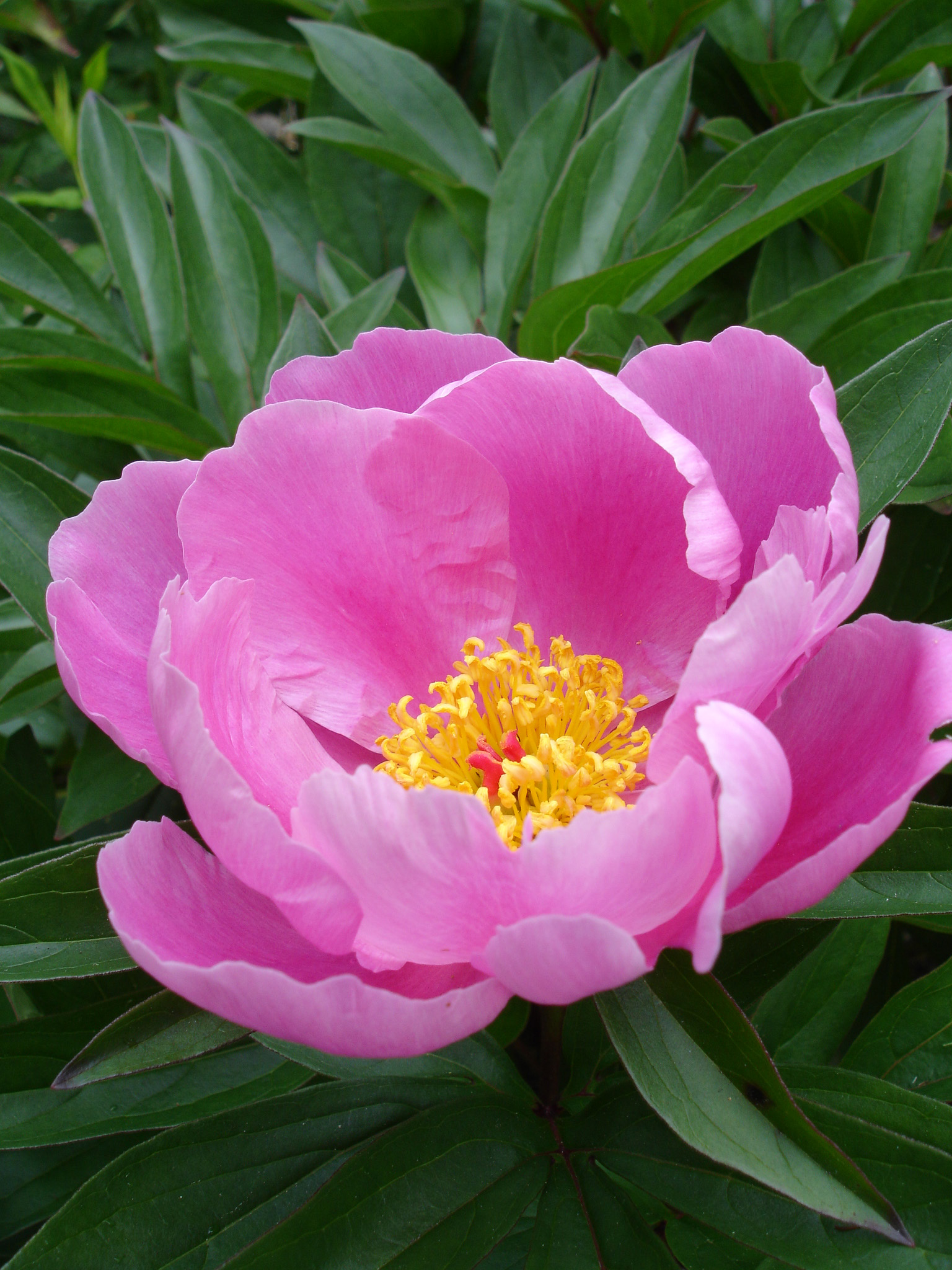
The cleaned root is cylindrical, pale, and finely striated, with a white interior, and the dried slices are white with a firm texture. The root is firm and dense, breaking with a clean, powdery edge, and it becomes slightly sticky when moistened. White Peony Root should be distinguished from the red-flowered species and from unrelated pale roots, so the Latin name and the processed form are the identity record.
Images are for orientation only, not definitive species authentication; confirm species, part, source, and labeling with a qualified professional or authoritative monograph.
TRADITIONAL CONTEXT
Traditional Use in Context
Traditional records discuss White Peony for blood nourishment, preservation of yin, abdominal cramp language, and moderation of tension in classical formulas, often paired with Liquorice for cramping in Shao Yao Gan Cao Tang and with Chinese Angelica for blood nourishment in Si Wu Tang. Classical texts describe it for menstrual discomfort, abdominal pain, and tension-related presentations, always within a pattern-based framework. The antispasmodic-sounding language is historical and does not establish efficacy for a modern pain condition, nor does it authorize self-treatment of cramps or abdominal pain, which require clinical assessment of their cause.
PROCESSING CONTEXT
Raw Material, Processing, and Product Form
Raw slices and wine-processed slices are recorded separately, and the processing label, slice thickness, and storage condition are more useful than color alone when reviewing a product. Powders and combined formulas are additional forms with their own records.
The same name can cover a raw material, decoction piece, powder, extract, or finished product, so record the labeled form rather than assuming it; see the safety review for the questions to ask.
SAFETY REVIEW
Safety Boundaries
Review allergy history, pregnancy, anticoagulants, and combined formulas. Traditional antispasmodic or menstrual language should not be treated as an individualized indication, and persistent or severe abdominal pain deserves clinical assessment.
This record is not a dose recommendation; risk depends on identity, preparation, amount, duration, contamination, other medicines, and health conditions — a traditional or “natural” label cannot establish safety. For the full framework, read the Chinese Herbal Medicine Safety Review.
COMPARISON
How This Entry Differs
Compare White Peony Root with Chinese Angelica for nourishment and movement, with Liquorice Root in formulas where relaxation and harmonizing are discussed, and with Prepared Rehmannia for the difference between pale, cooler roots and rich, sticky material. These are classic formula partners with distinct boundaries.
Use the related-entry links below to compare identity, part, processing, and safety boundaries — similar categories do not make materials interchangeable.
STUDY METHOD
New to these entries?
Read the four-step method in How to Read a Herb Entry before comparing materials.