Herb reference entry
Donkey-hide Gelatin
Donkey-hide Gelatin
Equus asinus L.
Reviewed by Kuda, September 2, 2026 - Editorial policy
OVERVIEW
What This Record Covers
Donkey-hide Gelatin is a gelatinized material made from donkey hide, so this is an animal-derived record rather than a plant herb. The hide is cleaned, boiled, concentrated, and formed into dark, brittle blocks that are dissolved for use, and the product is classically associated with blood-nourishing and fluid-supporting formulas. Because the source is an animal product, species documentation, manufacturing traceability, and authenticity are central to the record, and the finished blocks, powders, and formula products can contain very different amounts of the gelatin. Dietary, ethical, and regulatory considerations also matter for individual readers.
- English name
- Donkey-hide Gelatin
- Latin name
- Equus asinus L.
- Traditional category
- Blood Tonifying
- Nature
- Neutral
- Flavor description
- Sweet
- Record identifier
- ejiao
IDENTIFICATION
Identification and Image Notes
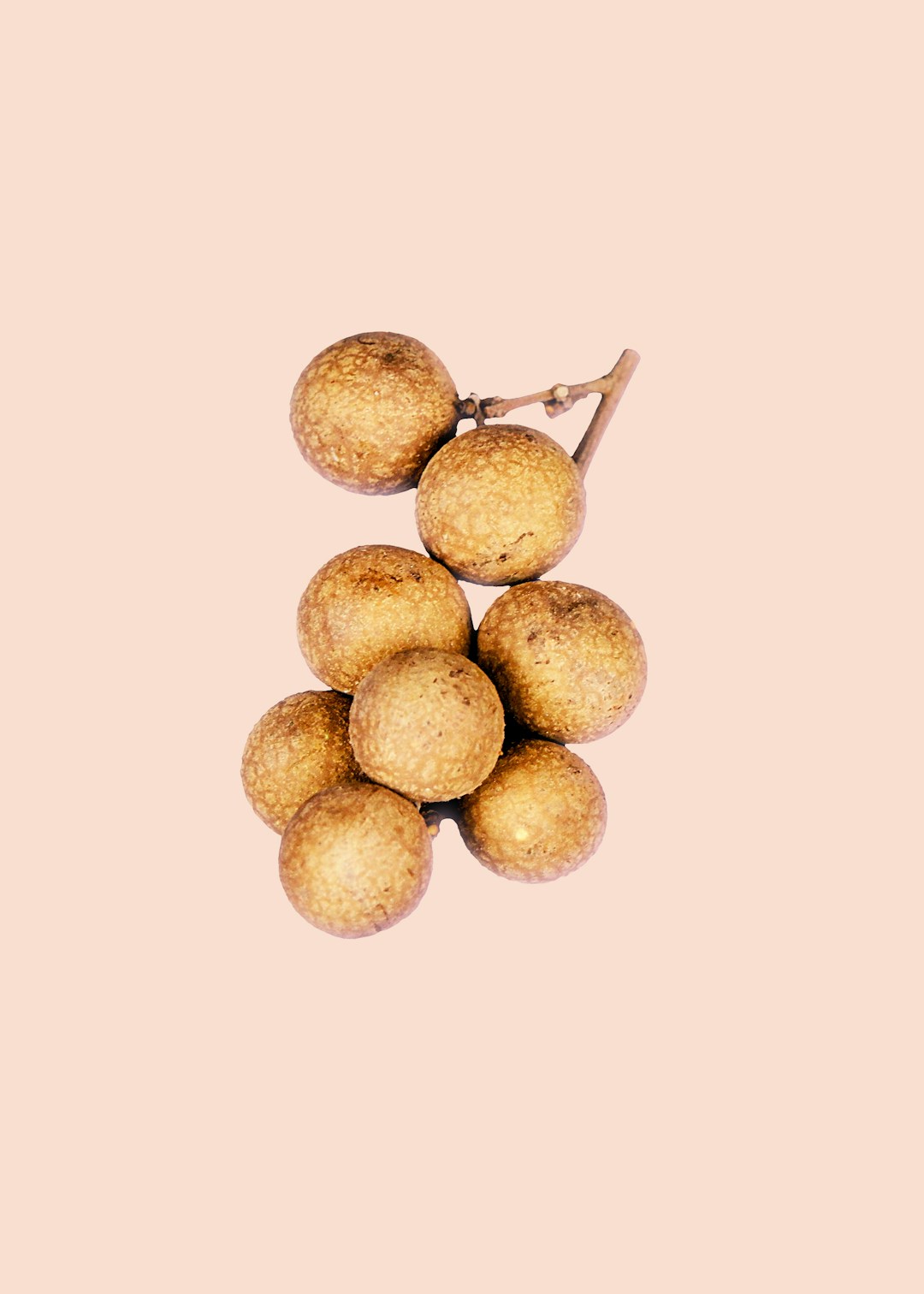
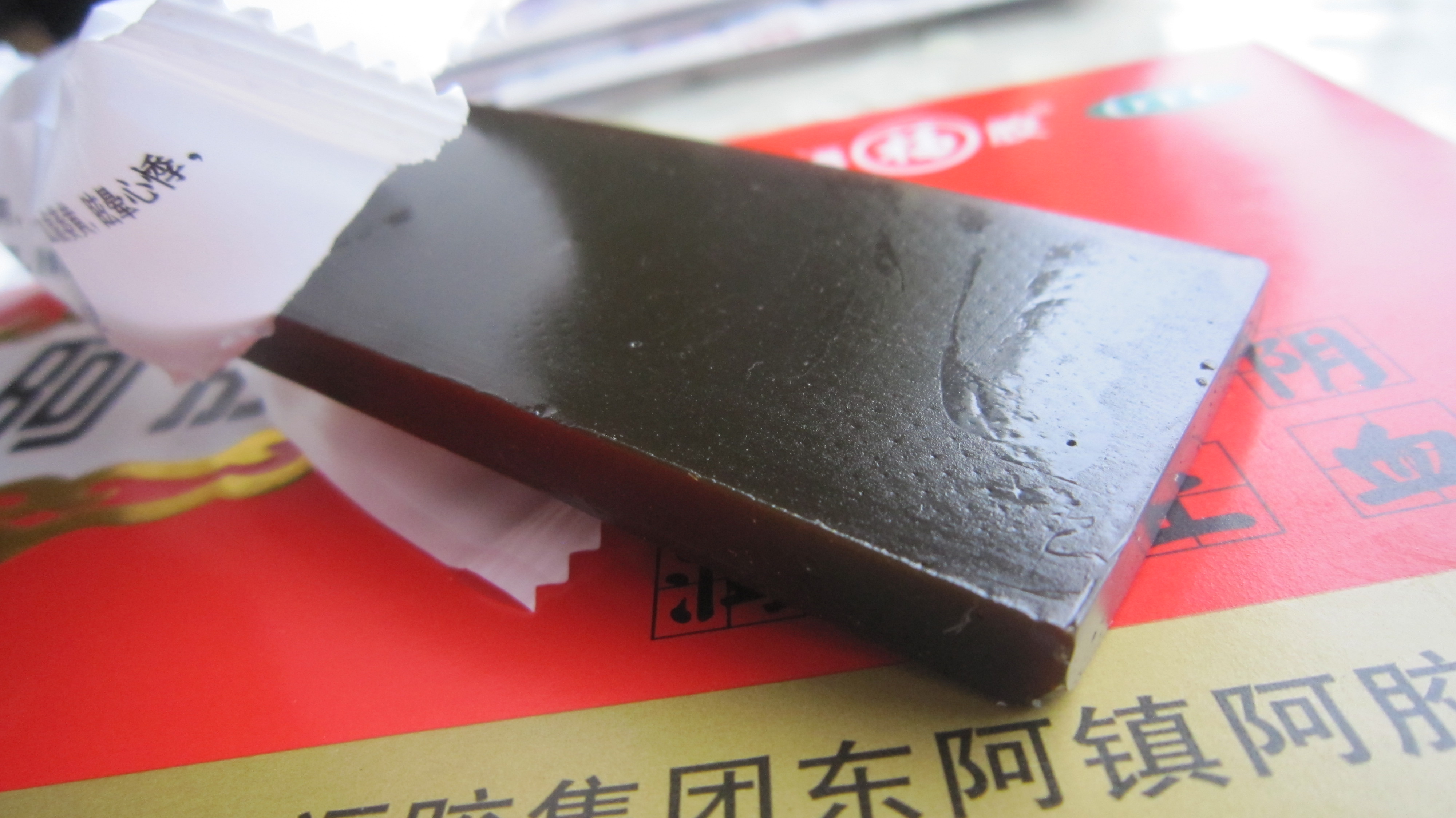
Donkey-hide Gelatin appears as a dark, brittle solid or dissolved gelatinous material rather than a recognizable plant slice, and the finished blocks are deep brown to black, hard, and slightly translucent at the edges. Species documentation, manufacturing, and authenticity are therefore central, and a brown or black gelatin-like block cannot be identified by appearance alone, since similar gelatinous materials are traded under related names.
Images are for orientation only, not definitive species authentication; confirm species, part, source, and labeling with a qualified professional or authoritative monograph.
TRADITIONAL CONTEXT
Traditional Use in Context
Traditional records discuss Donkey-hide Gelatin for blood nourishment, fluid support, bleeding-related historical language, and thickening or binding roles in formulas, often in combinations for fatigue, palpitations, and recovery after bleeding, such as Jiao Ai Tang, where it is paired with Mugwort Leaf and Chinese Angelica. Classical texts describe it as a rich, moistening material that was added to formulas for its binding and nourishing qualities. The historical language is pattern-based and does not establish efficacy for anemia, bleeding, or any modern diagnosis, and it does not authorize self-treatment of fatigue or blood loss. Heavy or unexplained bleeding requires medical assessment.
PROCESSING CONTEXT
Raw Material, Processing, and Product Form
The hide is cleaned, boiled, concentrated, and formed into a gelatin product. Finished blocks, powders, and formula products may contain additional ingredients such as wine, sugar, or herbal extracts, and each form should be documented separately with its own batch record.
The same name can cover a raw material, decoction piece, powder, extract, or finished product, so record the labeled form rather than assuming it; see the safety review for the questions to ask.
SAFETY REVIEW
Safety Boundaries
Review animal-derived allergies, gastrointestinal tolerance, contamination controls, source documentation, and pregnancy or bleeding concerns with a professional. Animal origin also matters for dietary, ethical, and regulatory reasons, and an unknown gelatin product should not be consumed on the strength of a web description.
This record is not a dose recommendation; risk depends on identity, preparation, amount, duration, contamination, other medicines, and health conditions — a traditional or “natural” label cannot establish safety. For the full framework, read the Chinese Herbal Medicine Safety Review.
COMPARISON
How This Entry Differs
Compare Donkey-hide Gelatin with plant-derived blood-nourishing records only at the level of traditional vocabulary; their source, manufacturing, and quality questions are not interchangeable. Chinese Angelica and Prepared Rehmannia are the plant roots most often compared in the same formulas.
Use the related-entry links below to compare identity, part, processing, and safety boundaries — similar categories do not make materials interchangeable.
STUDY METHOD
New to these entries?
Read the four-step method in How to Read a Herb Entry before comparing materials.